Are you looking for a unique way to organize your books that also adds a stylish touch to your space? Making a bookshelf with patterns and string is easier than you think, and it lets you create something truly personal.
Imagine a bookshelf that not only holds your favorite reads but also becomes a conversation piece. In this guide, you’ll discover simple steps to build your own eye-catching bookshelf using materials you might already have. Ready to transform your room and showcase your creativity?
Keep reading, because your perfect bookshelf is just a few patterns and strings away.
Materials Needed
Before starting your bookshelf project, gather all materials carefully. Proper materials ensure a strong and beautiful finished product. Knowing what to use helps avoid delays and mistakes. Focus on wood, string, and tools for best results.
Wood Types And Sizes
Select wood that fits your space and style. Pine is soft and easy to cut. Oak is harder but very durable. Choose planks about 1 inch thick and 8-12 inches wide. Length depends on your shelf size. Smooth wood helps string hold better.
Choosing The Right String
Pick string that is strong and flexible. Cotton or nylon cords work well. Avoid thin threads that can break easily. Look for string about 3-5 mm thick. Color can match or contrast your wood for style. Make sure it holds weight without stretching.
Tools Required
Gather basic tools for cutting and assembling. A saw will cut wood to size. Sandpaper smooths rough edges. A drill makes holes for string. Scissors or wire cutters trim string ends. A measuring tape ensures accuracy in your build.

Credit: www.amazon.com
Selecting Your Pattern
Choosing the right pattern is key to making a beautiful bookshelf with string art. The pattern guides your nails and string placement. It sets the style and mood of your project. Careful selection makes the process easier and the result more pleasing.
Think about the space where you will put your bookshelf. Patterns should match the room’s style and size. This helps the bookshelf blend or stand out as you want. Start with simple shapes if you are new to string art. Complex designs need more skill and patience.
Popular String Art Designs
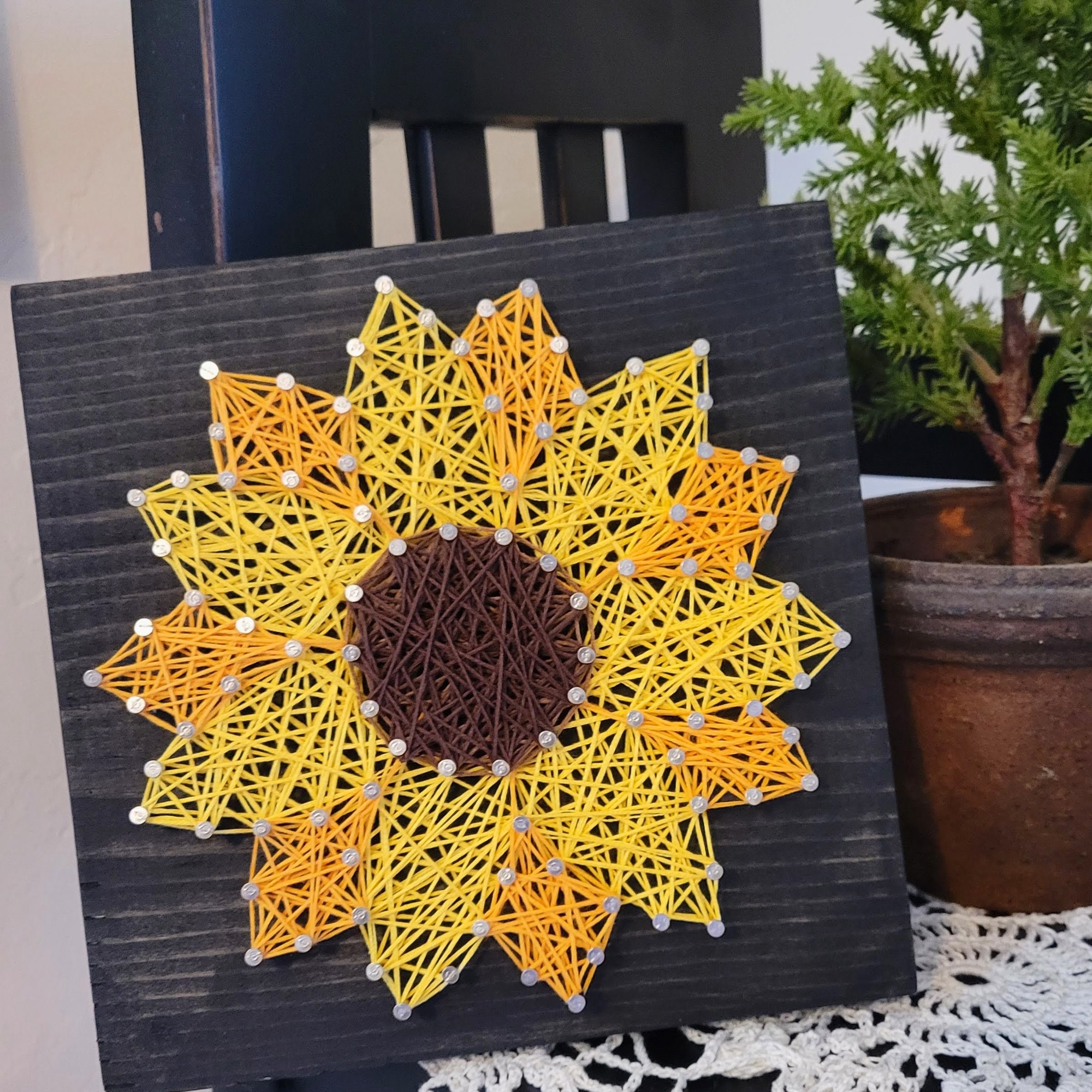
Many people use geometric shapes like triangles, circles, and hexagons. These create clean lines and modern looks. Nature patterns like trees, leaves, and flowers bring a calm feeling. Animals and simple symbols also work well.
Words or letters make personal statements. Choose a short word or initials for a unique touch. Abstract designs let your creativity flow without limits. These are great for artistic spaces.
Customizing Patterns For Your Space
Adjust patterns to fit your shelf size and wall space. Scale up or down without losing the design’s balance. Combine different shapes for a creative look. Mix simple and detailed areas to keep interest.
Think about color choices for your string. Match or contrast with the room colors. Choose string thickness that fits the pattern detail. Experiment with overlapping lines to add texture.
Preparing The Wood
Start by selecting smooth, clean wood pieces for your bookshelf. Sand the wood well to remove rough spots and prepare it for painting or staining. Cut the wood to the pattern sizes before assembling with string.
Cutting And Sanding
Start with good quality wood for your bookshelf. Choose wood that is smooth and free from large knots. Use a saw to cut the wood into the sizes you need. Take your time to make straight cuts. Rough edges can cause problems later.
After cutting, sand each piece carefully. Use medium-grit sandpaper first, then fine-grit to smooth the surface. Sand all sides and edges until the wood feels smooth. This step helps paint or stain stick better. It also prevents splinters when handling the wood.
Marking Pattern Points
Plan your pattern before you start marking. Use a pencil to mark points where the string will go. Measure each point evenly for a neat design. Make sure marks are clear and visible.
Mark all points on each wooden piece. These points guide you when wrapping the string. Precise marking makes the pattern look professional. Check your marks twice before drilling any holes.
Stringing Techniques
Stringing techniques shape the look and strength of your bookshelf. They help hold patterns firmly and add unique style. Simple methods create sturdy shelves. Complex ones bring artful designs to life. Understanding these basics makes your project easier and fun.
Basic String Wrapping
Start by wrapping string around the frame edges. Keep the string close and tight for support. Wrap in the same direction to make neat lines. Overlap slightly to avoid gaps. This technique builds a solid base for your shelf. It also prevents items from slipping through.
Creating Geometric Shapes
Use string to form triangles, squares, or diamonds on the shelf. Tie string from one point to another across the frame. Repeat to create patterns that look interesting and hold weight. Geometric shapes add strength and style to your bookshelf. Experiment with shapes to find what fits your space.
Tension And Knotting Tips
Keep string tight but not too tight to avoid snapping. Test tension by pressing gently on the string. Secure knots at each end to keep string from loosening. Use double knots for extra strength. Trim excess string close to knots to keep it tidy. Proper tension and knotting make your shelf last long.
Assembling The Bookshelf
Assembling the bookshelf is the key step to bring your project to life. This phase combines all parts into a strong and useful piece. Careful work here ensures the shelf holds books safely and looks great.
Attaching Shelves To Frame
Start by placing each shelf into the frame slots. Make sure shelves fit snugly without gaps. Use screws or nails to fix shelves firmly to the frame. Check alignment to keep shelves level and even. Tight attachments prevent shelves from shaking or falling.
Securing With String Patterns
String adds both style and support. Wrap string around the frame and shelves in neat patterns. Cross strings diagonally for extra strength. Tie knots tightly to hold strings in place. The string should stay taut without sagging or loosening.
Ensuring Stability
Test the bookshelf by gently shaking it. Add more string or tighten screws if it wobbles. Place the shelf against a wall for extra support. Add small pads under legs to keep balance on uneven floors. Stability keeps your bookshelf safe and lasting long.
Finishing Touches
Finishing touches bring your bookshelf to life. They make it look neat and last longer. Simple steps can give your project a polished, professional look. Focus on two main areas: painting or staining, and protecting your work. These steps help your bookshelf stand out and stay strong.
Painting And Staining Options
Choose paint or stain based on your room’s style. Paint offers many colors and hides wood grain. Stain shows the natural beauty of the wood. Use light colors for a bright, clean look. Dark stains add warmth and richness. Apply thin coats for smooth, even coverage. Let each coat dry fully before adding the next.
Protecting Your Work
Seal your shelf to keep it safe from damage. Use clear varnish or polyurethane for a strong finish. These coatings resist scratches and moisture. Apply thin layers with a brush or cloth. Allow each layer to dry well. Sand lightly between coats for a smooth surface. This step helps your bookshelf last for years.
Maintenance And Care
Taking care of your bookshelf made with patterns and string helps it last longer. Regular maintenance keeps it strong and looking nice. Small efforts can prevent bigger problems later. Follow simple steps to keep your bookshelf neat and safe.
Cleaning Tips
Dust the bookshelf often. Use a soft cloth to remove dirt gently. Avoid wet cloths as water can damage string and wood. A small brush helps clean tight spaces. Keep the area around the bookshelf free from dust and spills.
String Repairs
Check the strings regularly for frays or breaks. Tighten loose strings to keep shelves stable. Replace any broken strings right away. Use a similar type of string for repairs. Secure knots well to avoid future loosening.
Credit: jane.com

Credit: www.etsy.com
Frequently Asked Questions
How Do I Start Making A Bookshelf With Patterns And String?
Begin by selecting a sturdy wood board and choosing your pattern. Measure and mark the design accurately. Cut the wood to size and drill holes along the pattern lines. Use strong string or twine to weave through the holes, creating the desired pattern for support and decoration.
What Materials Are Needed For A String-pattern Bookshelf?
You need a wooden board, drill, strong string or twine, measuring tape, pencil, and scissors. Optionally, sandpaper and wood finish can be used. These materials are affordable and easy to find, making the project accessible for beginners and DIY enthusiasts.
Can I Customize The Pattern On My Bookshelf?
Yes, you can customize patterns to fit your style. Use geometric shapes, abstract designs, or even personalized motifs. Custom patterns add uniqueness and charm. Just ensure the pattern supports the shelf’s weight and maintains structural integrity.
How Do String Patterns Support Bookshelf Stability?
String patterns distribute weight evenly across the shelf. They act as tension elements, preventing sagging. Properly tied knots and tight string tension are crucial. This technique combines aesthetics with functionality, enhancing shelf durability without extra hardware.
Conclusion
Creating a bookshelf with patterns and string is fun and simple. You only need a few tools and some patience. Follow the steps carefully, and you will have a unique shelf. This project lets you add a personal touch to your space.
It also saves money compared to buying a new shelf. Try different patterns to make it your own. Enjoy the process and the final result. Your handmade bookshelf will hold your favorite books with style.