Are you looking for a unique way to organize your books and add style to your space? Making a bookshelf out of pipe is a simple and creative project you can do yourself.
Imagine having a sturdy, industrial-looking shelf that stands out and fits perfectly in your room. In this guide, you’ll discover easy steps to build your own pipe bookshelf, even if you have little experience. By the end, you’ll not only have a custom piece but also the satisfaction of creating something functional and cool with your own hands.
Ready to transform your space and impress your friends? Let’s get started!
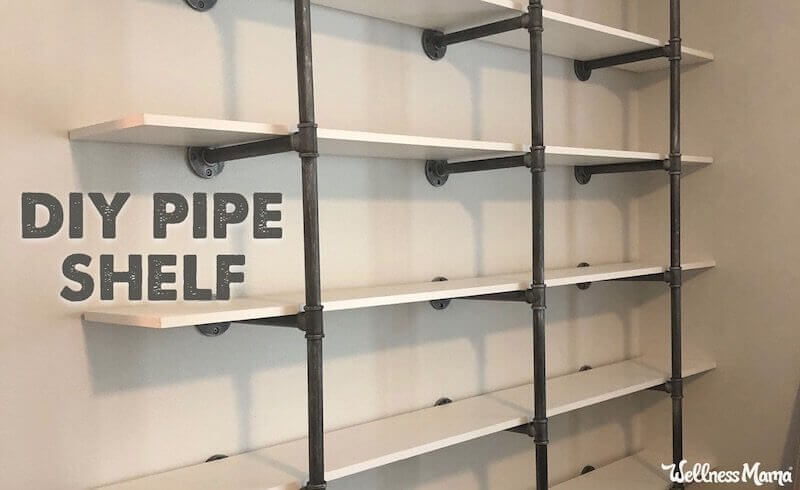
Credit: wellnessmama.com
Materials And Tools Needed
Building a bookshelf out of pipe is a fun and creative project. Gathering the right materials and tools is key to making a sturdy shelf. This section explains what you need to get started. Understanding each item helps you prepare better and avoid delays.
Selecting The Right Pipes
Choose pipes that are strong and rust-resistant. Steel pipes work well for durability. Black iron pipes add a classic, industrial look. Measure the length carefully to fit your space. Check the pipe diameter to support the shelf weight. Pipes with a 1/2 inch to 3/4 inch diameter are common choices.
Choosing Wood For Shelves
Pick wood that is solid and smooth. Pine, oak, or plywood are good options. The wood should be thick enough to hold books without bending. Sand the wood to remove rough edges. You can paint or stain wood for a nice finish. Cut the wood boards to match the pipe frame size.
Essential Tools For Assembly
Prepare basic tools for a smooth build. A drill with metal and wood bits is essential. Use a wrench or pipe wrench to tighten pipe fittings. A measuring tape keeps your cuts accurate. Sandpaper helps smooth the wood surfaces. Safety gear like gloves and goggles protects you during work.
Designing Your Bookshelf
Designing your bookshelf from pipe is the first step to a unique, practical piece. Thoughtful design ensures the shelf fits well and looks great. It also helps use materials wisely and avoid mistakes. Start by understanding your space, then plan shelf size and layout. Lastly, select finishes and styles that match your room.
Measuring Space And Dimensions
Measure the wall or corner where you want the bookshelf. Note the height, width, and depth available. Measure twice for accuracy. Consider space for walking and other furniture. Think about shelf height to fit your books and items. Keep pipe length and fittings in mind for strong support.
Planning Shelf Layout
Decide how many shelves you want. Space shelves evenly or vary heights for big and small books. Sketch your design on paper or use a simple app. Mark where pipes will go for vertical and horizontal support. Plan for weight distribution to keep shelves stable. Leave room for decorations or storage boxes.
Choosing Finishes And Styles
Pick pipe finishes like black matte, silver, or rusted look. Choose wood types for shelves that match your style. Light wood for a modern look, dark wood for classic style. Decide if you want a rustic, industrial, or clean design. Match finishes with other furniture in the room. Finish wood with varnish or paint to protect and beautify.
Preparing The Pipes And Wood
Preparing the pipes and wood is a key step in building your bookshelf. Proper preparation ensures a sturdy and attractive final product. It helps the parts fit well and last longer. This section covers cutting the pipes, sanding and staining the wood, and drilling holes for assembly.
Cutting Pipes To Size
Start by measuring the length needed for each pipe. Use a pipe cutter or a hacksaw to cut the pipes cleanly. Keep the cuts straight for better fitting. Wear safety glasses to protect your eyes from metal shards. After cutting, wipe the pipes to remove dust and metal pieces.
Sanding And Staining Wood
Sand the wood surfaces to make them smooth. Use medium-grit sandpaper first, then fine-grit for a soft finish. Remove dust with a dry cloth before staining. Apply wood stain evenly with a brush or cloth. Let it dry completely to avoid sticky surfaces. Staining enhances the wood’s color and protects it from damage.
Drilling Holes For Assembly
Mark the spots where the pipes will connect to the wood. Use a drill with the right size bit to make holes. Drill slowly to avoid splintering the wood. Check that holes line up with pipe fittings. Clean wood dust from holes before assembling the bookshelf.

Credit: thecavenderdiary.com
Assembling The Bookshelf Frame
Assembling the bookshelf frame is a key step in your pipe bookshelf project. This step shapes the basic structure and holds the shelves. A strong frame ensures your bookshelf stays steady and safe for your books.
Connecting Pipes With Fittings
Start by gathering all pipe pieces and fittings. Use elbow, tee, and flange fittings to join pipes. These fittings help create corners and support shelves. Push the pipes firmly into each fitting. Check each joint to make sure it fits tight. Tight connections keep the frame from wobbling or falling apart.
Securing The Frame Structure
Once pipes are connected, place the frame on a flat surface. Adjust any uneven parts so the frame stands straight. Use pipe thread sealant or tape on joints for extra hold. Tighten all fittings with a wrench for solid grip. Attach the frame to the wall with brackets for added safety. A secure frame can handle heavy books without tipping over.
Attaching Shelves To The Frame
Attaching shelves to the pipe frame is a key step in building your bookshelf. The shelves must sit firmly and evenly. Proper placement and strong fixing ensure the shelf holds weight safely. This section guides you through positioning and securing wood shelves on the pipe frame.
Positioning Wood Shelves
Start by placing the wood shelves on the horizontal pipes. Align each shelf so it sits flat without tilting. Check the distance between shelves to match your storage needs. Use a level tool to make sure shelves are straight. Mark the spots where the shelves meet the pipes. Adjust the shelves until they feel stable and balanced.
Fixing Shelves Securely
Secure shelves with pipe clamps or metal brackets. Tighten clamps around the pipe and wood to prevent movement. If using brackets, screw them into the wood and pipe frame firmly. Double-check all fixings for tightness and strength. Add extra support brackets if shelves feel weak. Proper fixing stops shelves from sliding or wobbling over time.
Finishing Touches
Finishing touches make your pipe bookshelf look complete and last longer. These steps protect the shelf and add style. They help your project stand out and stay strong over time.
Adding Protective Coating
Start by applying a protective coating to the pipes and wood. Use clear varnish or polyurethane for wood. It stops scratches and water damage. For pipes, apply rust-resistant spray paint. Let each coat dry fully before adding another. This keeps your shelf safe and clean for years.
Styling And Decorating
Arrange books and decor items to create a nice look. Use plants, photo frames, or small art pieces for variety. Balance heavy and light items on each shelf. Keep some space empty for a neat feel. Change decorations often to keep your shelf fresh and interesting.
Maintenance Tips
Maintaining your pipe bookshelf keeps it looking great and lasting longer. Regular care stops damage and keeps the pipes strong. Small efforts prevent big problems.
Cleaning Your Bookshelf
Dust the shelves often to avoid buildup. Use a soft cloth to wipe pipes and wood surfaces gently. Avoid harsh cleaners that can damage the finish. A damp cloth works well for most dirt. Dry the shelf after cleaning to stop moisture damage.
Preventing Rust And Wear
Check pipes regularly for signs of rust or wear. Apply a clear sealant or paint to protect metal parts. Keep the shelf away from damp areas to reduce rust risk. Tighten loose fittings to keep the structure stable. Use felt pads under the shelf to avoid scratches on floors.
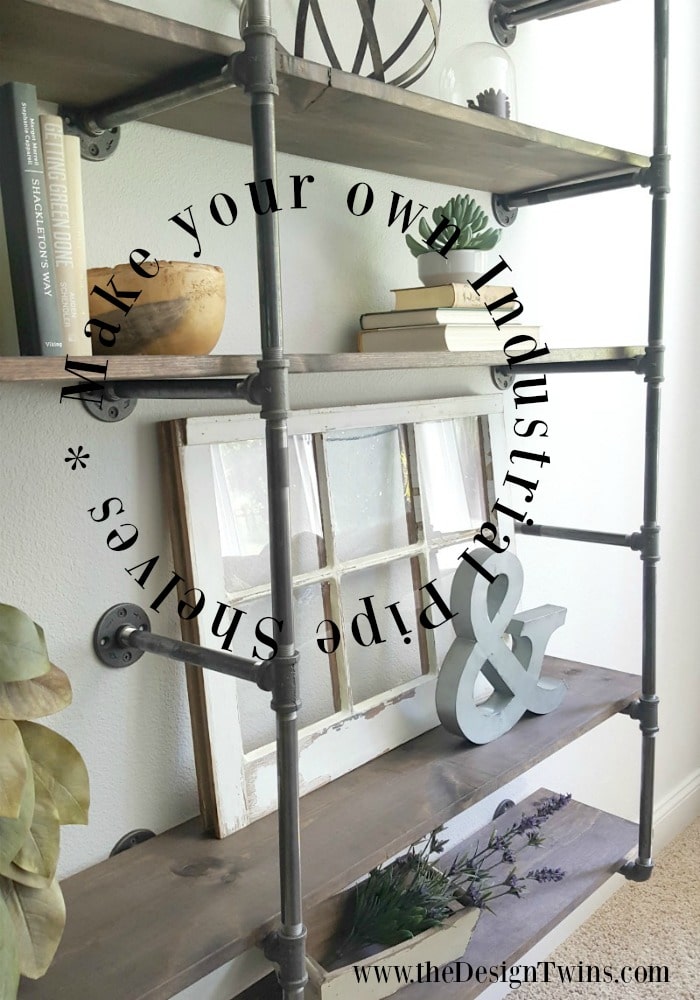
Credit: thedesigntwins.com
Frequently Asked Questions
What Materials Do I Need To Make A Pipe Bookshelf?
You need metal pipes, flanges, wooden boards, pipe fittings, screws, and wall anchors. These materials ensure durability and style.
How Do I Assemble A Pipe Bookshelf Step-by-step?
First, measure and cut pipes. Attach flanges to wood. Secure pipes to flanges. Mount bookshelf on wall with anchors.
Can I Customize The Size Of The Pipe Bookshelf?
Yes, you can easily adjust pipe lengths and wood sizes. Custom sizes fit any space or design preference.
Is A Pipe Bookshelf Sturdy Enough For Heavy Books?
Yes, metal pipes and thick wood provide strong support for heavy books and decorations. Proper assembly is key.
Conclusion
Building a bookshelf out of pipe is simple and fun. You only need a few tools and materials. This project lets you create a sturdy shelf with a unique look. You can customize the size and shape to fit your space.
It also saves money compared to buying a new shelf. Give it a try and enjoy your new pipe bookshelf. It adds style and function to any room. Easy to build and practical to use. Perfect for books, plants, or decorations.