Choosing the right mattress size for your bunk bed can feel confusing. You want your bunk bed to be safe, comfortable, and just right for your space.
Picking the wrong mattress might cause discomfort or even safety issues. But don’t worry—this guide will help you find the perfect mattress size quickly and easily. By the end, you’ll know exactly what mattress fits your bunk bed best and why it matters for your sleep and peace of mind.
Keep reading to make the best choice for you and your loved ones.
Bunk Bed Mattress Sizes
Choosing the right mattress size for a bunk bed is important. The mattress must fit well for safety and comfort. Bunk beds do not always use standard mattress sizes. Knowing the correct dimensions helps you pick the best mattress.
Standard Dimensions
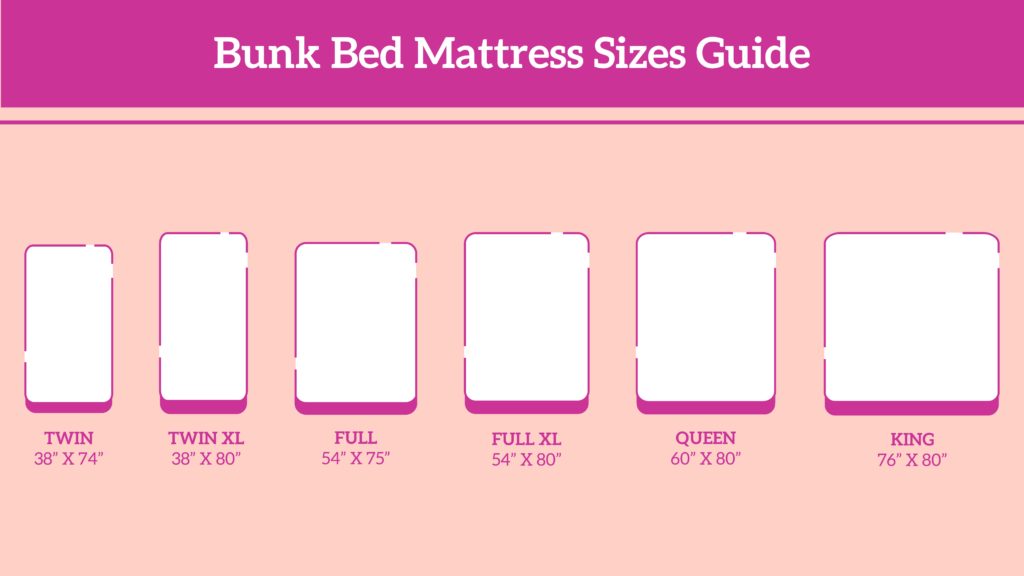
Most bunk beds use twin size mattresses. A twin mattress measures 38 inches wide and 75 inches long. This size fits the top and bottom bunks comfortably. Some bunk beds use twin XL mattresses. Twin XL mattresses are 5 inches longer, measuring 38 by 80 inches. These offer extra legroom for taller sleepers.
Common Variations
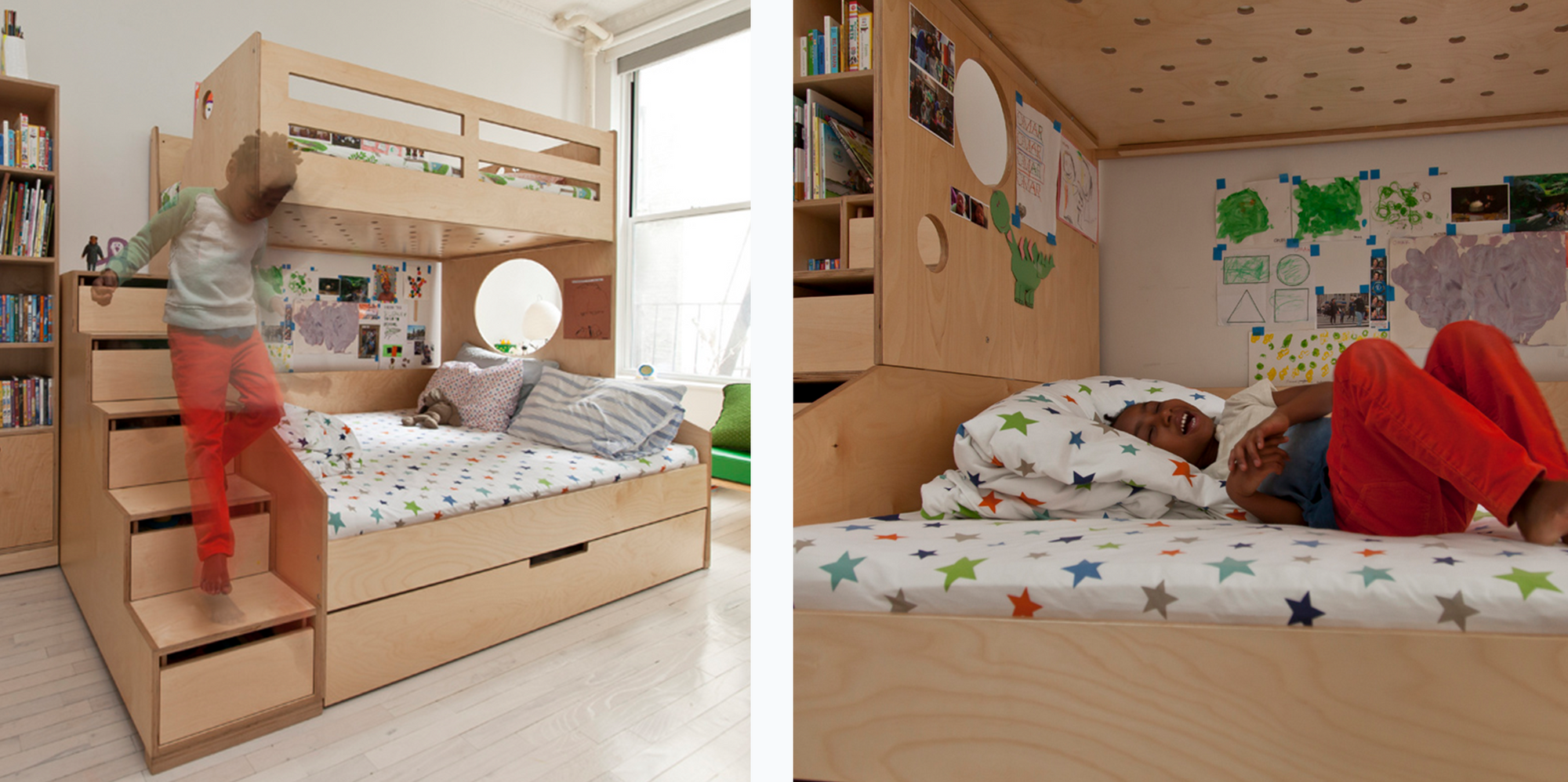
Some bunk beds use full-size mattresses. Full mattresses are 54 inches wide and 75 inches long. They provide more sleeping space but need a larger frame. Certain bunk beds are custom-made with different sizes. These can be narrower or shorter than standard mattresses. Always measure your bunk bed frame before buying a mattress. This ensures the mattress fits safely and snugly.
Credit: casakids.com
Measuring Your Bunk Bed Frame
Measuring your bunk bed frame is the first step to finding the right mattress size. Accurate measurements ensure the mattress fits well and stays safe. A mattress that is too big or too small can cause problems and discomfort.
Use a tape measure for precise results. Measure the main parts of the frame, including length, width, and depth. Take notes and double-check your numbers for accuracy.
Length And Width Tips
Start by measuring the length of the bed frame from head to foot. Most bunk beds fit standard mattress lengths like twin or full. Measure the width across the bed frame, from one side to the other. The mattress should fit snugly without gaps or too much space.
Round down slightly if your measurement is between two sizes. This prevents the mattress from moving around. Avoid mattresses that are too thick or too thin for the frame width and length.
Checking Bed Depth
Bed depth is the space between the top of the bed frame and the guardrails or ceiling above. Measure this height to ensure the mattress does not make the bed too tall. A mattress that is too thick can be unsafe on a bunk bed.
Check the recommended mattress thickness for your bunk bed model. Most bunk beds work best with mattresses 6 to 8 inches thick. Measuring depth helps maintain safety and comfort during sleep.
Choosing The Right Mattress Thickness
Choosing the right mattress thickness for a bunk bed is very important. The mattress must fit well to keep the bed safe and comfortable. Too thick or too thin mattresses can cause problems. This section helps find the best mattress thickness for a bunk bed.
Safety Considerations
Safety is the top priority when picking mattress thickness. A mattress that is too thick can raise the sleeper too high. This increases the risk of falling out of the bed. A mattress that is too thin may not provide enough support. Most bunk beds recommend mattresses between 6 to 8 inches thick. This size keeps the guardrails effective and prevents accidents.
Comfort Factors
Comfort matters for a good night’s sleep. A mattress should be thick enough to cushion the body. Thin mattresses may feel hard and cause discomfort. A mattress around 6 to 8 inches thick balances comfort and safety. Choose a mattress with good support and softness. This helps prevent aches and improves sleep quality.
Material Options For Bunk Bed Mattresses
Choosing the right mattress material for a bunk bed matters a lot. The mattress must fit well and feel comfortable. It also needs to be safe and support good sleep. Different materials offer unique benefits. Knowing these helps pick the best mattress for your bunk bed.
Memory Foam
Memory foam molds to the body shape. It provides good support and comfort. This material absorbs movement well. It keeps the sleeper from feeling disturbed by others. Memory foam is lightweight, which suits bunk beds. It also resists dust mites and allergens.
Innerspring
Innerspring mattresses use metal coils for support. They offer firm and stable sleeping surface. Air flows easily through the coils, keeping the mattress cool. These mattresses tend to be more affordable. They work well for kids and teens using bunk beds.
Hybrid Mattresses
Hybrid mattresses combine memory foam and innerspring coils. They give the comfort of foam with the bounce of coils. This mix supports the body while keeping good airflow. Hybrid mattresses suit sleepers who want both softness and firmness. They fit well on most bunk bed frames.
Mattress Firmness And Support
Choosing the right mattress firmness and support is key for a bunk bed. The mattress needs to be comfortable and safe. It must hold up well and suit the sleeper’s needs. The right firmness helps keep the body in good shape during sleep. Support prevents aches and keeps the spine aligned. These factors matter a lot, especially in a bunk bed where space and safety are limited.
Age And Weight Impact
Children and adults need different mattress firmness. Kids often prefer softer mattresses that cushion their smaller bodies. Adults usually require firmer mattresses for better support. Weight also affects firmness choice. Heavier people need firmer mattresses to avoid sinking too much. Lighter sleepers do better with softer mattresses that contour to their shape. Matching firmness to age and weight helps ensure restful sleep and good posture.
Sleeping Position Influence
Sleeping position changes mattress needs. Side sleepers benefit from a softer mattress. It cushions shoulders and hips, reducing pressure. Back sleepers need medium-firm mattresses for spinal support. Stomach sleepers often require a firmer mattress. It stops the body from sinking too deeply. Knowing your sleeping position helps pick the right mattress firmness. This improves comfort and prevents body pain.
Credit: mattresstodoor.com
Specialty Mattresses For Bunk Beds
Bunk beds need special mattresses to fit their size and shape. Standard mattresses do not always work well. Specialty mattresses come in different sizes and styles. They ensure safety and comfort for users of bunk beds.
Choosing the right mattress keeps the bed sturdy and the sleeper cozy. Many bunk beds require thinner mattresses for guardrails. Specialty options help meet these unique needs.
Twin Xl And Custom Sizes
Twin XL mattresses are longer than regular twin mattresses. They measure 80 inches in length instead of 75. This size suits taller sleepers who use bunk beds. Some bunk beds need custom mattress sizes. These mattresses fit perfectly in odd-shaped frames. Custom mattresses offer better support and comfort.
Mattresses For Loft Beds
Loft beds are higher and usually have open space below. They need lightweight and thin mattresses. Thin mattresses prevent falling from the top bunk. Foam mattresses work well for loft beds. They are light and easy to move. Choosing the right mattress size improves safety and sleep quality.
Budgeting For Bunk Bed Mattresses
Budgeting for bunk bed mattresses requires careful thought. Mattresses must fit the bed size and last long. A good mattress supports comfort and safety. Setting a budget helps find the right mattress without overspending. Consider both upfront cost and future value. This section breaks down price ranges and long-term benefits.
Price Ranges
Bunk bed mattresses come in many price ranges. Basic models start around $50. These mattresses are thinner and less durable. Mid-range mattresses cost between $100 and $200. They offer better comfort and materials. Premium mattresses can go over $300. These provide excellent support and last longer. Choose a mattress that fits your budget and needs.
Long-term Value
Investing in a quality mattress saves money over time. Cheap mattresses may wear out quickly. They lose comfort and need replacement sooner. Higher-quality mattresses hold their shape longer. They improve sleep quality and safety. Think about how long the mattress will last. Spending more now can reduce future costs. This approach makes the mattress purchase more valuable.
Credit: eachnight.com
Maintenance And Care Tips
Taking care of your bunk bed mattress is key to keeping it fresh and comfy. Regular maintenance helps avoid bad smells, dust, and wear. Simple care steps keep the mattress safe and lasting longer.
Cleaning Recommendations
Start by vacuuming the mattress every week. Use a soft brush attachment to remove dust and dirt. Spot clean stains with mild soap and water. Avoid soaking the mattress to prevent mold. Let the mattress dry completely before use. Use a mattress protector to block spills and stains.
Extending Mattress Life
Rotate the mattress every three months to avoid sagging. Flip it if it is double-sided. Keep the bunk bed frame sturdy and secure. Avoid jumping on the mattress to reduce damage. Use the right mattress size for the bunk bed. Proper care saves money and keeps your child safe.
Frequently Asked Questions
What Mattress Sizes Fit Standard Bunk Beds?
Standard bunk beds typically fit twin or twin XL mattresses. Twin size is 38”x75” and twin XL is 38”x80”. Always check your bunk bed’s frame specifications before purchasing a mattress to ensure a perfect fit and safe use.
Can I Use A Full-size Mattress On A Bunk Bed?
Full-size mattresses are usually too large for standard bunk beds. Bunk beds are designed for twin or twin XL mattresses. Using a full-size mattress can cause safety hazards and may not fit securely within the bed frame.
What Thickness Mattress Is Safe For Bunk Beds?
Mattress thickness for bunk beds should generally be between 6 to 8 inches. This thickness ensures safety by maintaining proper guardrail height and preventing falls. Thicker mattresses might reduce guardrail effectiveness and increase risk during sleep.
Are Memory Foam Mattresses Good For Bunk Beds?
Yes, memory foam mattresses are good for bunk beds. They are lightweight, comfortable, and fit well in standard sizes. Their flexibility allows them to conform to the frame, providing safety and support without adding extra bulk.
Conclusion
Choosing the right mattress size matters for safety and comfort. Twin mattresses fit most bunk beds perfectly. Measure your bed frame before buying to avoid mistakes. A mattress that is too big or small causes problems. Think about who will use the bed and their needs.
A good mattress helps ensure a better night’s sleep. Take time to pick the best size for your bunk bed. Simple steps lead to happy, restful nights for everyone.