Are you wondering when it’s the right time to move your child from a crib to a toddler bed? This decision can feel tricky because you want to keep your little one safe and comfortable while encouraging their growing independence.
Choosing the perfect moment matters more than you might think—it can affect your child’s sleep quality and your peace of mind. You’ll discover clear signs to watch for and expert tips to make the transition smooth and stress-free for both you and your kid.
Keep reading to find out exactly when and how to make this important move.

Credit: casakids.com
Signs Your Child Is Ready
Knowing when to move your child to a toddler bed is important. Watch for clear signs that show your child is ready. These signs help make the transition smooth and safe. Each child grows at their own pace. Pay close attention to physical and behavioral changes. Also, notice if your child shows interest in the new bed.
Physical Growth Milestones
Your child may outgrow their crib physically. If they can climb out easily, it’s time to change beds. Growing taller or heavier can make the crib unsafe. Toddlers need more space to move and sleep comfortably. These changes show that their body is ready for a bigger bed.
Behavioral Cues
Watch how your child behaves around bedtime. If they resist the crib or try to climb out, it’s a strong sign. Some toddlers want more freedom and independence. They might ask to sleep in a “big kid” bed. These behaviors show readiness for a toddler bed.
Interest In Toddler Bed
Children often show curiosity about a new bed. They may ask questions or want to sit on it. A toddler bed with fun designs can attract their attention. This interest can make bedtime easier and more exciting. It helps children feel proud and confident in their new bed.
Choosing The Right Toddler Bed
Choosing the right toddler bed is important for your child’s comfort and safety. The bed should suit your child’s size and growing needs. It should also make the transition smooth and enjoyable. Picking a bed with the right features helps your child sleep well and feel secure.
Safety Features To Consider
Look for beds with guardrails on both sides. They prevent your child from falling out. Check that the bed is low to the ground. This helps your child get in and out easily. Avoid beds with sharp edges or loose parts. Make sure the materials used are non-toxic and sturdy. Confirm the bed meets safety standards for children’s furniture.
Types Of Toddler Beds
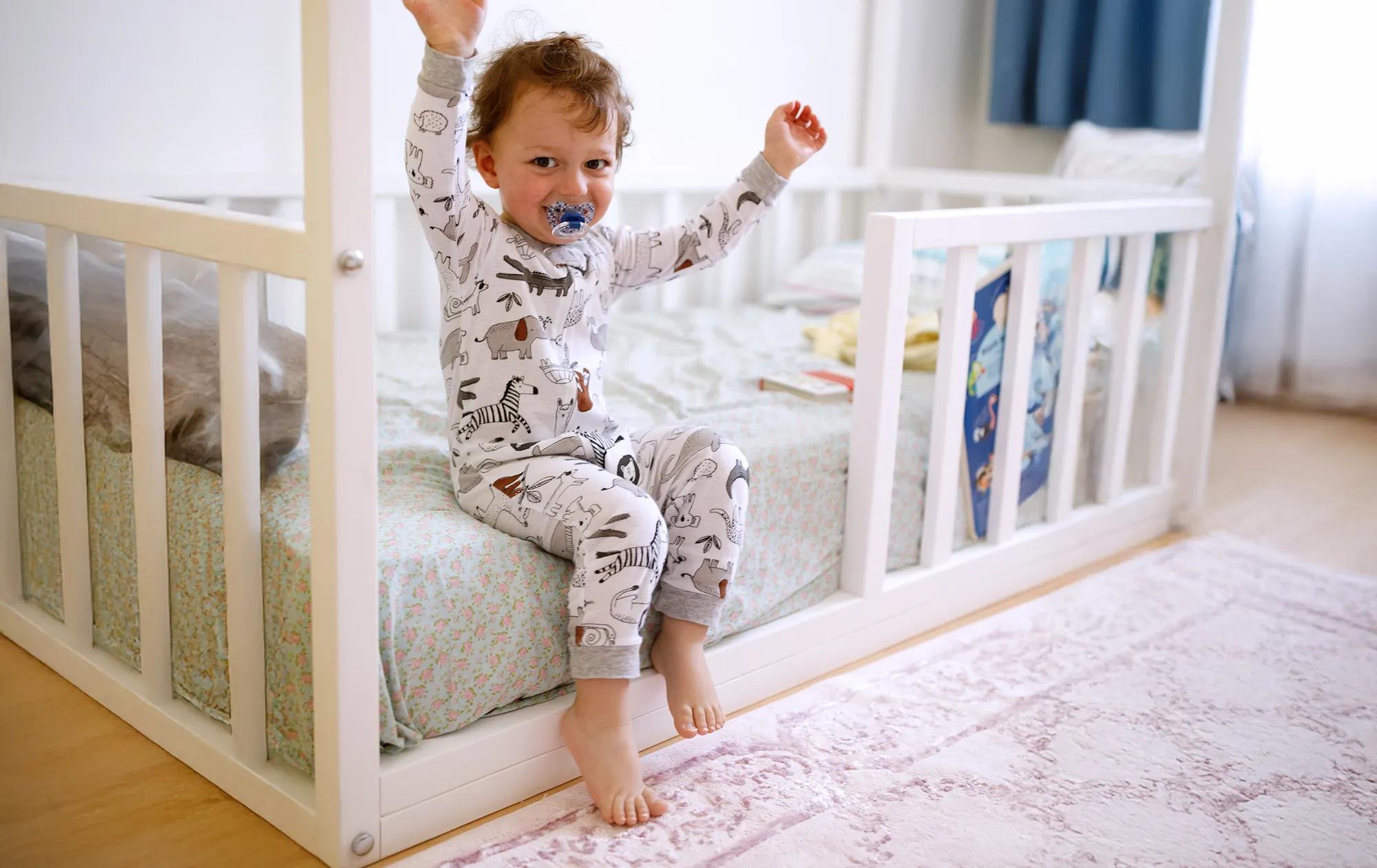
Toddler beds come in many styles. Some are simple frames that hold a crib mattress. Others look like small twin beds with fun themes. Convertible beds grow with your child and can change into a twin bed. Pick a style that fits your room and your child’s personality. The right bed encourages independence and comfort.
Mattress And Bedding Tips
Use a mattress that fits the toddler bed perfectly. It should be firm to support healthy sleep. Avoid using pillows or heavy blankets for safety reasons. Choose soft, breathable bedding to keep your child cozy. Wash bedding regularly to keep the bed clean. Bright colors or favorite characters can make bedtime fun.
Preparing The Room
Preparing the room is an important step before moving your child to a toddler bed. It helps your child feel safe and excited about the change. The right room setup can support better sleep and reduce worries. Focus on comfort, safety, and involvement to make this transition smooth.
Creating A Cozy Sleep Space
Choose soft bedding and familiar blankets. Use gentle colors that calm your child. Keep the room tidy to avoid distractions. Add a small nightlight for comfort. Make the bed inviting and warm for restful sleep.
Childproofing The Area
Remove sharp objects and small toys from the floor. Cover electrical outlets and secure cords out of reach. Anchor heavy furniture to the wall to prevent tipping. Check windows and doors to ensure safety. Create a safe space for your child to explore freely.
Involving Your Child In Setup
Let your child pick out bedding or a stuffed animal. Talk about the new bed and how fun it will be. Encourage them to help arrange pillows or toys. This helps your child feel proud and ready for the change. Participation builds excitement and confidence in the new bed.

Credit: www.candokiddo.com
Making The Transition Smooth
Moving your child to a toddler bed is a big step for both of you. A smooth transition helps your child feel safe and comfortable. This reduces fear and confusion about the new bed. It also helps your child develop good sleep habits early.
Focus on creating a calm and predictable environment. Small changes can make a big difference. Keep your child’s needs in mind. Patience and consistency are key to success.
Establishing A Consistent Bedtime Routine
A steady bedtime routine gives your child a sense of security. Start the routine at the same time each night. Include simple activities like a warm bath or storytime. These calming actions signal that sleep time is near. Avoid screens and loud noises before bed. A quiet room helps your child relax and fall asleep easier.
Using Comfort Items
Comfort items like a favorite blanket or stuffed toy bring reassurance. Let your child pick a special item to take to bed. This creates a feeling of familiarity in the new space. Keep the comfort item nearby during the night. It helps reduce anxiety and promotes peaceful sleep.
Handling Nighttime Resistance
Resistance is normal as your child adjusts. Stay calm and gentle when your child protests bedtime. Offer reassurance with soft words and hugs. Avoid giving in to demands for extra attention. Be firm but kind in returning your child to bed. Repeat this with patience until your child adapts.
Common Challenges And Solutions
Moving a child to a toddler bed brings new challenges. Parents often worry about safety and sleep habits. Understanding common problems helps find easy solutions. This section covers typical issues and ways to handle them.
Dealing With Climbing Out Of Bed
Many toddlers try to climb out of their new beds. It can be dangerous and stressful for parents. Use guardrails on the bed to stop falls. Place soft mats beside the bed for extra safety. Teach your child that staying in bed is important. Be firm but gentle when guiding them back. Consistent routines help toddlers feel secure and less likely to climb.
Managing Sleep Regression
Sleep regression happens often after moving to a new bed. Your child might wake up more or resist sleep. Keep bedtime routines the same as before. Reading a story or singing a song can calm your toddler. Avoid screens and loud noises before bed. Be patient and calm during night wakings. Sleep patterns usually improve after a few weeks.
Addressing Separation Anxiety
Separation anxiety can increase with a new sleeping space. Toddlers may cry or want parents nearby. Comfort your child with a favorite toy or blanket. Stay close for a few nights to ease the transition. Use calm words and gentle touches for reassurance. Gradually give your toddler more independence at bedtime. This builds trust and reduces anxiety over time.
When To Seek Expert Advice
Deciding the right time to move your child to a toddler bed can be tricky. Sometimes, it is clear. Other times, you might notice issues that need a closer look. Knowing when to ask for expert advice helps you support your child’s sleep and behavior better.
Experts can guide you if your child faces challenges beyond just changing beds. They offer solutions tailored to your child’s needs. Keep an eye on signs that show professional help might be needed.
Sleep Issues Beyond Transition
Some kids struggle with sleep even after switching to a toddler bed. Frequent waking, nightmares, or trouble falling asleep can last. These problems affect your child’s mood and energy daily. If sleep troubles continue for weeks, experts can help find the cause and fix it.
Behavioral Concerns
Changing beds can trigger fears or anxiety in children. If your child shows strong resistance or acts out often, it may signal deeper issues. Sudden changes in behavior, like aggression or withdrawal, deserve attention. Specialists can support your child and offer strategies to ease worries.
Consulting Pediatricians
Pediatricians know how to handle sleep and behavior challenges in young children. They check for health issues that might affect sleep. Sharing your concerns with a doctor ensures your child gets proper care. Early advice can prevent small problems from growing bigger.
Credit: health.clevelandclinic.org
Frequently Asked Questions
When Is The Right Age To Switch To A Toddler Bed?
Most children transition between 18 months and 3 years. This depends on their physical growth and readiness for a bed with less protection than a crib.
How Do I Know If My Child Is Ready For A Toddler Bed?
Look for signs like climbing out of the crib or showing interest in a bigger bed. Safety and comfort are key readiness indicators.
What Are The Benefits Of Moving To A Toddler Bed Early?
Early transition promotes independence and can prevent crib-related injuries. It also helps children adapt to sleeping in a regular bed sooner.
Should I Wait If My Child Resists Leaving The Crib?
Yes, it’s best to wait until your child shows willingness. Forcing the change can cause stress and disrupt sleep quality.
Conclusion
Choosing the right time to move your child to a toddler bed is a personal decision. Most kids switch between 18 months and 3 years old. Watch for signs like climbing out of the crib or showing interest in a bigger bed.
Safety and comfort matter most during this change. Every child grows at their own pace. Trust your instincts and make the move when it feels right. This helps your child sleep better and feel secure in their new bed. Keep patience and support throughout the transition.
