Are you wondering how much fleece you need to keep your toddler’s bed cozy and warm? Choosing the right amount can feel tricky, especially when you want your little one to stay comfortable all night without extra bulk.
Whether you’re making a blanket, adding a soft lining, or sewing bedding, knowing the exact fleece needed saves you time, money, and frustration. Keep reading to discover simple tips that help you measure just the right amount of fleece for your toddler bed—making bedtime snug and stress-free for both of you.
Fleece Fabric Basics
Fleece is a soft and warm fabric popular for toddler bedding. It feels gentle on a child’s skin. This fabric keeps toddlers cozy during cold nights. Parents often choose fleece for its comfort and ease of care.
Fleece is made from synthetic fibers like polyester. These fibers trap heat and dry quickly. The fabric is lightweight yet very warm. It also resists wrinkles and shrinking after washing.
Types Of Fleece
There are several types of fleece fabric. Each type offers different levels of warmth and softness. Microfleece is thin and smooth, perfect for mild weather. It is light and breathable.
Polar fleece is thicker and warmer. It works well in colder temperatures. This type is fluffy and cozy. It provides extra insulation for toddler beds.
Other varieties include anti-pill fleece, which stays soft and looks new longer. Choosing the right type depends on your toddler’s needs and climate.
Benefits For Toddler Bedding
Fleece keeps toddlers warm without heavy blankets. It helps regulate body temperature through the night. The fabric is gentle and won’t irritate delicate skin.
Fleece is easy to wash and dries fast. This makes it ideal for busy parents. The fabric resists stains and holds color well. It also stays soft after many washes.
Using fleece in toddler beds adds comfort and safety. It reduces the risk of overheating. This fabric creates a cozy, inviting sleep space for little ones.
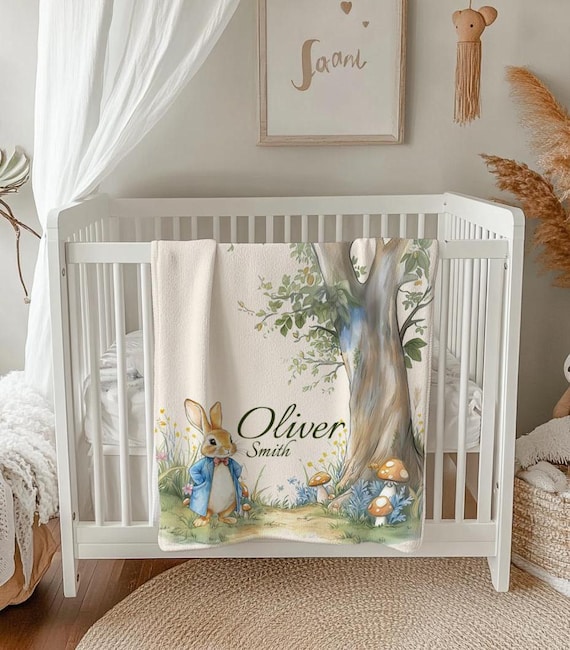
Credit: www.etsy.com
Toddler Bed Dimensions
Toddler bed dimensions are key to choosing the right fleece size. Knowing the bed size helps you buy enough fleece for blankets or covers. It also ensures a perfect fit that keeps your toddler comfortable and cozy. Toddler beds come in different sizes. This section explains the standard size and how to measure your bed.
Standard Toddler Bed Size
The most common toddler bed size is 28 inches wide by 52 inches long. This size fits most toddler mattresses. It is smaller than a twin bed but bigger than a crib mattress. Knowing this size helps you estimate how much fleece you need. Usually, adding extra inches for tucking and folding is good.
Measuring Your Bed
Measure the width, length, and height of your toddler bed. Use a tape measure for accuracy. Measure the mattress, not just the frame. Add a few inches to each side for a better fit. This extra fleece covers the mattress fully and allows for washing. Accurate measurement prevents buying too little or too much fleece.
Calculating Fleece Requirements
Calculating how much fleece you need for a toddler bed is important for a perfect fit. Too little fabric can cause frustration. Too much fabric means waste and extra cost. This section breaks down the steps to find the right amount of fleece. It helps you plan your project well and avoid common mistakes.
Determining Fabric Yardage
First, measure the toddler bed mattress. Note the length, width, and thickness in inches. Add extra inches for wrapping the mattress sides. Convert the total measurements to yards because fabric is sold by the yard. Generally, toddler beds need about 2 to 3 yards of fleece. This depends on the mattress size and fleece width. Always check the fleece width before buying. Standard fleece width is usually 60 inches.
Allowing For Seams And Hems
Next, add extra fabric for seams and hems. Sewing edges need about 1 inch on each side. Hems require folding fabric, so add 2 to 3 inches extra. This ensures a neat finish and prevents fabric from fraying. Account for this in your yardage calculation. It helps create a smooth, comfortable cover for the toddler bed.

Credit: www.amazon.com
Choosing The Right Fleece Thickness
Picking the right fleece thickness for a toddler bed is important. It affects comfort and warmth. Too thin, and your child might feel cold. Too thick, and it might be too heavy or hot. Understanding the difference helps you choose the best fleece for your toddler’s bed.
Fleece comes in many thickness levels. Each type suits different needs and seasons. Knowing these options makes it easier to find the perfect fit for your child’s sleep.
Lightweight Vs Heavyweight
Lightweight fleece feels soft and thin. It works well in mild weather. It is easy to wash and dries quickly. It also lets air pass through, keeping your toddler comfortable.
Heavyweight fleece is thicker and warmer. It traps more heat to protect from cold nights. It is heavier but very cozy. Great for colder rooms or winter months.
Choosing between lightweight and heavyweight depends on how warm your toddler needs to be. Both types offer softness and comfort.
Seasonal Considerations
Different seasons need different fleece thickness. Spring and fall are cooler but not very cold. Lightweight fleece fits best here. It keeps your toddler warm without overheating.
Winter requires thicker fleece. Heavyweight fleece holds heat well. It keeps your child snug during chilly nights. Summer calls for lighter materials or no fleece at all. Breathable fabric helps avoid sweating.
Think about the room temperature and weather. This helps decide which fleece thickness to choose for each season.
Additional Materials Needed
Knowing how much fleece you need for a toddler bed is just one part of the project. Other materials help make your sewing easier and your final product better. These extra items ensure strong seams and a comfy finish. They help you manage the fleece fabric well and add durability to your work.
Thread And Notions
Choose a strong polyester thread. It holds fleece seams tightly. Pick a color that matches or blends with your fleece. You will also need basic sewing notions. These include pins or clips to hold fabric pieces. A good pair of fabric scissors is important. They cut fleece smoothly without fraying. A measuring tape helps keep your cuts accurate.
Optional Padding
Adding padding is not required but can improve comfort. Thin batting or foam adds softness without bulk. It also helps the fleece keep its shape. If your toddler bed mattress is thin, padding makes a big difference. Choose lightweight padding that fits inside your fleece cover. This will keep your project cozy and neat.

Credit: www.amazon.com
Frequently Asked Questions
How Much Fleece Is Needed For A Toddler Bed Blanket?
You typically need about 1. 5 to 2 yards of fleece fabric. This amount covers a standard toddler bed size of approximately 28 by 52 inches. It allows enough fabric for seams and a cozy blanket.
What Fleece Size Fits A Toddler Bed Mattress?
A toddler bed mattress usually measures 28 by 52 inches. To fit well, choose fleece fabric that is at least 50 by 60 inches. This provides enough material for a comfortable blanket or cover.
Can Fleece Be Used To Make Toddler Bed Sheets?
Yes, fleece can be used for toddler bed sheets. It is soft, warm, and durable, perfect for toddlers. However, ensure the fleece is breathable to keep your child comfortable throughout the night.
Is Fleece Suitable For Toddler Bed Blankets Year-round?
Fleece is ideal for colder months due to its warmth. In warmer seasons, consider lighter materials. Fleece provides comfort but can be too warm during summer nights.
Conclusion
Choosing the right amount of fleece makes a big difference. About 1. 5 to 2 yards usually fits a toddler bed well. It covers the mattress fully and feels cozy. Keep in mind the fleece thickness and your child’s comfort.
Cutting a bit extra helps with sewing and adjustments. Soft, warm fleece can make bedtime nicer and more inviting. Remember, measuring carefully saves time and effort later. This way, you create a snug and safe space for your toddler to rest.