Are you wondering how long before bedtime your toddler should eat to ensure a restful night? Getting this timing right can make a big difference in your child’s sleep quality and overall mood.
You might have noticed that eating too close to bedtime can cause discomfort or restlessness, while going to bed hungry can lead to midnight wake-ups. You’ll discover the ideal window for your toddler’s last meal, practical tips to make bedtime smoother, and how to avoid common feeding mistakes that disrupt sleep.
Keep reading to find the simple yet powerful strategies that can help your little one—and you—get better sleep tonight.

Credit: drgreenmom.com
Ideal Eating Time Before Bed
Feeding your toddler at the right time before bed helps their body prepare for rest. Eating too close to bedtime can cause discomfort. Eating too early might lead to hunger during the night. Finding the ideal eating time supports better sleep and overall health.
Recommended Time Frame
Experts suggest offering the last meal about 1 to 2 hours before bedtime. This window allows your toddler to digest food comfortably. It prevents stomach upset and reduces the chance of waking up hungry. A light snack closer to bedtime is okay if needed.
Impact On Sleep Quality
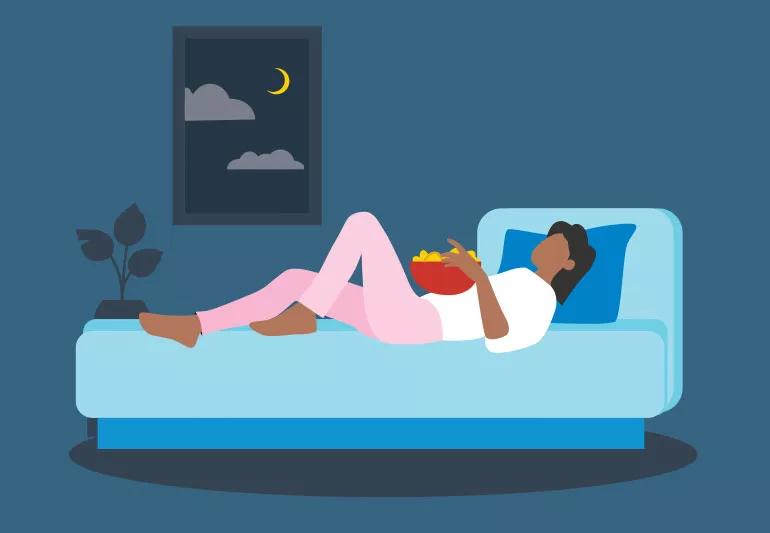
Eating too late can cause trouble falling asleep. Digestion uses energy that should help the body rest. Too much food before bed may lead to discomfort or indigestion. A well-timed meal helps toddlers sleep longer and more peacefully. Balanced meals support stable blood sugar levels during sleep.
Credit: health.clevelandclinic.org
Best Foods For Bedtime
Choosing the right foods before bedtime helps toddlers sleep better. The right snacks can calm their stomachs and prepare their bodies for rest. Some foods help the brain and body relax, making it easier for toddlers to fall asleep quickly.
Sleep-promoting Snacks
Foods rich in tryptophan help produce sleep hormones. Examples include turkey, chicken, and cheese. Bananas are a great choice too. They contain magnesium and potassium, which relax muscles. A small bowl of oatmeal can also help. It releases energy slowly and keeps hunger away. Plain yogurt with a little honey can soothe the tummy. These snacks are light and easy to digest. They support a calm and peaceful sleep.
Foods To Avoid
Avoid sugary snacks before bed. Candy, cookies, and sweet drinks can cause energy spikes. Spicy foods may upset your toddler’s stomach. Caffeine is a big no-no. It is found in chocolate and some sodas. Heavy meals can make it hard to fall asleep. Fried or greasy foods can cause discomfort. These foods often lead to restless nights. Stick to gentle, easy-to-digest snacks for better sleep.
Balancing Nutrition And Sleep
Finding the right balance between nutrition and sleep is key for toddlers. Eating too close to bedtime can cause discomfort or disturb sleep. Eating too early might leave your child hungry at night. The goal is to provide enough food without making your toddler restless. This balance supports healthy growth and good sleep habits.
Parents often ask about the best timing and amount of food before bed. Understanding portion sizes and nutrient timing helps create a peaceful bedtime routine. These factors affect your toddler’s energy and comfort during sleep.
Portion Sizes
Toddlers need small, balanced meals before bed. Large portions can cause tummy aches or indigestion. A snack should be enough to satisfy hunger without overfilling. Examples include a small banana, a few crackers, or a bit of yogurt. Watch your child’s cues to avoid overeating or hunger.
Nutrient Timing
Timing is important for digestion and sleep quality. Offer a light snack about 30 to 60 minutes before bedtime. Choose foods with protein and complex carbs for lasting energy. Avoid sugary or heavy foods that can cause restlessness. This timing helps toddlers fall asleep more easily and stay asleep longer.
Establishing A Bedtime Routine
Establishing a bedtime routine helps toddlers feel safe and ready for sleep. A steady routine signals the body to relax and prepare for rest. Eating at the right time fits well into this routine and supports good sleep habits.
Consistent Meal Schedule
Serve meals and snacks at the same times daily. This helps your toddler’s body expect food and digest it well before bed. Try to offer the last meal about one to two hours before sleep. This timing prevents discomfort and supports better rest.
Calm Pre-sleep Activities
After eating, engage your toddler in quiet, calm activities. Reading a book or listening to soft music works well. Avoid active play or screen time, as these can raise energy levels. Calm activities help your child wind down and get ready for sleep.
Signs Of Hunger Or Fullness
Understanding a toddler’s hunger and fullness signs is key to healthy meal timing. Toddlers cannot always express their needs clearly. Parents must watch their behavior and body language closely. This helps decide when to serve food before bedtime. Recognizing these signs prevents overfeeding or hunger during the night.
Recognizing Toddler Cues
Toddlers show hunger by fussing or reaching for food. They may rub their stomach or mouth. Some toddlers get cranky or restless when hungry. Fullness is shown by slowing down eating or turning away. They might push food away or close their mouth. Watching these clues helps understand their needs.
Adjusting Meal Times
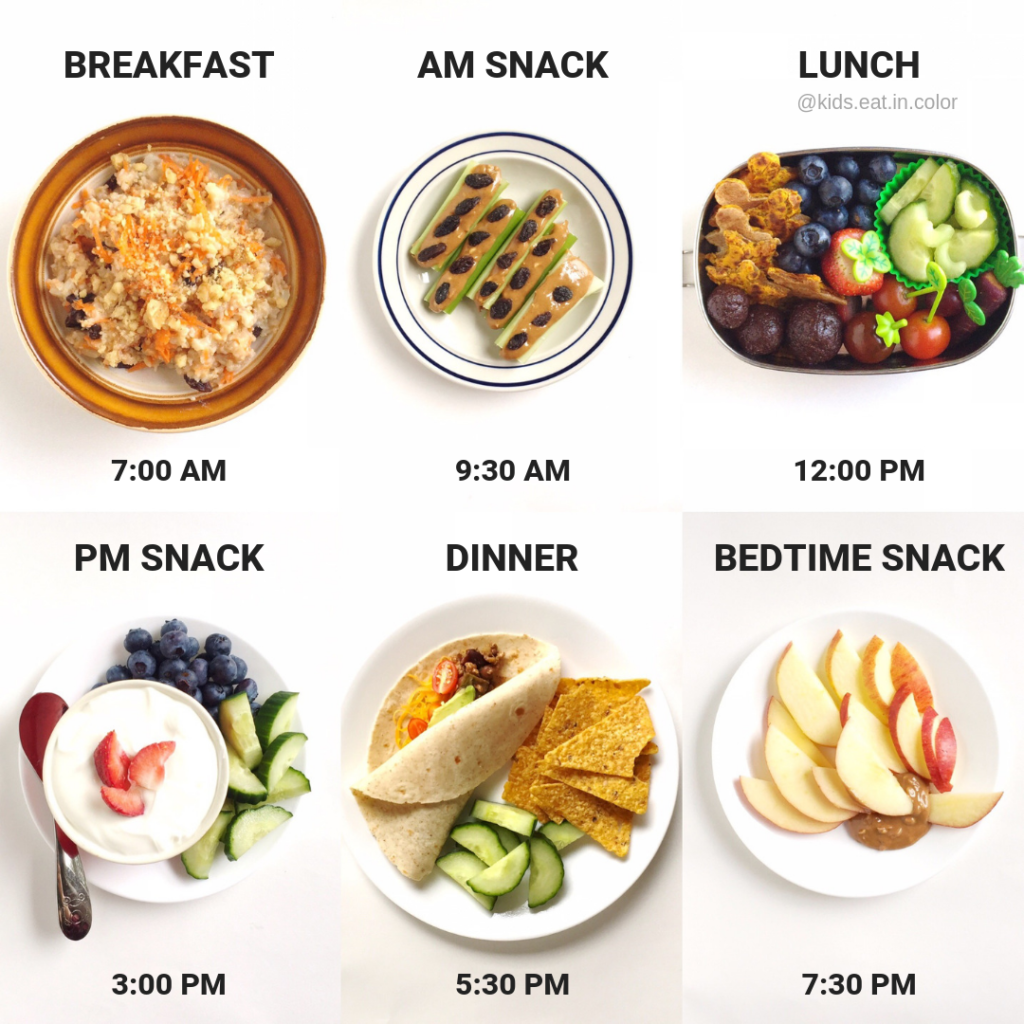
Meal times should match your toddler’s hunger signals. Offer food 1 to 2 hours before bedtime. If your child shows hunger earlier, serve a small snack. If they seem full, avoid feeding right before bed. This balance helps prevent discomfort and supports better sleep.
Credit: kidseatincolor.com
Expert Tips For Peaceful Sleep
Helping toddlers sleep well starts with good habits. Experts say a peaceful sleep comes from both what happens before bed and the sleep space itself. Simple changes can make a big difference. The right environment and routine support better rest. Here are key tips to help your toddler sleep calmly through the night.
Creating A Comfortable Sleep Environment
Keep the bedroom cool and quiet. A soft night light can help if your toddler fears the dark. Choose cozy bedding that feels soft on their skin. Remove toys or items that might cause distractions. A calm room helps toddlers relax and fall asleep faster. Consistency in the sleep space builds comfort and security.
Avoiding Sleep Disruptions
Feed your toddler at least one hour before bedtime. This prevents tummy troubles that wake them up. Avoid sugary snacks or drinks near bedtime. Limit screen time before sleep to reduce brain stimulation. Keep a regular bedtime routine to signal it’s time to rest. Quiet activities like reading a book can calm your toddler’s mind.
Frequently Asked Questions
How Long Before Bed Should A Toddler Eat?
Toddlers should eat their last meal 1 to 2 hours before bedtime. This helps digestion and prevents discomfort during sleep.
What Types Of Food Are Best Before Toddler’s Bedtime?
Choose light, easy-to-digest foods like yogurt, fruits, or whole-grain toast. Avoid sugary or heavy meals close to bedtime.
Can Eating Too Close To Bedtime Affect Toddler’s Sleep?
Yes, eating too close can cause indigestion and disrupt sleep. A gap of 1-2 hours supports better rest for toddlers.
Should Toddlers Have A Bedtime Snack?
A small, healthy snack can prevent hunger and promote sleep. Opt for protein or complex carbs like cheese or crackers.
Conclusion
Giving your toddler a snack about 30 minutes to an hour before bed works well. This helps avoid hunger and keeps their sleep comfortable. Choose light, healthy foods that are easy to digest. Avoid heavy or sugary meals close to bedtime.
A good routine supports better sleep habits and overall health. Remember, every child is different, so observe what suits your toddler best. Consistency and care make bedtime smoother for both of you.