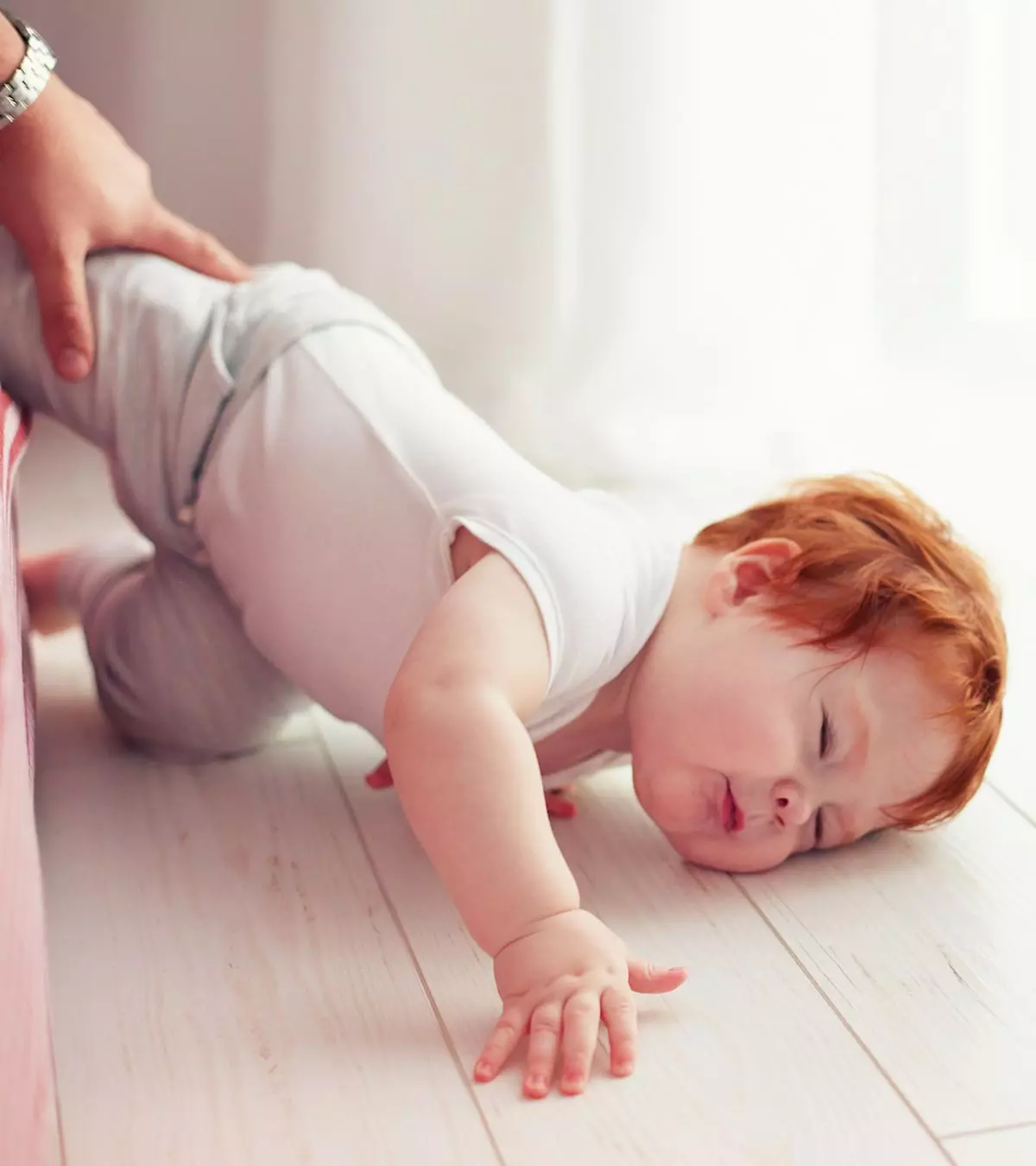
If your toddler just fell off the bed, your heart is probably racing right now. You might be feeling a mix of panic and confusion, wondering what to do next.
It’s natural to worry about bumps, bruises, or something more serious. But staying calm and knowing the right steps can make all the difference in keeping your child safe and comfortable. You’ll discover exactly what to do after your little one takes that unexpected tumble, so you can act quickly and confidently.
Keep reading to learn how to handle this scary moment with care and ease.
Credit: www.momjunction.com
Assess The Situation
After a toddler falls off the bed, the first thing to do is assess the situation calmly. This step helps you understand if the child needs urgent care or simple comfort. Acting quickly and carefully ensures your toddler’s safety and reduces worry.
Stay close to your child and observe their condition. Do not move them too much until you know the extent of any injuries. Watch their behavior and body for any signs that need immediate attention.
Check For Immediate Injuries
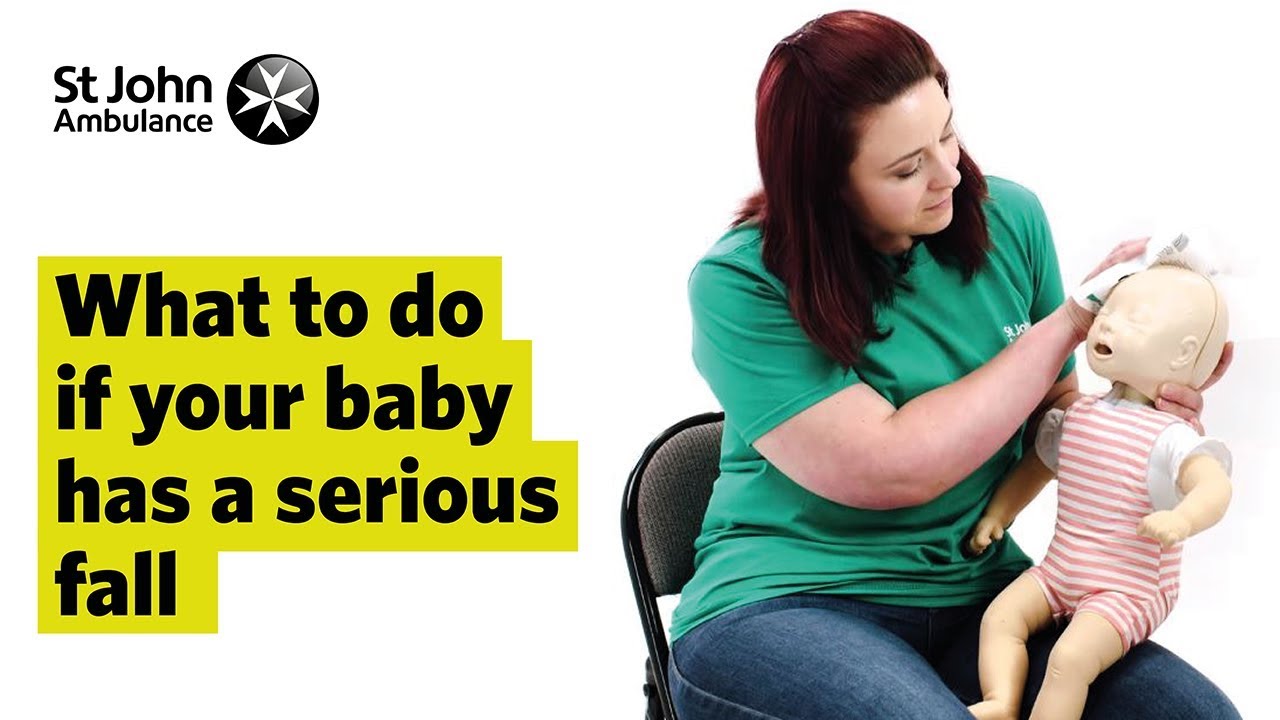
Look for cuts, bruises, or bleeding right away. Check the head for bumps or swelling. Notice if the child cries loudly or seems in pain. Gently touch the arms and legs to see if they react to pain. Avoid moving limbs if you see swelling or hear unusual sounds.
Look For Signs Of Serious Harm
Watch for vomiting or trouble breathing. Notice if the child is very sleepy or hard to wake. Check if they are confused or not responding. Look for any weakness or numbness in the body. Call emergency help if you see any of these signs.
Calm And Comfort Your Toddler
After a toddler falls off the bed, staying calm is very important. Your child feels scared and hurt. Your calmness helps them feel safe again. Comforting your toddler right away reduces their fear and pain.
Focus on gentle care. Your tone and actions show your child they are okay. This support helps them recover faster emotionally and physically.
Soothe With Gentle Reassurance
Speak softly and calmly to your toddler. Use simple words like “You are okay” and “I am here.” Hold their hand or give a gentle hug. Your touch and voice calm their nerves. Avoid loud sounds or rushing. Slow movements show you are in control.
Keep Your Toddler Still
After the fall, ask your toddler to stay still. Moving too much can cause more pain or injury. Sit with them or gently hold them to keep calm. Watch for signs of serious injury like swelling or bleeding. Staying still helps you check their condition clearly.
Perform A Quick First Aid Check
After your toddler falls off the bed, acting fast is key. Start with a quick first aid check. This helps you understand the injury’s seriousness. Calmly look for signs of pain or bleeding. Check if your child moves all body parts. Watch for unusual behavior or crying.
Control Any Bleeding
Check the fall area for cuts or open wounds. Use a clean cloth or bandage to stop bleeding. Press gently but firmly on the wound. Hold the pressure for several minutes. Avoid removing the cloth too soon. If bleeding continues or is heavy, seek medical help.
Manage Minor Cuts And Bruises
Clean small cuts with mild soap and water. Pat dry with a clean towel. Apply an antibiotic ointment to prevent infection. Cover the cut with a bandage. For bruises, use a cold pack wrapped in cloth. Apply it to reduce swelling and pain. Keep the cold pack on for 15 minutes. Repeat as needed, but avoid direct ice contact on skin.
Decide When To Seek Medical Help
Knowing when to seek medical help after a toddler falls off a bed is very important. Not every fall needs a doctor visit, but some signs require quick action. Parents must watch their child carefully and trust their instincts. Acting early can prevent serious problems.
Recognize Emergency Symptoms
Check if your child loses consciousness. Look for strong vomiting or repeated vomiting. Notice if the child has trouble breathing or is very sleepy. Watch for bleeding that won’t stop or deep cuts. See if the child cannot move an arm or leg. Look for strange behavior like confusion or constant crying. These symptoms need urgent medical help.
Contact A Healthcare Professional
Call your doctor if you see any worrying signs. Describe the fall and your child’s symptoms clearly. Ask for advice on what to do next. If the doctor is not available, go to the emergency room. Always keep your child calm and still during this time. Quick contact with a healthcare professional can save lives.
Prevent Future Falls
Preventing future falls is very important after a toddler falls off a bed. Taking steps to stop another fall keeps your child safe and gives you peace of mind. Simple changes can make a big difference in your toddler’s sleep area.
Use Bed Rails And Safety Guards
Bed rails and safety guards help keep toddlers from rolling off the bed. Choose rails that fit your bed well and are easy to install. Check that they are sturdy and high enough to block your child’s movements. Using these guards reduces the chance of falling during sleep or play on the bed.
Create A Safe Sleep Environment
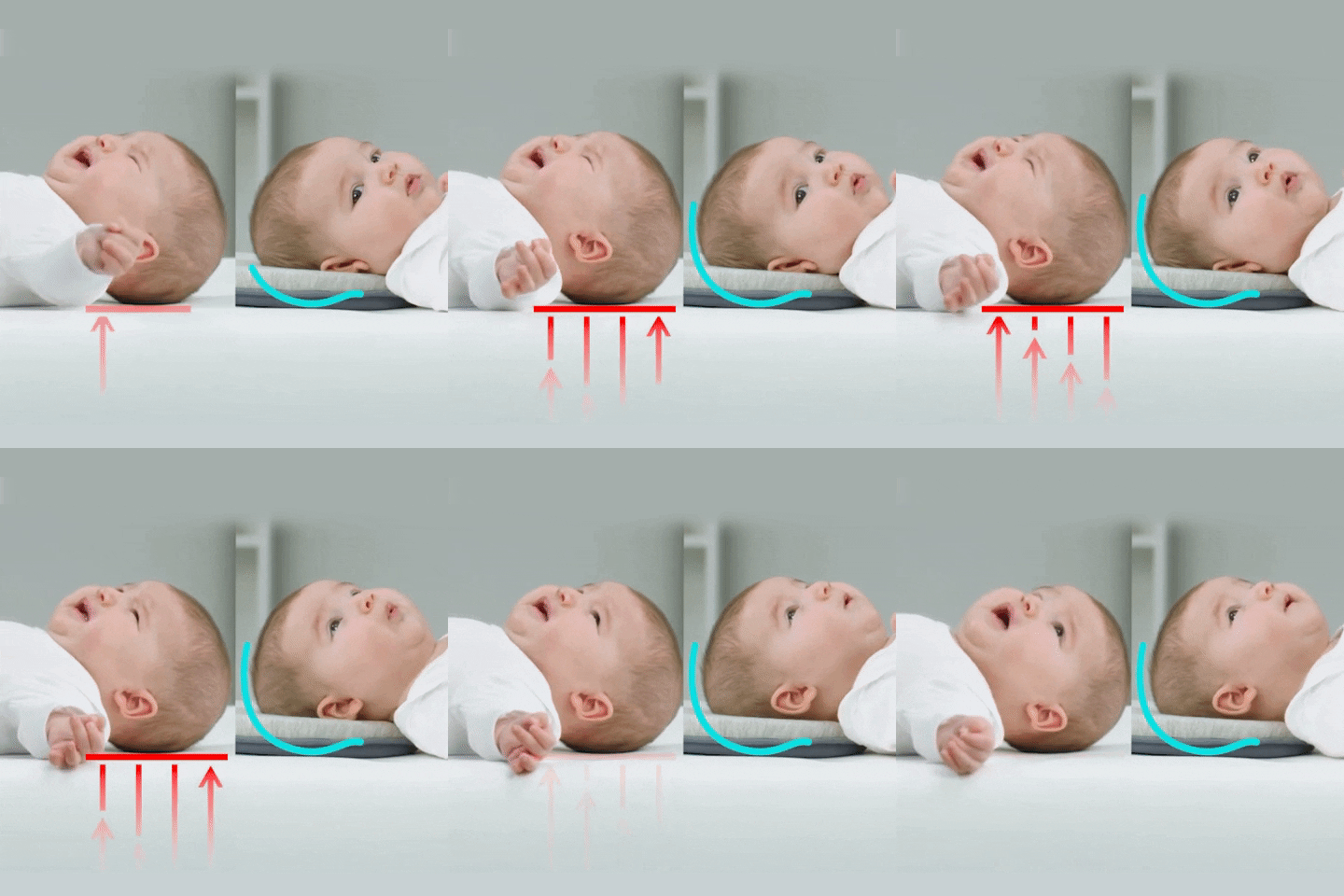
Make the sleep area safe by placing the bed away from sharp corners and hard objects. Use soft rugs or mats beside the bed to cushion any accidental falls. Keep toys and clutter off the floor to avoid trips. Lower the bed height if possible, so falls cause less harm. A safe environment helps protect your toddler through the night.
Credit: anytoyz.com
Monitor Your Toddler After The Fall
After your toddler falls off the bed, watching them closely is very important. Injuries might not show right away. Careful monitoring helps catch any problems early. Stay calm but alert. Your child needs your attention during this time.
Watch For Delayed Symptoms
Some symptoms appear hours after the fall. Look for headaches, vomiting, or dizziness. Changes in behavior like unusual sleepiness or irritability matter. Difficulty walking or using limbs is a warning sign. Keep checking your toddler every 30 minutes at first. Note any new or worsening signs.
Keep A Close Eye During Sleep
Sleep can hide symptoms of injury. Watch how your toddler breathes and moves. Avoid rough play or sudden waking. Check for unusual noises like snoring or gasping. Gently wake your child every few hours to ensure they respond. If you see anything odd, seek medical help fast.
Credit: www.youtube.com
Frequently Asked Questions
What Immediate Steps To Take After Toddler Falls Off Bed?
Check your toddler for visible injuries and bleeding right away. Comfort them and keep them still. If they seem unconscious or very drowsy, call emergency services immediately. Otherwise, monitor their behavior closely for any unusual signs.
When Should I Seek Medical Help For A Toddler Fall?
Seek medical help if your toddler loses consciousness, vomits repeatedly, or has seizures. Also, consult a doctor for persistent crying, difficulty walking, or visible bone deformities. When in doubt, it’s safer to get a professional evaluation.
How To Prevent Toddler Falls From Bed In The Future?
Use bed rails or place the mattress on the floor to reduce fall risk. Remove sharp objects around the bed area. Teach your toddler to stay still while sleeping and avoid climbing on furniture. Regular supervision is crucial.
Can I Give Pain Relief After Toddler Falls Off Bed?
You may give age-appropriate pain relievers like acetaminophen if your toddler shows mild discomfort. Avoid aspirin due to risk of Reye’s syndrome. Always follow dosage instructions and consult your pediatrician if unsure.
Conclusion
A toddler falling off the bed can be scary. Stay calm and check for any injuries. Watch your child closely for the next few hours. Call a doctor if you notice unusual behavior or pain. Keep the sleeping area safe to prevent future falls.
Taking these steps helps protect your child’s health and safety. Always trust your instincts and seek help when needed. Your quick action makes a big difference.