Wondering when is the right time to move your little one from a crib to a toddler bed? You’re not alone.
This transition can feel tricky, and you want to make sure it happens at just the right moment for your child’s safety and comfort. Choosing the perfect age to switch can help your baby feel secure and make bedtime easier for everyone.
Keep reading, and you’ll discover the key signs to look for and expert tips to make this big step smooth and stress-free for your family.
Signs Baby Is Ready
Watching your baby grow is exciting. Each stage brings new changes. Knowing when to switch from a crib to a toddler bed is important. Babies show clear signs when they are ready for this step. Noticing these signs helps keep your child safe and comfortable during sleep.
Climbing Out Of Crib
One of the first signs is climbing out of the crib. Babies try to escape the crib when they feel cramped. This behavior can be dangerous. It means your baby needs more freedom to move safely at night. A toddler bed lowers the risk of falls from climbing.
Showing Interest In Toddler Bed
Babies sometimes show curiosity about a toddler bed. They may ask to sleep in a “big kid” bed. This interest shows readiness for change. It also helps them feel excited about bedtime. Encouraging this interest can make the transition smoother.
Physical Growth Indicators
Physical growth plays a role in readiness. When a baby outgrows the crib’s size or weight limit, it’s time to change. Taller or heavier babies need more space to sleep safely. Check the crib’s guidelines for weight and height limits. These limits guide you on when to switch beds.
Ideal Age Range
Choosing the right time to move your baby to a toddler bed is important. The ideal age range helps parents plan this change smoothly. It depends on many factors, including safety, comfort, and the child’s readiness.
Understanding the ideal age range makes the transition easier for both you and your child. It helps avoid stress and ensures your child feels secure in the new bed.
Typical Transition Ages
Most children move to a toddler bed between 18 months and 3 years old. This is the common age range for many families. Some kids may switch earlier, especially if they start climbing out of their crib. Others might stay in the crib a little longer if they feel safe there.
Parents often notice signs that show their child is ready. These signs include wanting more freedom, showing interest in a bigger bed, or physical growth that makes the crib too small.
Variations By Child Development
Every child grows at their own pace. Some toddlers develop motor skills faster and may want to climb out of the crib sooner. Others might feel nervous about new sleeping arrangements and take more time.
Emotional readiness is also important. A child who feels secure is more likely to adapt well to a toddler bed. Watch your child’s behavior and comfort level closely to decide the best time.
Parents should also consider naps and nighttime routines. Consistency helps children adjust to the new bed without too much fuss.
Choosing The Right Bed
Choosing the right toddler bed is important for your child’s comfort and safety. The bed should fit your child’s needs and the space you have. It should also help your child feel secure and happy during sleep time.
Many parents wonder which bed style suits their toddler best. Understanding the options can make the choice easier. Safety is also a key factor in picking the right bed.
Types Of Toddler Beds
Toddler beds come in many styles. Some are small versions of regular beds. Others have fun themes like cars or animals.
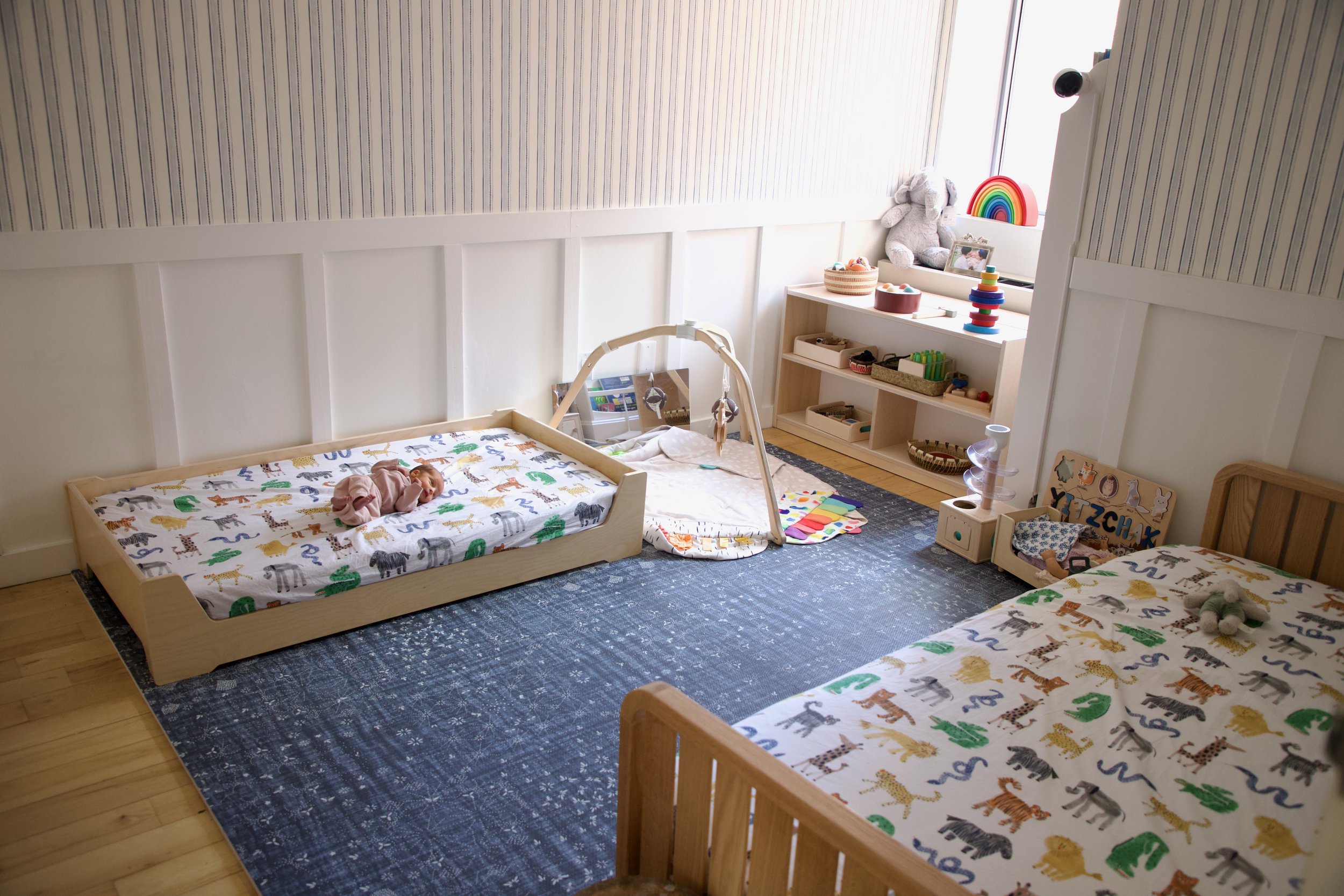
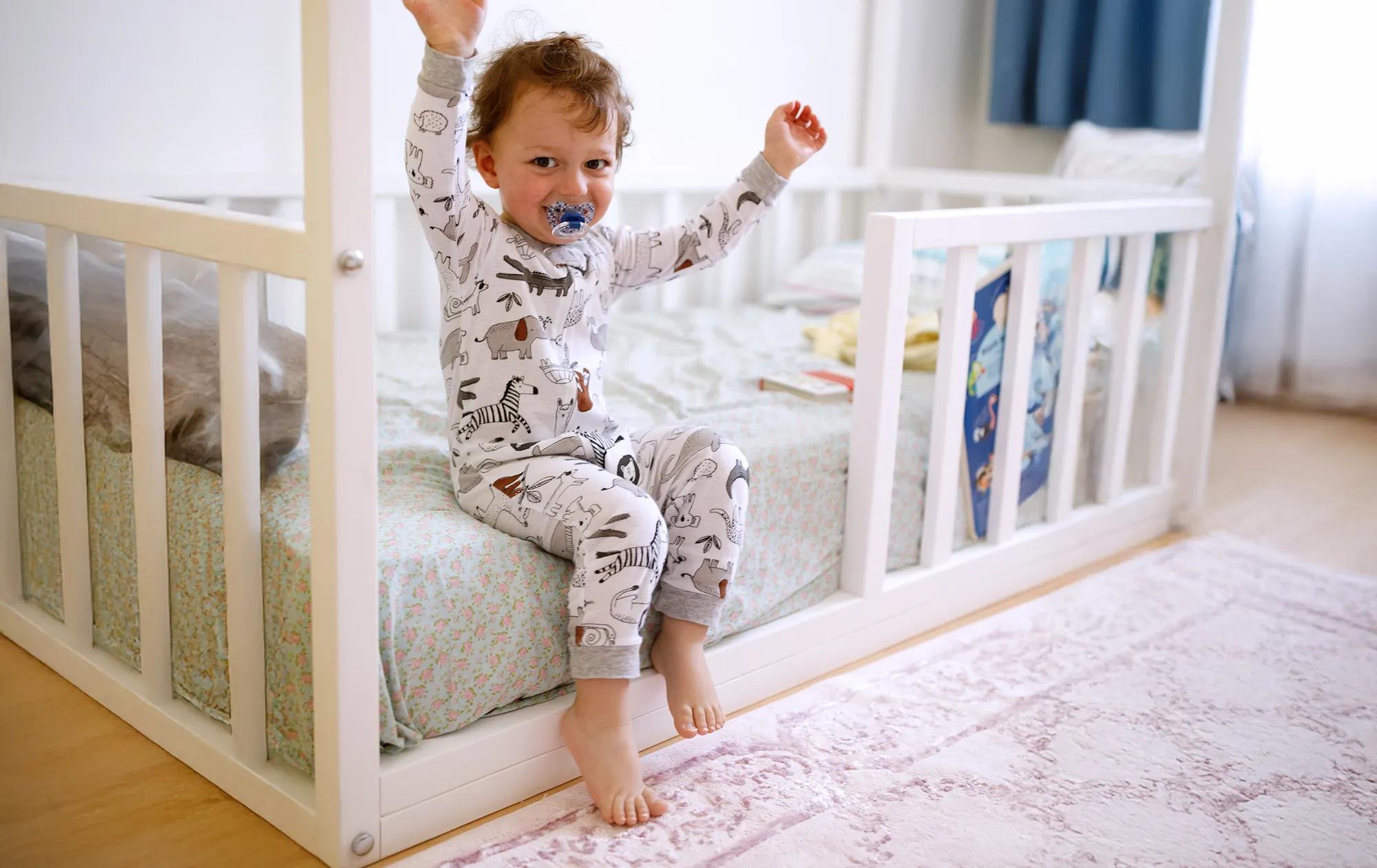
Convertible beds change from crib to toddler bed. They save money and last longer. Low-to-the-ground beds help toddlers get in and out safely. Some beds have side rails to prevent falls.
Safety Features To Look For
Safety is the top priority for toddler beds. Look for sturdy frames that do not wobble. Smooth edges prevent cuts or scrapes. Side rails help keep your child from rolling off.
Check that the mattress fits snugly without gaps. Avoid beds with sharp corners or loose parts. Non-toxic paint and materials protect your child’s health. Make sure the bed meets safety standards for children’s furniture.
Credit: www.homeandontheway.com
Preparing The Room
Preparing the room for a toddler bed is an important step. It helps your child feel safe and comfortable. A well-prepared space makes the transition smooth. Focus on creating a cozy and secure area. This will encourage better sleep habits and independence.
Creating A Comfortable Sleep Space
Choose soft bedding that fits the toddler bed size. Use breathable sheets and a light blanket for comfort. Keep the room temperature cool but cozy. Add a nightlight to ease any fear of the dark. Make sure the bed is low to the ground. This helps your child get in and out easily.
Childproofing The Environment
Remove sharp or hard objects near the bed. Secure furniture to the walls to prevent tipping. Cover electrical outlets with safety plugs. Keep cords and small items out of reach. Use corner guards on sharp edges. Check windows and doors for safety locks. These steps protect your child from accidents.
Making The Transition Smooth
Changing your baby’s bed to a toddler bed is a big step. It can feel tricky for both of you. Making this change smooth helps your child feel safe and calm. A gentle routine and kind words make a big difference.
Focus on comfort and consistency. This helps your toddler adjust without stress. Small steps and patience bring success.
Establishing A Consistent Bedtime Routine
Set a bedtime routine that stays the same each night. This helps your child know what to expect. Bath time, reading a book, and quiet time work well. Finish the routine before putting your child in the toddler bed. A steady routine builds trust and calmness.
Keep the room cozy and dim. Avoid bright lights or loud sounds. This creates a peaceful space for sleep. Over time, your toddler will feel ready for bed each night.
Using Positive Reinforcement
Praise your child when they stay in their toddler bed. Simple words like “Good job” or “I’m proud of you” encourage them. Small rewards, such as a sticker or extra story, can help too. Positive support boosts confidence and makes the change fun.
Avoid punishment or harsh words if your child leaves the bed. Instead, gently guide them back. Celebrate each small success to build good habits. Kindness and patience help your toddler feel secure and happy in their new bed.
Credit: health.clevelandclinic.org
Handling Common Challenges
Moving your baby to a toddler bed brings many changes. It can be exciting but also challenging. Some children face fears or resist the new bed. Parents need patience and simple strategies. Handling these common challenges helps your child feel safe and comfortable. This makes bedtime easier for everyone.
Dealing With Nighttime Fears
Nighttime fears are common after switching beds. Dark rooms and new surroundings can seem scary. Use a nightlight to keep the room soft and bright. Read calm stories to soothe your child before sleep. Reassure them often that they are safe. Stay nearby until they feel relaxed. Avoid rushing or showing your own anxiety.
Managing Resistance To Change
Some toddlers resist leaving their crib. They may want to stay in their old space. Let your child touch and explore the new bed during the day. Praise small steps toward using the toddler bed. Keep a consistent bedtime routine to create comfort. Avoid forcing your child into the bed. Gentle encouragement helps them adapt at their own pace.
When To Seek Expert Advice
Deciding when to move your baby to a toddler bed can be tricky. Some children adjust easily, while others struggle. Watching your child closely helps you know the right time. Certain signs mean it’s smart to ask a doctor or sleep expert for advice. These signs may affect your child’s sleep and safety.
Sleep Regression Signs
Sleep regression means your child suddenly sleeps worse than before. It can last weeks or months. Your toddler might wake up crying often or refuse naps. Nightmares or trouble falling asleep are common. If these problems last longer than two weeks, talk to a pediatrician. A sleep expert can suggest ways to help your child rest better.
Behavioral Concerns
Some behaviors need expert attention before moving to a toddler bed. If your child shows frequent anxiety or fear about bedtime, this matters. Frequent tantrums or aggressive behavior at night may signal stress. Children who climb out of cribs dangerously also need advice. Experts can guide you on safety and how to ease fears.

Credit: www.whattoexpect.com
Frequently Asked Questions
At What Age Should Baby Switch To A Toddler Bed?
Most babies transition to a toddler bed between 18 months and 3 years. This depends on their development and readiness.
How To Know If Baby Is Ready For Toddler Bed?
Signs include climbing out of the crib, showing interest in a big bed, and following simple instructions safely.
Is It Safe To Put Baby In Toddler Bed Too Early?
Putting a baby in a toddler bed too soon may risk falls or poor sleep habits. Wait for readiness signs.
What Are Benefits Of Toddler Bed Over Crib?
Toddler beds offer more freedom, encourage independence, and reduce the risk of injury from climbing out of the crib.
Conclusion
Choosing the right age to move your baby to a toddler bed depends on many things. Most children switch between 18 months and 3 years old. Watch your child’s behavior and safety needs. Some may be ready earlier; others might take more time.
Keep the transition smooth and gentle. A toddler bed offers more freedom and comfort. It helps your child feel grown-up and secure. Trust your instincts and your child’s cues. This change marks a new step in their growth and independence.