Are you looking to add a stylish and functional piece to your space? Making a horizontal bookshelf can be the perfect project for you.
It’s simple, practical, and a great way to showcase your favorite books and decor. Imagine having a custom shelf that fits your style and needs perfectly. In this guide, you’ll discover easy steps to build your own horizontal bookshelf, even if you’ve never done a project like this before.
Keep reading, and by the end, you’ll have the skills and confidence to create a shelf that transforms your room.
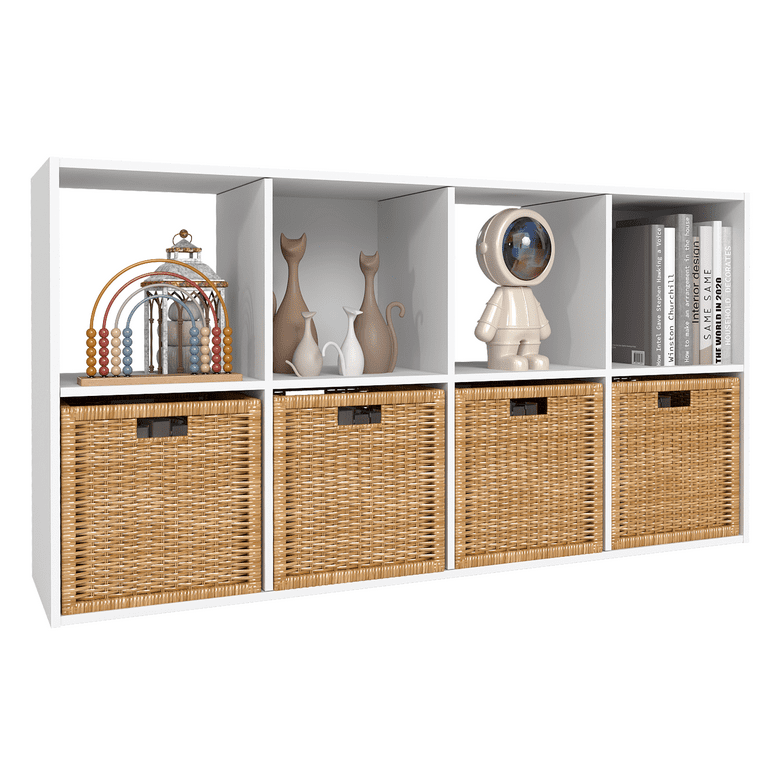
Credit: www.walmart.com
Choosing The Right Materials
Choosing the right materials is key to building a strong horizontal bookshelf. The materials affect the shelf’s look, strength, and durability. Selecting good wood and tools makes the process easier and the final product better. Focus on wood types, essential tools, and extra supplies for the best results.
Types Of Wood
Choose wood based on strength and appearance. Pine is soft, easy to cut, and affordable. Oak is hard, durable, and has a nice grain. Birch offers a smooth finish and is strong. Plywood is a budget-friendly option and comes in large sheets. Avoid wood that bends or breaks easily.
Tools You Need
Basic tools help you cut and join wood properly. A saw is needed to cut wood to size. A drill makes holes for screws or bolts. Sandpaper smooths rough edges and surfaces. A measuring tape ensures accurate cuts. A level helps keep shelves straight. Screwdrivers are useful for tightening screws.
Additional Supplies
Extra supplies improve shelf stability and look. Wood glue strengthens joints between pieces. Screws hold parts firmly together. Wood filler covers holes or cracks. Paint or stain protects wood and adds color. Brackets support the shelf and keep it secure. Safety gear like gloves and goggles protect you during work.

Credit: www.youtube.com
Planning Your Bookshelf
Planning your horizontal bookshelf is the first step to a successful build. Careful planning saves time and avoids mistakes. It helps you create a shelf that fits your space and holds your books well. Start by thinking about where you want the shelf and what you want to store.
Measuring Space
Measure the wall or area where the shelf will go. Note the width, height, and depth available. Check for obstacles like windows, doors, or light switches. Write down your measurements clearly. Accurate measurements ensure the shelf fits perfectly.
Design And Dimensions
Choose a design that matches your room style and needs. Decide the length and height of the shelf based on your space. Consider making the shelf longer if you have many books. Keep the depth enough to hold standard books without wasting space. Simple designs are easier to build and look neat.
Weight Capacity Considerations
Think about how many books or items you will place on the shelf. Books can be heavy. Plan for strong materials like solid wood or thick plywood. Use sturdy brackets or supports to hold the weight. Overloading a shelf can cause it to sag or fall. Safety first.
Cutting And Preparing Wood
Cutting and preparing wood is a key step in making a horizontal bookshelf. It ensures the pieces fit well and the shelf looks neat. Taking time to measure, cut, and sand wood properly helps create a sturdy and attractive bookshelf.
Marking Measurements
Start by measuring the wood carefully. Use a tape measure to get exact lengths for each shelf piece. Mark the cutting lines with a pencil. Double-check the marks to avoid mistakes. Clear and precise markings guide your cuts well.
Safe Cutting Techniques
Use a saw suited for your wood type and thickness. Hold the wood firmly on a stable surface. Cut slowly along the marked lines. Wear safety glasses to protect your eyes. Keep fingers away from the blade at all times. Take breaks if needed to stay focused.
Sanding For Smooth Finish
After cutting, sand all edges and surfaces. Use medium-grit sandpaper first to remove rough spots. Then switch to fine-grit for a smooth finish. Sand in the direction of the wood grain. This step prevents splinters and makes the shelf look polished.
Assembling The Frame
Assembling the frame is the first major step in building a horizontal bookshelf. A strong frame supports the whole structure. It keeps the shelves level and secure. Follow these steps carefully to build a solid base for your bookshelf.
Joining Side Panels
Start by placing the side panels upright and parallel. Use wood glue along the edges where the panels will connect. Insert screws or nails to hold the panels firmly. Check that the panels form a perfect rectangle. Use clamps to keep the panels tight while the glue dries.
Securing Shelves
Position the shelves evenly between the side panels. Mark the spots for screws on both sides of each shelf. Drill pilot holes to avoid splitting the wood. Attach the shelves with screws or brackets for extra support. Make sure each shelf sits flat and level.
Checking For Stability
After assembly, press the frame gently from different sides. Look for any wobbling or loose joints. Tighten screws or add more glue if needed. Place the frame on a flat surface to confirm balance. A stable frame ensures your bookshelf will last long and hold weight well.
Finishing Touches
After building your horizontal bookshelf, finishing touches make it look complete and last longer. These steps protect the wood and help your shelf fit your room’s style. Focus on painting or staining, adding a protective coating, and attaching wall mounts. Each step improves your shelf’s look and safety.
Painting Or Staining
Choose paint or stain to change the shelf’s color. Paint offers many colors and hides wood marks. Stain shows the wood’s natural grain and adds warmth. Apply thin, even coats with a brush or cloth. Let each coat dry fully before adding the next.
Adding Protective Coating
Protective coating keeps your shelf safe from scratches and water. Use clear polyurethane or varnish for a hard finish. Apply two or three coats for best protection. Lightly sand between coats for smoothness. This step helps the shelf last longer and stay beautiful.
Attaching Wall Mounts
Secure your shelf to the wall to prevent tipping. Use strong brackets or mounting strips. Find wall studs to hold heavy weight safely. Mark holes carefully and drill pilot holes. Attach mounts firmly with screws. Check that the shelf is level before finishing.
Styling Your Bookshelf
Styling your horizontal bookshelf makes it more than just storage. It turns your shelf into a part of your room’s decor. A well-styled shelf can show your personality and keep things neat.
Focus on arranging books and adding small decorations. This balance keeps the shelf interesting and useful. Styling also helps you enjoy your books and space more.
Organizing Books
Place books by size or color for a clean look. Group similar genres or topics together. Keep frequently read books easy to reach. Use bookends to hold books upright and tidy.
Decorative Accents
Add small plants or candles to bring life to the shelf. Use photo frames or art pieces for a personal touch. Mix decorations with books for variety. Avoid overcrowding to keep it simple and neat.
Maintaining Your Shelf
Clean dust from books and shelf regularly. Check for damaged books and remove them. Rearrange items often to keep the shelf fresh. Keep the shelf sturdy and secure on the wall.

Credit: www.amazon.com
Frequently Asked Questions
What Materials Are Needed For A Horizontal Bookshelf?
You need wood planks, screws, a drill, measuring tape, sandpaper, and paint or stain. These materials ensure sturdy construction and a smooth finish for your bookshelf.
How Do I Measure Space For A Horizontal Bookshelf?
Measure the wall length and height where you want the shelf. Consider the size of your books and available space for proper fit and balance.
Can I Build A Horizontal Bookshelf Without Professional Tools?
Yes, basic tools like a hand saw, screwdriver, and hammer work. Precision tools help but are not mandatory for simple bookshelf projects.
How Do I Secure A Horizontal Bookshelf To The Wall?
Use wall anchors or studs with screws to ensure stability. Proper anchoring prevents the shelf from tipping or falling, especially when loaded with books.
Conclusion
Building a horizontal bookshelf can be simple and fun. You only need a few tools and materials. Follow each step carefully to make sure it is strong and neat. Personalize your shelf with paint or decorations. A handmade shelf adds charm to any room.
Enjoy organizing your books and items on it. Keep practicing to improve your skills. This project helps you create useful furniture at home. Give it a try and see the great results yourself.