Are you ready to create a fun and functional space for your kids? Assembling a bunk bed with stairs might seem tricky, but with the right steps, you can do it smoothly and safely.
This guide is designed to help you put together your new bunk bed without stress or confusion. By the end, you’ll have a sturdy bed that saves space and adds style to your room. Keep reading, and you’ll discover easy tips and clear instructions that make the whole process simple and even enjoyable.
Your kids will love their new bed, and you’ll feel proud of the work you’ve done.

Credit: www.amazon.com
Tools And Materials Needed
Gathering the right tools and materials is the first step in building a bunk bed with stairs. Having everything ready makes the process smooth and faster. It helps avoid interruptions and frustration during assembly.
Each tool and material has a specific role. Using the correct ones ensures safety and stability of the bunk bed. Below are the essentials needed for this project.
Wooden Components
High-quality wood pieces form the frame and stairs. Common types include pine or oak for strength and durability. Make sure all parts are smooth and free of cracks.
Fasteners And Hardware
Screws, bolts, and brackets hold the bed together. Choose the sizes that match your bed design. Using strong hardware keeps the bunk bed safe and sturdy.
Power Drill And Screwdriver
A power drill speeds up the screwing process. A screwdriver helps with tight spots and final adjustments. Both tools are essential for secure assembly.
Measuring Tape And Level
Measuring tape ensures accurate dimensions. A level checks that the bed is even and balanced. These tools prevent mistakes and uneven assembly.
Safety Gear
Wear gloves and safety glasses to protect hands and eyes. Safety gear is important during cutting and drilling. It keeps you safe throughout the project.
Credit: decor4kidsstore.com
Preparing Your Workspace
Preparing your workspace is a key step before assembling a bunk bed with stairs. A clean and organized area makes the process easier and safer. It helps you find tools and parts quickly. It also reduces the risk of mistakes or accidents.
Set up a space with enough room to move around. Make sure the floor is flat and clear of clutter. Good lighting is important to see all parts and instructions clearly. Take your time to prepare well. This saves time and effort during assembly.
Clearing The Area
Remove all furniture and objects near the assembly spot. This prevents tripping and gives you space for large pieces. Sweep or vacuum the floor to remove dust and debris. A clean floor protects parts from damage and keeps screws from getting lost.
Gathering Tools And Materials
Collect all tools needed for the job before starting. Common tools include a screwdriver, hammer, and wrench. Keep the bunk bed parts and hardware close by. Check the instruction manual to confirm what tools you need. Having everything ready saves time and frustration.
Creating A Safe Environment
Ensure good lighting to avoid mistakes and eye strain. Use gloves to protect your hands from splinters or sharp edges. If children or pets are nearby, keep them away from the workspace. Clear space reduces the chance of accidents or injuries.
Unpacking And Checking Parts
Starting your bunk bed project means first unpacking all parts carefully. This step helps avoid missing pieces and confusion later. Organize everything on a clean floor or table. It makes the next steps easier and faster.
Checking each part before assembly saves time. Look for damage or defects that could affect safety. Make sure all screws, bolts, and boards match the instruction list. This step is important for a smooth build.
Unpacking The Box
Open the box gently to avoid damaging parts. Remove packaging material slowly. Lay out all wood pieces, metal parts, and hardware. Keep small parts in a container or bowl to avoid losing them. Use the instruction manual as a guide to identify each piece.
Checking The Parts List
Find the parts list in your manual. Check off each item as you find it. Confirm the number of screws, bolts, and washers. Make sure stair components and safety rails are included. This prevents missing parts during assembly.
Inspecting For Damage
Look closely at each piece for cracks or dents. Check wood surfaces for splinters or warping. Inspect metal parts for bends or rust. Ensure hardware is not stripped or broken. Replace damaged parts before starting assembly.
Assembling The Bed Frame
Assembling the bed frame is the first step in creating a sturdy bunk bed with stairs. A well-built frame ensures safety and comfort for both bunks. Start by organizing all parts and tools. Check the instruction manual carefully before beginning. Follow each step slowly and double-check your work. This process involves building the bottom bunk and then the top bunk. Each part must fit tightly and securely. Take your time for a solid frame.
Building The Bottom Bunk
Begin with the bottom bunk frame. Lay out the side rails, headboard, and footboard. Attach the side rails to the headboard using screws or bolts. Use a screwdriver or drill to tighten all connections. Make sure the frame is square by measuring the diagonals. Attach the slats or platform for mattress support. These should fit evenly and hold weight firmly. Double-check all screws are tight. The bottom bunk must be stable before moving on.
Constructing The Top Bunk
Next, build the top bunk frame. This frame is similar to the bottom but may include guardrails. Attach side rails to the headboard and footboard securely. Install the guardrails on the longer sides for safety. Add mattress slats or platform carefully. Ensure all parts fit tight without gaps. Use a level to check the frame is even. Securely tighten all screws and bolts. The top bunk must be strong to hold weight safely.
Installing The Staircase
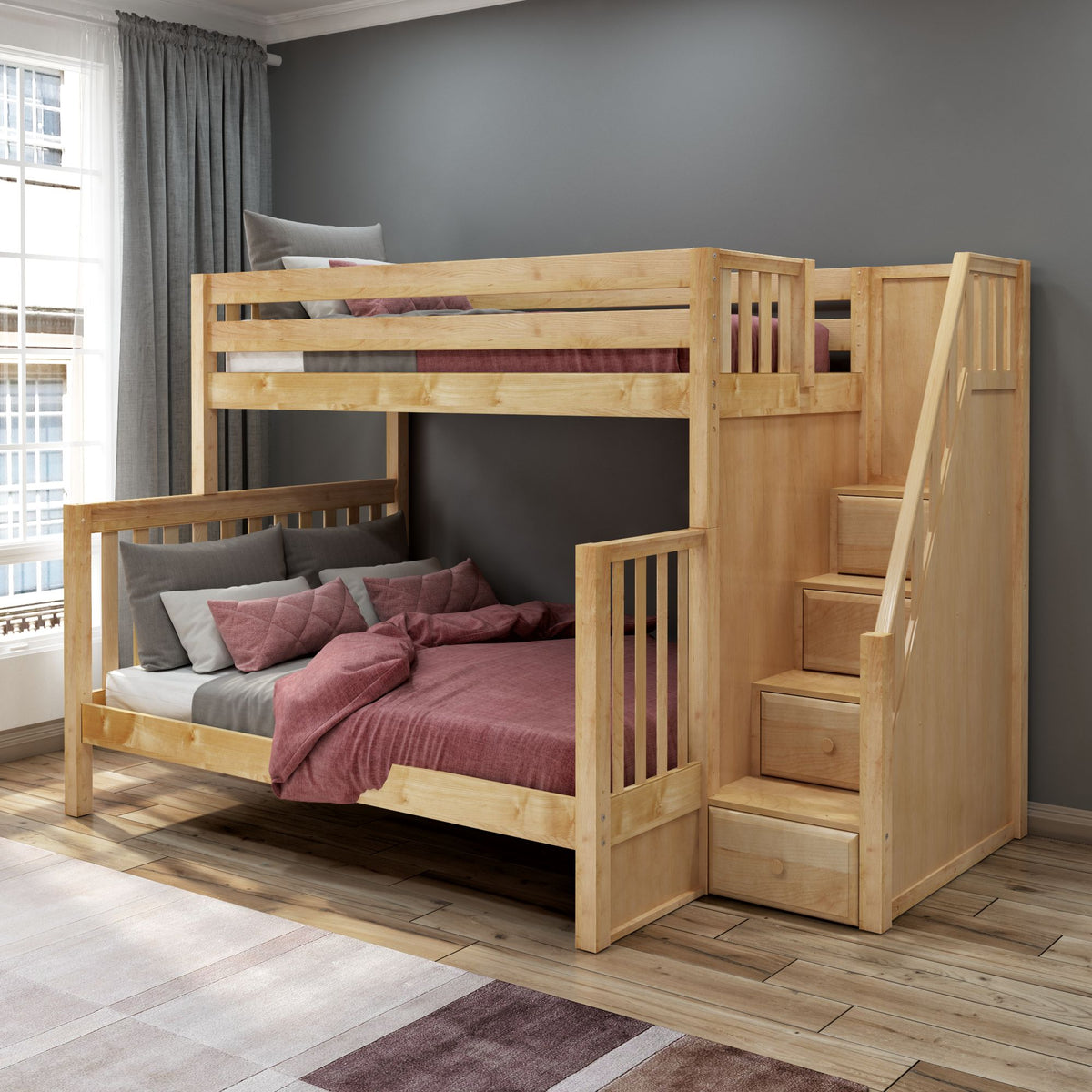
Installing the staircase is a key part of assembling a bunk bed with stairs. It provides safe and easy access to the top bunk. This step needs care and attention for a sturdy result. Follow simple instructions to fix the staircase securely.
Attaching Stair Steps
Start by placing each stair step in its correct position on the frame. Use screws to fix the steps firmly. Check that the steps are level and even. Tighten the screws but avoid over-tightening to prevent wood damage. Repeat for all steps to create a solid staircase.
Securing Handrails
Handrails add safety and stability to the staircase. Align the handrails with the staircase frame. Use brackets and screws to attach the rails tightly. Make sure the handrails are straight and easy to grip. Test the rails by gently pulling to ensure they stay in place. Secure handrails protect children and adults alike.
Adding Safety Features
Adding safety features to your bunk bed with stairs is very important. These features protect children from falls and injuries. Taking time to add safety parts makes the bed more secure and gives peace of mind.
Installing Guardrails
Guardrails prevent children from falling off the top bunk. Attach them firmly along both sides of the top bed. Use all screws and bolts provided in the kit. Check that the rails cover the full length of the bed. Make sure there are no gaps larger than three inches. This keeps small children safe.
Checking Stability
Stability means the bed does not wobble or shake. Test the bed by gently pushing on each side. Tighten all screws and bolts if you feel any movement. Check the stairs are firmly attached and do not shift. Place the bed on a flat surface for best stability. A sturdy bed reduces the risk of accidents.
Final Adjustments And Inspection
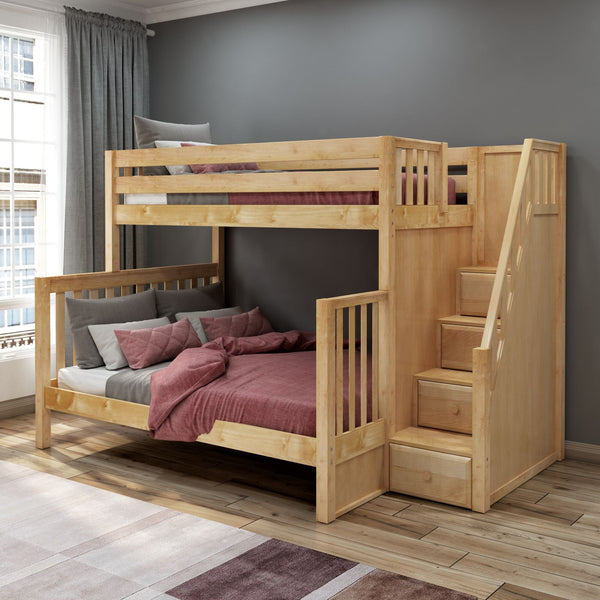
Final adjustments and inspection are key steps in assembling a bunk bed with stairs. They ensure the bed is safe and stable for use. Skipping these steps can lead to problems later on.
Take time to check every part of the bed. Make sure all screws and bolts are tight. Loose parts can cause the bed to wobble or even fall.
Check Stability And Tighten Hardware
Test the bed’s stability by gently shaking it. If it moves or feels loose, find the weak spots. Use a screwdriver or wrench to tighten all screws and bolts. Do not force parts but make sure they are secure.
Inspect The Stairs For Safety
Look closely at the stairs. Check that each step is firmly attached. Steps should not wobble or creak. Ensure the handrails are steady and easy to grip. These parts keep users safe when climbing.
Verify Mattress And Guardrails Fit
Place the mattress on the bed frame. It should fit snugly without gaps. Gaps can cause slipping or falling. Check guardrails for proper height and attachment. Guardrails protect from falling during sleep.
Final Clean-up And Area Check
Remove all tools and packaging materials from around the bed. Clear the floor of any nails or screws. A clean area reduces the risk of injury. Look around to ensure the bed has enough space for safe use.
Credit: www.maxtrixkids.com
Frequently Asked Questions
How Long Does It Take To Assemble A Bunk Bed With Stairs?
Assembling a bunk bed with stairs usually takes 2 to 4 hours. The time depends on your skill level and tools available. Reading the instructions carefully speeds up the process. Working with a partner also makes assembly faster and safer.
What Tools Are Needed To Assemble A Bunk Bed With Stairs?
You typically need a screwdriver, Allen wrench, hammer, and possibly a drill. Check the instruction manual for specific tools required. Having all tools ready before starting ensures smooth and efficient assembly. Using the right tools prevents damage to the bed parts.
Are Bunk Beds With Stairs Safer Than Ladder Models?
Yes, bunk beds with stairs are generally safer. Stairs provide better stability and support for children climbing up and down. They reduce the risk of falls compared to ladders. Some stairs even have built-in storage for added convenience and safety.
Can I Assemble A Bunk Bed With Stairs Alone?
It is possible but not recommended to assemble alone. A partner helps hold parts steady and ensures proper alignment. Working alone may increase assembly time and risk of errors. For safety and efficiency, ask someone to assist during assembly.
Conclusion
Assembling a bunk bed with stairs can be simple and safe. Follow each step with care and patience. Double-check all screws and parts before finishing. Take your time to avoid mistakes and keep kids safe. A sturdy bunk bed saves space and adds fun.
Enjoy your new bed and a tidy room. Keep instructions handy for future adjustments. This project is rewarding and useful for any home.