Are your books scattered everywhere, making it hard to find your favorite read? You’re not alone.
Putting books in a bookshelf might seem simple, but doing it the right way can save you time, keep your space tidy, and even make your collection look amazing. Imagine opening your bookshelf and instantly spotting the book you want without any hassle.
You’ll discover easy tips and smart tricks to organize your books perfectly. Ready to transform your clutter into a neat, stylish display? Let’s dive in and make your bookshelf work for you.
Choosing The Right Bookshelf
Choosing the right bookshelf is key to organizing your books neatly. The right shelf fits your space and style. It also holds your books safely. This section helps you pick the best bookshelf for your needs.
Material And Style Options
Bookshelves come in many materials. Wood shelves give a warm, classic look. Metal shelves offer a modern, industrial feel. Plastic shelves are light and easy to move. Choose a material that matches your room’s style. Simple designs work well in most spaces. Fancy or carved shelves suit traditional rooms.
Size And Capacity Considerations
Measure your space before buying a shelf. Think about how many books you want to store. Tall shelves hold many books but need more wall space. Short shelves fit small rooms but hold fewer books. Adjustable shelves let you change heights. This is good for books of different sizes.
Placement In Your Space
Place your bookshelf where it is easy to reach. Avoid spots that get direct sunlight. Sunlight can damage book covers and pages. Corners are great for saving space. Keep some room around the shelf for air circulation. This helps keep your books fresh and clean.
Sorting Your Books
Sorting your books is the first step to a tidy bookshelf. It helps you find books quickly and keeps your space neat. There are different ways to sort books. Choose the method that suits your reading habits.
Categorizing By Genre Or Subject
Group books by their genre or subject. Fiction, history, science, and travel can each have their own space. This makes it easy to pick a book that fits your mood. It also helps keep similar books together.
Alphabetical And Author-based Sorting
Sort books by the author’s last name or by title. This works well for large collections. It gives a clear order and helps find specific books fast. Use this method if you remember authors more than genres.
Prioritizing Frequently Used Books
Place books you read often in easy-to-reach spots. Keep less-used books higher or lower on the shelf. This saves time and makes your favorite books more visible. Adjust the layout as your reading habits change.
Arranging Books Effectively
Arranging books effectively on a bookshelf makes your space neat and inviting. It helps find books quickly and keeps them safe. A good arrangement balances style and function.
Think about how you use your books and what looks best. Organize them so you enjoy both the look and easy access. Small touches can make a big difference.
Vertical Vs Horizontal Stacking
Vertical stacking is the usual way to put books on a shelf. It saves space and shows the spines clearly. This way, you see titles easily and pick books fast.
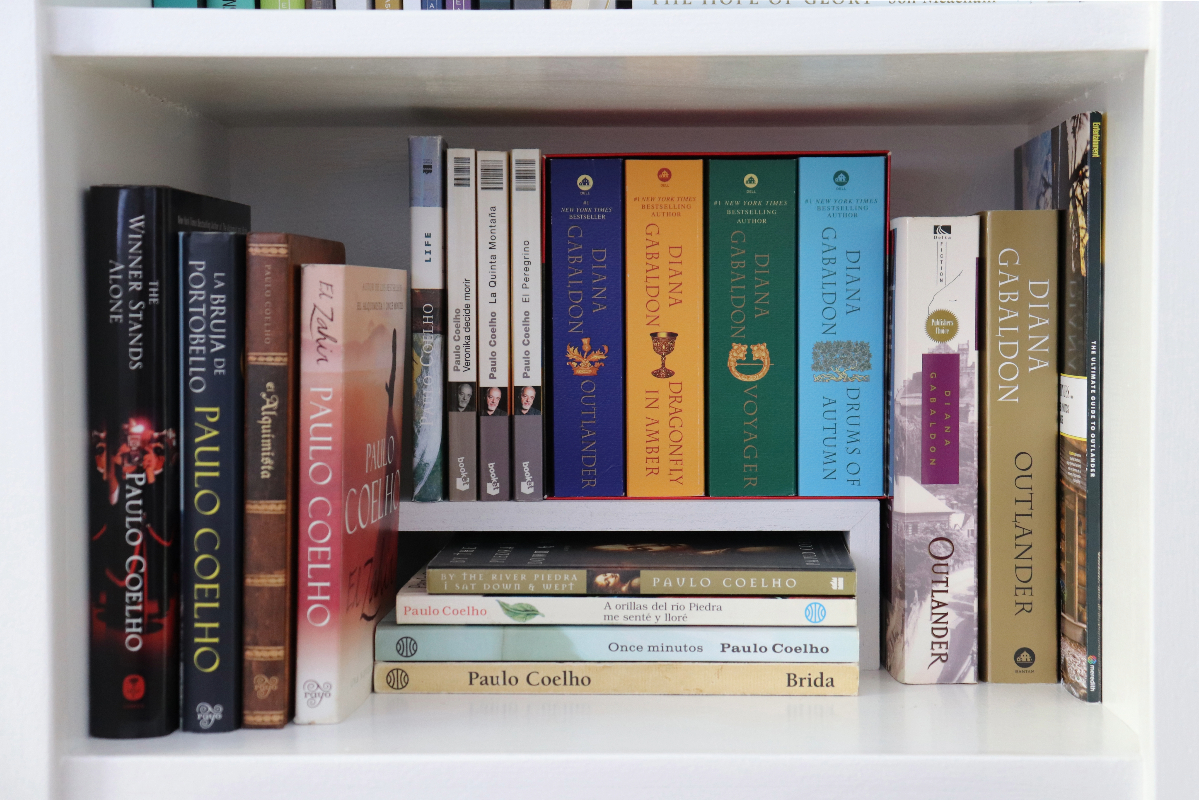
Horizontal stacking works well for large or heavy books. It also breaks the visual pattern, adding interest. Use stacks to fill empty spaces or create layers.
Balancing Aesthetics And Accessibility
Arrange books by size, color, or topic for a neat look. Group similar books together to keep things organized. Place favorite or often-used books at eye level.
Keep less-used books on higher or lower shelves. Mix vertical and horizontal stacks to avoid a boring, uniform look. This balance makes your shelf both pretty and practical.
Using Bookends And Dividers
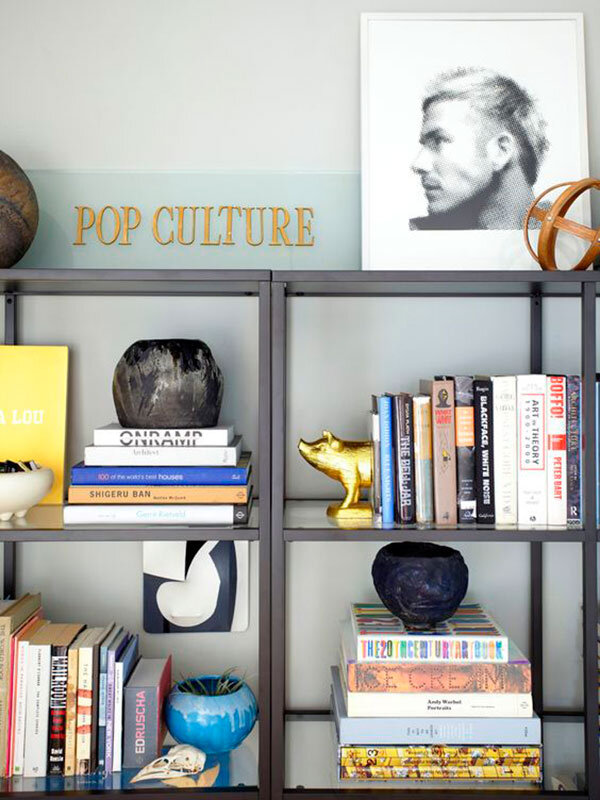
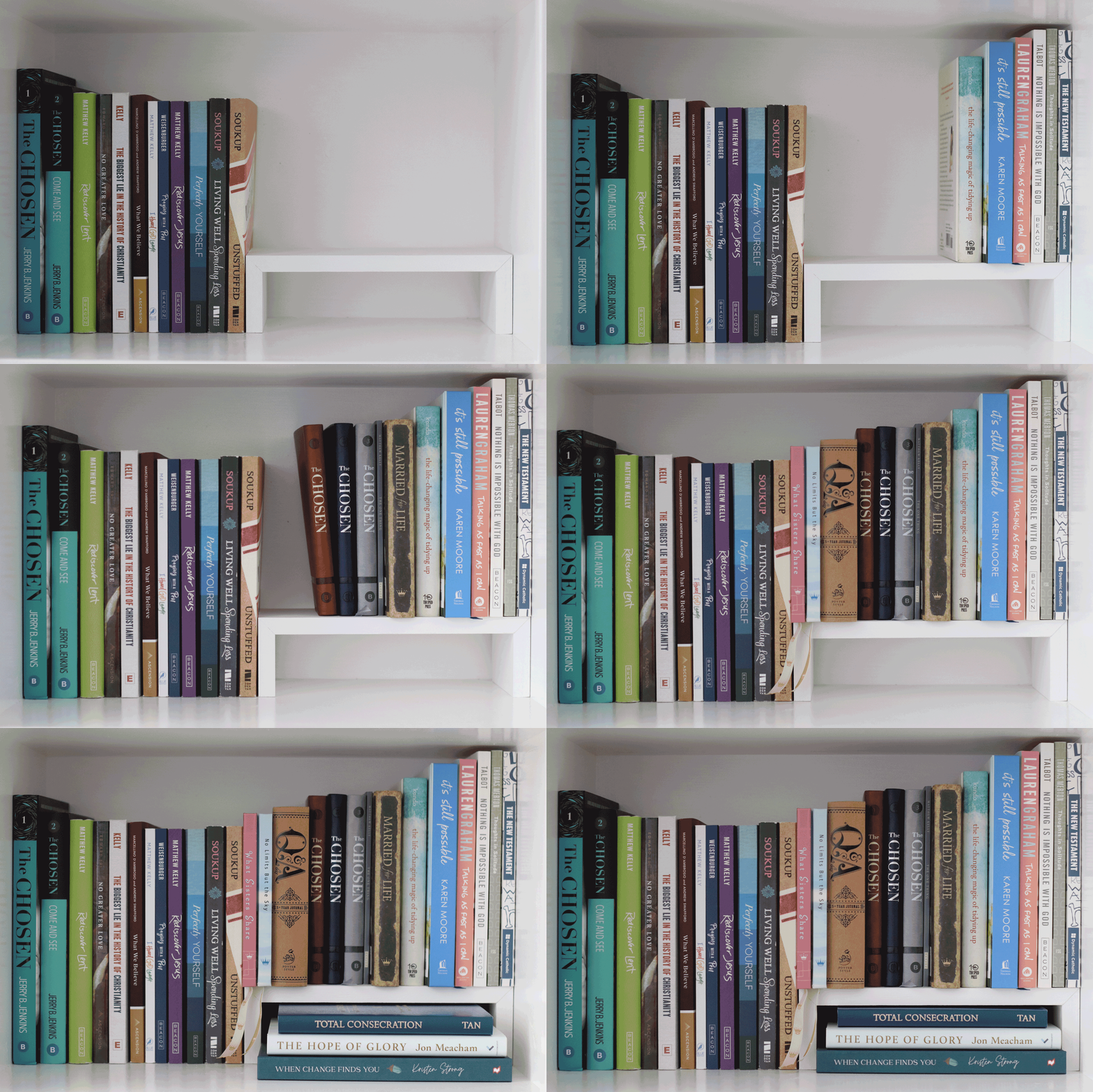
Bookends hold books upright and prevent slipping. Choose simple or decorative ones to match your style. They help keep smaller stacks tidy and safe.
Dividers separate groups of books for better organization. Use them to mark genres or categories. Dividers make your shelf easier to browse and keep clean.
Credit: www.sarah-montgomery.com
Maximizing Shelf Space
Maximizing shelf space helps keep your bookshelf tidy and useful. It makes sure every inch holds something important. Good use of space lets you store more books and keeps them easy to reach. Small changes can make a big difference in organization and appearance.
Adjusting Shelf Heights
Change the height of shelves to fit your books. Tall books need more space, short ones less. Move shelves up or down to avoid wasted space above books. This simple step lets you fit more books in a smaller area. Custom shelf heights make your collection look neat and organized.
Incorporating Decorative Items
Use decorations to fill empty spots and add style. Small plants, photo frames, or bookends work well. These items break the rows of books and make your shelf inviting. Place them between groups of books to create balance. Decorative pieces can also keep books from falling over.
Utilizing Vertical Space
Stack books vertically to use height better. Lay some books flat and stack others upright. Use the space on top of tall stacks for small items. This method lets you fit more books without clutter. Vertical stacking adds interest and saves room on each shelf.
Maintaining Your Bookshelf
Keeping a bookshelf neat and organized takes effort. Maintaining your bookshelf helps books last longer and look better. Small habits make a big difference. A clean, well-arranged shelf invites you to read more.
Regular Cleaning Tips
Dust gathers quickly on shelves and books. Use a soft cloth or duster to clean surfaces weekly. Avoid wet cloths that can damage book covers. Clean the top and sides of shelves carefully. Check for cobwebs and dust corners. Keep your bookshelf in a dry place to stop mold.
Updating Book Placement
Books can get mixed up over time. Rearrange books to keep your shelf tidy and useful. Group books by size, genre, or color for easy finding. Move books you read often to eye level. Place heavy books on lower shelves to avoid damage. Rotate your collection to keep it fresh and inviting.
Protecting Books From Damage
Books need care to stay in good shape. Avoid direct sunlight to prevent fading. Keep shelves away from heaters or damp walls. Use bookends to stop books from falling over. Handle books with clean hands to avoid stains. Wrap valuable books in protective covers for extra safety.
Credit: www.neathousesweethome.com
Credit: www.neathousesweethome.com
Frequently Asked Questions
How Do I Organize Books On A Bookshelf Effectively?
Organize books by genre, size, or color for easy access. Use vertical and horizontal stacking to save space. Arrange frequently read books at eye level for convenience and aesthetics.
What’s The Best Way To Maximize Bookshelf Space?
Maximize space by using adjustable shelves and stacking books horizontally. Fill gaps with decorative items or bookends to keep books upright and organized.
How Can I Prevent Books From Falling Over?
Use sturdy bookends or place heavier books at the ends. Arrange books tightly without gaps and consider shelf dividers for extra support.
Should I Arrange Books By Size Or Genre?
Arrange by genre for easy browsing or by size for a neat look. Combining both methods enhances organization and visual appeal.
Conclusion
Organizing books on a shelf brings order to your space. Choose a method that fits your style and needs. Keep books easy to reach and arrange by size or topic. Remember to leave room for new books later. A neat bookshelf makes finding your favorite books quick.
Enjoy your tidy, well-arranged collection every day.