Are you looking for a simple way to add more storage and style to your room? Building a short bookshelf with casters could be the perfect solution.
Imagine having a sturdy, movable shelf that fits your space perfectly and lets you rearrange your room whenever you want. In this guide, you’ll discover easy steps to create your own bookshelf, even if you’re not an expert. By the end, you’ll have a practical piece that holds your favorite books and moves with you effortlessly.
Ready to get started? Let’s dive in!
Materials And Tools Needed
Building a short bookshelf with casters is a fun and practical project. Before starting, gather all materials and tools. This step saves time and makes the process smooth. Choosing the right materials ensures a sturdy and attractive bookshelf. The tools help you work safely and accurately.
Choosing The Right Wood
Select wood that is strong and easy to work with. Pine is a good choice for beginners. It is light, affordable, and widely available. Oak or maple offer more durability but cost more. Choose wood boards with smooth surfaces and few knots. This helps in easy sanding and painting later. Avoid wood that is warped or cracked.
Selecting Casters
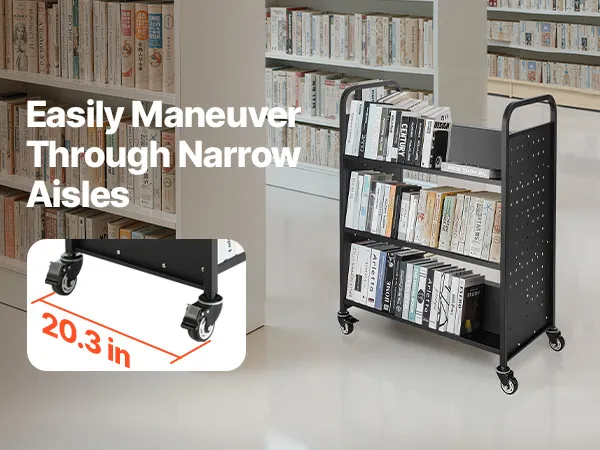
Casters make the bookshelf easy to move. Pick casters that can hold the shelf’s weight plus books. Look for casters with locking brakes to keep the shelf steady. Rubber wheels work well on hardwood or tile floors. Plastic wheels are better for carpeted areas. Choose casters with mounting plates for easy attachment.
Essential Tools For The Project
Have these tools ready to build your bookshelf quickly. A saw is needed to cut wood pieces. A drill helps make holes and fix screws. Sandpaper or a sander smooths rough edges. A measuring tape ensures accurate cuts. Clamps hold wood pieces steady during assembly. Screwdrivers and screws are essential to join parts securely.

Credit: www.amazon.com
Designing Your Bookshelf
Designing your bookshelf is the first step to building a useful and attractive piece. It helps to plan well before cutting any wood or buying materials. A good design fits your space and meets your storage needs.
Think about where you want to place the bookshelf and what you want to store. This will guide your decisions on size, shelf spacing, and overall look. Taking time to design saves effort and materials later.
Determining Size And Dimensions
Start by measuring the space for your bookshelf. Note the height, width, and depth limits. Decide on a size that fits well without overcrowding the room.
Consider the height of the shortest and tallest books or items. Make sure the bookshelf will hold everything comfortably. Keep the size balanced for stability, especially with casters.
Planning Shelf Spacing
Think about what you will place on each shelf. Set spacing to fit books, decor, or storage boxes. Adjustable shelves add flexibility for future needs.
Leave enough space between shelves for easy access and air flow. Avoid making shelves too close, which limits what you can store. Good spacing keeps the bookshelf functional and neat.
Sketching The Layout
Draw a simple plan of your bookshelf on paper or a digital tool. Include all measurements and shelf positions. This helps visualize the final product.
Check your drawing for balance and proportion. Make changes before starting to build. A clear sketch guides your work and reduces mistakes.
Cutting And Preparing Wood
Cutting and preparing wood is the first key step in building a short bookshelf with casters. This step helps ensure the pieces fit together perfectly. It also makes the final product strong and smooth. Taking time to measure, cut, and sand carefully will save effort later.
Proper preparation improves safety and quality. It allows a cleaner finish and easier assembly. Focus on accuracy and safety while working with wood and tools.
Measuring And Marking
Start by measuring the wood pieces with a tape measure. Mark the cuts clearly using a pencil and a straight edge. Double-check the measurements before marking. Accurate lines guide your saw and prevent mistakes. Mark both sides of the wood for better visibility.
Safe Cutting Techniques
Wear safety glasses and gloves before cutting. Use a sharp saw for clean cuts. Cut slowly and steadily along the marked lines. Keep your hands away from the blade at all times. Secure the wood with clamps to stop it from moving. Follow tool instructions carefully to avoid accidents.
Sanding For Smooth Edges
After cutting, sand the edges with medium-grit sandpaper. This removes splinters and rough spots. Sand in the direction of the wood grain. Use finer sandpaper to finish for a smooth feel. Smooth edges prevent scratches and improve the bookshelf’s look. Take your time to sand all surfaces evenly.

Credit: www.amazon.com
Assembling The Frame
Assembling the frame is the key step in building your short bookshelf with casters. This step creates the strong base that holds everything together. Taking your time here ensures the bookshelf will be sturdy and last long. Follow clear steps to join panels, attach shelves, and secure everything tightly.
Joining Side Panels
Start by placing the two side panels upright and parallel. Align their edges carefully to keep the frame square. Use clamps to hold the panels steady. Check the corners with a carpenter’s square for perfect right angles. This step forms the basic shape of your bookshelf’s frame.
Attaching Shelves
Next, position the shelves between the side panels. Measure the distances to keep shelves even and level. Slide each shelf into place, making sure it fits snugly. Hold shelves firmly while preparing to fasten them. Even spacing helps balance the weight of books later.
Securing With Screws And Glue
Apply wood glue along the edges where shelves meet panels. This adds extra strength to the joints. Then, use screws to fix the shelves firmly. Drill pilot holes first to prevent wood splitting. Tighten screws just enough to hold parts without damaging wood.
Installing Casters
Installing casters on your short bookshelf adds easy mobility and convenience. It lets you move the shelf without heavy lifting. This step is simple but requires the right tools and parts. Follow clear steps to attach casters securely and test their function.
Choosing Caster Type
Select casters based on floor type and weight capacity. Hard floor casters work well on wood or tile. Soft casters suit carpeted floors to prevent damage. Consider locking casters to keep the shelf stable. Choose wheels made from durable materials for long use.
Attaching Casters To Base
Flip the bookshelf onto its side for easy access. Mark the caster positions on each corner of the base. Drill pilot holes to avoid splitting the wood. Use screws that fit the caster’s mounting plate. Tighten screws firmly but avoid over-tightening to prevent damage.
Testing Mobility
Set the bookshelf upright and roll it gently. Check if all casters turn smoothly and support the weight. Test the locking mechanism on casters if available. Ensure the bookshelf moves straight and does not wobble. Adjust screws or replace casters if needed for better performance.
Finishing Touches
Finishing touches make your short bookshelf with casters look great and last longer. This step adds color, protects the wood, and gives a smooth feel. Take your time to do these final steps carefully. They enhance both beauty and durability of your project.
Applying Paint Or Stain
Choose paint or stain that fits your style and room decor. Use a brush or cloth to apply evenly. Paint gives a solid color, while stain highlights the wood grain. Let each coat dry fully before adding another. Two coats usually work best for strong coverage.
Adding Protective Coating
Apply a clear protective coat to guard against scratches and spills. Polyurethane or varnish works well for this. Use a clean brush and spread thin layers. Let the first coat dry, then lightly sand before applying the next. This step helps your bookshelf stay nice for years.
Final Inspection
Check your bookshelf carefully for any missed spots or rough areas. Feel the surface with your hand to find bumps. Fix any flaws by sanding or adding more finish. Make sure the casters roll smoothly and are tight. Your bookshelf is ready to use and enjoy.
Tips For Maintenance
Maintaining your short bookshelf with casters helps it last longer and look better. Simple care steps keep it sturdy and easy to move. Regular attention avoids damage and costly repairs.
Cleaning Your Bookshelf
Dust your bookshelf often with a soft cloth. Use a damp cloth to remove stains gently. Avoid harsh chemicals; they can damage the finish. Clean shelves prevent dirt build-up that can scratch surfaces.
Tightening Hardware
Check screws and bolts every few months. Loose hardware makes the shelf unstable and unsafe. Use a screwdriver to tighten any loose parts. Secure hardware keeps the bookshelf strong and reliable.
Caster Care And Replacement
Inspect casters for dirt and debris regularly. Clean them with a brush or cloth to keep wheels rolling smooth. Lubricate caster bearings if they squeak or stick. Replace casters if they show cracks or don’t roll well.
Credit: slintgl.lk
Frequently Asked Questions
What Materials Do I Need To Build A Short Bookshelf With Casters?
You need plywood or solid wood, screws, wood glue, sandpaper, paint or stain, and four casters. Basic tools like a saw, drill, and screwdriver are also required.
How Do I Attach Casters To The Bookshelf Securely?
Attach casters by screwing them into the bookshelf’s bottom corners. Use screws suitable for the caster base and wood type. Pre-drill holes to avoid splitting the wood.
Can I Customize The Bookshelf Size And Design?
Yes, you can adjust the height, width, and depth to fit your space. Customize shelves and finishes to match your style and storage needs.
What Type Of Casters Work Best For Bookshelves?
Choose locking swivel casters made of rubber or polyurethane. They offer smooth movement, prevent floor damage, and keep the bookshelf stable when locked.
Conclusion
Building a short bookshelf with casters is simple and useful. You can move it easily to clean or change rooms. Using basic tools and materials helps you save money. This project fits small spaces and adds style to your home.
Try making one to organize books and other items neatly. Enjoy your new, handy bookshelf that rolls wherever you want. It’s a smart way to keep things tidy and flexible.