Are you ready to create a cozy and safe space for your little one to sleep? Building a toddler bed yourself can be a rewarding and cost-effective way to give your child a special place to rest and grow.
Imagine the pride you’ll feel when your toddler climbs into a bed you built with your own hands. In this guide, you’ll discover simple steps and tips that make the process easy, even if you’re not a woodworking expert. Keep reading, and soon you’ll have a comfortable toddler bed that fits perfectly in your home and keeps your child happy all night long.

Credit: www.reddit.com
Choosing The Right Materials
Choosing the right materials is the first step in building a toddler bed. The materials must be safe, durable, and child-friendly. Picking the wrong supplies can lead to problems with safety and longevity. Focus on materials that protect your child’s health and provide a strong bed frame. This section explains how to select the best wood, paints, and tools for the project.
Safe Wood Options
Choose wood that is strong and free from harmful chemicals. Pine, maple, and birch are popular choices. These woods are sturdy and easy to work with. Avoid treated or painted wood that might contain toxins. Look for wood labeled as untreated or natural. Smooth the wood well to prevent splinters. Sanding is important for a safe finish.
Non-toxic Paints And Finishes
Use paints and finishes safe for children’s furniture. Look for water-based paints with low or no volatile organic compounds (VOCs). These paints dry fast and do not release harmful fumes. Seal the bed with non-toxic finishes like natural oils or water-based sealers. Avoid oil-based products that may contain harmful chemicals. Test the finish on a small piece of wood before applying it all over.
Essential Tools And Hardware
Gather tools that make building easier and safer. A saw, drill, screwdriver, and sander are must-haves. Use screws instead of nails for a stronger hold. Choose hardware with smooth edges to avoid injury. Have clamps ready to hold pieces steady during assembly. Keep tools clean and in good condition for best results.
Designing The Toddler Bed
Designing a toddler bed is a fun and important step. The bed needs to fit the child’s needs and keep them safe. Comfort is also key for a good night’s sleep. Each part of the design helps create a cozy space just for toddlers.
Think about size, safety, and comfort as you plan the bed. These elements make the bed practical and inviting. A well-designed bed helps toddlers feel secure and happy.
Size And Dimensions
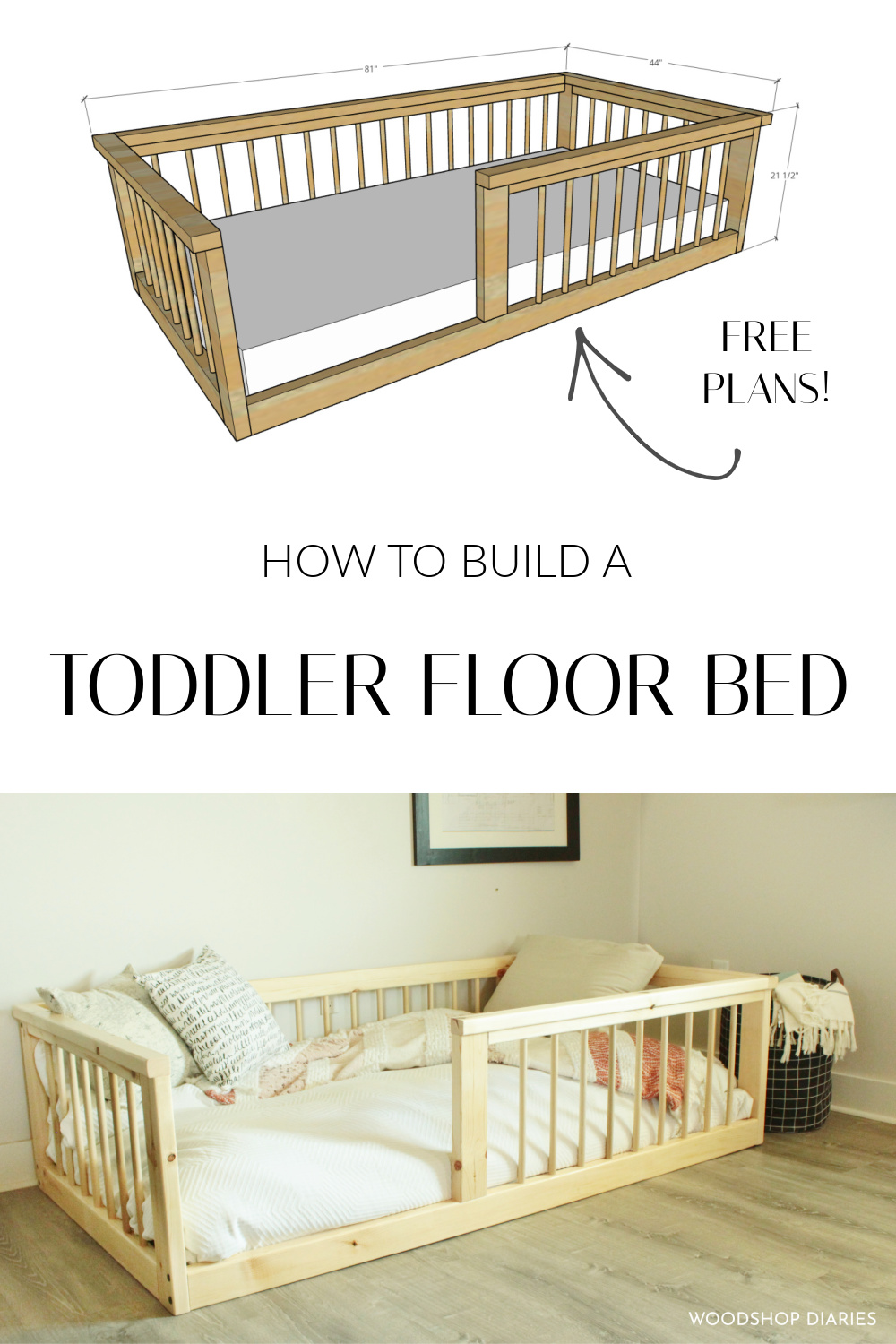
Choose a bed size that fits your toddler well. The bed should be low to the ground for easy access. Typical toddler beds are about 52 inches long and 28 inches wide.
Make sure the mattress fits snugly to avoid gaps. The height should allow toddlers to climb in and out safely. Keep the bed proportional to the room size too.
Incorporating Safety Features
Safety is the top priority in toddler bed design. Add guardrails on both sides to prevent falls. Use smooth edges and rounded corners to avoid injuries.
Choose non-toxic paint and finishes for the bed frame. Check that all screws and nails are flush and secure. Avoid small parts that could be choking hazards.
Adding Comfort Elements
Comfort helps toddlers sleep soundly through the night. Pick a soft but supportive mattress designed for toddlers. Use breathable bedding materials to keep the child cool.
Include cozy pillows and blankets, but avoid heavy bedding. Add a fun design or color to make the bed inviting. A comfortable bed encourages positive sleep habits early on.
Step-by-step Assembly
Building a toddler bed can be a fun and rewarding project. Step-by-step assembly helps you create a safe and sturdy bed. Follow each step carefully to make the process smooth and easy. This guide breaks down the main stages for you.
Preparing The Wood Pieces
Start by gathering all your wood pieces. Check each piece for smoothness and even edges. Sand rough spots to avoid splinters. Cut the wood to the exact sizes needed. Label each piece to keep track. Having everything ready makes assembly faster and safer.
Constructing The Frame
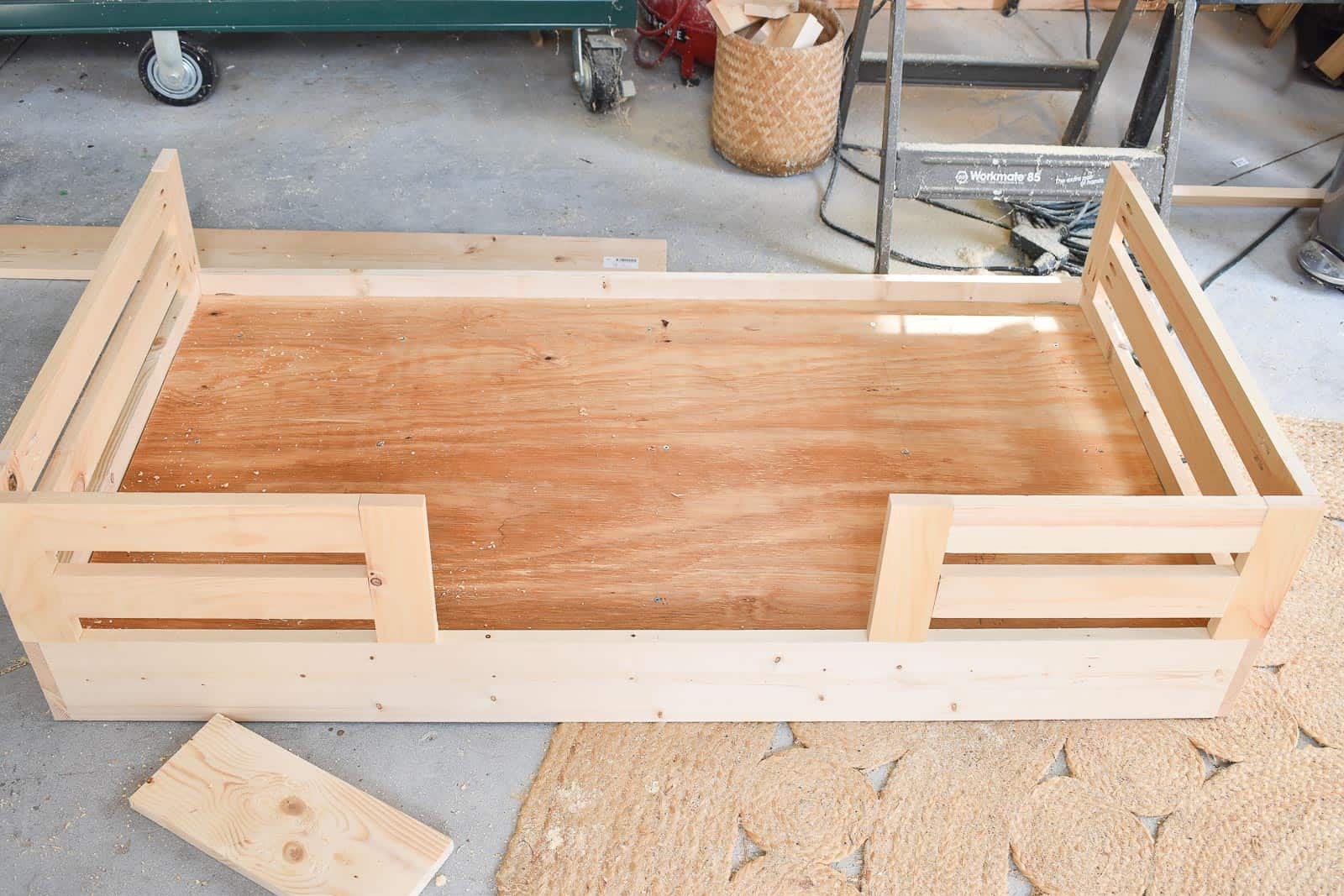
Lay out the wood pieces for the bed frame on a flat surface. Join the side rails to the headboard and footboard. Use screws and wood glue for a strong hold. Make sure the frame is square by measuring the corners. Tighten all connections securely to prevent wobbling.
Installing Side Rails And Slats
Attach the side rails to the frame using brackets or screws. Check that the rails are level and steady. Next, place the slats evenly across the frame. Space the slats to support the mattress properly. Secure each slat with screws to keep them from moving. This step ensures a safe and comfortable bed base.
Credit: atcharlotteshouse.com
Finishing Touches
Finishing touches make the toddler bed safe and cozy. They protect the wood and add a nice look. This step also ensures comfort for your child. Let’s explore three important parts of finishing the bed.
Sanding And Smoothing Surfaces
Start by sanding all wooden parts. Use fine-grit sandpaper for a smooth finish. Smooth surfaces prevent splinters and rough edges. Check corners and edges carefully. Wipe dust away with a clean cloth after sanding.
Applying Paint Or Stain
Choose non-toxic paint or stain made for children’s furniture. Apply thin, even coats with a brush or roller. Allow each coat to dry fully before adding the next. Paint or stain protects wood and adds color. It also makes cleaning easier.
Adding Mattress And Bedding
Select a mattress that fits snugly inside the bed frame. Use soft, breathable bedding for comfort and safety. Avoid heavy blankets or pillows that could cause risks. A cozy bed invites restful sleep and happy dreams.
Safety Tips For Toddler Beds
Safety is the top priority when building a toddler bed. A safe bed helps your child sleep well and prevents injuries. Follow these safety tips to create a secure sleeping space for your toddler.
Checking For Sharp Edges
Run your hands over all bed surfaces. Look for any sharp corners or rough spots. Sand down edges to make them smooth. Sharp edges can hurt your child during play or sleep.
Securing Loose Parts
Check screws, bolts, and joints for tightness. Loose parts can cause the bed to wobble or break. Tighten all fittings regularly. Use lock nuts or glue if needed to keep parts secure.
Positioning The Bed Safely
Place the bed away from windows, heaters, and cords. Keep the area clear of small objects your child could swallow. Ensure the bed is on a flat surface to avoid tipping. A safe position reduces risks around the bed.
Maintenance And Care
Taking care of a toddler bed keeps it safe and lasting longer. Regular maintenance helps prevent accidents and keeps the bed sturdy. Simple steps can make a big difference in the bed’s condition.
Regular Inspections
Check the bed every week for loose screws or parts. Look for cracks in the wood or any broken pieces. Tighten any loose bolts to keep the bed strong. Watch for sharp edges that could hurt your child.
Cleaning Guidelines
Clean the bed with a soft cloth and mild soap. Avoid harsh chemicals that can damage the finish or irritate skin. Wipe spills immediately to prevent stains or damage. Dry the bed well after cleaning to stop moisture buildup.
Repairing Minor Damages
Fix small cracks with wood glue or filler to avoid bigger problems. Replace broken slats or damaged parts right away. Sand rough areas gently to smooth the surface. Use child-safe paint for touch-ups if needed.
Credit: www.woodshopdiaries.com
Frequently Asked Questions
What Materials Are Needed To Build A Toddler Bed?
You need wood, screws, nails, sandpaper, wood glue, paint or finish, and basic tools like a saw and drill. Choose safe, durable materials to ensure the bed is sturdy and child-friendly.
How Long Does It Take To Build A Toddler Bed?
Building a toddler bed typically takes 4 to 6 hours. Time depends on your skill level and the complexity of the design.
What Safety Features Should A Toddler Bed Have?
A toddler bed should have rounded edges, guardrails, and non-toxic finishes. These features prevent injuries and ensure a safe sleeping environment for toddlers.
Can I Convert A Crib Into A Toddler Bed?
Yes, many cribs are designed for easy conversion. Removing one side and adding guardrails transforms a crib into a toddler bed.
Conclusion
Building a toddler bed can be a fun and rewarding project. It gives your child a safe and cozy place to sleep. Follow the steps carefully to ensure the bed is sturdy and secure. Choose the right materials and tools to make the process easier.
Always check for sharp edges or loose parts before use. A well-built bed helps your toddler feel comfortable and confident. Take your time and enjoy creating something special for your little one. The effort you put in will surely be worth it.