Are you wondering when it’s the right time to move your baby to a toddler bed? You’re not alone.
This transition can feel like a big step for both you and your little one. Knowing the best age to make the switch can help you avoid bedtime battles and keep your child safe and comfortable. You’ll discover clear signs to look for and expert tips to make this change smooth and stress-free.
Keep reading to find out exactly when and how to make this important move with confidence.
Signs Baby Is Ready
Knowing when to move your baby to a toddler bed is important for their comfort and safety. Babies show clear signs they are ready. These signs help parents decide the right time to make the change. Look for physical milestones, behavior shifts, and safety concerns to guide you.
Physical Milestones
Your baby starts to climb out of the crib. This shows strength and coordination. They can sit up and stand without help. These skills mean they can move safely in a toddler bed. Growth spurts may also make the crib too small. If your baby looks cramped, it is time to switch.
Behavioral Changes
Babies may resist naps or bedtime in the crib. They might cry more or seem restless. Some toddlers express a desire to sleep in a “big kid” bed. Watch for signs of curiosity about the bed. Interest in climbing or standing in the crib also matters.
Safety Concerns
Climbing out of the crib is a major safety risk. Falls can cause injuries. A toddler bed with low rails reduces this risk. If the crib mattress is at the highest setting, the baby may fall out easily. Ensure the new bed is close to the floor and secure. This keeps your toddler safe and comfortable.
Ideal Age Range
Choosing the right time to move your baby to a toddler bed is important. The ideal age range helps ensure safety and comfort. It supports better sleep and eases the transition for your child. Understanding this range guides parents in making the best choice for their little one.
Typical Age Window
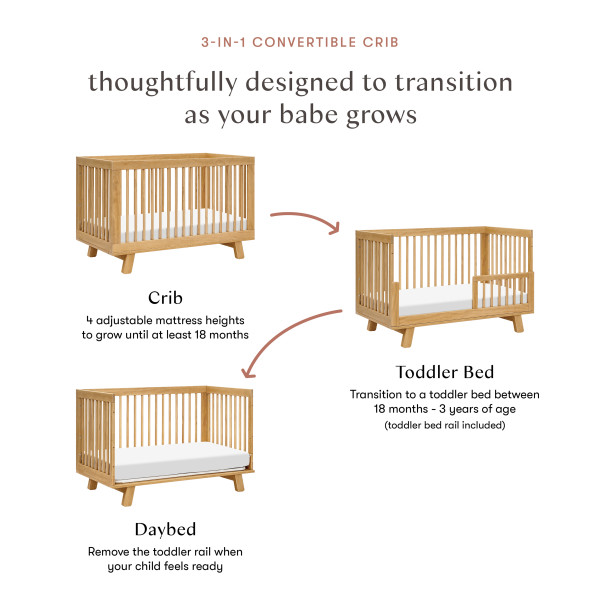
Most children move to a toddler bed between 18 months and 3 years old. This period fits many children’s growth and development stages. Toddlers start to climb out of cribs around this time. Moving to a toddler bed prevents falls and keeps them safe.
Variations By Child
Every child is different. Some may be ready earlier or later than the typical age. Signs like climbing out of the crib or showing interest in a big bed matter. Parents should watch their child’s behavior and readiness. Comfort and confidence are key to a smooth change.
Pediatric Recommendations
Pediatricians suggest waiting until your child can sleep safely in a toddler bed. They recommend moving after your child regularly climbs out of the crib. Safety and independence are main concerns. Following medical advice helps avoid injuries and stress.
Choosing The Right Bed
Moving your baby to a toddler bed is a big step. Choosing the right bed helps your child feel safe and comfortable. A good bed supports healthy sleep and grows with your toddler. Think about size, safety, and style. These factors make the transition easier for both of you.
Types Of Toddler Beds
Toddler beds come in many styles. Some look like small versions of regular beds. Others have fun themes or characters. Convertible beds change from crib to toddler bed. Low-to-the-ground beds help toddlers climb in and out easily. Choose a bed that fits your child’s room and personality.
Mattress And Bedding Tips
Pick a mattress that fits the toddler bed perfectly. It should be firm and snug for safety. Use soft, breathable bedding to keep your toddler cozy. Avoid heavy blankets or pillows that might cause discomfort. Wash bedding often to keep the bed clean and fresh.
Safety Features To Look For
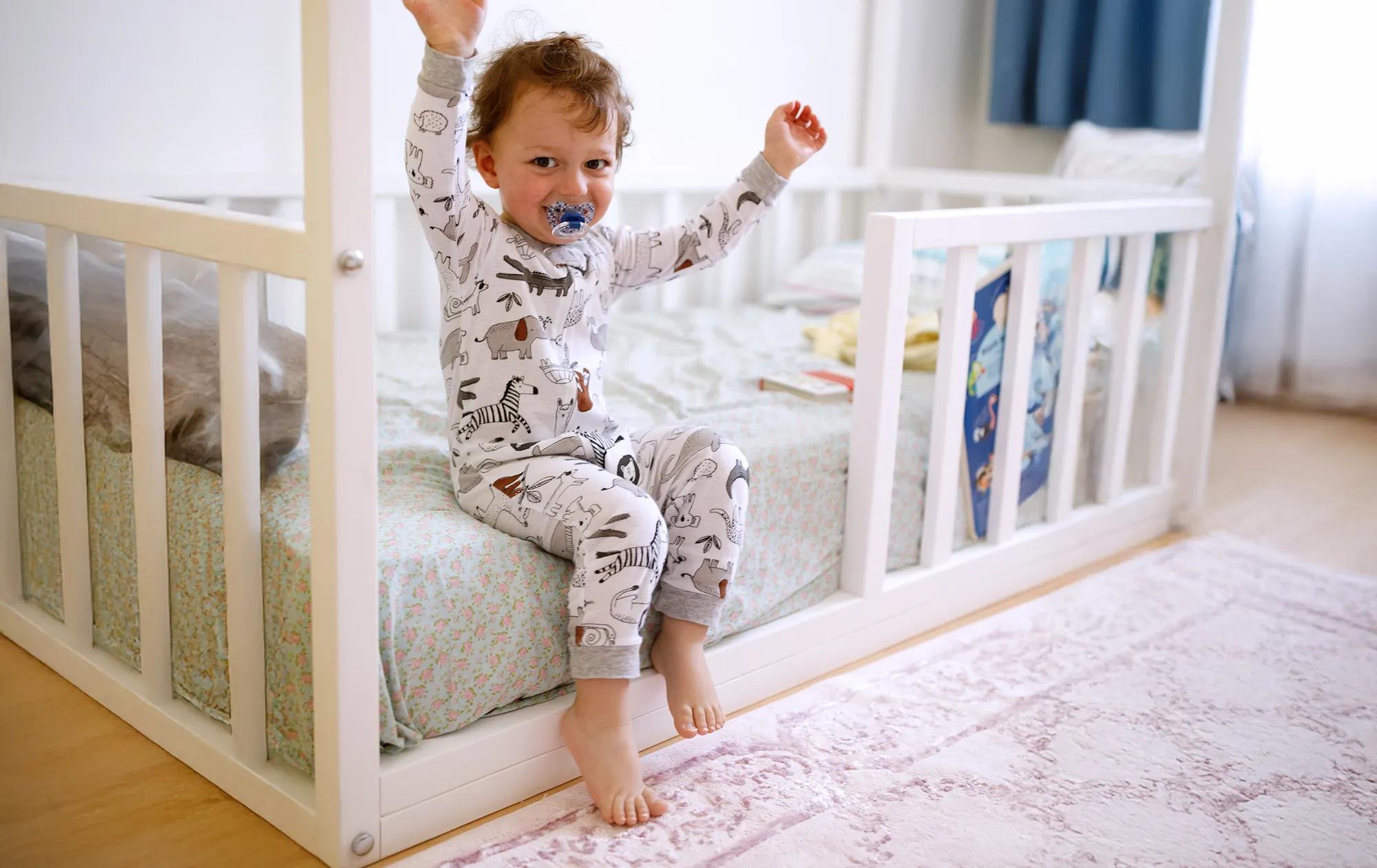
Safety is key when choosing a toddler bed. Look for guardrails to prevent falls during sleep. Check that the bed has smooth edges and no sharp corners. Make sure the bed frame is sturdy and stable. Avoid beds with small parts that can detach easily. These features protect your toddler every night.
Preparing The Room
Preparing your baby’s room for the toddler bed is an important step. It helps your child feel safe and excited about this new change. A well-prepared room supports better sleep and independence. Small changes can make a big difference in comfort and safety.
Creating A Cozy Space
Start with soft bedding and familiar blankets. Choose gentle colors for the walls and decorations. Use a nightlight to keep the room dim and calming. Add a few favorite toys or stuffed animals. These small touches make the room feel warm and inviting.
Childproofing Essentials
Secure all furniture to the wall to prevent tipping. Cover electrical outlets with safety plugs. Remove small objects that can cause choking. Use window guards or locks for safety. Check that cords and blinds are out of reach. These steps keep your toddler safe while exploring.
Involving Your Toddler
Let your child help pick bedding or decorations. Talk about the new bed and what to expect. Read books about moving to a toddler bed together. Praise your toddler for being a “big kid” now. This helps your child feel proud and ready for the change.
Transition Strategies
Transitioning your baby to a toddler bed is a big step for both of you. It needs patience and care. The right strategy helps your child feel safe and comfortable. This section explores simple ways to make the move smooth and easy. Learn how to choose between a slow or quick change, set up new bedtime habits, and manage wake-ups at night.
Gradual Vs. Immediate Move
A gradual move means changing the bed step by step. Start by letting your child play near the toddler bed. Then, try naps in the new bed. This method helps your child get used to the bed slowly.
An immediate move means switching to the toddler bed right away. Some children adapt quickly this way. Watch your child’s reaction and adjust the plan if needed.
Establishing New Routines
New routines give your child a sense of safety. Keep bedtime at the same time each night. Read a favorite story or sing a lullaby. These small habits help your child relax and know what to expect.
Consistency is key. Stick to the routine even if your child resists at first. This builds trust and makes bedtime easier over time.
Handling Night Wakings
Night wakings are normal during this transition. Stay calm and reassure your child with a gentle voice. Guide them back to bed without too much talking or light.
Use a nightlight if needed to make the room less scary. Avoid picking your child up unless necessary. This teaches them to fall asleep independently.
Credit: babyletto.com
Common Challenges
Moving a baby to a toddler bed is a big change. It can bring some common challenges for both parents and toddlers. Understanding these challenges helps to prepare and manage the transition better.
Resistance And Anxiety
Toddlers often resist leaving their crib. The new bed feels strange and unfamiliar. This can cause fear and anxiety at bedtime. They may cry or want parents nearby. Patience and comfort help ease their worries.
Sleep Regression
Switching beds can disrupt sleep patterns. Toddlers might wake up more during the night. They may find it hard to fall asleep alone. This phase often lasts a few weeks only. A calm bedtime routine supports better rest.
Safety Risks
Toddler beds are lower but still pose risks. Toddlers might climb out and fall. Small furniture nearby can cause accidents. It is important to childproof the room well. Safe sleep spaces prevent injuries and give peace of mind.
Expert Tips For Success
Moving your baby to a toddler bed is a big step. It takes time and care. Success depends on how you guide your child through this change. Below are expert tips to help you make this transition smooth and positive.
Each child is different, so patience is key. Using positive methods will encourage your toddler to feel safe and happy in their new bed.
Consistency And Patience
Keep a regular bedtime routine. This helps your toddler feel secure and know what to expect. Be patient as your child adjusts. Some nights may be harder than others. Stay calm and stick to the routine. This builds trust and comfort over time.
Positive Reinforcement
Use praise to reward your toddler’s efforts. Celebrate small wins like staying in bed all night. Avoid punishment for accidents or waking up. Instead, encourage and support your child gently. This positive approach builds confidence and helps your toddler enjoy bedtime.
When To Seek Professional Help
Watch for signs of anxiety or sleep problems that last weeks. If your child resists sleep or has frequent nightmares, talk to a pediatrician. Professionals can guide you if your toddler struggles with the change. Early help can prevent bigger issues later.

Credit: www.candokiddo.com
Credit: health.clevelandclinic.org
Frequently Asked Questions
When Is The Right Age To Move Baby To Toddler Bed?
Most babies transition between 18 months and 3 years old. Watch for signs like climbing out of the crib or showing interest in a bigger bed. Safety and comfort are key factors to consider during this move.
What Signs Show Baby Is Ready For Toddler Bed?
Look for climbing out of the crib or asking for a bigger bed. Increased mobility and curiosity also indicate readiness. These signs help ensure a safe and smooth transition to a toddler bed.
How To Make Toddler Bed Transition Safe?
Use guardrails and keep the bed low to the floor. Remove sharp objects and install nightlights. This reduces risks and makes your toddler feel secure during the new sleeping experience.
Should I Move Baby To Toddler Bed During Naps?
Yes, transitioning during naps helps your child get used to the new bed. It creates consistency and makes night sleep easier. Gradual changes reduce stress for both baby and parents.
Conclusion
Choosing the right age to move your baby to a toddler bed is important. Most children switch between 18 months and 3 years old. Watch for signs like climbing out of the crib or needing more space. Safety matters most, so use guardrails and a low bed.
Every child is different, so trust your instincts. This change can help your toddler sleep better and feel more independent. Keep the room cozy and consistent. Your child will grow and adapt at their own pace. Patience and care make the transition smooth and safe.