Choosing the right time to move your toddler into their own bed can feel like a big decision. You want your little one to be safe, comfortable, and happy while sleeping.
But how do you know when your toddler is truly ready for this change? If you’ve been asking yourself, “What age should a toddler be in their own toddler bed? ” you’re not alone. You’ll discover clear signs to watch for and helpful tips to make this transition smooth for both you and your child.
Keep reading to find out how to make bedtime a positive experience for your toddler—and for you.

Credit: www.akronchildrens.org
Signs Your Toddler Is Ready
Knowing when your toddler is ready for their own bed helps make the transition smooth. Watch for clear signs that show your child is prepared. These signals often come from their growth, sleep habits, and safety awareness.
Physical Development Milestones
Your toddler should be able to climb in and out of bed safely. They might start walking and running confidently. These milestones mean they can handle a bed without help. Also, check if your child can stay in bed through the night. This shows better control and readiness.
Sleep Patterns And Independence
Notice if your toddler sleeps longer at night without waking up. They may want to sleep alone rather than in your bed. Independence during bedtime is a key sign. Your child might also start using words to say they want to sleep in their bed.
Safety Awareness
Your toddler needs to understand basic safety rules around the bed. They should know not to jump or climb dangerously. Teach them to stay in bed during sleep time. When they follow these rules, they are more ready for their own bed.
Ideal Age Range For Transition
Choosing the right age for a toddler to move into their own bed is important. This step helps your child feel safe and comfortable. It also supports better sleep habits. Understanding the ideal age range can guide parents in making this change smoothly.
Common Age Benchmarks
Most toddlers switch to a toddler bed between 18 months and 3 years old. This range fits many children’s physical and emotional growth. Some start earlier if they show readiness. Others wait longer to feel secure.
Variations By Child Temperament
Every child is different. Some toddlers are brave and curious. They may enjoy a new bed sooner. Others need more time and reassurance. Parents should watch their child’s cues and comfort levels.
Cultural Differences
Culture also shapes when toddlers move to their own bed. In some cultures, co-sleeping lasts longer. Others encourage early independence with separate beds. Respecting family traditions helps ease the transition.
Choosing The Right Toddler Bed
Choosing the right toddler bed is an important step for your child’s comfort and safety. Toddlers grow fast, and their bed should fit their size and needs. A good bed helps them sleep well and feel secure. Parents must think about the bed’s size, design, and safety. The right bed makes the transition from crib to bed smooth and easy for your toddler.
Size And Design Considerations
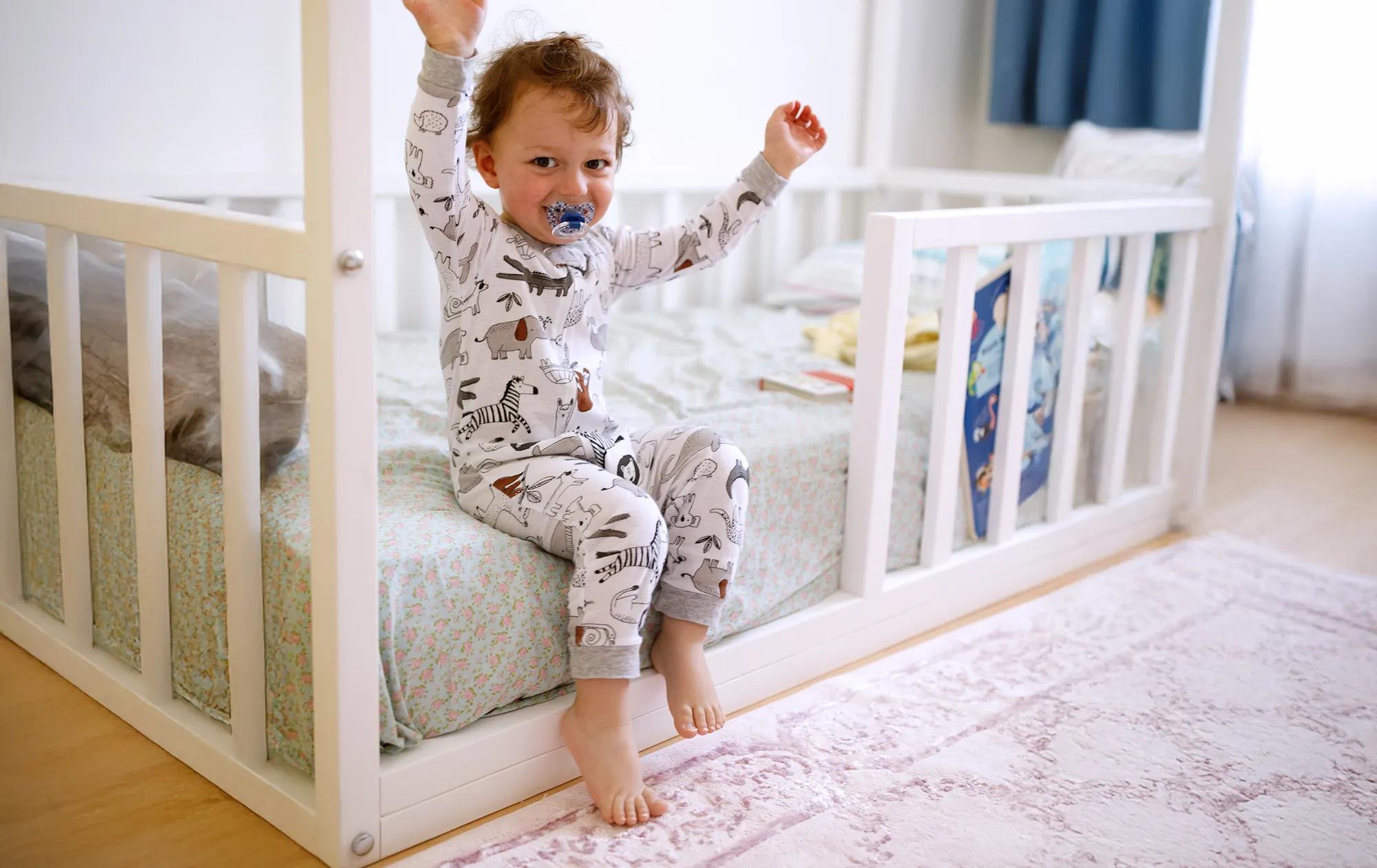
The bed should match your toddler’s height and weight. It needs to be low to the ground for easy climbing in and out. A small bed fits well in a toddler’s room and saves space. Choose a design that your child likes to make bedtime fun. Simple shapes and soft colors often work best. Beds with rails can stop your child from falling out.
Safety Features To Look For
Safety is the top priority when picking a toddler bed. Look for sturdy frames that do not wobble. Rounded edges help prevent injuries from bumps. The bed should have guardrails to keep your child safe at night. Avoid beds with sharp corners or loose parts. Check that all materials used are non-toxic and child-friendly. Make sure the mattress fits snugly to avoid gaps.
Popular Bed Types
There are many types of toddler beds available. Standard toddler beds use crib mattresses and have guardrails. Convertible beds grow with your child and change into a small bed. Floor beds sit directly on the floor for easy access. Some beds come with fun themes like cars or animals. Pick a type that suits your child’s style and your budget. Each type offers different benefits for comfort and safety.
Preparing Your Toddler For The Move
Preparing your toddler for the move to their own bed takes time and care. It helps them feel safe and ready for the change. Start early to make the process smooth and positive. Small steps build confidence and comfort for your child.
Creating A Comfortable Sleep Environment
Make the new bed inviting with soft sheets and favorite blankets. Choose a night light to ease fear of the dark. Keep toys nearby for comfort and security. A quiet, cozy room helps toddlers relax and fall asleep faster.
Establishing A Consistent Bedtime Routine
Follow the same steps every night before bed. Bath time, story reading, and gentle songs calm your toddler. Consistency signals it is time to sleep. A clear routine reduces anxiety about the new bed.
Involving Your Toddler In The Process
Let your child pick bedding or a special stuffed animal. Talk about the new bed and what it means. Encourage excitement and pride in this new step. Involving them gives a sense of control and comfort.
Common Challenges And Solutions
Moving a toddler to their own bed brings new challenges. Parents often face worries about safety and comfort. Toddlers may feel unsure or scared of this change. Understanding common problems helps ease this transition. Here are some typical issues and ways to solve them.
Dealing With Nighttime Fears
Nighttime fears can make toddlers resist their new bed. Shadows and sounds may seem scary at night. Comfort items like a favorite blanket or stuffed toy help. A nightlight can provide soft, gentle light. Talk calmly about their fears and listen carefully. Reassure them that their room is safe. Bedtime stories about brave characters ease anxiety.
Handling Resistance To The New Bed
Toddlers may refuse to sleep in a new bed. They might want to stay in the crib or parents’ bed. Keep a calm and firm routine every night. Let them explore the new bed during the day. Praise small successes to build confidence. Avoid forcing them, as it can increase fear. Slowly increase time spent in the new bed.
Managing Nighttime Wandering
Nighttime wandering worries many parents. Toddlers may leave their bed and roam the house. Use safety gates to block stairs and dangerous areas. Place a soft rug beside the bed to avoid injury. Gently guide them back to bed without anger. Teach clear rules about staying in bed. Consistency helps toddlers learn good sleep habits.

Credit: magicalnest.com
Expert Tips For A Smooth Transition
Moving a toddler to their own bed is a big change. It may cause some worry for both parents and kids. Using smart tips can help make the change easier and less stressful. These tips help your toddler feel safe and happy in their new bed.
Start with small steps and stay patient. Celebrate every little success along the way. This approach helps build good sleep habits and trust.
Gradual Adjustment Techniques
Begin by letting your toddler explore the new bed during the day. Let them play or read books there. This makes the bed feel familiar and fun.
Next, try putting your child to sleep in the new bed for short naps. Increase nap times slowly. After naps go well, move to nighttime sleep.
Keep bedtime routines the same. This gives your toddler comfort and security during change.
Positive Reinforcement Strategies
Praise your toddler for staying in their bed. Use kind words like “good job” or “well done.”
Offer small rewards such as stickers or extra storytime. Rewards encourage your child to keep trying.
Be calm and patient if your toddler leaves the bed. Gently guide them back without anger or frustration.
When To Seek Professional Advice
Watch for signs of stress or fear that last more than two weeks. Nightmares or refusal to sleep might need help.
Consult a pediatrician or child sleep expert if you see these signs. They can offer advice or check for sleep problems.
Early help supports better sleep habits and your toddler’s well-being.
Credit: health.clevelandclinic.org
Frequently Asked Questions
At What Age Should Toddlers Transition To Their Own Bed?
Toddlers usually transition to their own bed between 18 months and 3 years old. This depends on their physical and emotional readiness. Signs include climbing out of the crib or showing interest in a bigger bed. Every child develops differently, so timing varies.
How To Know If A Toddler Is Ready For Their Own Bed?
A toddler is ready if they can climb safely and follow simple instructions. They should feel secure sleeping alone and show curiosity about a bigger bed. Consistent sleep patterns and reduced night waking also indicate readiness for this transition.
What Are The Safety Tips For Toddler Beds?
Ensure the bed has guardrails to prevent falls. Place the bed away from windows and cords. Use a firm mattress that fits snugly. Keep the bedroom clutter-free to avoid tripping hazards. These steps help create a safe sleep environment for toddlers.
How To Make The Toddler Bed Transition Smooth?
Introduce the bed gradually by spending playtime around it. Use familiar bedding and bedtime routines to create comfort. Praise your toddler for sleeping in their bed. Be patient and consistent to reduce anxiety and build positive sleep habits.
Conclusion
Choosing the right age for a toddler bed helps your child feel safe. Most kids switch between 18 months and 3 years old. Watch your toddler’s signs, like climbing out of the crib. A toddler bed gives more space and freedom to move.
It also helps develop independence and better sleep habits. Every child grows at their own pace. Trust your instincts and keep your toddler comfortable. This change can be smooth with patience and care. Your child will enjoy their new bed and sleep well.