Are you wondering whether a toddler bed or a twin bed is the right choice for your child? Choosing the perfect bed can feel confusing, especially when you want to keep your little one safe and comfortable.
Understanding the key differences between these two options will help you make a smart decision that fits your child’s needs and your home. Keep reading to discover what sets a toddler bed apart from a twin bed, so you can find the best sleep solution for your growing child.
Toddler Bed Features
Toddler beds are made for young children just moving from a crib. They offer comfort and safety in a smaller size. These beds help kids feel more secure and ready to sleep alone. Many parents choose toddler beds to make the change smooth.
The design focuses on kid-friendly details. Safety is a top priority. The right bed supports good sleep and grows with the child’s needs. Below are key features that set toddler beds apart from other beds.
Size And Dimensions
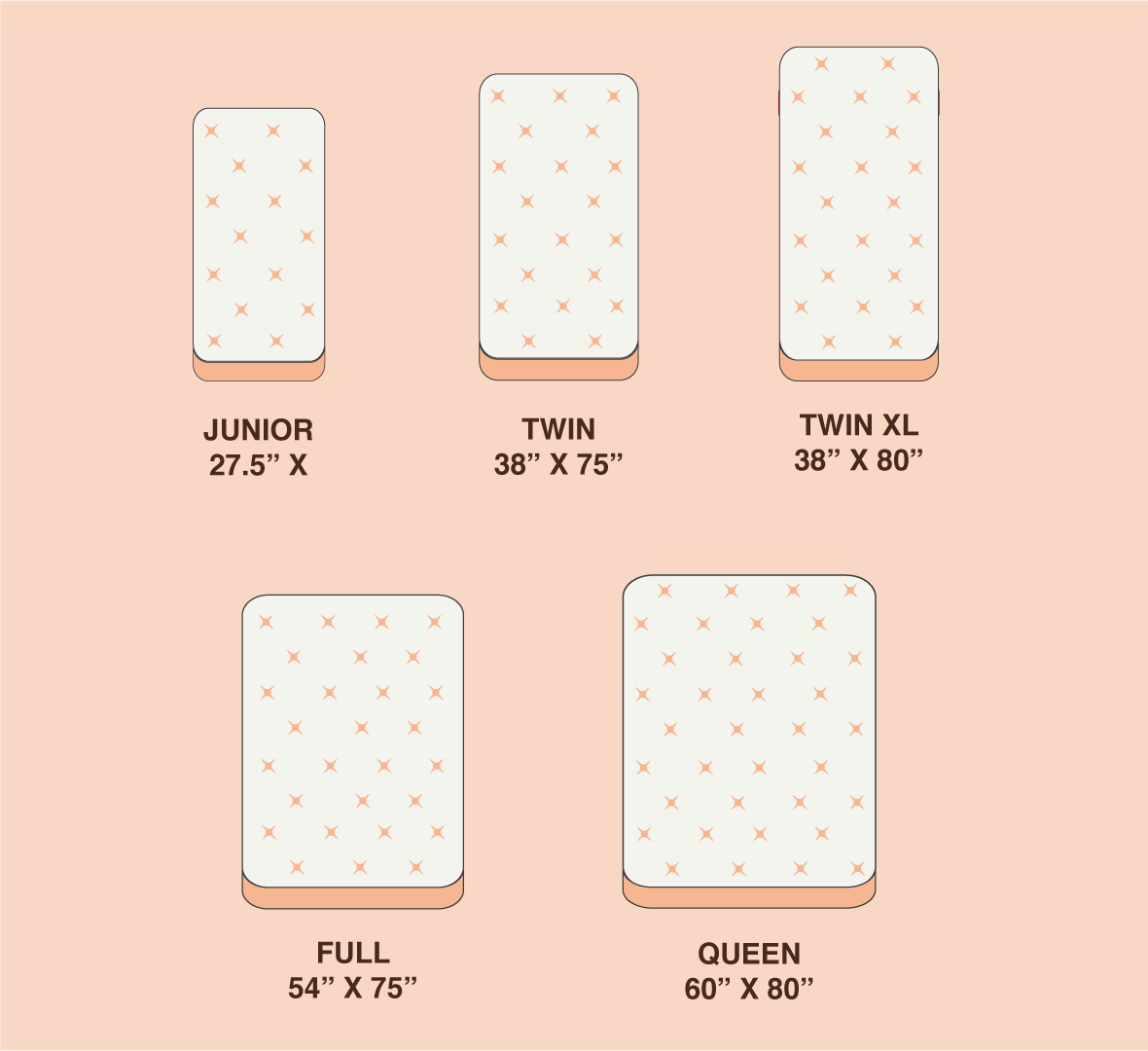
Toddler beds are smaller than twin beds. They usually measure about 28 inches wide and 52 inches long. This size fits most toddlers comfortably. It also fits well in smaller rooms or shared spaces. The size makes it easier for kids to get in and out safely.
Design And Safety
Toddler beds often have low frames to reduce fall risks. They include guardrails on the sides to keep kids from rolling out. The edges are rounded for extra safety. The mattress is firm and fits snugly in the frame. These features protect toddlers as they adjust to sleeping alone.
Age Suitability
Toddler beds suit children aged 1.5 to 5 years. This stage follows crib use but comes before a twin bed. The bed supports growing bodies and encourages independence. It helps children feel more confident in their sleep space. Parents should watch their child’s size and habits to know when to upgrade.
Twin Bed Characteristics
The twin bed is a popular choice for many bedrooms. It offers a good balance of size, comfort, and style. Twin beds are often used by children, teens, and even adults in small spaces.
This bed type suits various needs and room sizes. Understanding its features helps you decide if it fits your space and lifestyle.
Size And Dimensions
A standard twin bed measures 38 inches wide and 75 inches long. This size works well for smaller rooms and narrow spaces. It is perfect for one person, especially children and teens.
The twin bed is longer than a toddler bed, providing more room to grow. Some twin beds come in a longer version called “twin XL,” adding 5 extra inches in length.
Design Variations
Twin beds come in many styles to match bedroom decor. You can find simple frames, platform beds, and beds with storage drawers. Some twin beds also convert into daybeds or have trundles underneath.
The design options make twin beds flexible for different rooms and needs. You can choose wood, metal, or upholstered frames depending on your taste.
Age Range And Usage
Twin beds suit children from about age 5 and up. Teens and adults also use them, especially in smaller spaces or guest rooms. Their size makes them ideal for growing kids who need more sleeping space.
Many families choose twin beds because they last through many years. The bed can adapt as children grow into teenagers and adults.
Comparing Toddler And Twin Beds
Choosing between a toddler bed and a twin bed is important for your child’s comfort and safety. Both beds serve different needs as your child grows. Understanding their differences helps you pick the right option. Below, we compare these beds in key areas like space, safety, and cost.
Space And Comfort
Toddler beds are smaller and fit little children well. They usually use the same mattress size as a crib. This size keeps your child cozy and secure. Twin beds are larger and offer more sleeping space. They suit older kids who need room to stretch. Twin beds can also be used for longer as your child grows.
Safety Considerations
Toddler beds often have low rails to stop kids from falling out. They are closer to the floor, which lowers injury risks. Twin beds do not usually have rails. This means children must be ready to sleep safely in a bigger bed. Parents should check if their child can move safely in and out of a twin bed.
Cost Differences
Toddler beds are generally less expensive than twin beds. They are smaller and use less material. Twin beds cost more but last longer as children grow. Buying a twin bed can be an investment for many years. Consider your budget and how long you want the bed to last.
Credit: casakids.com
When To Transition
Knowing the right time to move your child from a toddler bed to a twin bed can be tricky. This change matters for your child’s safety and comfort. It also helps them feel more grown-up. Watching your child closely will help you decide the best moment for this switch. The transition should feel natural and smooth for both of you.
Signs Your Child Is Ready
Your child climbing out of the toddler bed shows they might be ready. They may also ask for a bigger bed like a “big kid” bed. If your child feels cramped or restless at night, it is another sign. Growing taller means the toddler bed might be too small now. Sometimes, your child may want to sleep in a twin bed for more space.
Benefits Of Moving To A Twin Bed
Twin beds offer more room to stretch and move during sleep. This extra space helps your child sleep better and stay comfortable. They can also keep their favorite toys or blankets nearby easily. A twin bed lasts longer and fits your child as they grow. It also helps your child feel more independent and confident. The change can make bedtime more fun and inviting.
Additional Tips
Choosing between a toddler bed and a twin bed involves more than just size. Some extra tips can help make the transition smooth and safe. These tips also assist in creating a cozy, functional space for your child. Focus on comfort, safety, and room arrangement to support your child’s growth.
Choosing The Right Mattress
Select a mattress that fits the bed frame perfectly. A mattress too big or too small can cause safety risks. For toddler beds, choose firm mattresses to support growing bodies and prevent sinking. Twin beds need a mattress that balances comfort and support for older children. Use hypoallergenic materials to reduce allergies and skin irritation. Check for certifications that guarantee non-toxic and safe materials. Replace mattresses every few years to maintain hygiene and comfort.
Room Setup Ideas
Arrange the room to allow easy access to the bed. Keep the area clutter-free to avoid tripping hazards. Add soft rugs near the bed for comfort and safety. Use storage boxes or shelves to keep toys and clothes organized. Place a night light to ease nighttime fears without disturbing sleep. Choose furniture with rounded edges to prevent injuries. Consider wall decals or soft colors to create a calm, inviting space.

Credit: www.dimensions.com

Credit: www.kidkraft.com
Frequently Asked Questions
What Is A Toddler Bed?
A toddler bed is a small bed designed for children aged 1. 5 to 5 years. It uses a crib mattress and has safety rails. It helps toddlers transition from a crib to a regular bed safely and comfortably.
How Does A Twin Bed Differ From A Toddler Bed?
A twin bed is larger, measuring about 39 by 75 inches. It suits older children and adults. Unlike toddler beds, twin beds do not have safety rails and require standard twin mattresses.
When Should A Child Move From Toddler To Twin Bed?
Children usually switch to a twin bed between ages 5 and 7. This depends on the child’s size and readiness for a bigger bed. Parents should ensure the child feels safe and comfortable during the transition.
Are Toddler Beds More Affordable Than Twin Beds?
Toddler beds are generally more affordable due to their smaller size and simpler design. Twin beds can be pricier because they accommodate larger mattresses and come in diverse styles. Pricing varies based on brand and materials used.
Conclusion
Choosing between a toddler bed and a twin bed depends on your child’s age and needs. Toddler beds are smaller and safer for young kids. Twin beds offer more space and last longer as children grow. Think about comfort, safety, and room size.
This helps you pick the best bed for your child’s sleep and growth. Both beds have their own benefits. The right choice makes bedtime easier for everyone. Simple and practical decisions work best for your family.