Choosing the right time to switch your little one from a crib to a toddler bed can feel tricky. You want your child to be safe, comfortable, and ready for this big step.
But how do you know when your toddler is truly ready? If you’re wondering, “What age is good for a toddler bed? ” you’re not alone. This decision affects your child’s sleep quality and your peace of mind. Keep reading, and you’ll discover clear signs and expert tips to help you make the best choice for your family.
Signs Your Toddler Is Ready
Knowing when to switch your child to a toddler bed can feel tricky. Toddlers show clear signs they are ready. Watching these signs helps parents make the right choice. It keeps children safe and comfortable during sleep.
Climbing Out Of Crib
One common sign is climbing out of the crib. This behavior shows your toddler wants more freedom. It also means the crib may no longer be safe. A toddler bed offers easier access and prevents falls.
Expressing Independence
Toddlers begin to want control over their space. They may ask for a “big kid” bed. This shows they feel ready for new experiences. A toddler bed can support their growing independence.
Potty Training Progress
Potty training often signals readiness for a toddler bed. If your child wakes at night needing the bathroom, a toddler bed helps. It makes trips easier and encourages confidence. This transition suits children who manage potty routines well.

Credit: www.candokiddo.com
Recommended Age Range
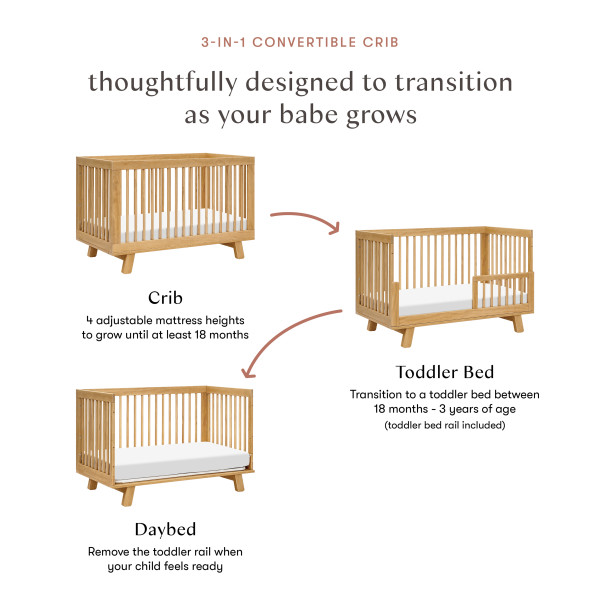
Toddlers usually move to a toddler bed between 18 months and 3 years old. This age range helps children feel safe while gaining independence. Parents often watch for signs like climbing out of a crib before making the switch.
Typical Transition Ages
Most children move to a toddler bed between 18 months and 3 years old. This period suits many kids as they grow restless in cribs. At this age, toddlers start to want more freedom. They can climb out of cribs, which can be unsafe. A toddler bed offers a lower, safer space for sleep. Parents often choose this time to make the switch for safety and comfort.
Variations Among Children
Every child develops at their own pace. Some may be ready for a toddler bed before 18 months. Others might stay in a crib until age 3 or older. Factors like size, mobility, and behavior affect the timing. Some toddlers resist change and need more time. Watch your child’s cues and readiness signs. Comfort and safety remain the top priorities.
Safety Considerations
Safety is the top priority when choosing a toddler bed. Toddlers are active and curious. Their new bed should protect them from falls and injuries. Parents should check bed features and the room setup. A safe space helps toddlers sleep well and parents feel calm.
Bed Design And Features
Choose a bed with low height. It makes climbing in and out easy and safe. Look for guardrails on both sides to stop falls. The mattress should fit tightly to avoid gaps. Avoid sharp edges or loose parts. Strong, sturdy materials keep the bed stable. Check for non-toxic paints and finishes to protect health.
Room Childproofing Tips
Keep the room safe beyond the bed. Anchor furniture to walls to stop tipping. Cover electrical outlets with safety plugs. Remove small objects that can cause choking. Use cordless window blinds to prevent strangling risks. Place the bed away from heaters and windows. A soft rug can cushion any falls on the floor.

Credit: busytoddler.com
Choosing The Right Toddler Bed
Choosing the right toddler bed is important for your child’s safety and comfort. The bed should fit your toddler’s size and needs. It must be strong enough to last through years of use. Also, the style should match your child’s room and personality.
Size And Comfort
Pick a bed that fits your toddler well. It should be bigger than a crib but smaller than an adult bed. The mattress must be soft but supportive. Your child should feel cozy and safe. Proper size helps your toddler sleep better and feel secure.
Durability And Materials
Choose beds made from strong, safe materials. Wood and metal are good options. Check for smooth edges and non-toxic paint. The bed should hold up to rough use. A sturdy bed protects your child from injuries.
Style Options
There are many styles to suit your child’s taste. Some beds have fun shapes like cars or animals. Others look simple and classic. Pick a style that fits your room’s decor. A nice bed can make bedtime more fun.
Making The Transition Smooth
Switching your child to a toddler bed is a big step. It needs care and patience to make the change easy. A smooth transition helps your child feel safe and happy in their new bed. Small changes in routine and gentle support can make a big difference. Here are some ways to help your toddler adjust well.
Creating A Routine
Start by setting a clear bedtime routine. A calm routine helps your child know what to expect. Bath time, story time, and quiet moments can signal bedtime. Keep the routine the same every night. This consistency makes your toddler feel secure and ready to sleep.
Involving Your Toddler
Let your toddler join in the process. Let them pick out their bed or bedding. Talk about the new bed and what it means. This makes them excited and less scared. Children feel proud when they help make decisions.
Handling Nighttime Challenges
Night waking or fear of the dark can happen. Stay calm and comforting if your toddler wakes up. Use a nightlight or a favorite toy for comfort. Avoid rushing or making big changes at night. Patience and kindness help your child settle back to sleep.
Credit: babyletto.com
When To Delay The Transition
Choosing the right time to move your child to a toddler bed is important. Sometimes, waiting longer is better. Watching your child’s behavior and sleep can help decide the right moment. Delaying the switch can make the change easier for both of you.
Behavioral Signs
Some children show signs they are not ready for a toddler bed. They may resist bedtime or seem scared of falling out. Frequent night waking or asking to sleep with parents can also mean delay is best. Your child might feel safe in their crib. Let them stay there until they feel more confident.
Sleep Pattern Considerations
Changes in sleep habits can suggest waiting. If your child wakes up many times at night, they might need more time. Moving too soon can disrupt their sleep. A steady sleep schedule and longer sleep periods mean they may be ready. Watch for calm, deep sleep before making the switch.
Frequently Asked Questions
What Is The Ideal Age For A Toddler Bed Transition?
Most children transition to a toddler bed between 18 months and 3 years old. This age range ensures safety and comfort. It depends on the child’s size, mobility, and readiness to leave the crib.
How To Know When My Toddler Is Ready For A Bed?
Look for signs like climbing out of the crib or expressing interest in a bed. Also, consider their ability to follow bedtime rules. Safety is key when deciding readiness for a toddler bed.
Are Toddler Beds Safer Than Cribs?
Toddler beds are designed with low frames and guardrails for safety. They reduce fall risks compared to cribs once a child starts climbing. Choose a certified toddler bed for the best protection.
When Should I Stop Using A Toddler Bed?
Children usually transition from toddler beds to regular beds between ages 5 and 7. This depends on their height, weight, and comfort. Moving on too early or late can affect sleep quality.
Conclusion
Choosing the right age for a toddler bed helps your child feel safe. Most kids switch between 18 months and 3 years old. Watch your child’s growth and readiness signs closely. A toddler bed makes moving from a crib easier and fun.
Comfort and safety matter most during this change. Every child is different, so trust your instincts. The right time supports good sleep and happy days ahead.