Are you looking for a unique way to organize your books and add style to your space? Making a hexagon bookshelf is easier than you think, and it can transform any room instantly.
Imagine having a beautiful, geometric shelf that not only holds your favorite reads but also becomes a conversation piece. In this guide, you’ll discover simple steps to create your own hexagon bookshelf, even if you’re new to DIY projects. Keep reading, and you’ll be surprised how fun and rewarding this project can be!
Materials And Tools
Gathering the right materials and tools is the first step to build a hexagon bookshelf. Careful selection ensures the project is smooth and the final shelf is sturdy. This section explains the wood choices, essential tools, and safety gear needed.
Wood Selection
Choose wood that is strong and easy to work with. Pine and plywood are great options for beginners. They are affordable and cut easily. Hardwood like oak is more durable but harder to cut. Pick wood with a smooth surface for a neat finish.
Required Tools
You need basic woodworking tools to create clean edges and accurate shapes. A miter saw or circular saw helps cut wood at precise angles. A drill is necessary for making holes and driving screws. Sandpaper smooths the wood edges for safety and looks. A measuring tape and pencil are vital for accurate measurements.
Safety Gear
Protect yourself with proper safety equipment. Safety glasses shield your eyes from dust and wood chips. Hearing protection guards your ears from loud saw noise. Work gloves protect your hands from splinters and sharp edges. A dust mask prevents inhaling fine wood dust during sanding and cutting.
Design Planning
Design planning is the first step to build a hexagon bookshelf. It helps to organize ideas and avoid mistakes. Planning saves time and materials. It also makes the building process smooth and clear.
Start with clear goals for size, shape, and style. Think about where the shelf will go. Consider the space and what you want to store. This helps create a practical and beautiful piece.
Measuring Dimensions
Measure the space where the bookshelf will stand. Use a tape measure and write down the numbers. Decide the size of each hexagon unit. Keep the size balanced and useful. Think about the thickness of the wood too. Accurate measurements prevent problems during assembly.
Sketching The Layout
Draw a simple sketch of the hexagon shelf. Use paper or a digital tool. Show each hexagon and how they connect. Mark the dimensions on the sketch. This visual helps to understand the final look. It guides cutting and assembling steps.
Choosing Finishes
Pick the finish for the wood. Options include paint, stain, or natural look. Consider the room style and color scheme. Test finishes on scrap wood first. Choose one that protects and looks good. The right finish makes the shelf last longer and look polished.
Cutting The Wood
Cutting the wood is a key step in making a hexagon bookshelf. Accurate cuts ensure the pieces fit perfectly. Take your time and prepare your tools well. This step shapes the wood into the right angles and lengths. Precision helps create a strong and beautiful shelf.
Marking Angles
Start by marking the wood with a pencil. Each side of the hexagon needs a 60-degree angle. Use a protractor or an angle ruler for this. Draw clear, straight lines for cutting. Mark both ends of each piece to keep cuts consistent.
Saw Techniques
Use a miter saw or handsaw for cutting. Cut slowly along the marked lines. Keep the saw steady and follow the angle exactly. Avoid rushing to stop rough edges. Make sure each piece matches the others in size and angle.
Sanding Edges
Sand all cut edges smooth with sandpaper. Use medium grit first, then fine grit for a soft finish. Sanding removes splinters and sharp spots. It helps pieces fit better and look nicer. Take care to keep the angles sharp and clean.
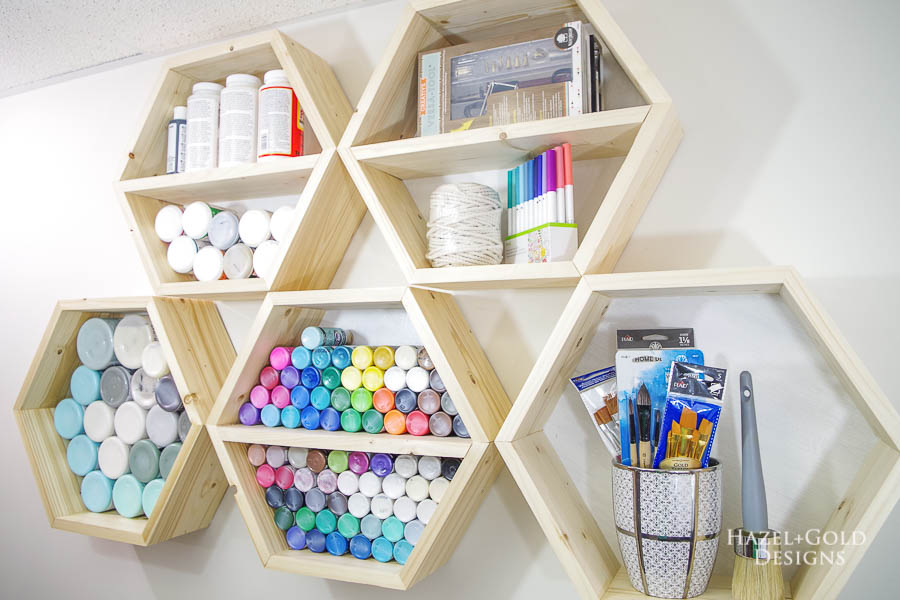
Credit: jenwoodhouse.com
Assembling The Frame
Assembling the frame is the next important step in building your hexagon bookshelf. This part shapes the basic structure and gives the shelf its unique look. Taking care during assembly ensures the shelf is strong and durable. Follow each step carefully to create a perfect frame.
Joining Sides
Start by aligning the wooden sides at a 120-degree angle. This angle forms the hexagon shape. Use clamps to hold the pieces steady. Check that all edges meet evenly. This helps avoid gaps and misalignment.
Securing Joints
Apply wood glue to the edges before joining them. Press the sides firmly together. Use nails or screws to secure the joints. Drill pilot holes to prevent wood from splitting. Clean off excess glue for a neat finish.
Ensuring Stability
After securing joints, let the glue dry completely. Test the frame by gently pressing on different sides. Add corner braces inside the frame for extra strength. Make sure the frame does not wobble or move. A stable frame keeps your books safe.
Adding Shelves
Adding shelves to your hexagon bookshelf creates space for books and decorations. It also strengthens the structure. This part is simple if you follow each step carefully. Proper shelf placement makes the bookshelf look balanced and functional. Start by measuring where each shelf will go. Then, attach the supports firmly. Lastly, install the shelf boards securely.
Measuring Shelf Positions
Measure the inside height of the hexagon frame. Divide the space by the number of shelves you want. Mark these points on the frame walls with a pencil. Double-check measurements for accuracy. Make sure marks are level using a spirit level tool. Even spacing keeps the bookshelf neat and stable.
Attaching Supports
Choose strong wood or metal for the supports. Cut them to fit between the hexagon sides. Attach each support at the marked points using screws or nails. Ensure supports are level and flush with the frame walls. Secure supports tightly to hold the shelf boards well. Proper support prevents sagging or wobbling.
Installing Shelf Boards
Cut the shelf boards to fit inside the hexagon. Sand edges smooth for a clean finish. Place each board on the supports carefully. Check the board sits flat and does not rock. Fix the boards to the supports with screws from underneath. This keeps the top surface clean and smooth.

Credit: www.youtube.com
Finishing Touches
Finishing touches bring your hexagon bookshelf to life. They protect the wood and enhance its look. These final steps make your project durable and stylish. Let’s explore the key finishing touches you need.
Painting And Staining
Choose paint or stain to match your room’s style. Paint gives bold colors and covers wood grain. Stain shows the natural texture and highlights wood patterns. Apply thin, even coats for a smooth finish. Let each coat dry fully before adding the next.
Sealing Surface
Seal the wood to protect it from moisture and scratches. Use a clear varnish or polyurethane for a strong finish. Apply with a brush or spray in thin layers. Sand lightly between coats for a smooth surface. This step extends the life of your bookshelf.
Mounting Options
Choose how to mount your hexagon shelf securely. Wall brackets offer strong support and keep the shelf level. Floating mounts hide hardware for a clean look. Consider the shelf’s weight and wall type. Use anchors or studs to ensure safety.
Maintenance Tips
Keeping your hexagon bookshelf in good shape is important. Regular care helps it last longer and look great. Follow these simple maintenance tips to protect your bookshelf from wear and tear.
Cleaning Methods
Dust the shelves often using a soft cloth or duster. Avoid using wet cloths that can damage the wood. For sticky spots, use a damp cloth with mild soap. Dry the area quickly to stop water damage. Clean corners carefully to remove hidden dust.
Avoiding Damage
Keep heavy items off the edges to prevent warping. Avoid placing the bookshelf in direct sunlight. Sunlight can cause the wood to fade or crack. Use coasters or pads under decorations to stop scratches. Be gentle when placing or removing objects on the shelves.
Periodic Checks
Inspect your bookshelf regularly for loose screws or joints. Tighten any loose parts to keep the structure stable. Look for signs of wood damage like cracks or chips. Fix small problems early to avoid bigger repairs. Check the shelf level to prevent items from sliding off.
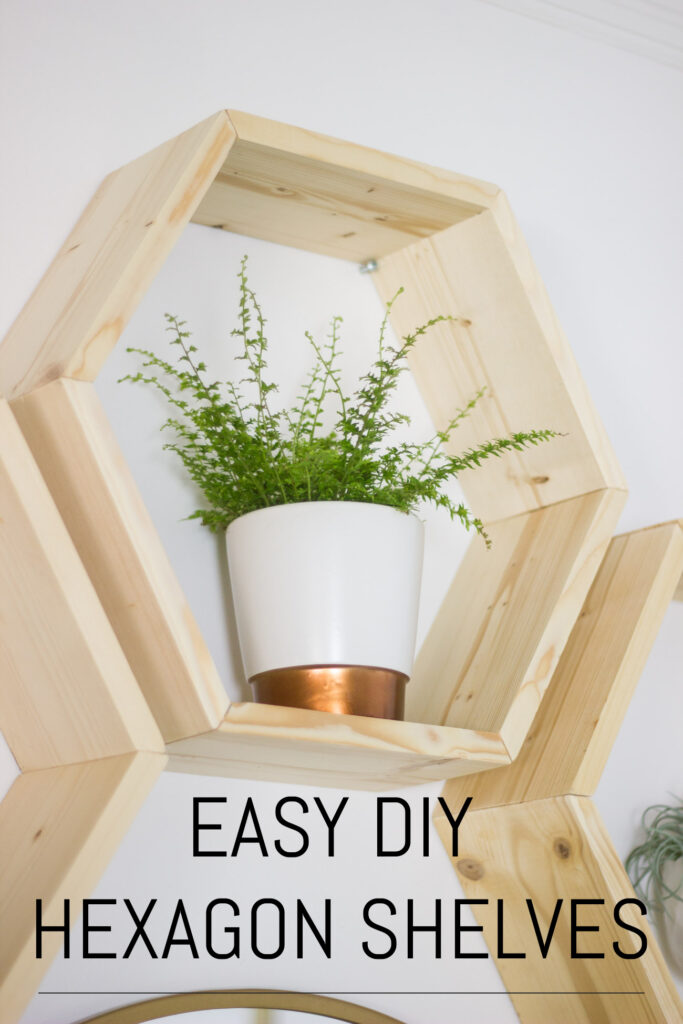
Credit: www.erinspain.com
Frequently Asked Questions
What Materials Are Needed For A Hexagon Bookshelf?
You need plywood, wood glue, screws, sandpaper, paint, and a saw. These materials ensure durability and a smooth finish for your bookshelf.
How Do You Cut Wood For Hexagon Shelves?
Measure and mark six equal 60-degree angles on plywood. Use a miter saw to cut precise hexagon shapes for the shelves.
What Is The Best Way To Assemble A Hexagon Bookshelf?
Start by joining the edges with wood glue, then reinforce with screws. Clamp the pieces until the glue dries for stability.
How Do I Finish And Paint A Hexagon Bookshelf?
Sand all surfaces smooth, apply primer, then paint with your chosen color. Use a sealant for extra protection and a polished look.
Conclusion
Creating a hexagon bookshelf adds style and function to any room. The steps are simple and fun to follow. You can customize the size and color to fit your space. This project helps improve your DIY skills and creativity. Enjoy your new shelf filled with books or decorations.
Try making more shapes to create a unique wall display. Building something with your own hands feels very rewarding. Start your hexagon bookshelf project today and brighten your home.