Are you tired of cluttered floors and crowded tables? Hanging a bookshelf on your wall can instantly free up space and add a stylish touch to your room.
But if you’re not sure how to do it right, you might worry about it falling down or damaging your walls. Don’t worry—this guide will walk you through every step, making the process simple and safe. By the end, you’ll have a sturdy, eye-catching bookshelf that shows off your favorite books and keeps your space organized.
Ready to transform your walls? Let’s get started!
Choosing The Right Bookshelf
Choosing the right bookshelf is the first step to a perfect wall display. It affects how your books look and how safe the shelf will be. Think about the room’s style and the books you want to place. The right shelf supports your needs and fits the space well.
Material And Weight Considerations
Bookshelves come in many materials. Wood is strong and classic. Metal shelves look modern and hold heavy items. Plastic shelves are light but not very strong. Consider the weight of your books. Heavy books need sturdy shelves. Check the shelf’s weight limit before buying.
Size And Style Options
Choose a size that fits your wall space. Small shelves suit tight areas. Large shelves hold more books and decorations. Styles vary from simple to decorative. Pick a style that matches your room’s look. Your shelf should blend well with other furniture.
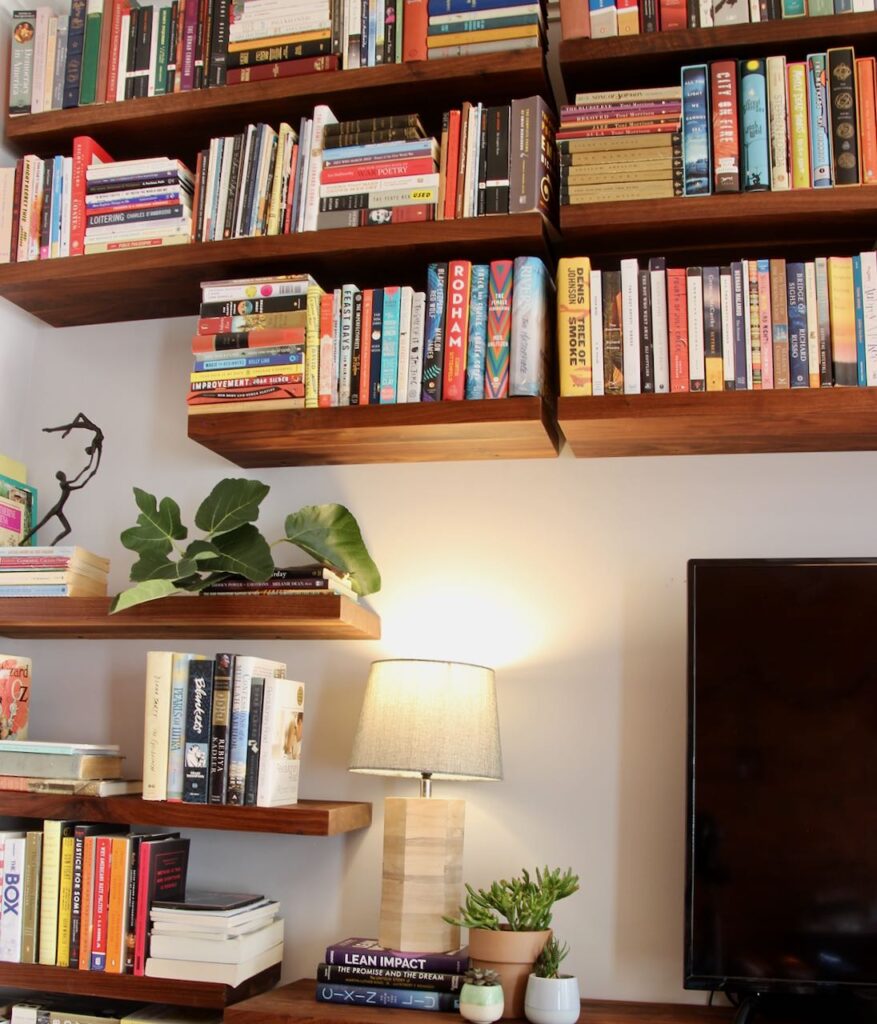
Credit: southhousedesigns.com
Selecting The Wall Location
Selecting the right wall location is the first step to hang a bookshelf safely. The wall must support the weight of the shelf and its contents. Choosing a good spot also keeps your room neat and functional. This section guides you on how to pick the best wall for your bookshelf.
Assessing Wall Strength
Not all walls can hold heavy shelves. Check if the wall is made of solid material like wood or concrete. Drywall alone is too weak to support a heavy shelf. Use a stud finder to locate wooden studs behind the wall. These studs provide strong support for screws and brackets.
Make sure the studs are straight and spaced correctly. Measure the distance between studs to match your shelf brackets. Avoid walls with hollow spaces or damaged areas. These spots may cause the shelf to fall down.
Avoiding Obstacles And Utilities
Look for pipes, wires, or outlets hidden inside the wall. Drilling into these can cause serious damage or injury. Use a wire detector to find electrical cables and plumbing. Mark these areas clearly before you start drilling.
Check the wall surface for nails, hooks, or other obstacles. Clear the area to make shelf installation smooth and safe. Choose a spot where the shelf will not block light switches or vents. This keeps your room comfortable and easy to use.
Gathering Necessary Tools And Materials
Gathering the right tools and materials is the first step to hang a bookshelf safely and securely. Having everything ready saves time and avoids frustration. It also ensures the shelf stays in place and holds your books well. This section covers the essential tools and the best hardware for the job.
Essential Tools Checklist
Prepare these tools before you start:
- Drill with drill bits
- Screwdriver (manual or electric)
- Level to keep the shelf straight
- Measuring tape for accurate placement
- Stud finder to locate wall studs
- Pencil for marking spots
- Wall anchors for extra support
- Safety goggles to protect your eyes
Recommended Hardware Types
Choose hardware based on your wall type and shelf weight:
- Wood screws for wooden studs
- Masonry anchors for brick or concrete walls
- Toggle bolts for hollow walls
- Plastic wall anchors for light loads
- Heavy-duty anchors for large or heavy shelves
Select hardware that matches your wall and shelf weight. This prevents damage and keeps your shelf stable.
Preparing The Wall
Preparing the wall is the first step to hang a bookshelf safely and securely. A strong wall ensures the shelf holds weight without damage. This preparation helps avoid mistakes and saves time. Follow clear steps to ready your wall for installation.
Locating Studs
Studs are vertical wooden beams inside your wall. They provide strong support for heavy shelves. Use a stud finder tool to locate them easily. Slowly move the tool across the wall surface. It beeps or lights up when it finds a stud. Mark the stud positions with a pencil. Avoid attaching the shelf only to drywall. Drywall alone cannot hold much weight.
Marking Drill Points
Mark drill points on the wall at stud locations. Measure the height where you want the shelf to hang. Use a level to ensure the marks are even. Mark holes for screws on these points. Double-check the spacing matches the shelf brackets. Accurate marks make drilling easier and precise. Avoid drilling in the wrong spot to prevent wall damage.
Mounting The Bookshelf Brackets
Mounting the bookshelf brackets is a key step to ensure your shelf stays strong and steady. Proper bracket installation supports the weight of your books and keeps the shelf level. Take time to mount the brackets carefully for a safe and lasting setup.
Drilling Pilot Holes
Start by marking where the brackets will go on the wall. Use a pencil to make small marks for the screws. Choose a drill bit slightly smaller than the screws.
Drill pilot holes at the marks. These holes guide the screws and stop the wall from cracking. Keep the drill steady and straight. Drill only as deep as the screws need to go.
Attaching Brackets Securely
Place the bracket over the pilot holes. Insert screws into the holes and tighten them with a screwdriver. Check the bracket stays level as you tighten.
Do not over-tighten the screws. Tighten until the bracket feels firm and does not move. Test the bracket by gently pulling it. It should hold strong before adding the shelf.
Hanging The Bookshelf
Hanging a bookshelf on the wall can save space and add style to any room. It is important to do it carefully to keep the shelf strong and safe. This section guides you through the steps to hang your bookshelf correctly.
Aligning And Leveling
Start by choosing the right spot on the wall. Use a pencil to mark where the shelf will go. Use a level tool to make sure the marks are straight. Straight lines keep your shelf balanced and look good. Double-check the marks before drilling or nailing.
Securing The Shelf
Find the wall studs with a stud finder. Studs hold more weight than drywall alone. Use screws that fit the brackets or shelf supports. Drill pilot holes into the studs to avoid splitting the wood. Tighten screws firmly but do not over-tighten. Test the shelf by gently pressing on it to ensure it stays secure.
Safety Tips And Final Checks
Hanging a bookshelf on the wall needs careful attention to safety. This part is very important to avoid accidents and damage. Always check your work before using the shelf. Doing final checks keeps your bookshelf strong and safe for your books and items.
Weight Limits
Know the maximum weight your shelf can hold. Every bracket and wall type has a limit. Do not put heavy items beyond this limit. Overloading can cause the shelf to fall. Use a stud finder to place screws in strong spots. This helps hold more weight safely.
Regular Maintenance
Check your bookshelf often for any signs of wear. Tighten loose screws and brackets right away. Look for cracks or bending in the shelf or supports. Clean dust regularly to avoid damage. Small problems can become big ones if ignored. Regular care keeps your shelf safe and lasting longer.
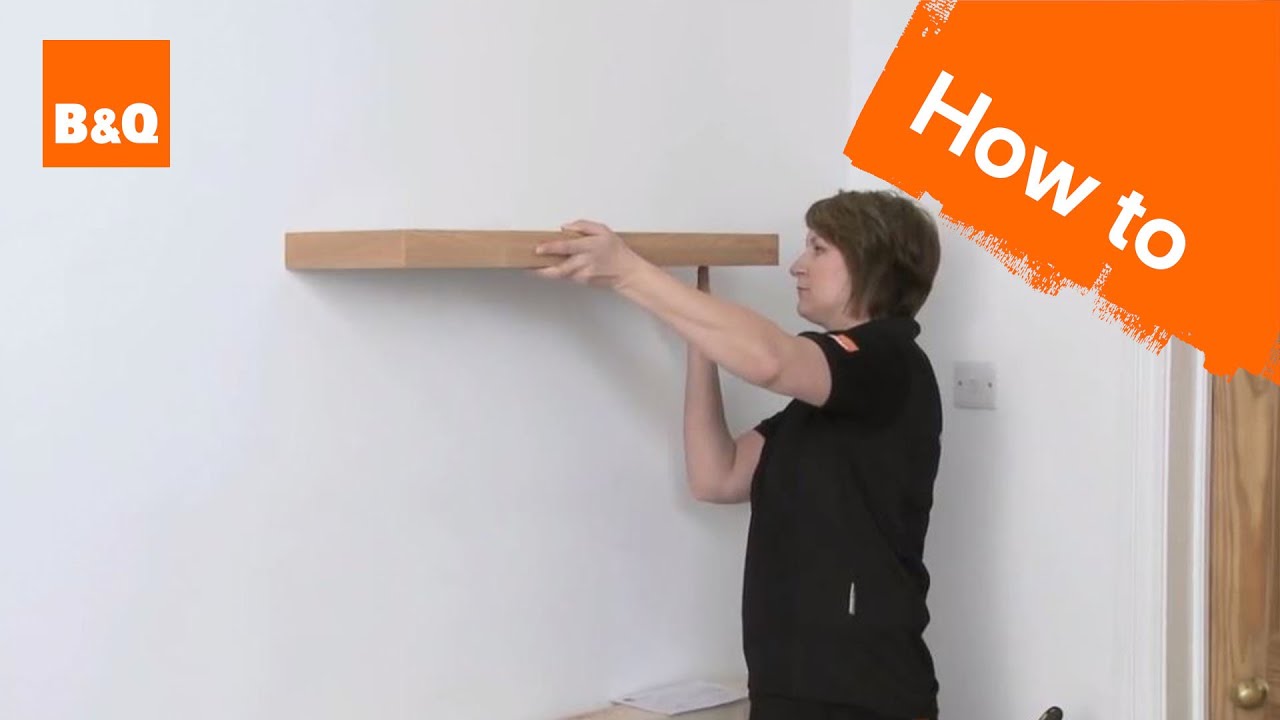
Credit: www.youtube.com

Credit: www.youtube.com
Frequently Asked Questions
How Do I Find Studs To Hang A Bookshelf?
Use a stud finder to locate studs behind your wall. Mark the spots with a pencil. Hanging on studs ensures strong support for your bookshelf.
What Tools Are Needed To Hang A Bookshelf?
You need a drill, screws, a level, a stud finder, and wall anchors. These tools help secure the shelf safely and evenly on the wall.
Can I Hang A Bookshelf On Drywall Without Studs?
Yes, use heavy-duty wall anchors designed for drywall. They provide good support but avoid heavy loads to prevent damage or falling.
What Height Is Best For Hanging A Bookshelf?
Hang the shelf at eye level or slightly above for easy access. Adjust height based on room layout and personal preference for best usability.
Conclusion
Hanging a bookshelf on your wall is easier than it seems. Follow the steps carefully to keep it sturdy and safe. Choose the right tools and anchors for your wall type. Measure twice to avoid mistakes and ensure balance. Take your time and work with care.
Soon, you will enjoy your new shelf holding books and decorations. A simple project that adds style and space to any room. Give it a try and see the difference it makes.