Are you tired of cluttered spaces and struggling to find the perfect spot for your books? A long narrow bookshelf might be exactly what you need to organize your collection without taking up too much room.
Imagine having a sleek, custom shelf that fits perfectly along your hallway, behind a door, or in that tight corner. In this guide, you’ll discover simple steps to build a sturdy, stylish bookshelf that not only saves space but also adds charm to your home.
Keep reading, and soon you’ll have a beautiful bookshelf that showcases your books just the way you want.
Planning Your Bookshelf
Planning your long narrow bookshelf is the first step to building a strong and useful piece. Good planning saves time and materials. It helps you avoid mistakes during construction. Start by thinking about the size, materials, and tools needed. Careful planning makes the whole project easier.
Choosing The Right Dimensions
Measure the space where the bookshelf will stand. Consider the height, width, and depth. A narrow bookshelf usually has a depth between 8 to 12 inches. The height depends on your room and needs. Make sure the width fits the wall without crowding the room. Keep the shelves tall enough for your books.
Selecting Materials
Pick wood that is strong and easy to work with. Pine and plywood are common choices. Pine is soft and affordable, good for beginners. Plywood is sturdy and resists warping. Use wood that matches your room’s style. Choose a finish that protects and looks nice.
Tools You’ll Need
Gather basic tools before starting. A saw cuts wood to size. A drill makes holes for screws. Sandpaper smooths rough edges. You need a measuring tape and pencil for marking. A level keeps shelves straight. Clamps hold pieces together while gluing or screwing. Having tools ready speeds up work.
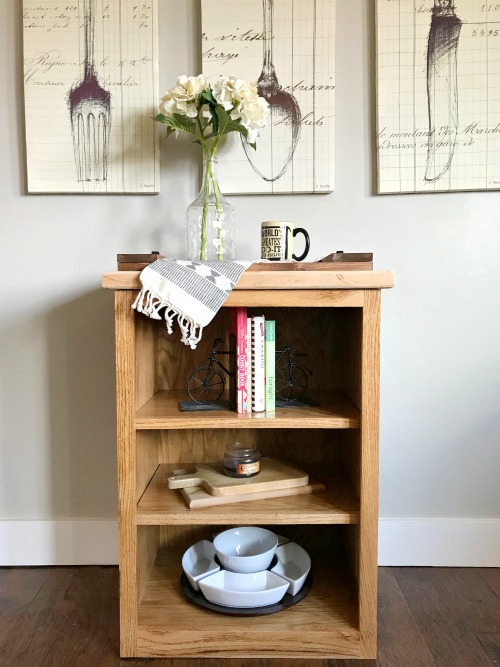
Credit: www.woodshopdiaries.com
Preparing The Workspace
Preparing the workspace is the first step in building your long narrow bookshelf. A clean and well-organized space helps you work faster and safer. It also reduces mistakes and frustration. Taking time to set up the area can save hours later.
Clearing And Organizing
Remove all unnecessary items from your work area. Clear a large flat surface to lay out your materials. Organize your tools and wood pieces within easy reach. Group similar items together to avoid confusion. A tidy space helps you focus and move smoothly through each step.
Safety Precautions
Wear safety glasses to protect your eyes from dust and debris. Use gloves to guard your hands from splinters and sharp edges. Keep a first aid kit nearby for minor cuts or scrapes. Make sure your workspace is well-lit and ventilated. Secure loose clothing and tie back long hair to avoid accidents.
Cutting The Wood
Cutting the wood is a key step in building a long narrow bookshelf. It shapes the pieces to the right size. Careful cutting ensures the shelf fits well and looks good. Using the right tools and methods helps make clean, accurate cuts. This step takes patience and attention.
Start by preparing your workspace. Clear the area and have all tools ready. Safety gear like goggles and gloves is important. Measure twice, cut once is a good rule to follow.
Measuring And Marking
Measure each piece of wood carefully. Use a tape measure for accuracy. Mark the cut lines clearly with a pencil. Draw straight lines using a ruler or square. Check all measurements before cutting. This avoids mistakes and wasted wood.
Making Precise Cuts
Choose the right saw for your wood type and cut. A circular saw or handsaw works well for straight cuts. Follow the marked lines slowly and steadily. Keep the saw steady to avoid rough edges. Use clamps to hold the wood firmly in place. Sand the edges after cutting for a smooth finish.
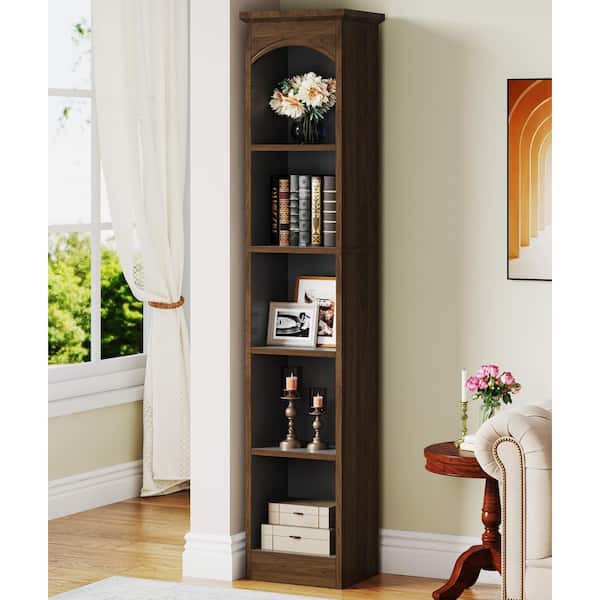
Credit: www.homedepot.com
Assembling The Frame
Assembling the frame is the first big step in building your long narrow bookshelf. This step sets the shape and strength of the entire piece. Take your time to get each part aligned and steady. A strong frame means a stable bookshelf that lasts.
Joining Side Panels And Shelves
Start by placing the side panels upright and parallel. Fit the shelves between these panels at your chosen heights. Make sure each shelf sits flush with the edges of the side panels. Use clamps to hold them tight if you have them. Check that everything forms straight right angles. This keeps the bookshelf balanced and neat.
Securing With Screws And Glue
Apply wood glue to the ends of each shelf before placing it between the side panels. This adds extra hold and stops wobbling. Next, drill pilot holes through the side panels into the shelves. Use screws to fasten the shelves securely. Countersink the screws so they sit just below the wood surface. Wipe off excess glue quickly to avoid stains. Tight joints create a sturdy frame ready for finishing touches.
Adding Support And Stability
Support and stability are key for a long narrow bookshelf. Without strong support, the shelf may wobble or bend. Stability ensures your books stay safe and your shelf lasts longer. This section covers two main ways to add strength to your bookshelf. Follow these steps to make a sturdy and reliable piece.
Installing Back Panels
Back panels help keep the bookshelf square and steady. Use a thin plywood or hardboard sheet cut to fit the back. Attach the panel with screws or nails along the edges. This prevents the frame from twisting or leaning. Secure panels also stop dust from entering the back of the shelf. Make sure the panel fits tightly for best support.
Adding Braces Or Anchors
Braces add extra strength to the corners or shelves. Use metal L-brackets on inside corners to hold joints firmly. Screw the brackets into both the side and the shelf board. Anchors fix the bookshelf to the wall to stop tipping. Use wall anchors and screws to attach brackets to the wall studs. This step is vital for tall or heavy shelves. It keeps the bookshelf safe, especially in busy rooms.
Finishing Touches
Finishing touches make your long narrow bookshelf look complete and polished. They protect the wood and improve the overall appearance. Taking time to finish your project carefully adds value and beauty.
Sanding Smooth Surfaces
Start by sanding all surfaces with fine-grit sandpaper. This removes rough spots and splinters. Sand along the wood grain for a smooth finish. Wipe off dust with a clean cloth before moving on.
Applying Paint Or Stain
Choose paint or stain to match your room’s style. Apply thin, even coats with a brush or cloth. Let each coat dry fully before adding another. This step protects the wood and enhances its natural beauty.
Installing Decorative Elements
Add trim, molding, or small accents to personalize your shelf. Use nails or wood glue for secure attachment. Decorative touches make your bookshelf unique and stylish. Keep designs simple to match the narrow shape.
Maintaining Your Bookshelf
Maintaining your long narrow bookshelf keeps it looking good and lasting long. Simple care helps avoid damage and dust buildup. A clean, well-kept shelf shows off your books and items better.
Regular Cleaning Tips
Dust your bookshelf once a week using a soft cloth. Use a microfiber cloth to trap dust without scratching. Clean shelves gently to avoid damaging the wood or paint.
For stubborn dirt, use a damp cloth with mild soap. Wipe dry immediately to prevent water damage. Avoid harsh chemicals that can ruin the finish.
Preventing Damage
Keep the bookshelf away from direct sunlight to stop fading. Avoid placing it near heaters or damp areas to prevent warping. Use coasters under plants or items that may leak water.
Do not overload shelves; spread books evenly to avoid bending. Tighten screws and bolts every few months to keep stability. Handle the shelf with care when moving it to prevent scratches or dents.

Credit: www.amazon.com
Frequently Asked Questions
What Materials Are Best For A Long Narrow Bookshelf?
Use sturdy wood like pine, oak, or plywood for strength and durability. Choose materials that are easy to cut and finish. These woods hold screws well and provide a stable structure for your bookshelf.
How Do I Measure Space For A Narrow Bookshelf?
Measure the height, width, and depth of your available space carefully. Ensure the bookshelf fits without blocking walkways or outlets. Accurate measurements prevent costly mistakes and ensure a perfect fit.
What Tools Are Needed To Build A Narrow Bookshelf?
Basic tools include a saw, drill, screwdriver, measuring tape, level, and clamps. These tools help cut, assemble, and secure the parts efficiently. Having the right tools makes construction easier and safer.
How Can I Prevent A Long Bookshelf From Tipping Over?
Secure the bookshelf to the wall using brackets or anchors. Distribute weight evenly by placing heavier items at the bottom. These steps enhance stability and prevent accidents.
Conclusion
Building a long narrow bookshelf can fit any small space well. Step-by-step, you create something both useful and neat. Choose the right materials and measure twice before cutting. Take your time to assemble pieces carefully. A sturdy bookshelf holds many books without tipping.
Personalize it with paint or stain for style. This project adds charm and storage to your room. Enjoy your new bookshelf every day. Simple, practical, and made by you.