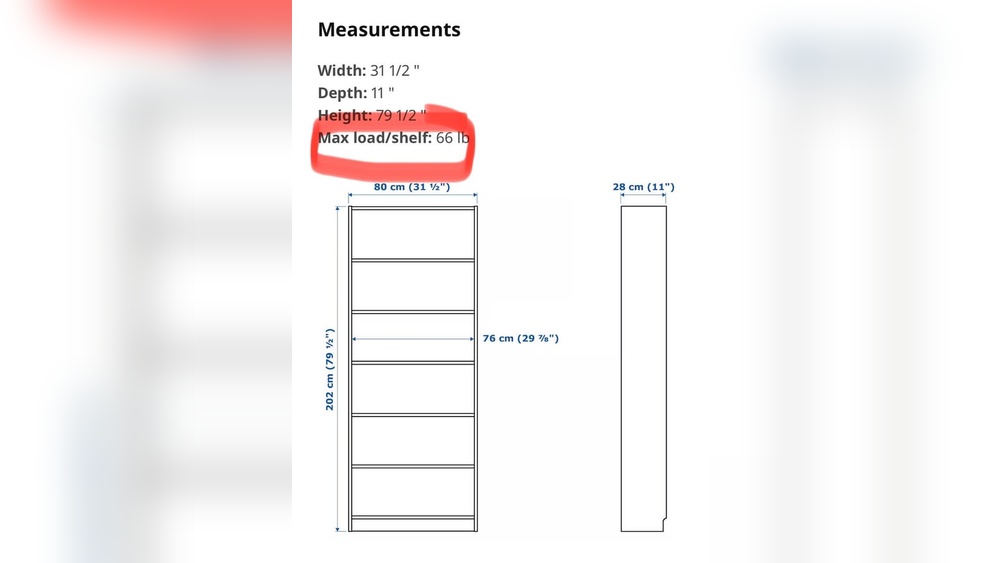
Have you ever wondered how much weight your bookshelf can safely hold? Whether you’re a book lover stacking your favorite novels or someone organizing heavy decor, knowing the right limit is crucial.
Too much weight can cause damage, and too little means you’re not using your space wisely. You’ll discover exactly how to find the perfect balance for your bookshelf. Keep reading to protect your furniture and keep your items secure.

Credit: shelfology.com
Bookshelf Weight Limits
Knowing the weight limits of a bookshelf is important for safety and durability. Overloading can cause shelves to bend or break. It can also damage the wall or floor. Understanding these limits helps protect your books and belongings.
Factors Affecting Capacity
The material of the bookshelf plays a big role. Solid wood shelves hold more weight than particleboard ones. The thickness of each shelf matters too. Thicker shelves can carry heavier loads. The shelf design also affects strength. Shelves with metal supports hold more weight. Wall-mounted bookshelves usually support less weight than free-standing ones. The way shelves are fixed to the frame or wall impacts capacity. Proper installation improves weight limits. Even the size of the shelf changes how much it can hold. Larger shelves may sag under heavy weight without extra support.
Common Weight Ranges
Most standard bookshelves hold between 20 to 50 pounds per shelf. Basic particleboard shelves usually support 20 to 30 pounds. Solid wood shelves often hold 40 to 50 pounds safely. Metal shelves can carry even more, sometimes up to 100 pounds. Wall-mounted shelves usually hold less, around 15 to 30 pounds. Heavy-duty or commercial shelves support over 100 pounds per shelf. Always check the manufacturer’s guide for exact limits. Distributing weight evenly improves shelf performance and safety.
Materials And Strength
The strength of a bookshelf depends greatly on the materials used. Different materials hold different amounts of weight. Choosing the right material can keep your books safe and prevent damage. Here is a look at common materials and their strength.
Wood Types And Durability
Solid wood is strong and lasts a long time. Hardwoods like oak and maple hold more weight than softwoods. Pine is lighter but less durable. Wood shelves can support heavy books if thick enough. Wood may bend or crack under too much weight.
Metal And Glass Shelves
Metal shelves are strong and support heavy loads well. Steel frames hold more weight than aluminum. Glass shelves look nice but hold less weight. Tempered glass is safer and stronger than regular glass. Metal can bend if thin, glass can break if overloaded.
Composite Materials
Composite shelves are made from wood fibers and resin. They cost less than solid wood. Strength varies by quality and thickness. Medium-density fiberboard (MDF) is common but less strong. Particleboard is weaker and can sag with heavy books. Composite shelves work well for light to medium loads.
Shelf Design Impact
The design of a bookshelf shelf plays a big role in how much weight it can hold. Different factors in the shelf design affect its strength and stability. Understanding these can help you choose or build shelves that last and hold your books safely.
Strong shelf design means better support for your books. Weak design can cause shelves to sag or break. Let’s explore key parts of shelf design that impact weight capacity.
Thickness And Depth
Thicker shelves hold more weight. Thin shelves bend easily under heavy loads. Depth also matters. Deeper shelves spread the weight better. They reduce stress on the shelf edges. A good balance of thickness and depth makes shelves stable.
Support Structures
Supports like brackets or center beams add strength. They prevent shelves from bowing in the middle. More support points mean better weight distribution. Without enough support, shelves can break under heavy books. Proper support structures increase shelf durability.
Mounting Methods
How shelves attach to the wall affects their strength. Strong mounts hold more weight safely. Screws into wall studs work best. Simple hooks or weak anchors may fail. Secure mounting keeps shelves steady and prevents accidents.

Credit: shelfology.com
Weight Distribution Tips
Weight distribution is key to keeping your bookshelf safe and sturdy. Proper weight balance helps avoid damage and extends shelf life. It also prevents tipping or warping over time.
Follow these simple tips to spread weight evenly and protect your furniture. This approach supports both the shelf and your valuable books or items.
Even Loading Practices
Place items evenly across each shelf. Avoid piling too many books on one side. Spread the weight to keep shelves balanced and stable. This prevents bending or breaking over time.
Avoiding Overloading
Know the weight limit of your bookshelf. Do not put more weight than recommended. Overloading causes shelves to sag or collapse. Keep the total weight within safe limits.
Heavy Item Placement
Put heavy items on the bottom shelves. This lowers the center of gravity and improves stability. Light items should go on higher shelves. This method keeps your bookshelf steady and safe.
Safety Considerations
Safety is very important when deciding how much weight a bookshelf should hold. Shelves can break or fall if overloaded. This can cause injury or damage. Knowing the signs of stress and how to prevent collapse keeps everyone safe. Taking steps to childproof shelves adds extra protection at home.
Signs Of Stress
Look for cracks or bends in the shelf boards. Warping or sagging shows the shelf holds too much weight. Loose screws or brackets also mean trouble. Listen for creaking noises when adding books. These signs warn the shelf might break soon.
Preventing Shelf Collapse
Distribute weight evenly across the shelf. Avoid placing heavy items all in one spot. Use proper brackets and anchors for support. Do not exceed the weight limit set by the manufacturer. Regularly check the shelf for any damage or weakness.
Childproofing Shelves
Secure bookshelves to the wall with safety straps. Keep heavy or sharp objects out of children’s reach. Use corner protectors on sharp edges. Teach children not to climb shelves or pull on them. These steps reduce accidents and keep kids safe.
Maximizing Shelf Lifespan
Maximizing the lifespan of your bookshelf helps keep it strong and safe. Shelves hold heavy books and items. Over time, weight and use can weaken them. Simple care and checks can make shelves last longer. This saves money and keeps your space neat.
Maintenance Tips
Keep shelves clean and dry. Dust can cause damage over time. Wipe shelves with a soft cloth regularly. Avoid placing wet or damp items directly on shelves. Use coasters or mats under heavy items to spread weight evenly. Avoid overloading shelves beyond their weight limit.
Regular Inspections
Check shelves for signs of wear often. Look for cracks, warping, or loose screws. Tighten screws and brackets as needed. Look under shelves for sagging or bending. Early detection of problems can prevent bigger damage. Inspect shelves after moving or shifting heavy items.
Upgrading Supports
Strong supports help shelves hold more weight safely. Replace weak brackets with metal or heavy-duty ones. Add extra brackets for long or heavily loaded shelves. Consider wall anchors for better stability. Use shelf liners to reduce slipping and pressure points. Upgrading supports extends shelf life and safety.

Credit: www.reddit.com
Frequently Asked Questions
How Much Weight Can A Standard Bookshelf Hold?
A standard bookshelf typically supports 20 to 40 pounds per shelf. Weight depends on materials and design. Heavier loads may require reinforced shelves or brackets. Always check manufacturer guidelines for specific weight limits to ensure safety and durability.
What Factors Affect Bookshelf Weight Capacity?
Shelf material, thickness, and support brackets impact weight capacity. Wood shelves hold more than particleboard. Wall mounting strength also matters. Proper installation ensures stability and prevents damage from excessive weight.
How To Increase A Bookshelf’s Weight Capacity?
Use thicker shelves, add extra brackets, or choose sturdier materials. Reinforce shelves with metal supports or install wall anchors for better load distribution. Regularly check for wear to maintain safety and maximize capacity.
Is It Safe To Overload A Bookshelf?
Overloading risks shelf sagging, collapse, or wall damage. Excess weight can harm both books and furniture. Follow weight limits to prevent accidents and maintain bookshelf integrity over time.
Conclusion
A bookshelf should hold weight safely without bending or breaking. Check the shelf material and thickness before placing heavy items. Spread weight evenly across the shelves to avoid damage. Remember, each shelf has its own weight limit. Choose sturdy shelves for heavy books or decorations.
Taking care of your bookshelf helps it last longer. Simple steps keep your books and items secure. Keep these tips in mind for a strong, lasting bookshelf.