
Are you tired of cluttered floors and searching for the perfect spot to display your favorite books? Installing a bookshelf on your wall is a smart way to save space and add style to any room.
But if you’ve never done it before, the process might seem tricky. Don’t worry—you can easily learn how to install a bookshelf on your wall, even if you’re not a DIY expert. Keep reading, and you’ll discover simple, step-by-step instructions that will help you create a beautiful, sturdy bookshelf that fits your space perfectly.
Your walls are ready—are you?
Choosing The Right Bookshelf
Choosing the right bookshelf is key to a neat and safe wall display. The right shelf fits your space, style, and needs. It must hold your books safely without damage or risk.
Consider the type, material, and size before buying. Also, think about how much weight the shelf can hold. These factors help you pick a strong and good-looking shelf for your wall.
Types Of Bookshelves
Wall bookshelves come in many styles. Floating shelves offer a clean, modern look. Corner shelves use small spaces well. Ladder shelves lean against the wall and add style. Choose a type that fits your room and use.
Materials And Sizes
Wood shelves bring warmth and strength. Metal shelves are strong and sleek. Glass shelves look light but hold less weight. Match the shelf size to your wall space. Small shelves suit tiny spots. Large shelves fit wide walls. Pick a material and size that match your room and taste.
Weight Capacity Considerations
Books can be heavy. Your shelf must hold all books safely. Check the weight limit before buying. Use strong wall anchors for heavy loads. Overloading shelves can cause damage or injury. A safe shelf keeps books steady and your wall intact.
:max_bytes(150000):strip_icc()/installing-wall-shelves-with-standards-139829-07-2c258e129fb74288b74cba38b35141ed.jpg)
Credit: www.thespruce.com
Selecting The Wall Location
Choosing the right wall location is the first step to a strong and safe bookshelf. The wall must hold the weight of your books and shelf. Picking the perfect spot ensures your bookshelf stays steady for years.
Finding Studs And Supports
Studs are wooden beams behind drywall. They give strong support to your shelf. Use a stud finder to locate them easily. Mark the stud positions with a pencil. Always attach your shelf brackets to studs for safety.
Avoiding Obstructions
Check the wall for pipes, wires, and outlets. These can cause damage or be dangerous during installation. Use a wire detector or tap the wall lightly to find hollow areas. Avoid spots with electrical or plumbing lines.
Measuring And Marking
Measure the height and width for your bookshelf carefully. Mark the exact spots for brackets and shelves. Use a level to keep everything straight. Double-check your measurements before drilling holes.
Gathering Tools And Materials
Before installing a bookshelf on your wall, gather all necessary tools and materials. This step ensures a smooth and safe installation. Being prepared saves time and avoids frustration. Below are the key items you need to collect.
Essential Tools
Start with basic tools. A drill helps make holes in the wall. A screwdriver tightens screws securely. A level keeps the shelf straight. A tape measure ensures accurate spacing. A pencil marks where to drill. These tools form the foundation of your work.
Mounting Hardware Options
Select mounting hardware based on your wall type. Use wall anchors for drywall to hold weight safely. Stud screws work best for wooden walls. Heavy-duty brackets support larger shelves. Choose hardware that matches shelf size and weight. Proper hardware prevents the shelf from falling.
Safety Gear
Protect yourself during installation. Safety glasses shield your eyes from dust. Gloves protect your hands from sharp edges. Wear a dust mask if drilling creates dust. Good lighting helps you see clearly. Safety gear keeps accidents and injuries away.
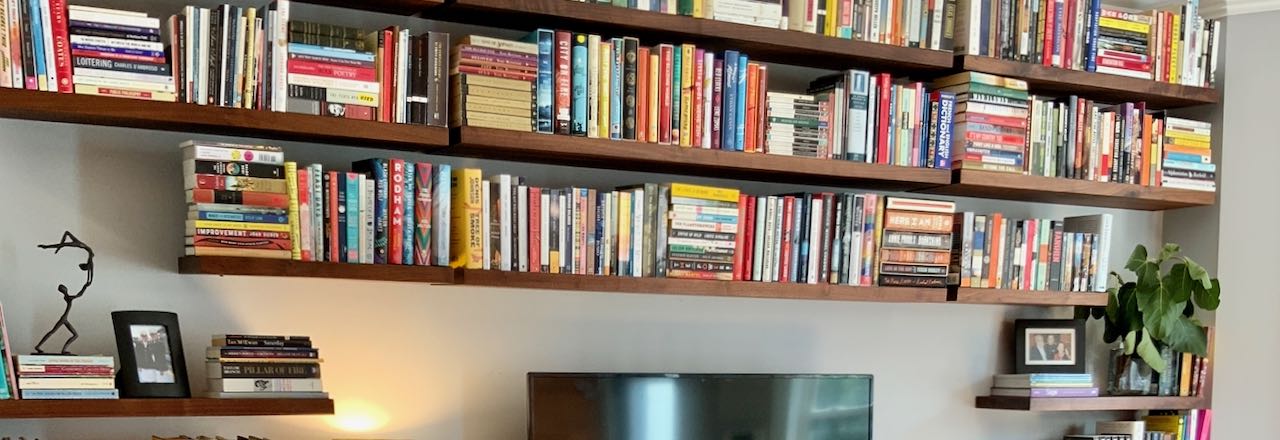
Credit: southhousedesigns.com
Preparing The Wall
Preparing the wall is a key step before installing a bookshelf. It helps the shelf stay strong and safe. A clean and smooth wall gives better support. You avoid problems like shelves falling or looking uneven. Follow these steps to get the wall ready.
Cleaning The Surface
Start by removing dust and dirt from the wall. Use a damp cloth or sponge for cleaning. Dirt can stop glue or screws from holding well. Let the wall dry completely before moving on.
Repairing Imperfections
Check the wall for holes, cracks, or bumps. Use spackle or filler to fix small holes and cracks. Smooth the surface with sandpaper once dry. A flat wall helps the shelf sit tight and level.
Priming If Necessary
Some walls need primer before attaching shelves. Primer helps paint or glue stick better. It also protects the wall from damage. Apply primer evenly and let it dry fully before installation.
Mounting The Bookshelf
Mounting the bookshelf on your wall is a crucial step. It ensures the shelf stays secure and holds your books safely. Careful mounting prevents accidents and keeps the shelf level and strong. Follow these steps for a solid installation.
Drilling Pilot Holes
Mark the spots where you will attach the brackets. Use a pencil and a level to ensure accuracy. Choose a drill bit slightly smaller than the screws. Drill pilot holes into the marked spots. This helps prevent wood from splitting and makes screwing easier.
Securing Brackets Or Mounts
Hold the bracket in place over the pilot holes. Use screws that fit the bracket holes perfectly. Drive the screws into the wall or studs firmly. Make sure the bracket feels tight and does not wobble. Repeat for all brackets supporting the shelf.
Leveling The Shelf
Place the bookshelf on the mounted brackets. Use a level tool on top of the shelf. Check if the bubble is centered between the lines. Adjust the shelf or brackets until it is perfectly level. A level shelf keeps books from sliding or falling.
Final Adjustments And Checks
After installing your bookshelf, it is important to do final adjustments and checks. These steps help make sure the shelf stays safe and strong. Take your time to review every part. Small fixes now can prevent big problems later.
Ensuring Stability
Check that the bookshelf does not wobble or lean. Press gently on different areas to see if it moves. Tighten all screws and bolts firmly. Use a level tool to confirm the shelf is straight. A stable shelf holds books safely and looks better.
Adding Wall Anchors
Wall anchors add extra support to your shelf. They keep it secure, especially on drywall or plaster walls. Choose the right anchors based on wall type and shelf weight. Drill holes carefully and insert anchors fully. Attach the shelf brackets firmly to these anchors for strong hold.
Testing Weight Capacity
Start by placing a few light books on the shelf. Watch for any signs of bending or loosening. Slowly add more weight, step by step. Stop if the shelf shows any strain or movement. Knowing the shelf’s limit protects your books and walls from damage.
Decorating And Organizing
Decorating and organizing your wall bookshelf can transform any room. It brings style and function together. Proper arrangement creates a cozy and inviting space. Simple steps help maintain order and beauty over time.
Follow these tips to make your bookshelf both useful and attractive.
Arranging Books And Items
Start by placing books by size or color for easy access. Mix vertical and horizontal stacks to add interest. Use bookends to keep books upright and neat. Add decorative items like plants, candles, or photos. Keep heavier items on lower shelves for safety. Leave some empty space to avoid cluttered looks.
Maintaining Balance And Aesthetics
Balance is key to a pleasing bookshelf display. Spread out colors and shapes evenly across shelves. Avoid placing all large items on one side. Group similar items to create harmony. Use symmetrical or asymmetrical arrangements to fit your style. Changing the layout occasionally keeps the look fresh.
Tips For Long-term Care
Dust shelves regularly to keep them clean. Check for loose screws or supports often. Avoid overloading shelves beyond their weight limit. Use coasters under plants to prevent water damage. Rotate books and items to prevent fading in sunlight. Keep your bookshelf organized to save time and space.
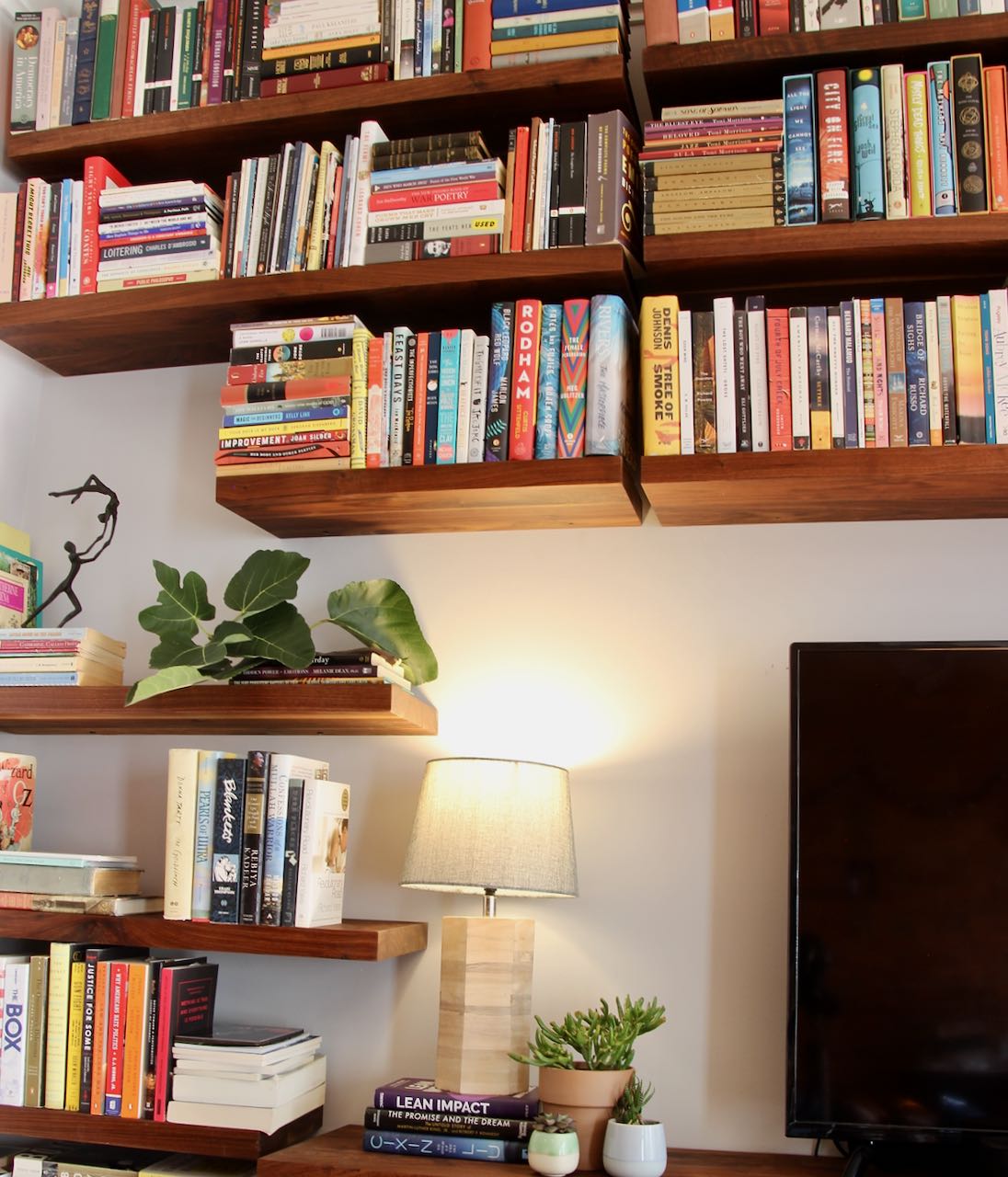
Credit: southhousedesigns.com
Frequently Asked Questions
How Do I Choose The Right Wall For A Bookshelf?
Select a sturdy wall, preferably with studs, to support weight. Avoid drywall alone. Use a stud finder for best results. This ensures the bookshelf is secure and safe to use.
What Tools Are Needed To Install A Wall Bookshelf?
You need a drill, level, stud finder, screwdriver, tape measure, and wall anchors. These tools help ensure precise placement and secure mounting of your bookshelf.
How Do I Find Studs For Bookshelf Installation?
Use a stud finder to locate wooden studs behind drywall. Mark these spots for drilling. Studs provide strong support for mounting heavy shelves safely.
Can I Install A Bookshelf On Drywall Without Studs?
Yes, but use heavy-duty wall anchors designed for drywall. These anchors prevent shelves from pulling out. However, stud mounting is more secure for heavy loads.
Conclusion
Installing a bookshelf on your wall can be simple and rewarding. Follow each step carefully for a sturdy setup. Use the right tools and wall anchors to keep it safe. Take your time measuring and leveling for the best results.
Enjoy organizing your books and decorating your space neatly. A well-installed bookshelf adds charm and saves floor space. Try this project to improve your home easily and quickly.
