Are you tired of cluttered spaces and looking for an easy way to organize your books? A simple wall bookshelf could be the perfect solution for you.
Not only does it save floor space, but it also adds a stylish touch to any room. Imagine having your favorite books within arm’s reach, neatly displayed where everyone can see. In this guide, you’ll learn step-by-step how to build a wall bookshelf that fits your style and needs—without needing expert skills or expensive tools.
Ready to transform your wall and create a cozy, organized space? Let’s get started!
Materials And Tools Needed
Building a simple wall bookshelf needs the right materials and tools. Choosing the correct supplies ensures a sturdy and neat shelf. Preparing everything before starting makes the work easier and faster.
Below is a list of essential supplies and recommended tools for this project.
Essential Supplies
- Wood boards (pine or plywood, cut to size)
- Wood screws (1.5 to 2 inches long)
- Wall anchors (for drywall installation)
- Wood glue (optional for extra strength)
- Sandpaper (medium and fine grit)
- Wood finish or paint (your choice of color)
- Paintbrush or cloth (for applying finish)
- Measuring tape
- Pencil
- Level (to keep shelves straight)
Recommended Tools
- Electric drill with drill bits
- Screwdriver (or drill with screwdriver bit)
- Handsaw or circular saw (for cutting wood)
- Clamps (to hold wood while gluing)
- Stud finder (to locate wall studs)
- Safety glasses
- Dust mask (to protect from sawdust)
:max_bytes(150000):strip_icc()/6a00d8358081ff69e2019b03b28988970c-800wi-302340cc45e44a26b3afba90dc52b5e4.jpg)
Credit: www.thespruce.com
Choosing The Right Wood
Choosing the right wood is key to making a sturdy wall bookshelf. The wood affects how strong and good the shelf looks. It also changes how easy the shelf is to build. Picking the right type and size of wood helps your shelf hold books safely and last a long time.
Types Of Wood For Shelves
Softwoods like pine are light and easy to cut. They cost less but can dent easily. Hardwoods such as oak, maple, or cherry are stronger. They resist scratches and hold heavy books well. Plywood is another option. It is made from thin wood layers glued together. Plywood is strong and less likely to warp. Choose wood based on your budget and style.
Wood Thickness And Size
Thicker wood supports more weight. A thickness of 3/4 inch is common for shelves. Thinner wood may sag under heavy books. The size depends on the space available and book sizes. Longer shelves need thicker wood or extra support brackets. Cut wood to fit your wall space perfectly. Proper size and thickness ensure a safe, neat bookshelf.
Preparing The Wood
Preparing the wood is the first important step to build a simple wall bookshelf. Good preparation makes sure the shelf is strong and looks neat. Taking your time here saves effort later. Follow clear steps for the best results.
Measuring And Marking
Measure the wood carefully before cutting. Use a tape measure for exact lengths. Mark the spots with a pencil. Double-check your marks to avoid mistakes. Clear marks help you cut straight lines. Accuracy here keeps the shelf balanced and even.
Cutting Techniques
Use the right saw for your wood type. A handsaw or circular saw works well for most shelves. Cut slowly along the marks. Keep the saw steady to avoid rough edges. Smooth cuts make the shelf fit better. Sand any rough parts after cutting for safety.
Assembling The Bookshelf
Assembling the bookshelf is the step where your project starts to take shape. This part involves putting all the cut pieces together to form the structure. Careful assembly ensures your bookshelf will be strong and stable.
Follow these steps to join and secure the pieces correctly. Take your time and check each connection before moving forward. A well-assembled bookshelf lasts longer and holds more weight safely.
Joining The Pieces
Start by aligning the shelves with the side panels. Make sure the edges match perfectly. Use clamps to hold the pieces in place if needed. This keeps the parts steady during assembly. Check that shelves are level and spaced evenly. Proper joining prevents gaps and uneven shelves.
Securing With Screws And Nails
Use screws for stronger connections at key points. Pre-drill holes to avoid splitting the wood. Drive screws slowly and straight for a tight fit. Nails can be used to add extra support. Hammer them gently to avoid damage. Secure all corners and joints firmly. This step makes the bookshelf sturdy and ready for use.
Sanding And Finishing
Sanding and finishing are key steps in making a simple wall bookshelf. They help protect the wood and give it a nice look. A smooth surface makes the bookshelf safe and pleasant to touch. Finishing adds color or shine and keeps the wood strong over time.
Smoothing The Surface
Start sanding with medium grit sandpaper to remove rough spots. Sand along the wood grain for best results. Use finer grit paper to smooth the surface. Check for any splinters or uneven areas. Wipe off dust with a clean cloth before finishing. A smooth surface ensures paint or stain goes on evenly.
Painting Or Staining Options
Choose paint for bright, solid colors on your bookshelf. Use a brush or roller to apply thin coats. Let each coat dry before adding the next. Stain shows the wood’s natural grain and adds warm tones. Apply stain with a cloth or brush, then wipe off extra. Finish with a clear sealant to protect the color and wood.

Credit: everestkitchennc.com
Mounting The Bookshelf On The Wall
Mounting the bookshelf on the wall is a key step to keep it sturdy and safe. Proper installation prevents accidents and protects your books. It also gives a clean, finished look to your room. Take your time to prepare the wall and choose the right tools. Follow simple steps for a solid, long-lasting mount.
Finding The Studs
Studs are the wooden frames inside the wall that hold weight. Use a stud finder tool to locate them easily. Move the tool slowly across the wall to find the edges of the studs. Mark the center of each stud with a pencil. Mounting the bookshelf directly on studs gives the best support. Avoid drywall alone, as it can break under heavy weight.
Using Wall Anchors
Wall anchors help if you cannot find studs in the right spot. They spread the weight across a larger area in the drywall. Choose anchors that fit the weight of your bookshelf and books. Drill holes in the wall where you want to place the anchors. Push or screw the anchors into the holes until they are flush. Screw the bookshelf brackets into the anchors for a strong hold.
Safety Tips For Diy Projects
Safety is very important in any DIY project. It helps avoid accidents and injuries. Taking simple safety steps makes your work easier and more fun. Here are some key safety tips to keep in mind while making your wall bookshelf.
Handling Tools Safely
Always use tools for their intended purpose. Keep your hands away from sharp edges. Hold tools firmly and work slowly. Turn off power tools when not in use. Store tools out of reach of children. Check tools for damage before starting work. Replace any broken or worn parts immediately.
Protective Gear Recommendations
Wear safety glasses to protect your eyes from dust and debris. Use gloves to guard your hands from splinters and cuts. Wear a dust mask when sanding or cutting wood. Choose ear protection if using loud power tools. Wear closed-toe shoes to protect your feet from falling objects. Dress in fitted clothes to avoid getting caught in tools.
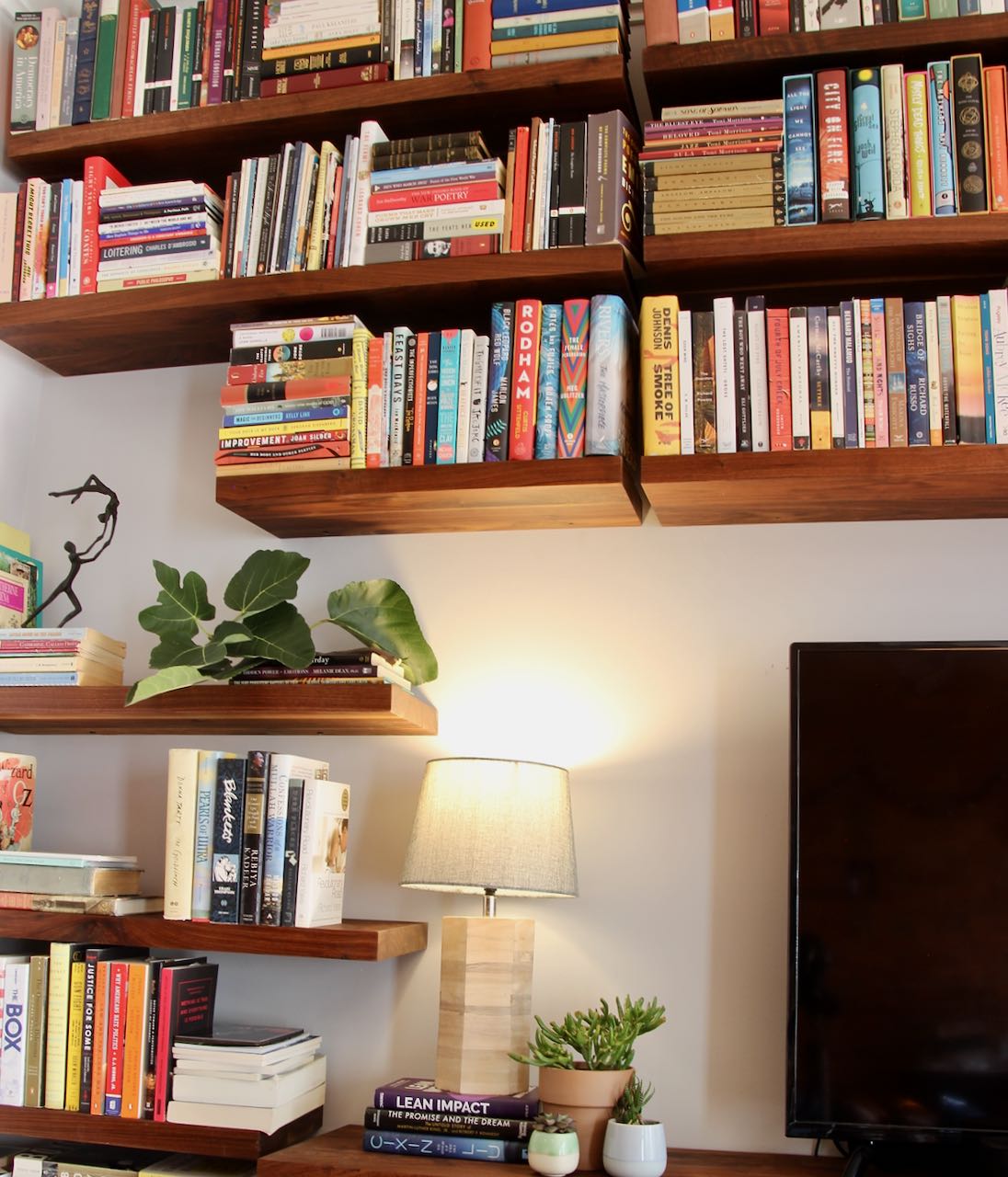
Credit: southhousedesigns.com
Customizing Your Bookshelf
Customizing your wall bookshelf lets you create a unique piece for your space. It makes the shelf fit your style and needs. You can change its look and function easily.
Adding Decorative Elements
Decorative elements give your bookshelf personality. Paint the shelves in colors that match your room. Use stencils or stickers for patterns. Attach small hooks below for hanging keys or small items. Place decorative brackets for a vintage look. These small touches make your shelf more than just storage.
Adjusting Shelf Height
Adjust shelf height to fit your books and items perfectly. Use adjustable brackets or pre-drill holes at different heights. Taller books need more space, while smaller items fit in tighter spots. Custom heights help keep everything neat and easy to reach. This makes your bookshelf practical and stylish.
Frequently Asked Questions
What Materials Are Needed For A Simple Wall Bookshelf?
You need wood boards, screws, wall anchors, a drill, a level, sandpaper, and paint or stain. These materials ensure a sturdy, attractive bookshelf.
How Do I Securely Mount A Wall Bookshelf?
Use wall anchors or studs to mount the shelf. This prevents damage and supports the weight of books safely.
Can I Customize The Size Of The Bookshelf?
Yes, measure your wall space and cut wood to fit. Custom sizes suit different rooms and storage needs perfectly.
How Long Does It Take To Build A Wall Bookshelf?
Building a simple wall bookshelf usually takes 2 to 4 hours. Time varies based on experience and drying times for paint or stain.
Conclusion
Building a simple wall bookshelf adds charm to any room. It saves space and keeps books organized. The steps are easy to follow and require basic tools. You can customize the size and color to fit your style. This project brings both function and beauty to your home.
Try making one today and enjoy your new bookshelf. Small efforts lead to great results. Your walls will thank you for it.