Are your bookshelves overflowing and cluttered? Finding space for all your favorite books, decor, and essentials can feel impossible.
But what if you could transform your shelves into a neat, organized, and visually appealing display without buying new furniture? You’ll discover simple, smart ways to maximize space on your bookshelf. These tips will help you create more room, reduce mess, and make your collection look amazing.
Ready to unlock the full potential of your shelves? Keep reading—you’ll be surprised at how easy it can be.
Credit: www.apartmenttherapy.com
Assess Your Shelf Space
Assessing your bookshelf space is the first step to organizing effectively. Knowing exactly what you have and how much space is available helps create a clear plan. It avoids clutter and wasted areas.
Start by understanding the physical limits of your shelf. Then, consider how you use the space daily. This insight guides smart decisions about what stays and how items are arranged.
Measure Dimensions
Use a tape measure to get the exact height, width, and depth of each shelf. Write these numbers down for reference. Knowing these helps to choose the right books or storage boxes. It also prevents buying items that don’t fit.
Measure the space between shelves too. Some books or objects need more height. Adjustable shelves offer more flexibility. Accurate measurements avoid stacking problems and wasted vertical space.
Identify Usage Patterns
Think about how often you access your books or items. Place frequently used items within easy reach. Items rarely used can go on higher or lower shelves. This keeps your shelf practical and tidy.
Notice which items you use together. Grouping related books or objects saves time. Keep similar sizes or topics together to create visual order. This method improves both space and ease of use.
Declutter Your Collection
Decluttering your bookshelf is the first step to create more space. Removing unnecessary items helps you organize better. It makes your collection easier to manage. A tidy shelf also looks more inviting and neat.
Start by sorting your books and deciding which ones to keep. Focus on the books you use or love the most. This process frees up room for new books or decorative items.
Sort Books By Priority
Group books by how often you read them or their importance. Keep favorites and useful books within easy reach. Place less used or reference books on higher or lower shelves. This method saves space and keeps your shelf practical.
Donate Or Sell Unwanted Items
Books you no longer need can find new homes. Donate them to libraries, schools, or charity shops. Selling books online is another option. Clearing out these items frees shelf space and helps others enjoy your books.
Optimize Book Arrangement
Optimizing your book arrangement is key to making the most of your bookshelf space. A smart layout helps store more books and looks neat. This makes it easier to find what you want. Small changes in how you place books can free up room for new ones.
Focus on different ways to stack and group your books. These simple methods improve both space and style.
Use Vertical And Horizontal Stacking
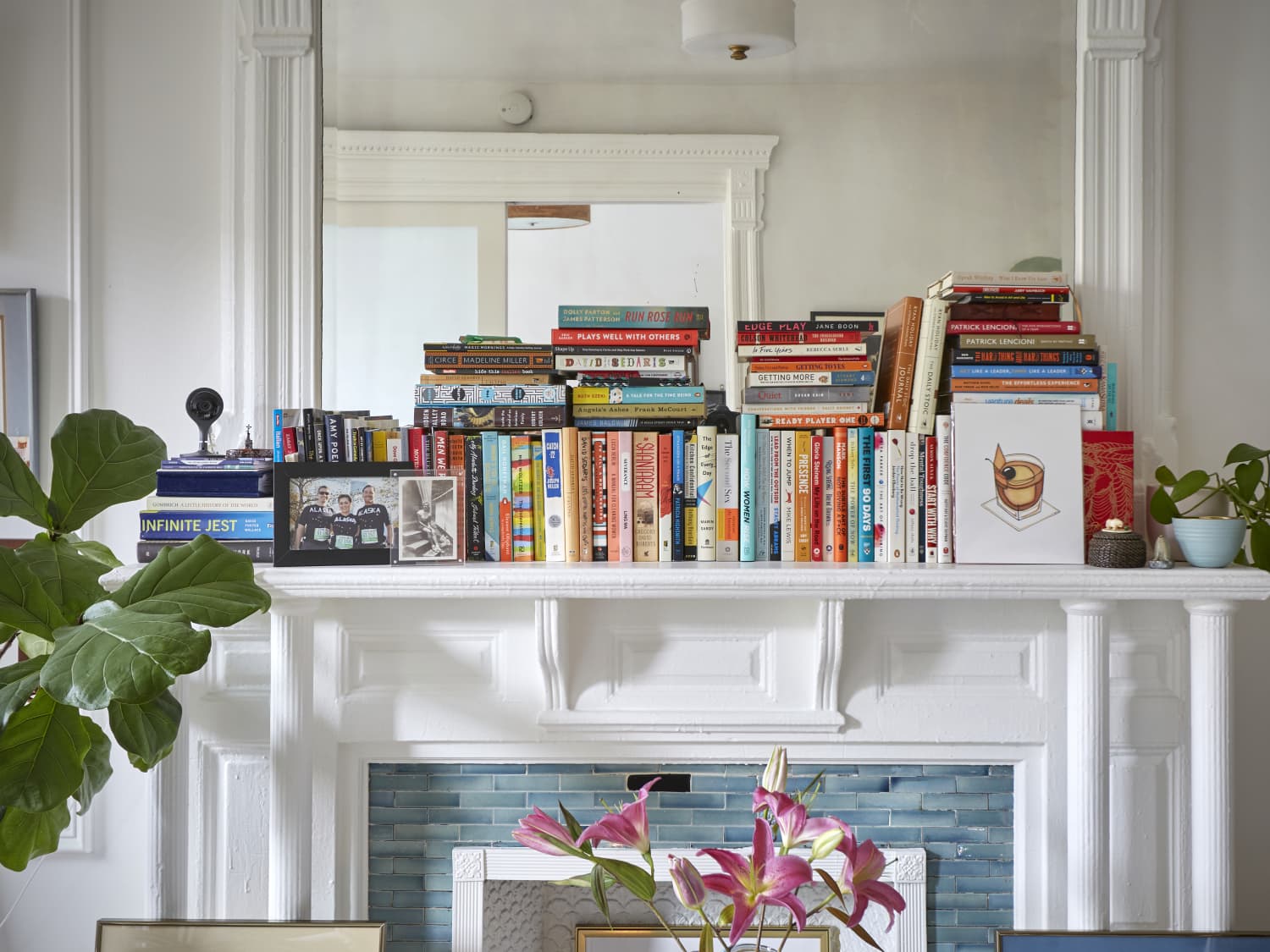
Stack books vertically to save shelf depth. This is the usual way you see books lined up. Add horizontal stacks by laying books flat in piles. This method uses space above short books or empty shelf parts. You can place small items on top of horizontal stacks to save even more room. Mixing vertical and horizontal stacks breaks the monotony and adds visual interest.
Group By Size And Genre
Group books by size to create a tidy look. Place tall books together and short ones in another section. This arrangement prevents wasted space from uneven heights. Next, organize by genre to make finding books easier. Keep fiction, nonfiction, and reference books separate. Grouping by genre also helps keep your collection orderly and inviting.
Incorporate Storage Accessories
Incorporating storage accessories can transform your bookshelf into a neat, organized space. These tools help keep items tidy and easy to find. They also make the shelf look more attractive and less cluttered.
Storage accessories come in many forms. Each type serves a special purpose. Using the right ones can save space and improve the shelf’s function.
Add Bookends And Dividers
Bookends stop books from falling over. They keep rows straight and stable. Using dividers separates books or items into sections. This prevents mixing and makes it easier to access what you need. Both bookends and dividers use vertical space smartly. They help keep shelves clean and well-arranged.
Use Baskets And Boxes
Baskets and boxes hold small or loose items neatly. They keep clutter out of sight and save space. Choose sizes that fit your shelf and items well. Labeling boxes helps find things fast. These containers stack easily and create a uniform look. They make the bookshelf tidy and practical.
Utilize Shelf Height Efficiently
Utilizing the height of your bookshelf is key to maximizing space. Many shelves have adjustable levels that let you change the height between each shelf. This flexibility helps you fit items of various sizes and reduces wasted space above tall books or decorations.
Adjust Shelf Levels
Most bookshelves have shelves that you can move up or down. Change the shelf height to fit tall books or short items perfectly. This creates more room for extra shelves or larger items. Adjust shelves to avoid big gaps that waste space. Shelves closer together help store small books or objects better.
Stack Smaller Items On Top
Use the space above tall books or objects by stacking smaller items. Place small books, notebooks, or decor pieces on top of bigger items. This layering uses vertical space that often stays empty. Keep stacks neat and stable to avoid clutter. Stacking saves shelf space and keeps things organized.

Credit: decormatters.com
Expand Storage Beyond Shelves
Bookshelves are great for storing books. But shelf space can run out fast. Expanding storage beyond the shelves helps keep your space tidy. It also lets you display items creatively. Use the wall space around your bookshelf to add more storage. This method saves floor space and adds style to your room.
Use Wall-mounted Units
Wall-mounted units are perfect for extra storage. These units fix directly to the wall near your bookshelf. They hold books, decorations, or small plants. Wall-mounted units come in many sizes and shapes. Choose the style that fits your room best. These units keep items off the floor. They make the room look bigger and neat. Installation is simple and does not need much space.
Install Floating Shelves
Floating shelves add storage without bulky furniture. They attach to the wall without visible brackets. This gives a clean, modern look. Use floating shelves above or beside your bookshelf. They hold books, photos, and small objects. You can arrange shelves in creative patterns. This adds character and more storage at once. Floating shelves are easy to install and adjust. They keep your space open and organized.
Maintain A Clutter-free Routine
Maintaining a clutter-free routine is key to keeping your bookshelf organized and spacious. Clutter can quickly fill every corner and make it hard to find what you need. A simple, regular habit helps you keep only the items you love and use. This way, your bookshelf stays neat and easy to manage.
Regularly Reassess Items
Take time every few weeks to check your bookshelf. Look at each item and ask if you still want or need it. Remove books or objects that no longer bring value. This keeps your collection fresh and prevents overcrowding. A quick review stops clutter before it builds up.
Adopt A One-in-one-out Rule
For every new item added, take one away. This simple rule controls the number of things on your shelf. It helps keep your space balanced and avoids extra clutter. This habit encourages thoughtful choices about what stays on your bookshelf.

Credit: www.reddit.com
Frequently Asked Questions
How Can I Organize Books To Save Bookshelf Space?
Arrange books by size and use vertical stacking. Group similar genres together. Use bookends to keep books upright and neat.
What Are The Best Storage Solutions For Small Bookshelves?
Use baskets and bins for loose items. Add shelf dividers to separate categories. Utilize the top shelf for seldom-used items.
How Do I Use Decorative Items Without Cluttering Shelves?
Choose small, meaningful decor pieces. Place items strategically to balance books and open spaces. Avoid overcrowding for a clean look.
Can I Maximize Space By Adjusting Shelf Height?
Yes, customize shelf height to fit different book sizes. Taller shelves for large books, shorter for paperbacks. This reduces wasted vertical space.
Conclusion
Maximizing bookshelf space makes your room neater and more organized. Use vertical stacking to fit more books in less space. Group similar items together for easy finding and a tidy look. Add small baskets or containers to hold loose items.
Regularly declutter to keep only what you need or love. These simple steps help your shelf look great and work well. Enjoy a cleaner space and easier access to your books.