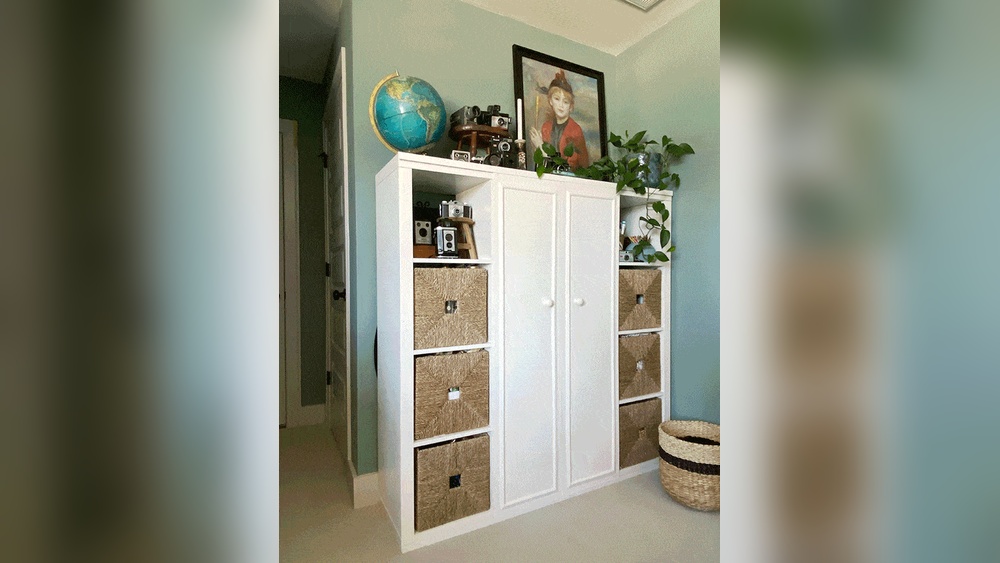
Moving a heavy glass bookshelf can feel like a daunting task. You might worry about breaking the glass or hurting yourself.
But what if you could move it safely and easily, without stress? You’ll discover simple, effective tips that protect both you and your precious bookshelf. Keep reading to learn the best ways to handle this tricky move—and avoid costly mistakes along the way.
Your bookshelf deserves careful attention, and you deserve peace of mind.
Preparing For The Move
Preparing for the move is the first step to handle a heavy glass bookshelf safely. Careful planning helps avoid accidents and damage. You must check your tools, measure spaces, and clear the path. This preparation saves time and effort during the actual move.
Gathering Necessary Tools
Collect all tools before you start. Use moving blankets to protect the glass. Have strong gloves to keep your hands safe. Use a dolly or hand truck to carry the weight. Packing tape and bubble wrap help secure the shelves. Keep a screwdriver handy to remove shelves if needed.
Measuring Doorways And Pathways
Measure the bookshelf’s width, height, and depth. Compare these with doorways, hallways, and stairways. Check for tight corners or narrow spaces. Plan the path the bookshelf will take. This step ensures the bookshelf fits through all areas. Avoid surprises during the move.
Clearing The Moving Area
Remove furniture and obstacles along the path. Clear rugs that might cause slipping. Sweep floors to prevent tripping on debris. Make sure you have enough light to see clearly. Keep pets and children away from the area. A clear path helps move the bookshelf smoothly.

Credit: www.onedayglass.com
Protecting The Bookshelf
Protecting a heavy glass bookshelf during a move is very important. Glass is fragile and needs careful handling. Taking steps to protect the bookshelf helps avoid cracks and scratches. It also keeps the whole piece safe and looking good. Follow these simple tips to protect your bookshelf well.
Cleaning The Glass Surfaces
Start by cleaning the glass surfaces before moving. Use a soft cloth and glass cleaner. Remove dust, dirt, and fingerprints gently. Clean glass is easier to see for damage. It also helps padding stick better during the move.
Using Padding And Covers
Wrap the bookshelf with thick padding or blankets. Cover all glass parts fully to prevent scratches. Use bubble wrap for extra protection on edges. Secure the padding with tape but avoid sticking tape on glass. Covers cushion impacts and keep the glass safe.
Securing Loose Parts
Check for loose shelves or screws before moving. Tighten any loose parts carefully. Remove shelves if possible and wrap them separately. Loose parts can shift and cause damage. Securing everything keeps the bookshelf stable during transport.
Safe Lifting Techniques
Moving a heavy glass bookshelf needs care and the right techniques. Safe lifting helps avoid injuries and damage to the glass. Use simple steps to protect your back and keep control of the load. Follow these safe lifting techniques to move your bookshelf smoothly and safely.
Team Lifting Strategies
Heavy glass bookshelves are tough to move alone. Ask for help from one or two people. Coordinate your movements. Lift at the same time and keep the bookshelf balanced. Communicate clearly with your team to avoid sudden shifts. Team lifting spreads the weight and reduces strain on each person.
Proper Body Mechanics
Bend your knees, not your back, before lifting. Keep your back straight and tight. Use your leg muscles to lift the bookshelf up. Hold the load close to your body. Avoid twisting your torso while carrying the bookshelf. Take slow, steady steps to keep balance. Good posture prevents injuries and makes lifting easier.
Using Lifting Straps
Lifting straps help hold heavy items securely. Wrap the straps around the bookshelf and your shoulders. Straps give better control and reduce hand strain. They help distribute the weight evenly. Adjust the straps to fit snugly but comfortably. Straps make moving heavy glass safer and less tiring.

Credit: qshark-moving.com
Navigating Tight Spaces
Navigating tight spaces is often the hardest part of moving a heavy glass bookshelf. These fragile items need careful handling to avoid cracks or breaks. Planning each move helps keep the bookshelf safe and the process smooth. Taking your time and using the right techniques can prevent damage and injury.
Maneuvering Through Doorways
Measure the doorway width before moving the bookshelf. Tilt the shelf slightly to fit it through narrow openings. Keep the glass facing inward to protect it. Move slowly and communicate with your helper to avoid sudden moves. Remove doors if needed to create extra space.
Handling Stairs And Elevators
Use a sturdy grip and keep the bookshelf balanced on stairs. Take one step at a time with steady movements. Ask for help to support the weight and maintain control. In elevators, check the size before entering. Position the shelf to avoid hitting walls or buttons inside.
Avoiding Obstacles
Clear the path of rugs, wires, and furniture before moving. Walk slowly to spot any small objects on the floor. Use a dolly or sliders to ease movement on smooth surfaces. Keep your eyes on the path and your hands steady on the bookshelf. Stop and adjust if you feel the shelf slipping or leaning.
Transporting The Bookshelf
Transporting a heavy glass bookshelf requires careful planning to avoid damage. The glass is fragile and the bookshelf is bulky. Proper transport helps keep it safe and intact.
Choosing the right vehicle is the first step. Then, secure the bookshelf well during the trip. Finally, load and unload it with care to prevent accidents.
Choosing The Right Vehicle
Pick a vehicle with enough space for the bookshelf. A van or a large SUV works best. Avoid cars that are too small or have uneven floors. The bookshelf needs to stand upright to prevent glass breakage.
Check the vehicle’s door size to fit the bookshelf inside. Measure the bookshelf and the vehicle doors before moving.
Securing The Bookshelf During Transit
Use moving blankets or bubble wrap to protect the glass. Wrap the entire bookshelf carefully. Secure it with straps or ropes to stop movement.
Place the bookshelf against the vehicle’s wall for support. Fill gaps with soft materials to avoid shifting. Tighten all straps but avoid pressing too hard on the glass.
Loading And Unloading Tips
Lift the bookshelf with at least two people. Hold it firmly and avoid sudden moves. Use a dolly or furniture sliders if possible.
Keep the bookshelf upright during loading and unloading. Move slowly and watch for obstacles. Set it down gently to avoid shocks to the glass.
Reassembling And Placement
After moving your heavy glass bookshelf, reassembling and placing it properly is key. This step keeps your bookshelf safe and looking good. Careful work here prevents damage and makes the shelf strong again.
Inspecting For Damage
Check every part of the bookshelf for cracks or chips. Look closely at the glass shelves and doors. Small cracks can grow if not noticed. Also, check the frame for loose screws or dents. Fix any damage before putting the bookshelf back together.
Reattaching Shelves And Doors
Put the glass shelves back carefully. Use soft cloths to avoid scratches. Tighten screws and clips firmly but gently. Reattach the doors with care. Make sure hinges work smoothly. Test doors by opening and closing slowly.
Positioning In The New Location
Choose a flat, stable spot for the bookshelf. Avoid places near heat or direct sunlight. These can weaken the glass over time. Leave enough space around the shelf for cleaning and easy access. Align the bookshelf straight against the wall to keep balance.
Common Mistakes To Avoid
Moving a heavy glass bookshelf can be tricky. Many people make mistakes that cause damage or injury. Knowing what to avoid helps keep the bookshelf safe and the move smooth.
Careless actions can lead to broken glass or hurt backs. Take time to plan and prepare. Avoiding common errors saves effort and stress during the move.
Ignoring Weight Limits
Every glass bookshelf has a weight limit. Do not try to lift more than it can hold. Overloading can cause the glass to crack or break. Use proper tools to support the weight. Ask for help if the bookshelf feels too heavy.
Skipping Protective Measures
Glass is fragile and needs protection. Always wrap shelves with blankets or bubble wrap. Use tape to keep the wrapping in place. Protect edges and corners carefully. Place padding between the glass and hard surfaces. This reduces the risk of chips and cracks.
Rushing The Process
Moving heavy glass needs patience. Do not hurry or rush steps. Take slow, steady movements to avoid slips. Plan your path before lifting. Clear any obstacles that could cause accidents. Rushing increases the chance of damage and injury.
Credit: www.onedayglass.com
Frequently Asked Questions
How Do I Safely Move A Heavy Glass Bookshelf?
Use gloves and protective padding to prevent injury and damage. Enlist help to lift and carry the bookshelf carefully. Avoid sudden movements and keep the bookshelf upright during transport.
What Tools Are Needed To Move A Glass Bookshelf?
You need gloves, moving blankets, straps, and a dolly or hand truck. These tools protect the glass and make transportation easier and safer.
Can I Disassemble A Glass Bookshelf For Moving?
Yes, if possible, disassemble shelves and glass panels to reduce weight. Wrap each part securely to prevent scratches and breakage during the move.
How Do I Protect Glass Shelves During A Move?
Wrap glass shelves in bubble wrap or thick blankets. Secure them with tape and place them vertically to minimize pressure and risk of breaking.
Conclusion
Moving a heavy glass bookshelf takes care and planning. Use the right tools and ask for help. Always lift with your legs, not your back. Protect the glass with blankets or padding. Move slowly to avoid accidents or damage. Keep the path clear and stay focused.
These simple steps help you move safely and easily. Now, your bookshelf can find a new home without stress.