Imagine your favorite bookshelf filled with cherished books and delicate decor, standing right next to a fragile glass wall. What if an earthquake strikes?
The last thing you want is your prized collection crashing through that glass, causing damage and danger. You might be wondering, how can you keep both your bookshelf and glass wall safe? You’ll discover simple, effective ways to earthquake secure your bookshelf.
By taking a few smart steps, you can protect your home and your peace of mind. Keep reading to learn exactly what you need to do to make your space safer today.
Credit: www.earthquakecountry.org
Assessing The Bookshelf And Wall
Before securing a bookshelf against a glass wall, assess both carefully. Understanding their condition and size helps create a safer setup. This step avoids damage during an earthquake.
Take time to examine the bookshelf and wall thoroughly. This way, you know what tools and materials are needed. Safety depends on a proper assessment.
Check Bookshelf Stability
Stand the bookshelf on a flat surface. Push it gently from different sides. Notice any wobble or looseness in shelves or joints. Tighten screws or bolts if needed. A solid base reduces tipping risk during shaking.
Evaluate Glass Wall Strength
Look for cracks or chips on the glass. Check how thick and strong the glass is. Some glass types resist impact better than others. Avoid mounting heavy objects on weak glass. Consult a professional if unsure about the wall’s strength.
Measure Space And Dimensions
Measure the bookshelf height, width, and depth accurately. Check the distance between the bookshelf and the glass wall. Leave enough space for airflow and safety gaps. Correct measurements help in choosing the right anchors and brackets.
Choosing The Right Anchors
Choosing the right anchors is key to securing a bookshelf against a glass wall. Anchors hold the bookshelf firmly, preventing it from falling during an earthquake. The wrong anchors can damage the glass or fail to hold the shelf safely. This section explains the types of anchors, how to pick earthquake-resistant fasteners, and their fit with glass walls.
Types Of Wall Anchors
Wall anchors come in many forms. Plastic expansion anchors fit into drilled holes and expand as screws go in. Metal toggle bolts open behind the wall, offering strong support. Molly bolts also open behind the wall but use a sleeve for gripping. Choose anchors based on wall thickness and strength needed.
Selecting Earthquake-resistant Fasteners
Earthquake-resistant fasteners are made to hold under shaking. Look for fasteners made of strong metal like stainless steel. These resist rust and stay firm. Fasteners with locking features prevent loosening during tremors. Pick ones tested for high vibration and weight support.
Compatibility With Glass Walls
Glass walls need gentle handling to avoid cracks. Use anchors that do not press too hard on the glass frame. Avoid anchors that require large holes or heavy drilling near glass. Anchors with rubber or plastic pads reduce pressure points. Always check that the anchor suits the glass frame’s material and thickness.
Installation Techniques
Installing a bookshelf securely against a glass wall requires careful planning and the right techniques. The goal is to keep the shelf stable during an earthquake without damaging the glass. Proper installation helps protect your books and the glass wall from harm. Below are key steps to follow for a safe and sturdy setup.
Securing Brackets To Glass
Use special suction or clamp brackets designed for glass walls. These brackets spread pressure evenly to avoid cracks. Always choose brackets with rubber padding to protect the glass surface. Avoid drilling directly into the glass to prevent damage. Secure brackets firmly but gently. Test the stability before mounting the shelf.
Mounting Bookshelf Safely
Attach the bookshelf to the secured brackets carefully. Use screws and bolts that fit the bracket holes exactly. Ensure the shelf sits level and does not wobble. Check that weight is balanced across the shelf. Keep heavier items on lower shelves to lower the center of gravity. Tighten all fasteners to prevent loosening during shaking.
Using Protective Padding
Place soft padding between the bookshelf and the glass wall. Use foam strips or rubber pads to cushion contact points. Padding absorbs shock and prevents scratches on the glass. It also reduces noise from movement during an earthquake. Replace padding regularly to keep it effective. Ensure padding is thick enough to protect but not too thick to cause instability.
Additional Safety Measures
Securing a bookshelf near a glass wall requires extra care. The right safety steps keep both the bookshelf and glass safe. These extra measures reduce the risk of damage during an earthquake. Simple tools and smart arrangements make a big difference in safety.
Adding Anti-tip Straps
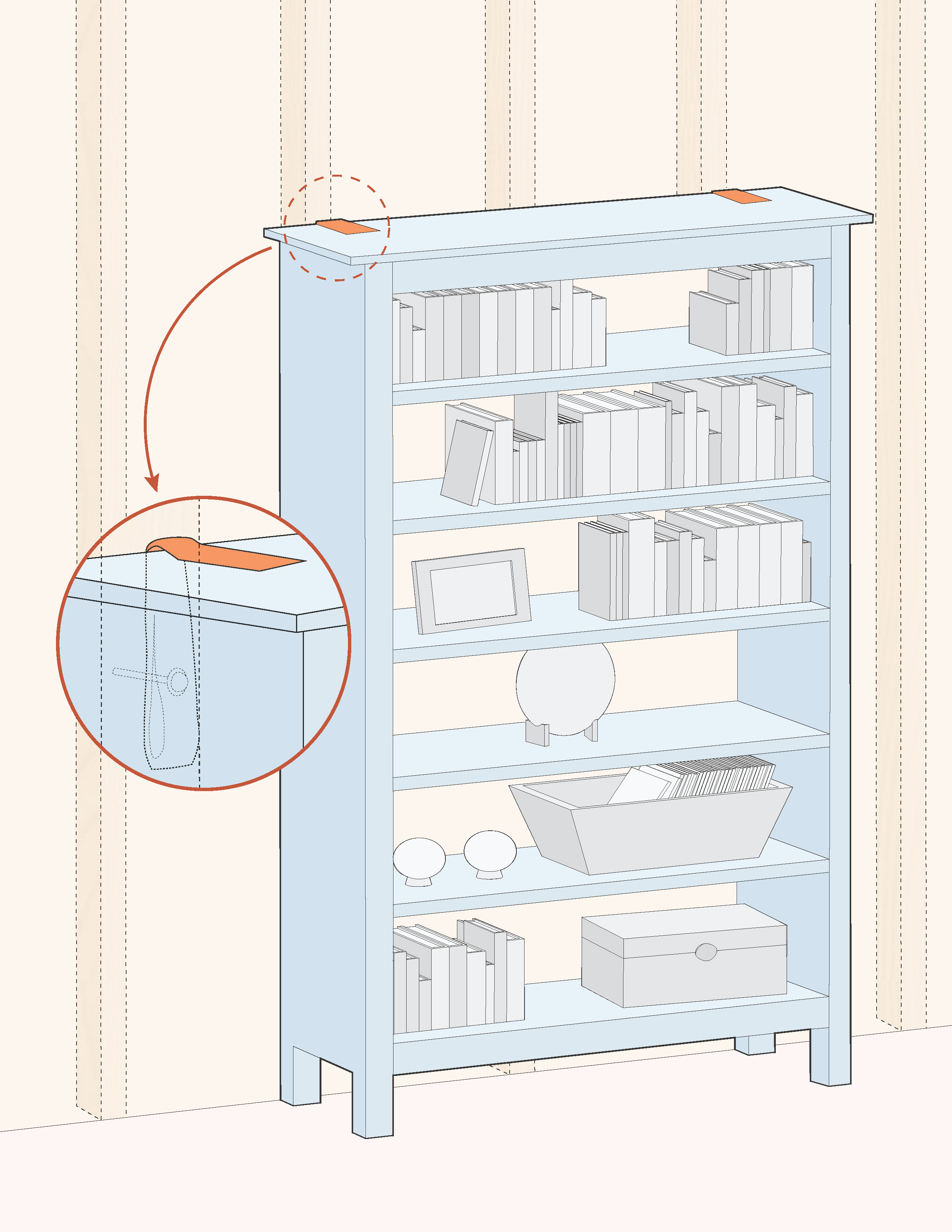
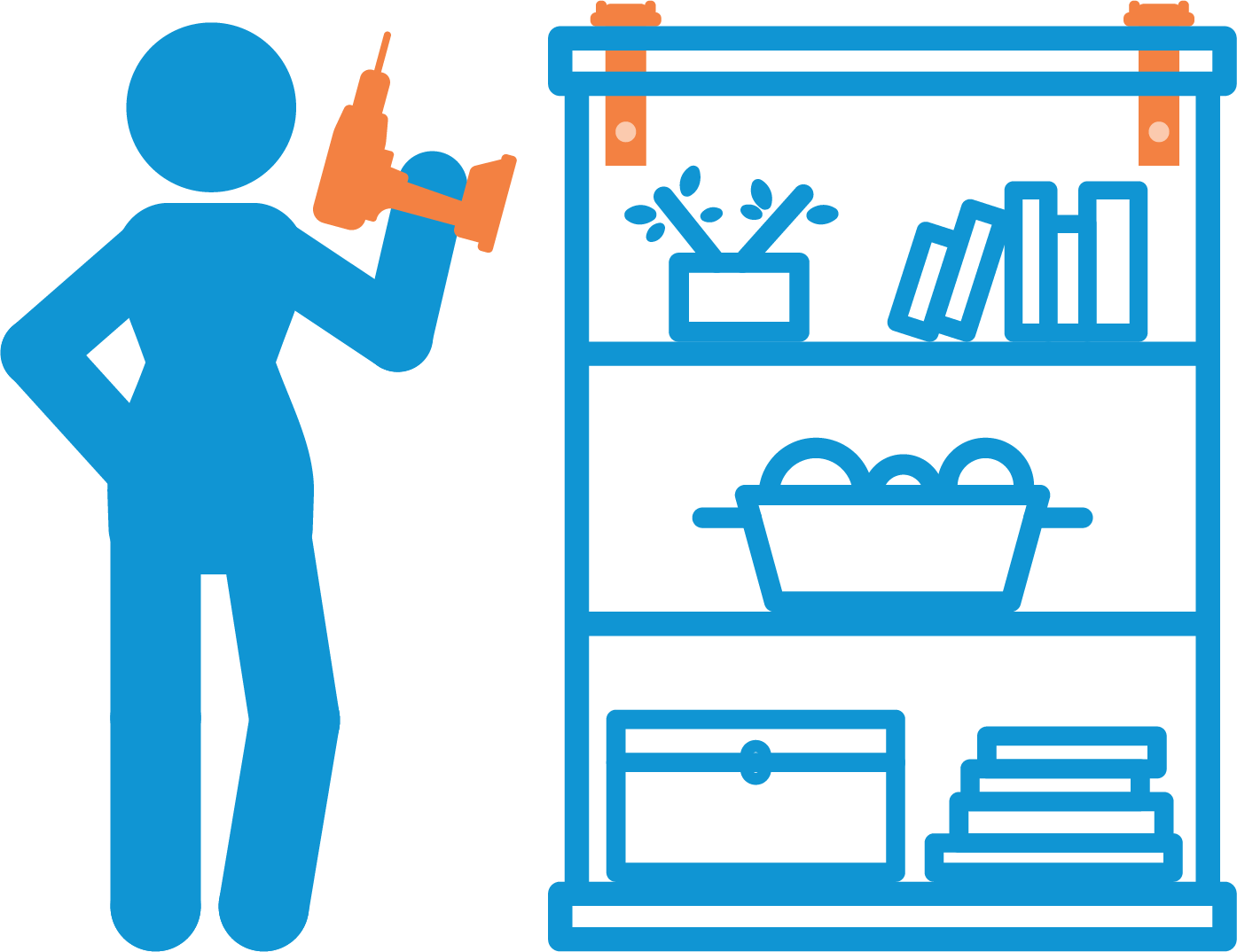
Anti-tip straps keep the bookshelf firmly attached to the wall. They stop the shelf from falling forward in a quake. Use strong straps and secure them to studs in the wall. Tighten the straps well for the best hold. These straps add a solid layer of protection.
Using Non-slip Mats
Place non-slip mats under the bookshelf legs. These mats stop the shelf from sliding on smooth floors. Choose mats that grip well and resist movement. This simple step helps keep the bookshelf steady during shaking. Non-slip mats work well on hardwood or tile floors.
Arranging Books For Balance
Put heavy books on the lower shelves. Light books and items go on the top shelves. This balance lowers the bookshelf’s center of gravity. A balanced shelf is less likely to tip over. Arrange books evenly to keep the shelf steady and safe.
Maintenance And Inspection
Maintaining and inspecting your bookshelf secured against a glass wall is essential. It keeps the setup strong and safe during earthquakes. Regular care helps spot problems early and prevents accidents.
Regular Tightness Checks
Check all screws and brackets often. Tighten any loose parts to keep the shelf steady. Loose fittings can cause the shelf to wobble or fall in a quake.
Use a screwdriver to ensure bolts and screws hold firm. Do this at least once every three months.
Replacing Worn Components
Look for worn straps, brackets, or pads. Replace any parts that look cracked or weak. Old parts may fail during shaking.
Use strong, good-quality materials for replacements. This keeps the shelf secure and protects the glass wall.
Monitoring For Wall Or Shelf Damage
Check the glass wall and shelf for cracks or chips. Damage can weaken the support system. Report or fix any damage quickly.
Keep an eye on the wall’s surface near the shelf. Any changes could signal trouble ahead.
Credit: www.earthquakecountry.org

Credit: www.reddit.com
Frequently Asked Questions
How Do I Secure A Bookshelf Near A Glass Wall?
Use earthquake straps or brackets to anchor the bookshelf to the wall. Ensure the attachments are strong and avoid direct contact with glass to prevent damage.
What Materials Are Best For Earthquake-proofing Bookshelves?
Use metal brackets, heavy-duty straps, and non-slip pads. These materials provide strong support and reduce movement during earthquakes.
Can I Protect Glass Walls While Securing A Bookshelf?
Yes, add cushioning like rubber pads or foam between the bookshelf and glass. This prevents direct impact and reduces the risk of glass breakage.
How High Should Earthquake Straps Be Placed On Bookshelves?
Place straps near the top and middle sections of the bookshelf. This ensures the unit remains stable and limits swaying during shaking.
Conclusion
Securing a bookshelf near a glass wall takes care and planning. Use strong straps and anchors to hold the shelf tight. Place heavy items on lower shelves to keep balance. Clear the area around the shelf to avoid accidents. Regularly check the stability to keep it safe over time.
Small steps can prevent big damage during an earthquake. Stay safe and protect your home with these simple tips.