Have you ever wanted to save a document or a book from your Bookshelf app as a PDF but didn’t know where to start? You’re not alone.
Turning your digital content into a PDF can make sharing, printing, or storing much easier. You’ll discover simple, step-by-step methods to convert anything on your Bookshelf into a PDF quickly and effortlessly. By the end, you’ll have the tools to take control of your files and make them work better for you.
Ready to unlock this handy skill? Let’s dive in!
Credit: www.ebook-converter.com
Choosing The Right Book
Choosing the right book is an important first step before converting any content on Bookshelf into a PDF. The choice affects the quality and legality of your PDF. Pick a book that matches your needs and goals. Consider the type of book and the permissions you have to use it. This helps avoid problems later.
Selecting Physical Vs Digital Books
Decide if you want to convert a physical book or a digital one. Physical books need scanning or typing. This takes more time and effort. Digital books on Bookshelf are easier to convert. They usually come in formats that are ready for PDF conversion. Digital books keep the original layout and text quality. Physical books might lose some quality during scanning.
Checking Copyright And Permissions
Check the copyright status before converting any book. Some books are protected and cannot be copied freely. Look for permission from the author or publisher. Use books that allow personal use or sharing. Avoid converting books that have strict copyright rules. This protects you from legal trouble. Always respect the author’s rights and work.
Preparing Your Materials
Preparing your materials is the first step to convert something from Bookshelf into a PDF. Good preparation helps the process go smoothly. It saves time and avoids mistakes. Organizing your tools and setting up a workspace creates a better experience.
Follow simple steps to get ready. This makes the conversion easier and faster. Keep everything close and tidy before you start.
Gathering Required Tools
Collect all tools you need before beginning. A computer or laptop is essential. Check that your device has enough storage space for the PDF files. A stable internet connection helps if you use online services.
Have a PDF converter software or app installed. Some popular options include Adobe Acrobat or free online converters. If you want to scan physical books, get a scanner or a smartphone with a good camera. Make sure your scanner or camera is ready to use.
Setting Up A Comfortable Workspace
Choose a quiet place with good lighting. Bright light reduces eye strain. A flat surface like a desk or table works best. Arrange your tools within reach to avoid interruptions. Sit on a comfortable chair to keep focus longer.
Keep your area clean and free of clutter. This helps prevent distractions. Take short breaks if you feel tired. A good workspace improves your work quality and speed.
Scanning The Book
Scanning a book is the first step to convert it into a PDF file. This process captures each page as a digital image. The quality of these images affects the final PDF. There are different ways to scan a book, depending on the tools available. Choosing the right method helps keep the text clear and readable.
Using A Flatbed Scanner
A flatbed scanner offers high-quality scans. Place the book face down on the glass surface. Close the lid gently to avoid moving the pages. Scan one page at a time for the best results. This method works well for thick books and fragile pages.
Using A Mobile Scanning App
Mobile scanning apps turn your phone into a scanner. Open the app and follow the instructions to capture each page. These apps often correct lighting and angle automatically. They are quick and handy for scanning on the go. Make sure to hold the phone steady for clear images.
Tips For Clear Scans
Use good lighting to avoid shadows on pages. Keep the book flat to prevent blurry edges. Clean the scanner glass or phone lens before starting. Scan pages in order to keep the PDF organized. Review each scan before moving to the next page.

Credit: www.uglyducklinghouse.com
Converting Scanned Images To Pdf
Converting scanned images to PDF is a common task for many users. It helps keep documents organized and easy to share. PDFs preserve the quality of images and text. They also reduce file size compared to raw images. This section explains how to convert scanned images on your bookshelf into a single PDF file.
Choosing Conversion Software
Pick software that supports image-to-PDF conversion. Many free and paid tools exist online. Look for simple interfaces and fast processing. Check if the tool supports multiple image formats like JPG and PNG. Software that offers editing options can be helpful. It lets you adjust image order or orientation before conversion.
Combining Images Into One Pdf
Most tools allow combining several images into one PDF. Upload all scanned images to the software. Arrange images in the correct order for your document. Choose the option to merge or combine files. Set PDF quality and size preferences if available. After conversion, save the PDF to your desired folder. This method keeps all pages in one file for easy access.
Optimizing The Pdf File
After converting your bookshelf content into a PDF, optimizing the file improves its usability. A well-optimized PDF loads faster and looks better on all devices. It also makes reading easier for everyone. These steps help you create a clean, professional document.
Compressing The Pdf
Large PDF files can be slow to open and share. Compressing the PDF reduces its size without losing quality. Use tools like Adobe Acrobat or free online compressors. Smaller files save storage space and load faster on all devices.
Enhancing Readability
Clear text and good layout improve reading comfort. Use legible fonts and proper font sizes. Add enough spacing between lines and paragraphs. Avoid cluttered pages and keep margins consistent. This makes the PDF easy to read on screens of all sizes.
Adding Bookmarks And Metadata
Bookmarks help readers find sections quickly. Add bookmarks for chapters or main topics. Metadata includes the title, author, and keywords. This data helps search engines and readers understand the PDF content. It also improves the file’s organization and accessibility.
Alternative Methods
There are other ways to turn something on Bookshelf into a PDF. These alternative methods can be simple and effective. They give you options beyond the basic steps. Exploring these can help you find the best fit for your needs.
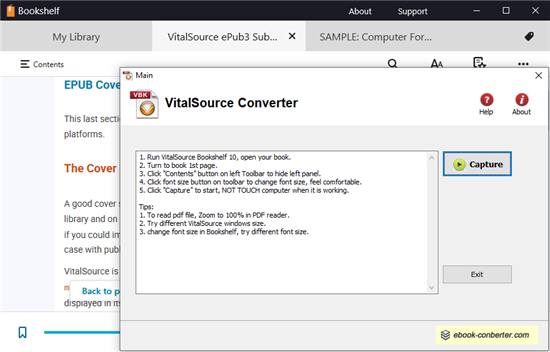
Using Ebook Conversion Tools
eBook conversion tools change digital books into different formats. Many tools support converting Bookshelf files to PDF. Some popular tools include Calibre and Zamzar. You upload your file, choose PDF as the output, and start the conversion. The process is usually fast and easy. These tools keep the book layout clear and readable.
Downloading Legal Pdfs
Sometimes, the book you want is already available as a PDF legally. Check the publisher’s website or online libraries. Some books offer free PDF downloads for readers. This saves time and keeps everything legal. Always respect copyright rules to avoid problems. Using legal PDFs ensures you get high-quality and safe copies.
Legal And Ethical Considerations
Converting content from Bookshelf into a PDF brings legal and ethical responsibilities. These rules protect authors and publishers. Following them keeps your actions fair and lawful. Understanding these basics helps avoid trouble. It also respects the work of others.
Respecting Copyright Laws
Copyright laws protect the original work of creators. Copying or converting content without permission may break these laws. Always check if the book allows conversion to PDF. Some books have strict rules against copying. Others might allow it for personal use only. Ignoring copyright can lead to legal problems. Respect the author’s rights and follow the rules.
Sharing And Distribution Guidelines
Sharing converted PDFs without permission is often illegal. Distribution can harm the author’s income and reputation. Some books permit sharing within a close group. Others forbid any sharing outside personal use. Always read the terms of use carefully. Only share PDFs if the rules allow it. Protect the author’s work by sharing responsibly.

Credit: www.homedepot.com
Frequently Asked Questions
How Do I Convert Bookshelf Content To Pdf?
To convert Bookshelf content to PDF, use the export or print feature. Select “Save as PDF” in the print dialog. This creates a downloadable PDF file from your Bookshelf content quickly.
Can I Convert Bookshelf Books Without Software?
Yes, you can convert Bookshelf books using built-in print-to-PDF functions on most computers. Open the book, choose print, then select “Save as PDF” to create the file.
What Tools Help Convert Bookshelf Files To Pdf?
Tools like Adobe Acrobat, CutePDF, or built-in OS print-to-PDF options help convert Bookshelf files. These tools simplify saving your content as PDF for offline access and sharing.
Is It Legal To Convert Bookshelf Books Into Pdfs?
Converting Bookshelf books for personal use is generally allowed. However, sharing or distributing converted PDFs may violate copyright laws. Always check the book’s terms before converting.
Conclusion
Converting a book on Bookshelf into a PDF is simple and quick. Follow the steps carefully to save your file. This helps you read offline or share easily. Remember to check the file for errors before saving. Keep your PDFs organized in folders for easy access.
Now you can enjoy your books anytime, anywhere. This method saves time and effort. Try it today and see how it works for you.