Are you wondering how to get your book featured on the Bookshelf Border? Imagine your work standing out where readers are already looking, gaining the attention it deserves.
This isn’t just a dream—it can be your reality. You’ll discover simple, effective steps to make your book shine and catch the eye of the right audience. Keep reading, because the key to boosting your book’s visibility is closer than you think.
Choosing The Right Bookshelf Border
Choosing the right bookshelf border is key to enhancing your room’s style. A well-chosen border frames your books and adds charm. It also protects the edges of your shelves from wear and tear. This section guides you through selecting the perfect border for your bookshelf.
Types Of Bookshelf Borders
Bookshelf borders come in many styles. Some are simple and thin, while others are thick and ornate. There are straight borders that create a modern look. Curved or carved borders give a classic feel. Pick a type that matches the mood you want.
Materials And Designs
Borders can be made from wood, metal, or plastic. Wooden borders offer warmth and natural beauty. Metal borders add an industrial touch and are very durable. Plastic borders are affordable and easy to clean. Designs vary from plain to detailed patterns. Choose a design that fits your taste and budget.
Matching Your Decor
Bookshelf borders should blend with your room’s decor. Match the border color with your walls or furniture. For a bold look, pick a contrasting color. Consider the style of your room: modern, rustic, or traditional. The right border makes your bookshelf stand out without clashing.
Credit: www.etsy.com
Measuring And Planning
Measuring and planning are the first steps to get your bookshelf border right. Careful measurement ensures the border fits perfectly. Planning helps avoid mistakes and saves time. This process makes your project smooth and neat.
Accurate Measurements
Measure the length and height of the bookshelf edges. Use a tape measure for exact numbers. Check twice to avoid errors. Write down every measurement clearly. Accurate measurements prevent gaps and overlaps in the border.
Layout Planning
Decide how the border will look on your bookshelf. Sketch the design on paper or use a drawing app. Plan the border’s start and end points. Think about corners and how the border will wrap around them. A clear layout helps when cutting and placing the border.
Tools You Need
Gather all tools before starting. You will need a tape measure, pencil, ruler, and scissors or a craft knife. A level can help keep the border straight. Having all tools ready makes the work faster and easier.
Installation Tips
Installing a bookshelf border can change the look of your room quickly. Proper installation makes sure the border stays in place and looks great. Follow these simple tips to get the best results.
Surface Preparation
Clean the wall surface well before starting. Remove dust, dirt, and grease spots. Use a mild detergent and water to wipe the area. Let it dry completely. Smooth out bumps or holes with filler. Sand rough spots gently until the surface is flat. A clean, smooth wall helps the border stick better.
Step-by-step Installation
Measure the wall length and cut the border accordingly. Use a level to mark a straight line on the wall. Peel off a small section of the backing from the border. Press the border firmly onto the wall along the marked line. Continue peeling and pressing slowly to avoid bubbles. Use a plastic card to smooth out air pockets. Trim excess border at corners and edges carefully.
Common Mistakes To Avoid
Do not install the border on a wet or dirty wall. Avoid stretching the border while applying it. This can cause it to peel later. Skip rushing the process; take your time. Don’t ignore air bubbles; smooth them out quickly. Avoid cutting the border too short. Measure twice and cut once to prevent errors.
Credit: prettyhandygirl.com
Enhancing Visibility
Enhancing visibility on the bookshelf border helps your book catch the eye. Good visibility makes readers stop and look. It increases the chance of your book being chosen over others. Simple changes can make a big difference.
Focus on how your book stands out. Use light, color, and design to draw attention. These small steps improve how your book looks on the shelf.
Lighting Techniques
Light shows off your book’s details. Place your book where light hits it well. Use soft lights to reduce shadows. Bright light helps the colors pop. Avoid harsh lights that create glare. A well-lit book looks fresh and inviting.
Color Contrast
Contrast helps your book stand out. Choose colors that are different from nearby books. Dark text on a light background is easy to read. Bright colors catch the eye quickly. Avoid colors that blend into the shelf. Strong contrast makes your book clear and visible.
Highlighting Key Sections
Focus on important parts of your book cover. Use bold fonts for the title and author name. Add small images or symbols to catch interest. Use boxes or lines to separate key areas. Highlighting guides the reader’s eyes to what matters most. It helps the book speak at a glance.
Maintenance And Upkeep
Maintaining your bookshelf border is key for long-lasting beauty and function. Regular care keeps it looking fresh and strong. Simple upkeep steps help avoid big problems later. This section covers easy cleaning, fixing damage, and seasonal care.
Cleaning Tips
Dust your bookshelf border often. Use a soft cloth or duster. Avoid wet cloths on wood borders. For stubborn dirt, use a mild soap solution. Wipe gently and dry quickly. Clean both sides and corners. This prevents dust buildup and damage.
Repairing Damage
Check your bookshelf border for cracks or chips. Small scratches can be fixed with wood filler or touch-up markers. Loose parts need re-gluing with wood glue. For bigger damage, sanding and repainting may be needed. Repair quickly to stop damage from spreading.
Seasonal Adjustments
Wood expands and shrinks with temperature and humidity. Check your border during seasonal changes. Tighten screws or nails if loose. Use a humidifier in dry winter months to prevent cracking. In humid summers, keep the room well-ventilated. These steps protect your bookshelf border year-round.
Creative Ideas For Bookshelf Borders
Bookshelf borders can transform plain shelves into eye-catching displays. They create a polished look and add personality to your space. Simple borders can highlight your books and decorations beautifully.
Explore creative ways to make your bookshelf borders stand out. Use your style and creativity to design borders that fit your room and taste. Here are some ideas to inspire your next project.
Diy Custom Borders
Create your own borders using materials like washi tape, fabric strips, or painted wood. Choose colors that match your room’s theme. Cut the borders to fit your shelves perfectly. This method is affordable and lets you change styles anytime.
Incorporating Art And Photos
Add small framed art or photos along the edges of your shelves. Use clips or adhesive strips to attach them safely. Personal images make the space feel warm and unique. Art pieces can reflect your interests or favorite colors.
Using Borders For Thematic Displays
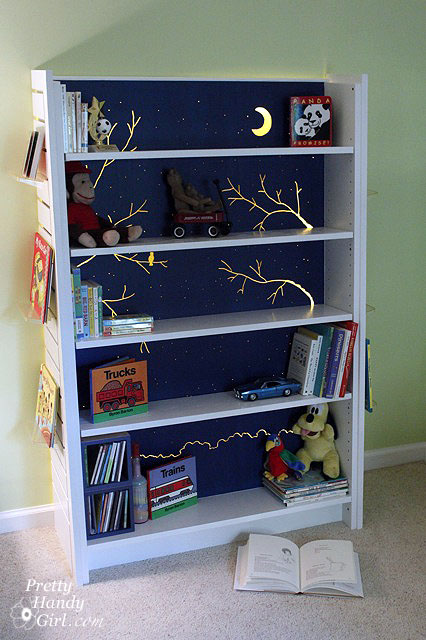
Match your borders to a theme like nature, vintage, or modern. Use leaf patterns, old maps, or metallic finishes to suit the theme. Themes create a unified look that tells a story. They make your bookshelf a focal point in any room.
Credit: prettyhandygirl.com
Frequently Asked Questions
What Is A Bookshelf Border In Design?
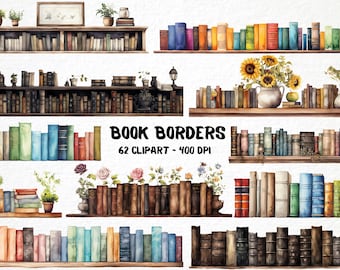
A bookshelf border is a decorative edge resembling a row of books. It adds charm and character to walls or shelves. This design element enhances room aesthetics and can highlight reading spaces or libraries effectively.
How Can I Create A Bookshelf Border At Home?
To create a bookshelf border, use wallpaper or paint with book patterns. You can also install a narrow shelf and arrange books neatly. Choose colors and styles that match your room décor for a cohesive look.
What Materials Work Best For Bookshelf Borders?
Wood, vinyl wallpaper, or painted stencils work well for bookshelf borders. Wood offers a classic look, while vinyl is easy to apply and remove. Painted stencils allow customization to fit any style or color scheme.
Can Bookshelf Borders Be Used In Small Rooms?
Yes, bookshelf borders can make small rooms feel cozy and organized. They create visual interest without taking up space. Use light colors and slim designs to avoid overwhelming the room.
Conclusion
Getting your work on Bookshelf Border takes focus and effort. Keep writing clearly and sharing your stories. Follow the platform’s rules and engage with readers. Keep improving your skills with each attempt. Success comes with patience and steady action. Stay motivated and enjoy the journey.
Your voice deserves to be heard. Keep moving forward, one step at a time.