Struggling to find space for your books in a small room? You’re not alone.
When every inch counts, fitting a bookshelf can feel like a puzzle. But what if you could turn your limited space into a stylish, organized haven for your favorite reads? This guide will show you simple, smart ways to create a bookshelf that fits perfectly in your small room.
By the end, you’ll have practical ideas that save space and add charm—making your room feel bigger and more inviting. Ready to transform your space? Let’s dive in.

Credit: www.theprettycitygirl.com
Choosing The Right Bookshelf
Choosing the right bookshelf for a small room is key to saving space and keeping things tidy. The right shelf fits your room size and style. It holds your books and adds to the room’s look. Think about space, shape, and what you want to store. This makes your small room more useful and neat.
Compact Bookshelves For Small Spaces
Compact bookshelves are small and fit tight spots. They work well in corners or next to furniture. These shelves hold many books without taking much space. Choose shelves with closed backs for stability. Some have doors to hide clutter. Their small size helps keep your room open and clean.
Vertical Shelving Options
Vertical shelves use wall height, not floor space. Tall shelves hold many books in a small footprint. They draw the eye up, making the room feel taller. Look for slim designs to avoid crowding the room. Vertical shelves are perfect for narrow walls or next to doors.
Floating Shelves Benefits
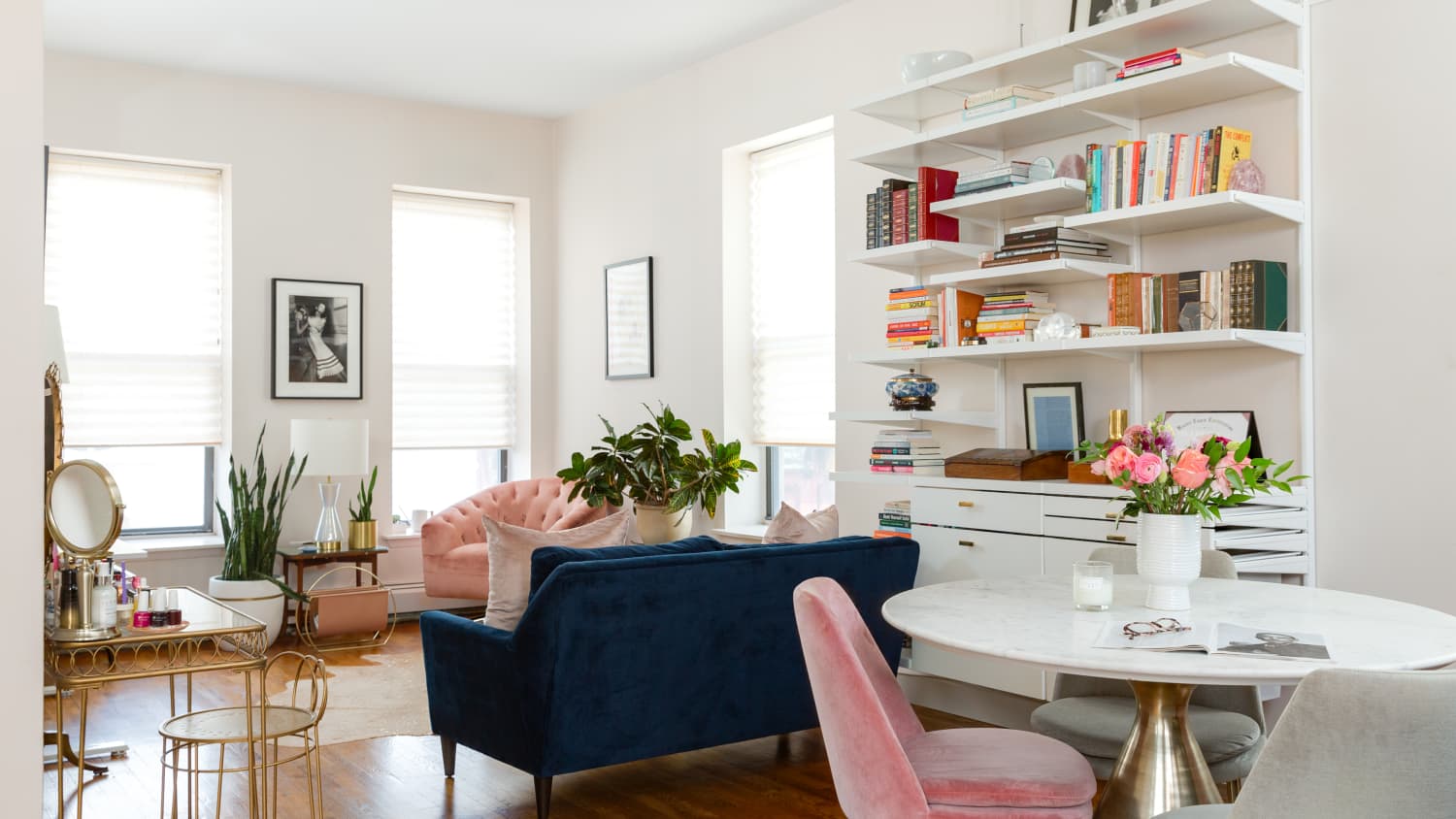
Floating shelves attach directly to the wall. They do not take floor space at all. This makes the room feel larger and less crowded. Floating shelves can hold books and small decor items. They come in many shapes and sizes. Easy to clean under and around, they keep rooms airy.
Credit: www.apartmenttherapy.com
Maximizing Wall Space
Maximizing wall space in a small room helps create more storage without taking floor space. Walls are often empty and can hold many items. Shelves on walls keep books organized and easy to reach.
Using the walls well makes the room look bigger and less cluttered. You can use different shelf styles to fit your room’s shape and size. Let’s explore ways to use wall space for bookshelves.
Using Corner Shelves
Corners are usually wasted space. Corner shelves fit perfectly into these small areas. They use space that would otherwise stay empty. These shelves are great for holding books and small decorations.
Corner shelves can be tall or short, depending on your needs. They keep books off the floor and make the room feel open. Installing corner shelves is simple and does not require much work.
Installing Wall-mounted Units
Wall-mounted shelves are fixed directly to the wall. They do not take any floor space. This type of shelf looks clean and modern. You can place several units on one wall for more storage.
Choose wall-mounted shelves with strong brackets for heavy books. These shelves come in many sizes and colors. Mount them at different heights to add visual interest and fit more books.
Creative Shelf Arrangements
Not all shelves have to be straight lines. Creative arrangements use shapes and patterns on the wall. For example, staggered shelves or shelves in geometric shapes catch the eye.
This style adds personality to the room. It also allows you to fit more books in a small space. Play with shelf sizes and angles to find what works best for your room.
Multi-functional Furniture
Multi-functional furniture is perfect for small rooms. It saves space by combining two or more uses in one piece. This approach helps keep the room tidy and organized. It also makes the space feel larger and less crowded.
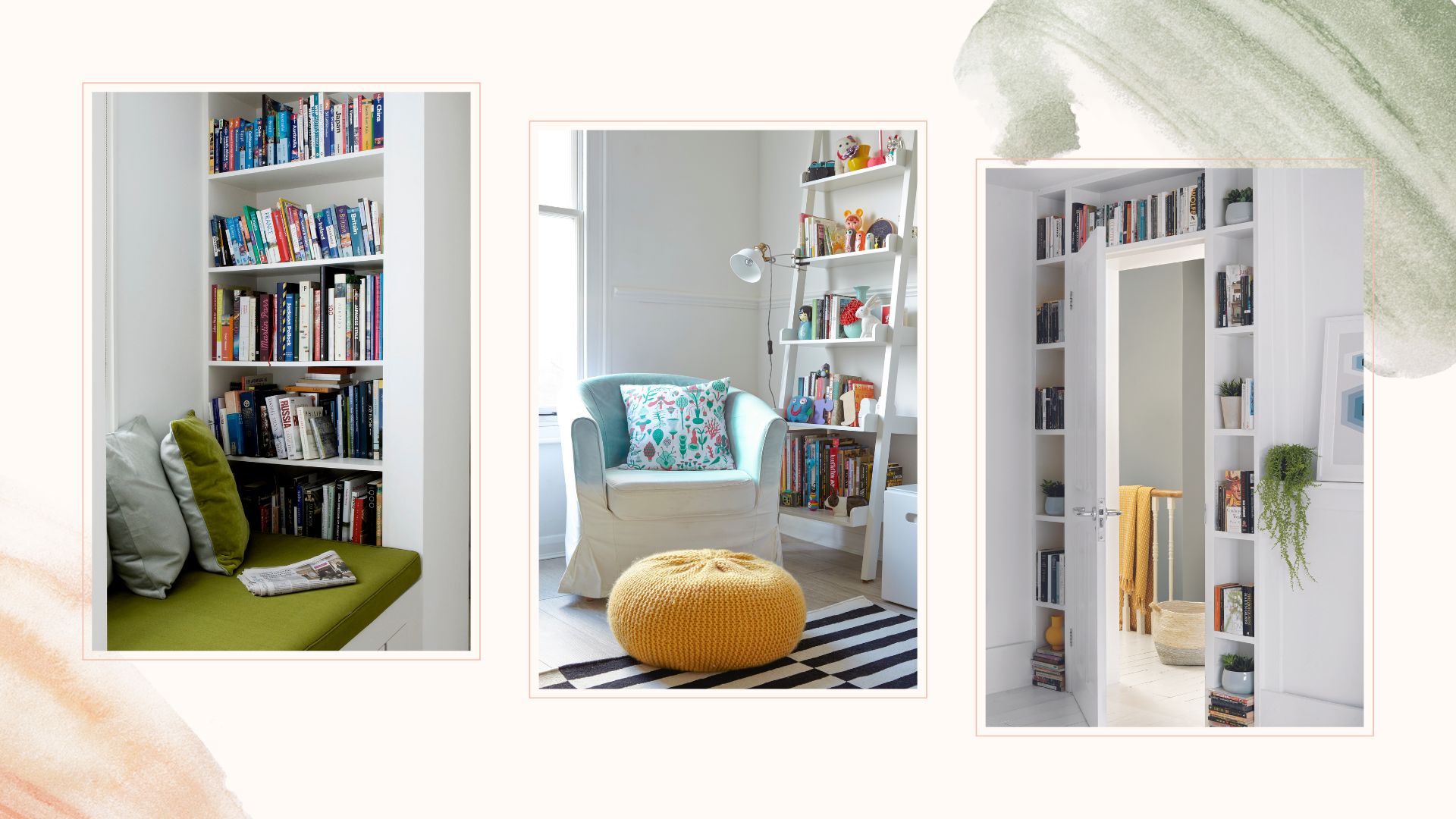
Bookshelves with built-in seating offer a smart way to add storage and a place to sit. This type of furniture uses vertical space efficiently. You can read, relax, or store books without adding extra chairs or shelves. It fits well in corners or under windows, making the most of unused space.
Bookshelves With Built-in Seating
These bookshelves combine shelves and a bench or seat. The seat can have cushions for comfort. Some designs include storage under the seat for extra items. This furniture piece is great for reading nooks in small rooms. It keeps books close and offers a cozy spot to sit.
Storage Ottomans And Cabinets
Storage ottomans and cabinets provide hidden space for books and more. Ottomans can serve as footrests or extra seating. Cabinets offer closed storage to hide clutter. Both types help keep the room neat while adding function. Choose lightweight options for easy moving and cleaning.
Convertible Shelving Solutions
Convertible shelving adapts to your needs. Some shelves fold or slide to change shape. Others can transform into desks or tables. This flexibility saves floor space in small rooms. You get storage and workspace in one unit. Perfect for rooms that need to serve many purposes.
Credit: www.womanandhome.com
Organizing Books Efficiently
Organizing books efficiently in a small room can save space and make your shelf look neat. Good organization helps you find books quickly. It also keeps the room tidy and comfortable. This section explains simple ways to arrange your books smartly.
Stacking Vs. Vertical Placement
Stacking books horizontally saves shelf height. It fits short spaces well. But it may be hard to reach books at the bottom. Vertical placement uses the full height of the shelf. It keeps book spines visible for easy reading. Mixing both methods can make the shelf more interesting and flexible.
Using Bookends And Dividers
Bookends keep books upright and stop them from falling. They are useful on short shelves or open spaces. Dividers separate books by size, type, or color. This adds order and style. Both bookends and dividers help prevent clutter and keep books neat.
Incorporating Decorative Items
Adding small decorations breaks the rows of books. Items like plants, photos, or small sculptures add charm. These pieces create a personal touch and make the shelf look less crowded. Use decoration wisely to keep balance and avoid clutter.
Diy Bookshelf Ideas
Creating a bookshelf in a small room can be fun and satisfying. DIY bookshelf ideas help save space and add style. You can build shelves that fit your room perfectly. Use materials you have or find cheap options. This way, you get a unique piece that holds your books well.
Repurposing Old Materials
Old wood, crates, or pallets work well for shelves. They give a rustic look and save money. Sand the wood to smooth rough edges. Stack crates to form a simple shelf unit. Secure pieces with nails or screws for safety. This method is eco-friendly and creative. It also adds character to your room.
Building Custom Shelves
Measure your space carefully before starting. Cut wood planks to fit the wall size. Use brackets or supports to hold the shelves. You can build floating shelves for a modern look. Custom shelves make use of awkward corners. They help keep your books organized and neat. This option suits any room shape or size.
Painting And Finishing Tips
Choose light colors to make the room look bigger. Use primer before painting for a smooth finish. Water-based paint dries fast and smells less. Apply two coats for better coverage. Finish with a clear sealant to protect wood. Paint shelves in bright shades for a fun touch. Finishing well makes shelves last longer and look good.
Maintaining An Open Feel
Creating a bookshelf in a small room can make the space feel crowded. Maintaining an open feel helps the room stay bright and inviting. Simple design choices keep the room from feeling cramped. These tips will help your bookshelf blend smoothly into the room.
Choosing Light Colors
Light colors make a room look bigger and brighter. Use white, cream, or soft pastels for the bookshelf. These shades reflect light and open up the space. Paint walls and shelves in light tones to keep the area airy. Avoid dark colors, which can make the room feel smaller.
Avoiding Overcrowding
Keep the bookshelf neat and simple to avoid clutter. Only place essential books and decor on the shelves. Leave some empty space to create balance. Use vertical storage to save floor space. A tidy shelf helps the room feel calm and open.
Incorporating Mirrors And Lighting
Mirrors reflect light and add depth to small rooms. Place a mirror near the bookshelf to expand the view. Use bright, soft lighting to highlight the area. Wall-mounted lights save space and reduce shadows. Good lighting and mirrors keep the room fresh and wide.
Frequently Asked Questions
What Are The Best Bookshelf Types For Small Rooms?
Wall-mounted and floating bookshelves save floor space and add style. Vertical, narrow shelves maximize storage without crowding the room. Corner shelves utilize unused areas efficiently, perfect for small spaces.
How To Maximize Storage On A Small Bookshelf?
Use vertical space by stacking books and adding shelf risers. Organize books by size and orientation for a neat look. Incorporate baskets or boxes on lower shelves for extra storage.
Can A Bookshelf Act As A Room Divider In Small Rooms?
Yes, open-back bookshelves make excellent room dividers. They separate areas without blocking light or space. This dual purpose saves room and adds functionality.
How To Keep A Small Bookshelf Organized And Clutter-free?
Regularly declutter by removing unused items. Use bookends and containers for grouping. Keep frequently used books accessible, and label shelves for easy navigation.
Conclusion
Creating a bookshelf in a small room saves space and adds style. Choose shelves that fit your wall size. Use vertical space to keep the floor clear. Mix open and closed shelves for a neat look. Keep your books and items organized to avoid clutter.
Simple steps make your room feel bigger and cozy. Try these ideas to make your small space work better. A well-planned bookshelf can change how your room feels. Start with one shelf and build from there.