Are you looking for a stylish and sturdy way to display your books and decor? Building a pipe shelving bookshelf might be the perfect project for you.
Imagine having a unique piece that combines industrial charm with practical storage—all made by your own hands. In this guide, you’ll discover simple steps to create a bookshelf that fits your space and style. Ready to transform your room and impress your friends?
Keep reading, and let’s get started on building your very own pipe shelving bookshelf.
Materials Needed
Gathering the right materials is the first step in building a pipe shelving bookshelf. Choosing quality parts ensures your shelf is strong and lasts long. Each material has a role in the stability and style of your bookshelf.
Types Of Pipes And Fittings
Steel pipes are popular for pipe shelving. They offer great strength and an industrial look. Black iron pipes are common and affordable. Galvanized pipes resist rust and last longer. For fittings, use flanges, elbows, and tees. These connect pipes and create the frame. Make sure all fittings fit your pipe size exactly.
Wood Selection
Wood shelves add warmth and contrast to metal pipes. Pine is a good choice for beginners. It is soft, easy to work with, and affordable. Oak or maple are harder woods that last longer but cost more. Choose boards that are straight with minimal knots. Cut shelves to fit the frame size you plan.
Tools Required
Basic tools make the project smoother. You will need a drill to make holes in the wood. A pipe wrench helps tighten the fittings. A saw cuts the wood to size. Sandpaper smooths rough edges on shelves. A level keeps your shelf straight and even. Measuring tape and pencil are essential for accuracy.
Credit: grayhousestudio.com
Planning Your Shelving
Planning your pipe shelving bookshelf is a key step before starting. It helps avoid mistakes and saves time. A good plan ensures the shelf fits your space and holds your items safely.
Take time to think about size, style, and strength. This way, the final shelf looks great and works well for your needs.
Measuring Space
Measure the wall or corner where you want the shelf. Write down the height, width, and depth. Check for obstacles like switches or vents. Leave some extra space for easy access and cleaning.
Design And Dimensions
Decide on the number of shelves and their spacing. Choose pipe and wood sizes that fit your style. Keep the design simple for easy building. Sketch your idea on paper or use a drawing app.
Weight Capacity Considerations
Think about what you will put on the shelf. Heavy books need stronger pipes and wood. Use thicker pipes and solid wood for heavy loads. Make sure the wall anchors can hold the weight safely.
Cutting And Preparing Wood
Cutting and preparing wood is a key step in building a pipe shelving bookshelf. This step shapes the wood pieces that will hold your items. Careful measuring, cutting, and finishing help create strong, smooth shelves. Taking time here saves effort later.
Measuring And Marking
Start by measuring the wood pieces carefully. Use a tape measure for accuracy. Mark the wood with a pencil where you want to cut. Double-check all marks before cutting. This helps avoid mistakes and wasted wood.
Cutting Techniques
Use a saw that fits your skill level and tools. A hand saw works for small cuts. A circular saw is faster for long, straight cuts. Cut slowly along the marked lines. Keep your hands steady and safe during cutting.
Sanding And Finishing
Sand the cut edges to remove rough spots. Use medium-grit sandpaper first, then fine grit for smoothness. Wipe off dust with a clean cloth. Finish the wood with paint or stain. This protects the wood and improves its look.
Credit: grayhousestudio.com
Assembling The Pipe Frame
Assembling the pipe frame is a key step in building your pipe shelving bookshelf. This frame supports the shelves and gives the structure its shape. Taking time to connect pipes and fittings properly ensures a strong and durable bookshelf. Pay close attention to each connection and make sure everything fits well. A stable frame keeps your shelves safe for books and decorations.
Connecting Pipes And Fittings
Start by organizing all pipes and fittings. Use a pipe wrench to screw the pipes into the fittings tightly. Make sure the threads match and there is no gap between them. Work on one section at a time to avoid confusion. Keep the frame square by checking angles with a level. Tight connections prevent wobbling and keep the frame sturdy.
Ensuring Stability
Check the frame on a flat surface before adding shelves. Push gently on different sides to test for movement. Add extra fittings or braces if the frame feels loose. Use thread seal tape on pipe threads for a firmer hold. Stability is important to avoid accidents and keep your books safe. A steady frame helps the entire bookshelf last longer.
Adjusting Height And Width
Decide the size of your bookshelf before final assembly. Pipes can be cut to the desired length with a pipe cutter. Adjust the height by adding or removing pipe sections. Width can be changed by using longer or shorter pipes between fittings. Double-check measurements to fit your space perfectly. Custom sizing makes the bookshelf fit your needs exactly.
Attaching Shelves To Frame
Attaching shelves to the pipe frame is a key step in building your bookshelf. It ensures the shelves stay firm and safe for your books. This part needs careful attention to make the structure strong and balanced.
Positioning Wood Shelves
Start by placing the wooden shelves on the pipe frame. Align the shelves evenly with the pipes. Check that the shelves sit flat and do not wobble. Measure the distance between shelves to keep them equal. This helps the bookshelf look neat and hold books securely.
Securing Shelves With Pipes
Use pipe clamps or brackets to fix the shelves in place. Attach the clamps tightly around the pipes and under the shelves. This stops the shelves from moving or sliding out. Tighten screws or bolts firmly but do not over-tighten. Over-tightening can damage the wood or pipes.
Final Tightening And Checks
Go over all screws and bolts again. Make sure each is snug and secure. Shake the frame gently to test stability. Adjust any loose parts immediately. Check that shelves are level and well supported. This final step ensures your pipe shelving bookshelf is safe and durable.
Finishing Touches
Finishing touches bring your pipe shelving bookshelf to life. They protect the wood and metal pipes. They also add style and personality. These final steps make your project look complete and polished.
Painting And Staining Options
Choose paint or stain based on your room’s style. Paint gives bright, solid colors. Stain shows the wood grain and adds warmth. Use light colors for a soft look. Dark stains create a rich, classic feel.
Apply thin, even coats for best results. Let each layer dry fully before the next. Sand lightly between coats for smoothness. This step improves how the finish holds and looks.
Adding Protective Coatings
Protective coatings guard against scratches and moisture. Polyurethane is a popular clear finish. It comes in matte, satin, or glossy. Apply with a brush or spray for even coverage. Let it dry completely before using the shelf.
Wax and oil finishes give a natural feel. They need more frequent reapplication. Choose based on how much use your shelf will get. Protective coatings extend the life of your bookshelf.
Decorative Enhancements
Decorative touches add charm and uniqueness. Add metal brackets or pipe caps for an industrial look. Use rope or leather wraps around pipes for texture. Attach small hooks for hanging keys or decor.
Personalize with decals or stencils on wood shelves. Mix materials like glass or stone for shelf inserts. Small changes make your bookshelf stand out and reflect your style.
Maintenance Tips
Maintaining your pipe shelving bookshelf keeps it safe and looking great. Regular care helps the pipes and shelves last longer. Small efforts prevent big problems.
Cleaning The Shelves
Dust the shelves often with a soft cloth. Use a damp cloth to remove sticky spots. Avoid harsh chemicals that can damage the wood or metal. Dry the shelves fully after cleaning. Clean shelves brighten your room and protect the wood.
Inspecting Pipe Connections
Check all pipe joints and fittings every few months. Look for loose or wobbly parts. Tighten screws or bolts with a wrench if needed. Secure connections keep the bookshelf stable and safe. Early checks stop accidents and damage.
Handling Repairs
Fix small problems right away. Replace cracked wood or rusty pipes quickly. Use the same pipe size and style for repairs. Paint or seal wood to prevent water damage. Repairing early saves money and effort later.
Creative Styling Ideas
Creative styling can turn your pipe shelving bookshelf into a stunning feature. It adds personality and charm to any room. Thoughtful decoration brings life to simple shelves and makes them useful beyond storage.
Organizing Books And Decor
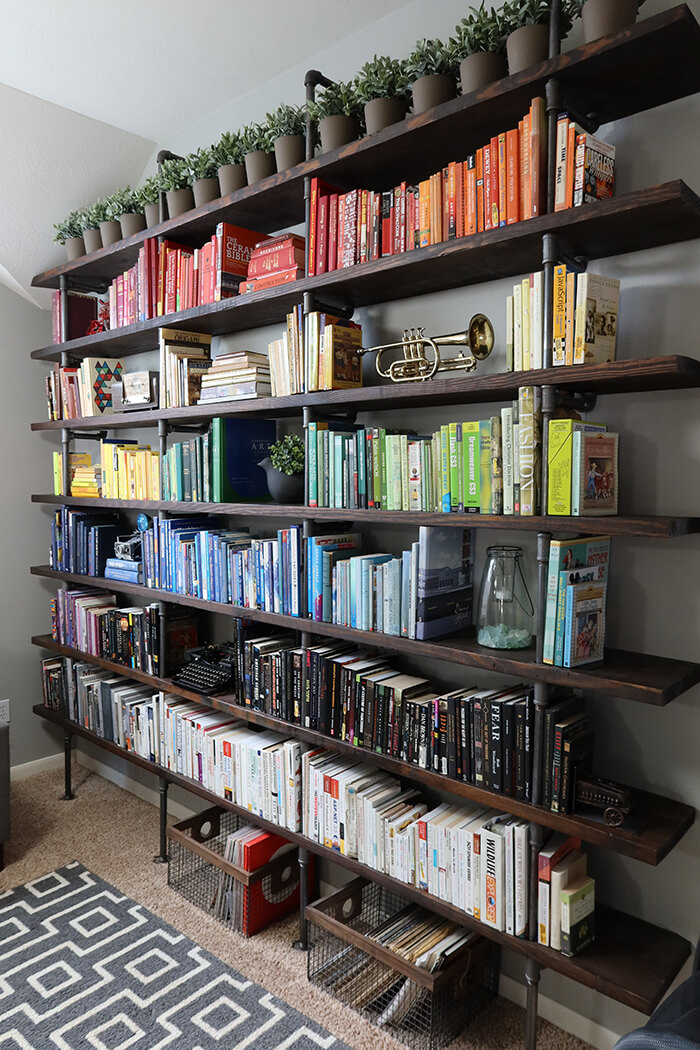
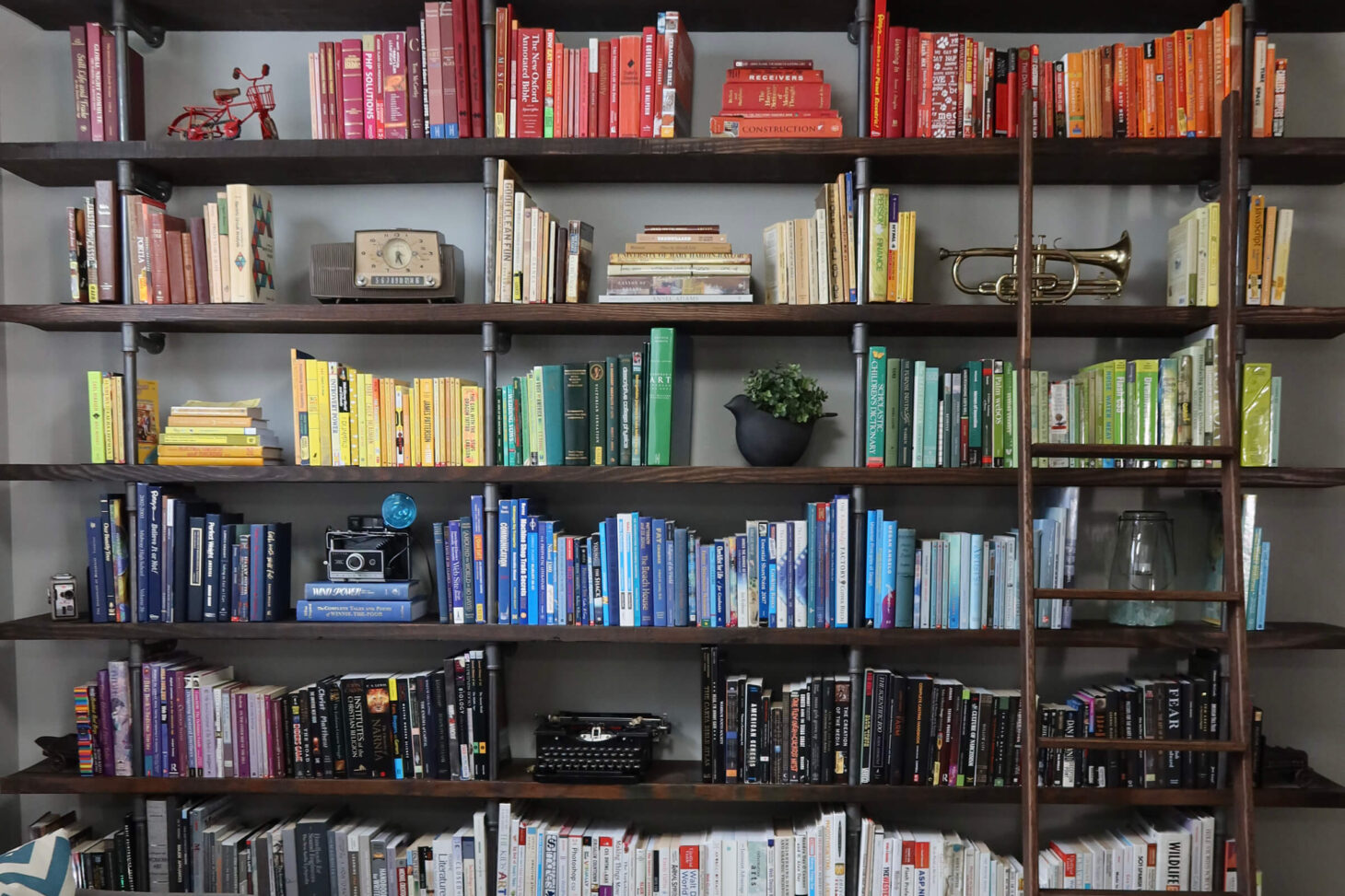
Arrange books by size or color for a neat look. Mix vertical stacks with horizontal piles to add interest. Use bookends to keep books tidy and highlight special titles. Add small decor items like candles or figurines to fill empty spaces. Balance the arrangement to avoid clutter or emptiness.
Incorporating Plants
Plants add freshness and a natural touch to pipe shelves. Use small pots or hanging plants to save space. Choose low-maintenance plants like succulents or ferns. Place plants at different shelf levels for visual flow. Greenery softens the industrial feel of pipes and wood.
Mixing Materials For Contrast
Combine wood, metal, and glass for a stylish look. Use metal baskets or trays to hold small items. Add glass vases or bowls for shine and texture. Contrast rough wood with smooth materials for balance. Mixing materials creates depth and adds character to the shelf.

Credit: sawdustsisters.com
Frequently Asked Questions
What Materials Are Needed For Pipe Shelving Bookshelf?
You need metal pipes, flanges, wooden boards, screws, and a drill. Choose sturdy pipes and quality wood for durability and style.
How Do I Assemble A Pipe Shelving Bookshelf?
Start by measuring and cutting pipes and boards. Attach flanges to pipes, secure pipes to boards, then mount the shelves on the wall.
Can Pipe Shelving Hold Heavy Books Safely?
Yes, if you use strong pipes and solid wood. Proper installation with wall anchors ensures the shelf can support heavy books safely.
How Do I Customize Pipe Shelving Design?
Adjust pipe lengths and wood sizes to fit your space. Paint or stain wood and pipes for a personalized look.
Conclusion
Building a pipe shelving bookshelf can add style to any room. You only need a few tools and materials to start. Follow the steps carefully for a sturdy shelf. Customize the size and look to fit your space. This project saves money and looks great.
Enjoy your new shelf for books, plants, or decor. Try this simple DIY and see the results yourself. A unique shelf can brighten your home easily. Give it a try and build something useful today.