Are you wondering when the right time is for your baby to move from a crib to a toddler bed? This transition is a big step for both you and your little one.
You want to make sure your child feels safe and comfortable while also making bedtime easier for the whole family. But how do you know when your baby is ready? Keep reading to discover the signs to watch for and expert tips that will help you make this change smoothly.
Your child’s sleep and your peace of mind depend on it.
Signs Baby Is Ready
Knowing when your baby is ready to move to a toddler bed can be tricky. Watching for certain signs helps you make the right choice. These signs come from their body, sleep habits, and behavior.
Physical Growth Indicators
Your baby may outgrow their crib size. They might try to climb out, showing strength and curiosity. Legs getting too long for the crib also point to readiness. These signs mean they need more space and safety.
Sleep Pattern Changes
Sleep habits can shift with growth. Your baby may wake more often or resist naps. They might want more independence at bedtime. These changes suggest a toddler bed could be better for their routine.
Behavioral Cues
Watch how your baby acts around the crib. Pushing the bars or trying to open the crib can mean readiness. Expressing interest in a big bed shows they want to move on. These behaviors show they feel ready for the next step.

Credit: www.babysleepmadesimple.com
Typical Age Range
The typical age range for moving a baby to a toddler bed varies widely. Many parents wonder when the right time is to make this change. Understanding the common ages helps set realistic expectations. Every child grows and develops at their own pace. This section breaks down the typical age range into clear parts.
Common Transition Ages
Most children switch to a toddler bed between 18 months and 3 years. Many toddlers make the move around their second birthday. Some stay in a crib until closer to 3 years old. The timing often depends on the child’s size and mobility. Parents usually notice when their child starts climbing out of the crib. This behavior often signals the need for a safer sleep option.
Variations Among Children
Each child is unique, so their readiness varies. Some toddlers feel comfortable in a bed earlier than others. Others prefer the crib longer due to a sense of security. Sleep habits and personality affect the transition timing. Children who move a lot in their sleep might need a toddler bed sooner. Parents should watch for signs of readiness more than age alone.
Pediatric Recommendations
Doctors advise moving to a toddler bed after the child outgrows the crib. Safety is the top concern in this decision. Pediatricians often suggest waiting until 18 months at least. They recommend the bed change before the child climbs out and risks injury. The American Academy of Pediatrics stresses choosing beds with guardrails. Following these guidelines helps ensure a safe and smooth transition.
Choosing The Right Bed
Choosing the right toddler bed is a key step in your child’s sleep journey. The bed should be safe, comfy, and just the right size. It helps your toddler feel secure and ready for sleep. Picking the correct bed supports healthy sleep habits and makes bedtime easier for everyone.
Consider what fits best in your child’s room and meets your family’s needs. The right bed can make a big difference in your toddler’s comfort and safety.
Safety Features To Consider
Safety comes first in any toddler bed. Look for beds with strong guardrails to stop falls. The rails should be high enough but easy for your child to climb over. Check that the bed frame is sturdy and stable. Avoid beds with sharp edges or small parts that can come loose. Non-toxic paint and finishes protect your child’s health. These features keep your toddler safe through the night.
Size And Comfort
The bed should fit your toddler’s size comfortably. A bed too big can feel scary; too small can feel cramped. Choose a mattress that fits snugly without gaps. Soft but firm mattresses support growing bodies. The height should be low enough for easy climbing in and out. Comfort helps your toddler relax and sleep well.
Types Of Toddler Beds
Toddler beds come in different styles. Some look like mini versions of adult beds. Others have fun designs, like cars or animals, to excite your child. Convertible beds can change from crib to toddler bed. These grow with your child and save space. Choose a type that matches your child’s personality and room space.

Credit: www.whattoexpect.com
Preparing For The Move
Moving your baby to a toddler bed is a big step. It needs planning and care. Preparing well helps your child feel safe and happy in the new bed. This phase is about making the change smooth and fun. A good start can lead to better sleep habits.
Creating A Comfortable Sleep Space
Choose a quiet, cozy spot for the new bed. Keep the room at a nice temperature. Use soft blankets and favorite pillows. Make sure the bed is safe with guardrails. A familiar stuffed toy can help your toddler feel calm.
Introducing New Bedtime Routines
Keep bedtime routines simple and steady. Read a favorite story or sing a gentle song. Dim the lights to signal sleep time. Avoid screens or loud noises before bed. A calm routine helps your toddler relax and sleep well.
Involving Your Toddler
Let your toddler help pick out sheets or toys. Talk about the new bed with excitement. Show them how to get in and out safely. Praise small steps to build confidence. Being involved makes your toddler feel proud and ready.
Handling Challenges
Moving your baby to a toddler bed brings new challenges. The change can affect sleep habits and routines. Parents often face resistance, nighttime wandering, and sleep regression. Understanding these issues helps you handle them calmly and patiently. Here are some tips to manage common problems.
Dealing With Resistance
Babies may refuse to sleep in a new bed. They feel safe in their crib and fear change. Keep the toddler bed inviting. Use favorite blankets and toys. Stay consistent with bedtime routines. Praise your child for staying in bed. Gentle reassurance works better than force. Patience is key during this transition.
Preventing Nighttime Wandering
Some toddlers get out of bed at night. They explore because the room feels new and exciting. Install a baby gate or door alarm. Teach your child that night means sleeping. Use a nightlight to comfort without encouraging play. Return your toddler to bed calmly and quietly. Repeat as needed without anger or frustration.
Managing Sleep Regression
Sleep regression can happen after the move. Your toddler may wake more often or cry at night. Maintain a calm bedtime routine. Avoid exciting activities before sleep. Offer comfort but avoid creating new habits like rocking or feeding. Be consistent and give your child time to adjust. Sleep will improve gradually.
Tips For Smooth Transition
Moving your baby to a toddler bed is a big step. It can bring many changes for your child and family. A smooth transition helps your child feel safe and happy. It also helps them sleep well in the new bed. Here are some tips to make this change easier.
Consistency And Patience
Keep the bedtime routine the same every night. This helps your child know what to expect. Patience is key. Your child may take time to adjust. Stay calm and gentle. Do not rush the process. Consistent actions build trust and comfort.
Positive Reinforcement
Praise your child for sleeping in the new bed. Use kind words and smiles. Reward small successes with hugs or stickers. Positive feelings make your child want to try again. Avoid punishment or negative comments. Encourage good habits with kindness.
Monitoring Progress
Watch how your child adapts to the toddler bed. Note any troubles or fears. Adjust the routine if needed. Talk with your child about their feelings. Offer comfort and support. Keep track of improvements over days and weeks. This helps you know what works best.
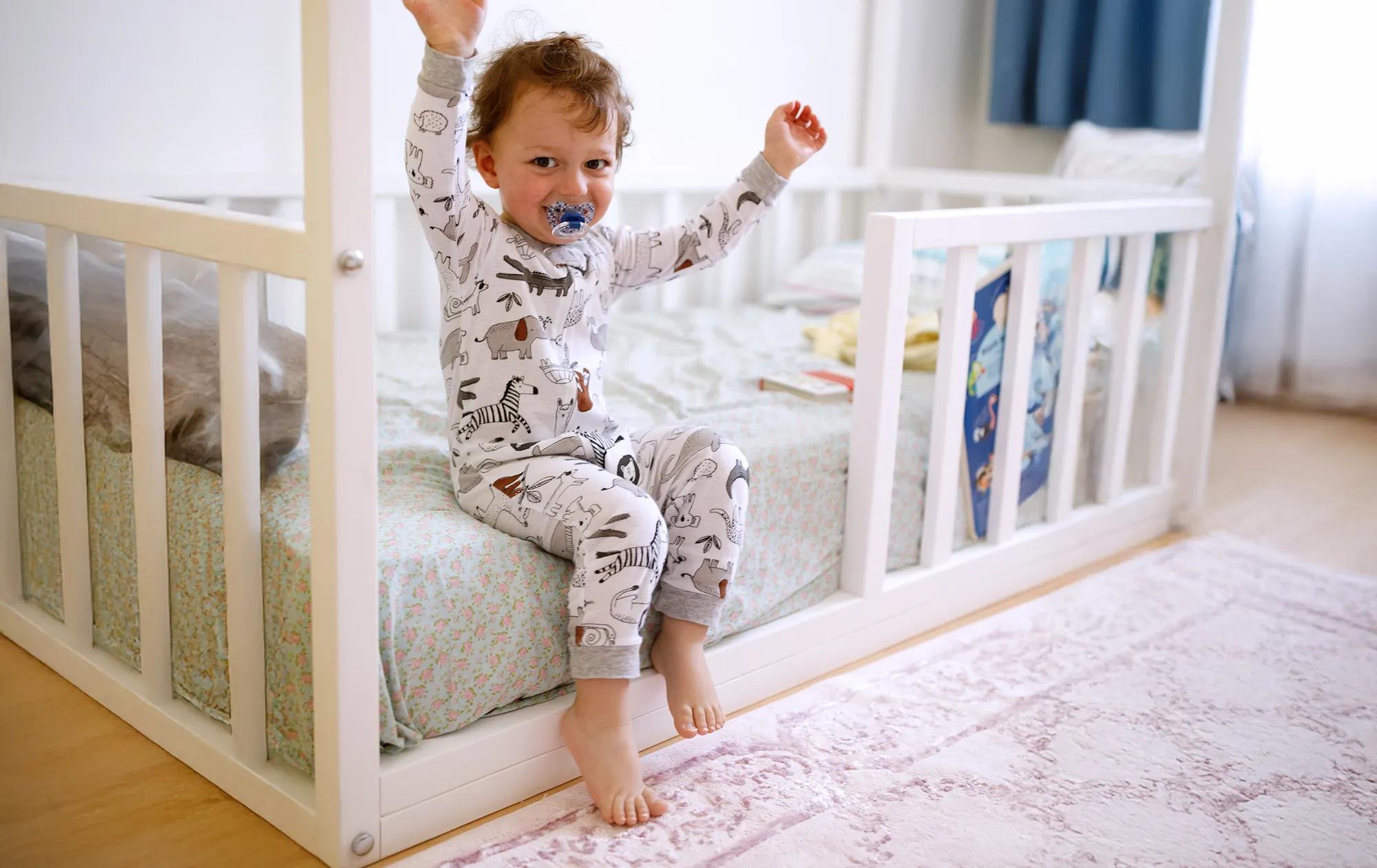
Credit: health.clevelandclinic.org
Frequently Asked Questions
When Is The Right Age For Toddler Bed Transition?
Most toddlers move to a bed between 18 months and 3 years. Watch for signs like climbing out of a crib or showing readiness for independence.
How To Know If My Baby Needs A Toddler Bed?
If your child can climb out of the crib or feels cramped, it’s time. Also, if they express interest in a “big kid” bed, consider transitioning.
What Safety Features Should Toddler Beds Have?
Toddler beds should have guardrails to prevent falls. Choose beds low to the ground and made from sturdy, non-toxic materials for safety and comfort.
Can Toddler Beds Improve Sleep Quality?
Yes, toddler beds offer more space and comfort. This can help toddlers feel secure and sleep better through the night.
Conclusion
Choosing the right time for a toddler bed depends on your child’s readiness. Most kids switch between 18 months and 3 years old. Watch for signs like climbing out of the crib or wanting more space. Safety matters, so pick a bed with guardrails.
Changing beds helps your child gain independence and comfort. Trust your instincts and your child’s needs. This change is a big step, but it can be smooth and positive. Every child is different. Take your time and enjoy this new stage together.