Wondering when the right time is to move your toddler from a crib to a bed? You’re not alone.
This transition can feel overwhelming, with questions swirling in your mind—Is my child ready? Will they be safe? How do I make this change smooth? Knowing the best age to make the switch can save you stress and help your little one sleep better.
Keep reading to discover clear signs and expert tips that will guide you through this important step with confidence. Your toddler’s comfort and your peace of mind start here.
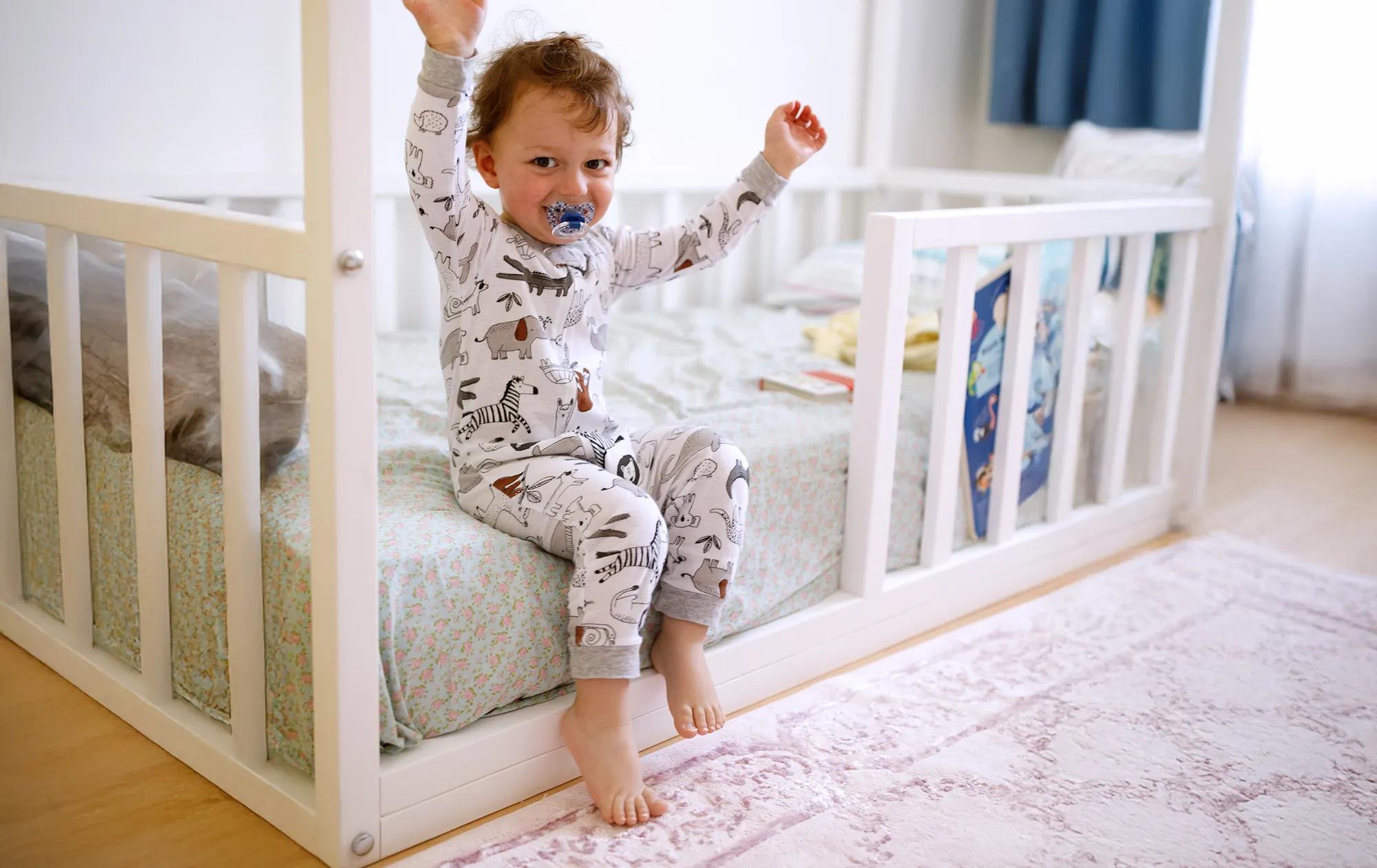
Credit: health.clevelandclinic.org
Signs Your Toddler Is Ready
Deciding the right time to move your toddler to a bed can feel tricky. Watching for clear signs helps you choose the best moment. These signs show your child’s body and mind are ready for this change. Understanding these clues can make the transition smooth and safe.
Physical Milestones
Your toddler should climb out of a crib easily. This shows strength and coordination. They might also walk steadily and sit down without falling. These skills help them handle a bed safely. If your child grows too tall for the crib, it is a clear sign to switch.
Behavioral Changes
Notice if your toddler wants more freedom at night. They might ask to get out of bed or explore. Refusing to stay in the crib can mean they are ready. Your child may also show more independence in daily tasks. This new behavior often means they can handle a bed.
Sleep Patterns
Watch how your toddler sleeps through the night. Frequent waking or climbing out of the crib can be signs. A toddler who sleeps longer and more peacefully may adjust well to a bed. Changing sleep habits often signal readiness for this next step.
Choosing The Right Bed
Choosing the right bed for your toddler is an important step. It helps your child feel safe and comfortable. A good bed supports healthy sleep habits. It also fits well in your home space. Picking the right bed means thinking about size, safety, and style. This helps your toddler enjoy bedtime and grow well.
Now, let’s explore the types of beds, what safety features to check, and how to set up the room for your toddler.
Types Of Toddler Beds
Toddler beds come in different shapes and sizes. The most common is the low bed, which is easy to climb in and out of. Some beds have rails on the sides to prevent falls. Convertible beds can change from cribs to toddler beds, saving money. There are also floor beds, which sit directly on the floor for safety. Choose a bed that fits your child’s size and room space.
Safety Features To Consider
Safety should be the top priority. Look for beds with guardrails to stop rolling off. The bed should be low to the ground. Check that the bed frame has no sharp edges or loose parts. Use a firm mattress that fits the bed perfectly. Avoid beds with drop-side rails. These can be dangerous for toddlers. Make sure the paint is non-toxic and safe for children.
Room Setup Tips
Place the bed away from windows and cords. Keep the area clear of toys and clutter to avoid tripping. Use soft lighting to make the room cozy. Add a nightlight if your child feels scared in the dark. Make sure the room temperature is comfortable for sleep. Create a calm space to help your toddler relax at bedtime.
Making The Transition Smooth
Changing from a crib to a bed is a big step for toddlers. It can be exciting but also a little scary. Helping your child feel safe and comfortable makes this change easier. A smooth transition means less stress for both of you. Simple steps can help your toddler adjust quickly.
Establishing A Routine
Start a bedtime routine that stays the same every night. This routine helps your toddler know what to expect. Bath time, reading a story, and quiet time work well. Consistent times for sleep make the transition easier. A calm routine signals it is time to rest.
Involving Your Toddler
Let your toddler help choose the new bed or bedding. This makes them feel special and excited. Talk about the new bed in a positive way. Use simple words and show how cozy it is. Let your child bring a favorite toy or blanket for comfort.
Handling Night Wakings
Night waking is normal during this change. Stay calm and gentle when your toddler wakes up. Guide them back to bed with soft words and hugs. Avoid turning on bright lights or loud noises. Patting or a quiet song can help them sleep again.
Common Challenges And Solutions
Moving a toddler to a bed can bring many new challenges. Parents often face common issues during this transition. These problems can make bedtime harder for both toddlers and parents. Understanding these challenges helps find the right solutions. Each toddler is different, so solutions may vary. The following sections cover some frequent struggles and ways to handle them.
Fear Of The Dark
Toddlers often feel scared in a new bed at night. Darkness can make them feel alone or unsafe. Night lights help by giving soft, gentle light. A favorite toy or blanket provides comfort and security. Talking calmly about their fears builds trust and calmness. Keep the room quiet and peaceful to ease anxiety. Routine bedtime stories also help distract from fear.
Getting Out Of Bed
Many toddlers test limits by leaving their beds. This behavior can disrupt sleep and cause frustration. Setting clear rules about staying in bed is important. Use gentle reminders and praise when they stay in bed. A child gate or door alarm adds safety and alerts parents. Consistency in bedtime routines reduces the urge to get up. Patience helps parents manage this phase calmly.
Sibling Sharing A Room
Sharing a room can cause conflicts between siblings. Toddlers may feel jealous or want more space. Assigning each child a special area helps them feel secure. Use separate beds with personal bedding to create boundaries. Encourage respect for each other’s sleep time. Quiet activities before bed ease the transition. Listening to each child’s needs builds harmony in shared rooms.
Expert Recommendations
Experts offer clear advice on the right age to move toddlers to a bed. Their guidance helps parents feel confident and safe. Understanding expert views can make this change easier for both parents and children.
Different specialists focus on various factors like safety, sleep quality, and child readiness. Combining their advice gives a well-rounded picture for making the best choice.
Pediatrician Advice
Pediatricians suggest waiting until the toddler is at least 18 months old. By this time, most children have better motor skills and understand boundaries. They also recommend checking if the toddler can climb out of the crib, which increases risk.
Health and safety come first. A toddler should be physically ready to move to a bed. Pediatricians also remind parents to childproof the room before the change.
Sleep Specialist Tips
Sleep experts highlight the importance of a consistent bedtime routine. They say toddlers move to a bed best when they have good sleep habits. Experts advise starting the transition when the child sleeps through the night.
Sleep specialists encourage a calm, quiet environment in the new bed. They also recommend patience, as toddlers may resist the change at first.
Parental Experiences
Many parents find that their child is ready between 2 and 3 years old. Some start earlier, especially if the toddler climbs out of the crib. Others wait longer to ensure the toddler feels secure.
Parents often share tips about involving the toddler in picking the bed. This helps the child feel excited and more willing to switch. Experiences show that flexibility and understanding are key to success.

Credit: www.cuckooland.com
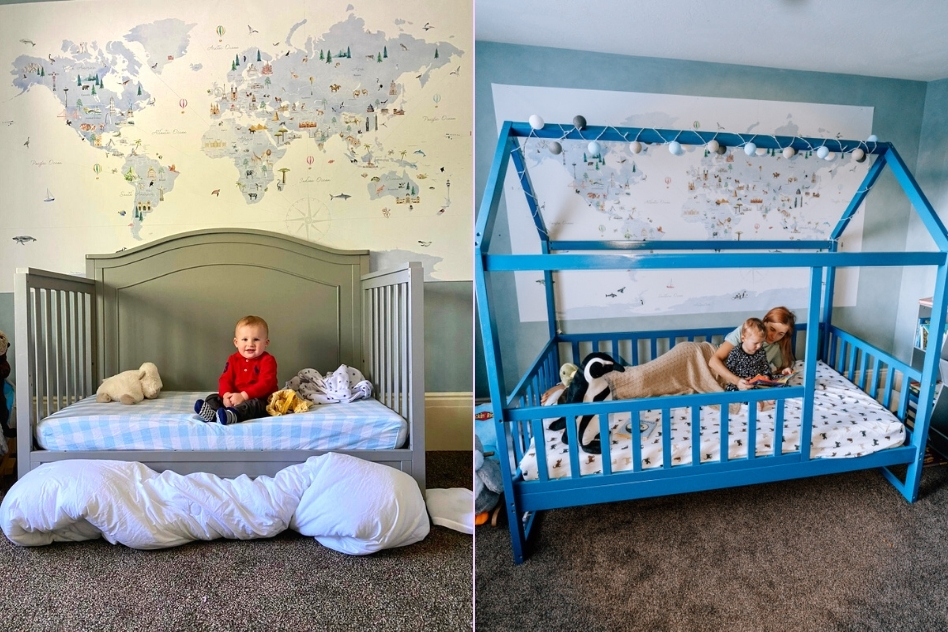
Credit: annainthehouse.com
Frequently Asked Questions
When Is The Best Age To Transition A Toddler To A Bed?
Most toddlers move to a bed between 18 months and 3 years. Watch for signs like climbing out of the crib or showing interest in a bed. Safety and readiness are key factors to consider before making the switch.
How To Know If My Toddler Is Ready For A Bed?
Look for signs like climbing out of the crib, expressing interest in a bed, or showing readiness for more independence. If your toddler is safe and comfortable, it’s likely time to transition to a bed.
What Type Of Bed Is Safest For Toddlers?
Toddler beds with low frames and guardrails are safest. These beds prevent falls and provide a cozy, secure sleeping space. Make sure the mattress fits snugly to avoid gaps where your child could get stuck.
How Can I Make Bedtime Easier During The Transition?
Create a consistent bedtime routine with calming activities like reading or singing. Use a nightlight and comfort objects to help your toddler feel secure. Patience and reassurance will ease the adjustment to a new bed.
Conclusion
Choosing the right age for a toddler’s bed depends on many things. Watch your child’s behavior and growth closely. Safety and comfort matter most. Toddlers ready to climb out of cribs often do well in beds. Give them time to adjust and feel secure.
Every child is different. Trust your instincts as a parent. A smooth transition helps your toddler sleep better. Keep their needs and habits in mind. This change is a big step for both of you. Take it slow and stay patient.
Your child will enjoy their new bed soon.