Are you wondering when the right time is to move your little one from a crib to a toddler bed? This transition can feel tricky, and you want to make sure it’s just right for your child’s comfort and safety.
Choosing the perfect age to switch isn’t always easy, but it can make a big difference in how smoothly your child adapts to their new sleeping space. Keep reading, and you’ll discover clear signs to watch for, helpful tips, and expert advice that will guide you through this important step with confidence.
Your child’s peaceful sleep—and your peace of mind—are closer than you think.

Credit: busytoddler.com
Signs Your Child Is Ready
Knowing when to switch your child to a toddler bed can be tricky. Watch for clear signs that show your child is ready. These signs help make the change smooth and safe.
Physical Milestones
Your child can climb out of the crib easily. They show good balance and coordination. These are strong signs they can handle a toddler bed. Growing taller and longer legs also mean less space in the crib.
Behavioral Indicators
Watch for curiosity about the bed and room. Your child may ask to sleep in a “big kid” bed. They might resist naps or bedtime in the crib. Trying to climb out shows they want more freedom.
Sleep Patterns
Your child sleeps through the night without waking often. They can stay in bed without wandering around. Regular nap times and nighttime sleep show readiness. Restless or disrupted sleep may mean more time in the crib.
Ideal Age Range
Choosing the right time to move your child to a toddler bed is important. The ideal age range helps ensure safety and comfort. This change supports your child’s growth and independence. Every child is different, so understanding common ages and key factors helps you decide.
Typical Transition Ages
Most children switch to a toddler bed between 18 months and 3 years old. Some start as early as 18 months if they climb out of their crib. Others may stay in a crib until 3 years if they feel secure there. This range fits many toddlers’ development stages. It allows a smooth change without stress.
Factors Influencing Timing
Physical growth plays a big role. If your child outgrows the crib, it is time to move. Safety is another factor. Climbing out of the crib risks injury. Your child’s sleep habits matter too. Some toddlers sleep better in a bigger bed. Comfort and readiness also guide your choice.
Choosing The Right Bed
Choosing the right bed for your toddler is important for their comfort and safety. It also helps them feel more confident in their new sleeping space. Toddlers need a bed that fits their size and supports their growth. The bed should make it easy for them to get in and out on their own. Parents should also think about how the bed fits into the room and the child’s daily routine.
Types Of Toddler Beds
Toddler beds come in different styles and sizes. The most common type uses a crib mattress and low frame. This type helps children adjust easily from a crib. Some beds have guardrails to stop toddlers from falling out. Other options include small twin beds with toddler rails or convertible beds that grow with the child. Choosing the right type depends on your child’s size and room space.
Safety Features To Consider
Safety is the top priority in any toddler bed. Look for beds with sturdy frames that do not wobble. Guardrails on both sides help prevent falls during sleep. The bed height should be low to the ground to avoid injury. Check that there are no sharp edges or small parts to swallow. Non-toxic paint and finishes are best for children’s health. Confirm the bed meets safety standards and certifications.
Preparing Your Child
Preparing your child for the transition to a toddler bed is important. It helps them feel safe and ready for the change. This process takes patience and care. Children need time to understand the new sleeping space and routine. You can make this change easier by involving your child and setting a clear routine.
Involving Your Child In The Process
Let your child help choose their new bed or bedding. This makes them excited and more willing to try the new bed. Talk about the bed as a “big kid” bed. Use simple words to explain why it is time to switch. Praise them for being brave and growing up.
Establishing A New Routine
Create a bedtime routine that fits the toddler bed. Keep the routine calm and consistent every night. Include activities like reading a story or singing a soft song. Make sure your child goes to bed at the same time. This helps their body get used to the new bed and sleep schedule.
Common Challenges
Transitioning to a toddler bed is an important step for your child. It can bring new challenges for both kids and parents. Understanding these common challenges helps you prepare better. Let’s explore two main issues many families face during this change.
Dealing With Resistance
Many toddlers resist leaving their crib. It feels safe and familiar to them. New beds can seem strange or scary. Some kids may cry or refuse to stay in bed. Patience and calm words help ease their worries. Creating a bedtime routine builds comfort and trust. Praise your child when they stay in bed. Small rewards motivate positive behavior.
Handling Nighttime Wandering
Nighttime wandering is common after the switch. Toddlers may leave their bed and roam the room. This can be unsafe and disrupt sleep for everyone. Set clear boundaries about staying in bed. Use baby gates or door alarms if needed. Guide your child gently back to bed each time. Consistency and firm limits teach them to stay put. Night lights help reduce fear of the dark.

Credit: www.whattoexpect.com
Expert Tips For A Smooth Transition
Transitioning your child to a toddler bed can bring many questions. Experts suggest ways to make this change easier for both parents and kids. A smooth move helps your child feel safe and excited about their new bed. Following expert tips can reduce bedtime struggles and improve sleep quality.
Creating A Comfortable Sleep Environment
Make the new bed cozy and inviting. Use soft bedding and favorite blankets or toys. Keep the room at a comfortable temperature. Use a night light to ease fear of the dark. Remove distractions like loud noises or bright screens. A calm room helps your child relax and sleep better.
Consistent Bedtime Practices
Stick to the same bedtime every night. Follow a simple routine like reading a story or singing a song. This routine signals it is time to sleep. Avoid letting your child play or watch TV before bed. Consistency builds good sleep habits and comfort in the new bed. Your child learns what to expect and feels secure.
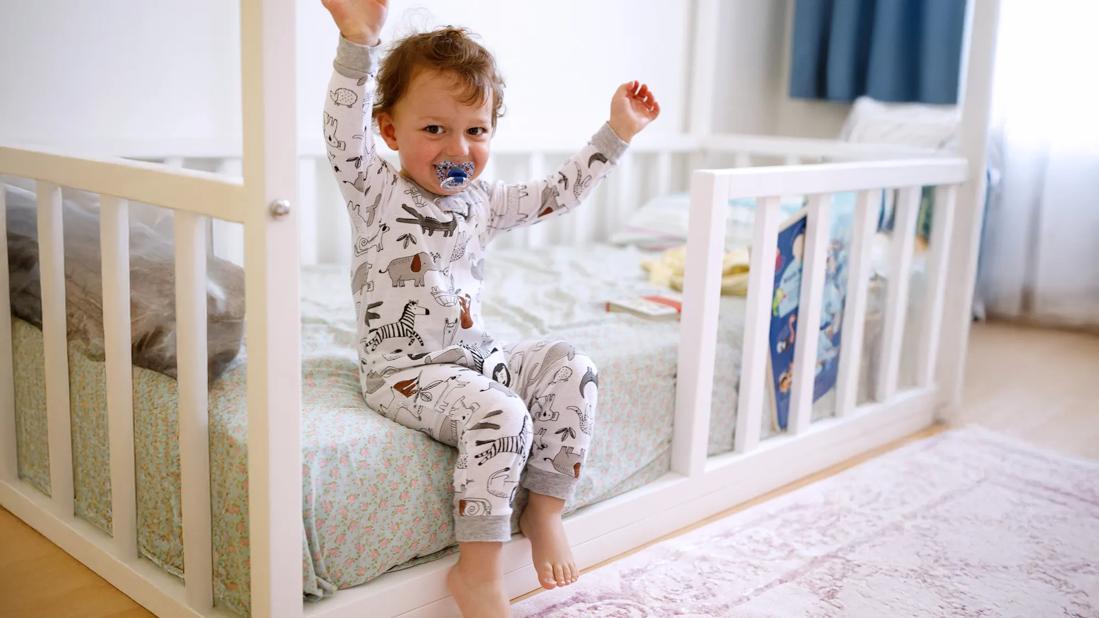
Credit: health.clevelandclinic.org
Frequently Asked Questions
At What Age Do Most Kids Switch To Toddler Beds?
Most children transition to toddler beds between 18 months and 3 years. This varies based on their size and readiness. Parents often consider safety and comfort when deciding the right time.
How Can I Tell If My Child Is Ready For A Toddler Bed?
Signs include climbing out of the crib, showing interest in a bigger bed, and improved motor skills. Readiness depends on your child’s physical and emotional development.
What Are The Benefits Of Moving To A Toddler Bed Early?
Early transition can prevent injuries from crib climbing and promote independence. It also helps children adjust gradually to a bigger sleeping space.
Should I Wait For My Child’s Birthday Before Switching Beds?
Waiting for a birthday isn’t necessary. Focus on your child’s readiness and safety instead. Timing should suit your family’s routine and comfort.
Conclusion
Choosing the right time for a toddler bed depends on your child’s needs. Watch for signs like climbing out of the crib or showing interest in a bigger bed. Safety matters most. A toddler bed offers comfort and freedom but still keeps them secure.
Every child grows at their own pace. Trust your instincts and observe your little one closely. Transitioning too early or late can cause stress. Keep the process calm and positive. This helps your child feel safe and happy in their new bed.