Are you wondering when your baby is ready to sleep in a toddler bed? Making this transition can feel tricky, and you want to get it just right for your child’s comfort and safety.
Knowing the right age to make the switch can help your little one sleep better and give you peace of mind. You’ll discover the signs to watch for and the best age range to move your baby from a crib to a toddler bed.
Keep reading to find out how to make this change smooth and stress-free for both you and your child.
When To Transition To A Toddler Bed
Transitioning your baby to a toddler bed is a big step. It marks a new phase in your child’s growth and sleep routine. Knowing the right time to move can help make this change smooth and safe. Pay attention to your child’s needs and behavior. These clues guide you to the perfect moment for the switch.
Signs Your Baby Is Ready
Your baby shows interest in climbing out of the crib. They may also start asking for a “big kid” bed. If your child feels cramped in the crib, it signals readiness. Notice if they resist naptime or bedtime in the crib. These signs suggest it is time to move on.
Age Range For Moving
Most children move to a toddler bed between 18 months and 3 years. Some might be ready earlier, others later. Age is just one factor to consider. Focus more on your child’s development and comfort. Each child grows at their own pace.
Safety Considerations
Ensure the toddler bed has guardrails to prevent falls. Place the bed away from windows and cords. Use a firm mattress that fits the bed snugly. Remove any heavy or sharp objects nearby. Always supervise your toddler during the first weeks in the new bed.

Credit: www.whattoexpect.com
Choosing The Right Toddler Bed
Choosing the right toddler bed is an important step for your child’s growth. It helps them feel safe and comfortable. The right bed also supports their sleep habits and independence. Parents want a bed that fits well in the room and meets safety needs. Understanding different options and features makes the choice easier.
Types Of Toddler Beds
Toddler beds come in many styles. Some look like small versions of regular beds. Others have fun designs with cars or animals. Convertible beds change from cribs to toddler beds. Some have rails to keep your child from falling. Pick a type that fits your child’s personality and room size.
Bed Size And Comfort
Size matters for toddler beds. A bed too big may feel scary for your child. Too small can feel cramped and uncomfortable. Most toddler beds use a standard crib mattress. This mattress size is perfect for toddlers. Choose soft but firm mattresses for good support. Comfort helps your child sleep longer and better.
Safety Features To Look For
Safety is the top priority in toddler beds. Look for beds with smooth edges and no sharp corners. Side rails help prevent falls during sleep. Check that paint and materials are non-toxic and safe. Make sure the bed is sturdy and stable. Proper safety features give parents peace of mind at night.
Preparing Your Toddler For The Change
Preparing your toddler for the move to a toddler bed is an important step. It helps your child feel safe and ready for the change. Taking time to prepare can make the transition smoother. It also helps your toddler enjoy their new sleep space.
Creating A Comfortable Sleep Space
Make the new bed cozy and inviting. Use soft blankets and familiar pillows. Keep favorite stuffed animals nearby for comfort. Choose bedding with colors or characters your toddler likes. A calm and quiet room helps your child relax. Avoid bright lights or loud noises in the bedroom.
Establishing A Bedtime Routine
Set a simple and consistent bedtime routine. This signals that it is time to sleep. Start with calming activities like reading a book. Follow with brushing teeth and putting on pajamas. Keep the routine short and easy to follow. This helps your toddler feel secure and ready for bed.
Involving Your Child In The Process
Let your toddler help choose their new bed or bedding. Talk about the benefits of the toddler bed. Encourage excitement by explaining the new bed is for big kids. Involve your child in setting up the room. This creates a sense of ownership and pride in the new space.
Common Challenges And Solutions
Moving a baby to a toddler bed can bring many challenges. Parents often face new sleep issues. Understanding these common problems helps create better routines. Here are some typical challenges and simple solutions that work well.
Dealing With Night Wakings
Night wakings often increase after switching to a toddler bed. Toddlers feel more freedom and may get out of bed. Keep a calm and consistent response to their waking. Gently guide them back to bed without too much talking. A soft night light can help them feel safe. Establish a soothing bedtime routine to reduce night wakings.
Preventing Toddler Bed Fears
Toddlers may feel scared in their new bed. Shadows and noises become big worries. Use a favorite blanket or stuffed toy for comfort. Talk about happy things before sleep. Avoid scary stories or shows near bedtime. Create a cozy and familiar sleep space to ease their fears.
Managing Escapes From Bed
Many toddlers try to leave their bed at night. This can disrupt their sleep and yours. Set clear and simple rules about staying in bed. Use a baby gate or door alarm if needed. Praise your child for staying in bed all night. Consistency is key to managing escapes effectively.
Expert Tips For Smooth Transition
Moving your baby to a toddler bed is a big step. This change can affect their sleep and your routine. Experts share tips to help this shift go smoothly. These tips focus on making your child feel safe and comfortable in their new bed.
Consistency And Patience
Keep a regular bedtime and wake-up time. A steady routine helps your toddler feel secure. Be patient if they resist or wake often. It takes time to adjust to a new sleeping space. Stay calm and stick to the routine every night.
Positive Reinforcement
Praise your toddler for staying in bed all night. Use kind words to encourage good sleep habits. Small rewards can motivate your child to enjoy their new bed. Celebrate successes to build their confidence and comfort.
Monitoring Sleep Patterns
Watch how your toddler sleeps in the new bed. Note if they wake more or have trouble falling asleep. Adjust bedtime or routine based on their needs. Understanding their sleep helps you support better rest.

Credit: www.ynhhs.org
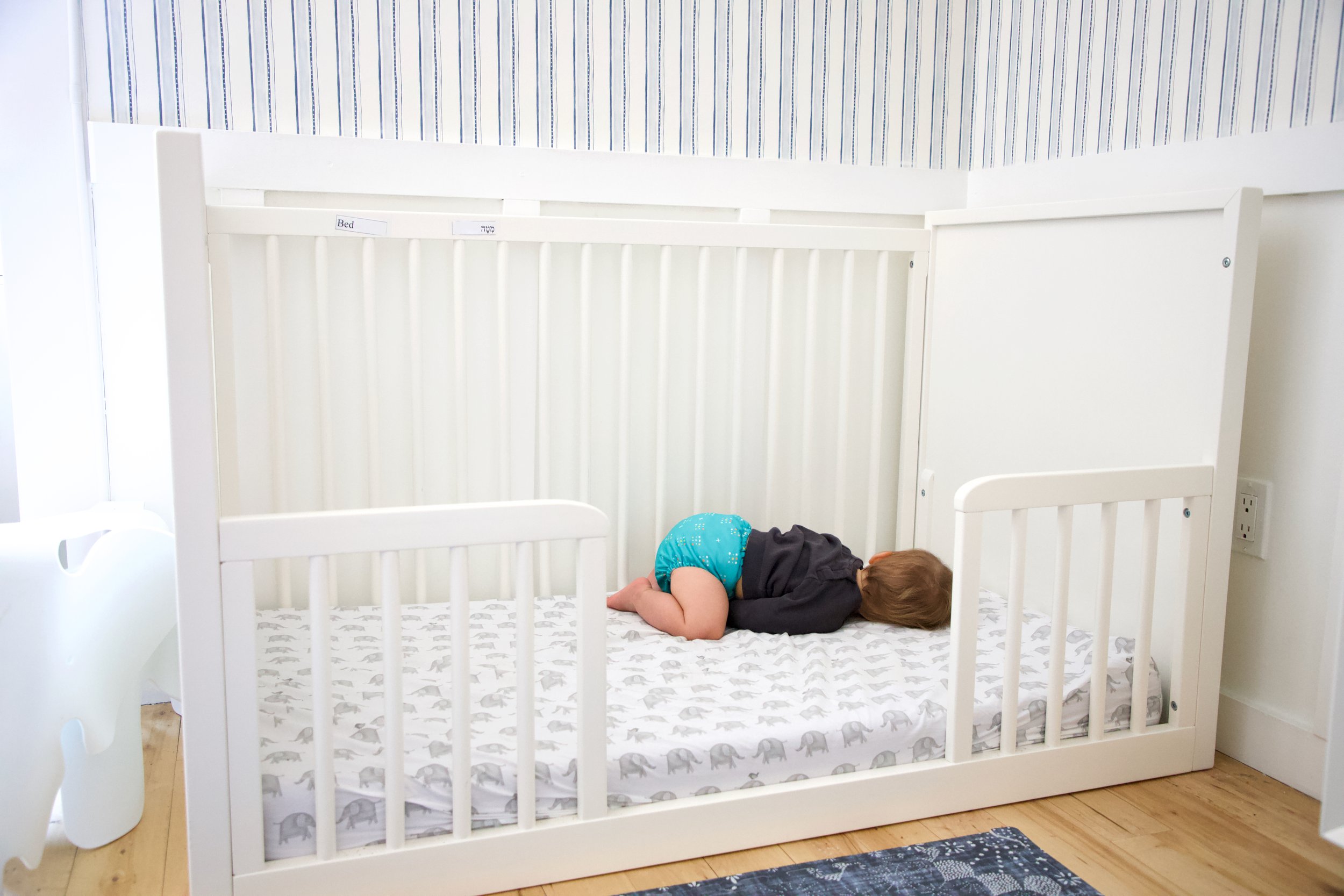
Credit: www.homeandontheway.com
Frequently Asked Questions
At What Age Do Babies Transition To Toddler Beds?
Most babies switch to toddler beds between 18 months and 3 years. This varies based on their mobility and safety needs. Watch for signs like climbing out of the crib or growing too tall. Transitioning too early or late can affect sleep quality.
How To Know If Baby Is Ready For Toddler Bed?
Signs include climbing out of crib, showing interest in bed, and growing too tall for crib. Also, if your child can follow simple instructions, it’s a good time. Readiness ensures safety and smooth adjustment to the new sleeping environment.
What Are Toddler Bed Safety Tips For Babies?
Use guardrails to prevent falls, choose low beds, and remove sharp objects nearby. Ensure the room is childproofed and keep the floor clear. These steps help protect your toddler during the transition and encourage independent sleeping.
How Does Sleep Change After Moving To Toddler Bed?
Sleep patterns may initially disrupt but usually stabilize within a week. Toddlers may explore more, so consistent bedtime routines help. The new bed can boost independence, but patience is key during adjustment.
Conclusion
Toddlers usually start sleeping in a bed between 18 months and 3 years. Every child is different and moves at their own pace. Watch for signs like climbing out of the crib or needing more space. Safety matters most—choose a bed with rails and a low height.
Transition gently to help your toddler feel secure. This change can improve sleep for both child and parents. Remember, patience and care make the switch easier for everyone.