Are you wondering when your little one is ready to make the big switch from a crib to a bed? Knowing the right age for your toddler to start sleeping in a bed can make this transition smooth and stress-free for both of you.
This change is more than just a new piece of furniture—it’s a big step in your child’s growth and independence. Keep reading to discover the signs to look for and expert tips to help your toddler feel safe and comfortable as they move into their new sleeping space.
You’ll learn exactly when and how to make this important change without the usual bedtime battles.
When Toddlers Transition To Beds
Moving a toddler from a crib to a bed is a big step for families. It marks growing independence and new routines. Parents often wonder about the right time to make this change. Understanding the typical age range and signs of readiness helps with a smooth transition.
This change can affect sleep quality and safety. Careful planning and observation make it easier for toddlers to adjust. Each child is different, so watching their behavior matters most.
Typical Age Range
Most toddlers start sleeping in a bed between 18 months and 3 years old. Some may switch earlier, others later. The timing depends on their development and comfort. Many children move to a bed before they turn two years old. Parents choose this age to give toddlers more freedom and space to move.
Crib safety rules also influence the timing. When toddlers climb out of their crib, it becomes unsafe. At this point, switching to a bed prevents falls and injuries. Knowing this range helps parents prepare for the change.
Signs Of Readiness
Toddlers show clear signs when ready for a bed. Climbing out of the crib is the most common sign. It shows they want more freedom and control. Other signs include asking to sleep in a bed or showing fear of the crib.
Also, toddlers who follow simple sleep routines and stay in one place at night are ready. They understand rules and boundaries better. These signs help parents decide the right moment to switch. Watching your toddler closely ensures safety and comfort during the move.

Credit: www.whattoexpect.com
Choosing The Right Bed
Choosing the right bed is a key step for your toddler’s comfort and safety. The bed should fit your child’s size and needs. A good bed helps your toddler sleep well and feel secure. It also makes the transition from crib to bed easier. Take time to pick a bed that suits your home and your toddler’s habits.
Types Of Beds For Toddlers
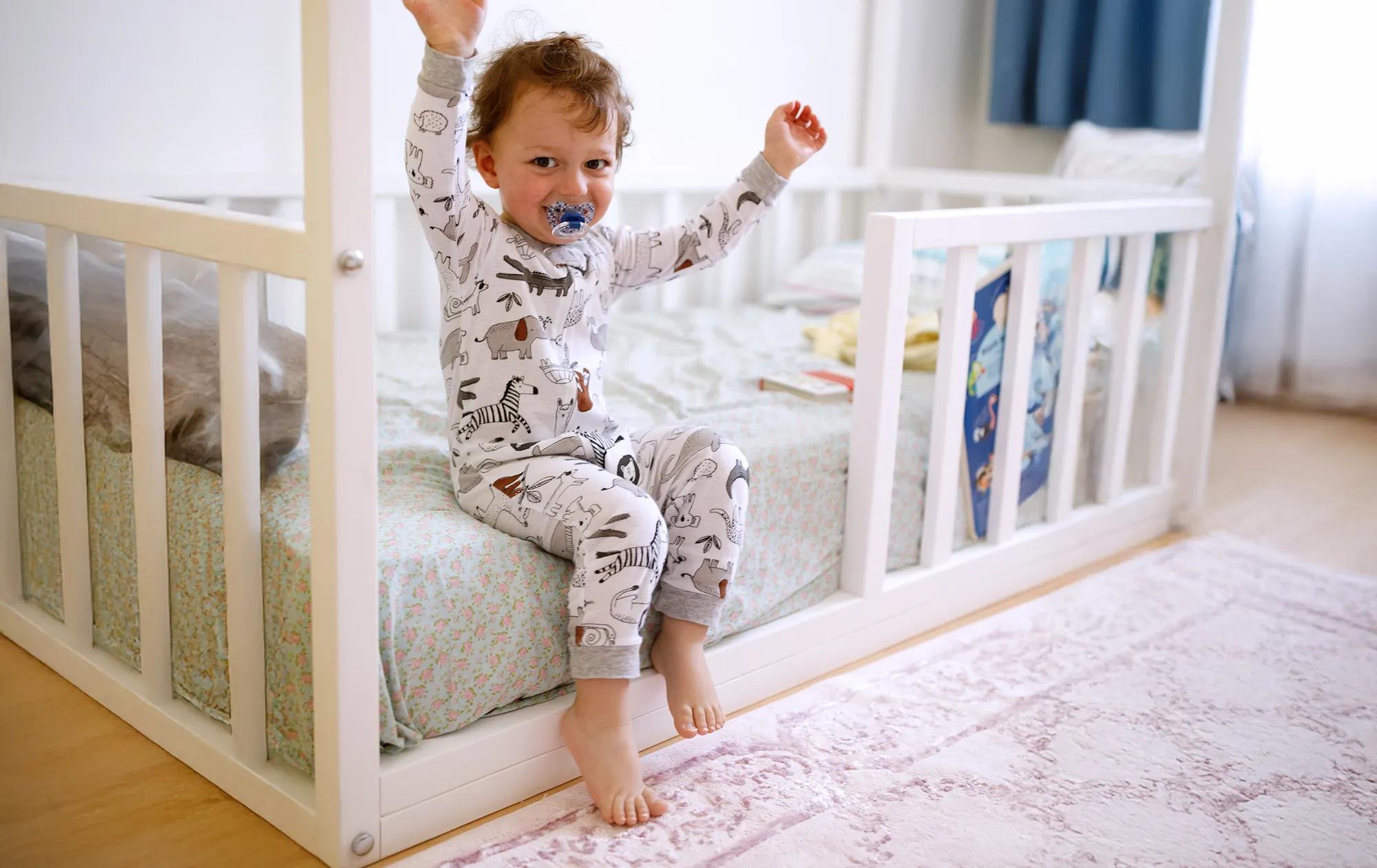
Many types of beds work well for toddlers. A toddler bed is smaller than a regular bed. It often uses the same crib mattress. This bed is low to the ground for easy climbing.
Another option is a twin bed with safety rails. This bed grows with your child. You can add fun themes or colors to make it inviting.
Floor beds are also popular. They sit directly on the floor without a frame. This style encourages independence and is very safe.
Safety Features To Consider
Safety is the top priority in any toddler bed. Look for beds with sturdy frames that do not wobble. Rounded edges help prevent bumps and bruises.
Side rails are important to stop your toddler from falling out. Make sure the rails are high enough but not too tall.
Check that the bed materials are non-toxic and child-friendly. Avoid beds with sharp corners or loose parts.
Also, the bed should fit the mattress snugly. Gaps can cause accidents or discomfort. Make sure the bed is stable on the floor.
Preparing Your Toddler For The Change
Preparing your toddler for the move from a crib to a bed needs gentle steps. Toddlers feel safe and happy when changes happen slowly. This helps them sleep well and feel secure in the new bed.
Parents can help by making the new bed inviting and by setting clear routines. Toddlers thrive on routine. It makes them know what to expect and eases their worries.
Creating A Comfortable Sleep Space
Choose a bed that fits your toddler’s size and needs. Use soft, cozy bedding with familiar colors or characters. Keep the room tidy and quiet to make it calm.
Let your toddler help pick the bedding or a special toy. This builds excitement and ownership. Keep night lights on if your child fears the dark. Make sure the bed is safe with guardrails to prevent falls.
Establishing A Bedtime Routine
Start the bedtime routine at the same time each night. Include calming activities like a warm bath or a short story. Avoid screens and loud noises to help your toddler wind down.
Use the same words to say goodnight to create comfort. This signals that sleep time is near. Consistency in routine builds trust and helps toddlers adjust to their new bed.
Credit: health.clevelandclinic.org
Common Challenges And Solutions
Moving a toddler to a bed brings new challenges. Parents often face common problems that disrupt sleep for the child and family. Understanding these issues helps in finding simple, effective solutions.
Toddlers may resist bedtime or wander during the night. These behaviors need patience and clear steps to manage. Consistent routines and gentle guidance support a smooth transition to bed sleeping.
Dealing With Bedtime Resistance
Toddlers might say no to going to bed. They want to stay up or play more. Set a calm, regular bedtime routine. Use quiet activities like reading before sleep. Offer comfort and avoid arguing. Praise your child for staying in bed. This builds good habits and reduces fights.
Managing Nighttime Wandering
Some toddlers get out of bed at night. They may feel scared or curious. Make the bedroom safe and cozy. Use a night light to ease fears. Gently guide them back to bed without excitement. Keep doors closed or use a baby gate if needed. Consistency helps toddlers learn to stay in bed.
Benefits Of Early Bed Transition
Moving a toddler from a crib to a bed can bring many benefits. Early transition helps children adapt to new routines and build good habits. It supports their growth in simple but important ways. Parents often notice positive changes in their child’s behavior and sleep patterns. The shift can also help toddlers feel more confident and secure in their space.
Promoting Independence
Sleeping in a bed teaches toddlers to be more independent. They learn to get in and out of bed by themselves. This small step boosts their confidence every day. It helps them feel responsible for their own sleep time. Independence at bedtime can make daily routines smoother for the whole family.
Improving Sleep Quality
A bed offers more space to move and stretch comfortably. Toddlers often sleep better with room to change positions. This can reduce restlessness and night wakings. Better sleep helps children feel rested and happy. Good sleep quality also supports healthy growth and brain development.
When To Seek Professional Advice
Knowing when to seek professional advice about your toddler’s sleep is important. Some sleep problems may need expert help. Early attention can improve your child’s sleep habits and health.
Watch your toddler’s sleep closely. Changes or difficulties might signal a need for support. Trust your instincts as a parent. Your observations matter most.
Sleep Issues To Monitor
Notice if your toddler has trouble falling asleep or staying asleep. Frequent waking up can affect their mood and growth. Loud snoring or gasping during sleep needs attention. Nightmares or night terrors that happen often are also a concern. Excessive daytime sleepiness or unusual behavior might show sleep problems. Keep track of these signs to understand your child’s sleep better.
Consulting Pediatricians
Talk to a pediatrician if sleep issues continue for weeks. They can check for medical or developmental causes. Doctors may suggest sleep studies or other tests. Follow their advice for treatment or changes at home. Pediatricians help create a safe and healthy sleep routine. Early consultation supports your toddler’s overall well-being.

Credit: raisingchildren.net.au
Frequently Asked Questions
At What Age Do Toddlers Typically Switch To A Bed?
Toddlers usually start sleeping in a bed between 18 months and 3 years. This transition depends on their development and readiness.
How Can I Tell If My Toddler Is Ready For A Bed?
Signs include climbing out of a crib, showing interest in a bed, and improved mobility and awareness.
What Are The Safest Beds For Toddlers Transitioning?
Toddler beds with guardrails or low-to-the-ground twin beds are safest. They prevent falls and offer comfort during transition.
Should I Transition To A Bed During Nap Times Too?
Yes, transitioning nap times to a bed helps toddlers adjust faster to their new sleeping arrangement.
Conclusion
Toddlers usually start sleeping in a bed between 18 months and 3 years. Every child grows at their own pace, so watch their readiness signs. Safety matters most—choose a bed with rails or low height. Make the transition smooth with familiar blankets or toys.
Patience helps your toddler feel secure and confident. Changing sleep habits takes time, so stay calm and consistent. This step is part of growing up and gaining independence. Enjoy this new phase with your little one.