Choosing what your toddler should wear to bed with a duvet can feel tricky. You want your little one to stay cozy and safe all night, but how do you find the right balance?
The wrong sleepwear might make them too hot or too cold, leading to restless nights—for both of you. You’ll discover simple, practical tips to dress your toddler comfortably under a duvet, ensuring peaceful sleep and happy mornings. Keep reading to find out exactly what works best for your child’s bedtime routine.
Choosing The Right Sleepwear
Choosing the right sleepwear for toddlers is important for safe and cozy sleep. The right clothes help keep your child comfortable under a duvet. They also protect against overheating or chills during the night. Picking the best sleepwear depends on several key factors. These include the material, fit, and the season. Each factor plays a role in your toddler’s sleep quality and safety.
Material Matters
Soft, breathable fabrics work best for toddler sleepwear. Cotton is a top choice because it feels gentle on the skin. It allows air to flow and reduces sweat. Avoid synthetic fabrics that trap heat. Natural fibers help prevent rashes and skin irritation. Always check for tags that say “100% cotton” or “organic cotton.” These options keep your child cool and comfortable all night.
Comfort And Fit
Sleepwear should fit snugly but not be tight. Loose clothes can get tangled or ride up under the duvet. Tight clothes may restrict movement and cause discomfort. Choose pajamas with stretchy cuffs and waistbands. Soft seams prevent scratching. Clothes should allow your toddler to move freely. Comfort is key for peaceful sleep and safe rest.
Seasonal Choices
Adjust sleepwear based on the season and room temperature. In warm months, lightweight pajamas or short sleeves work well. Layer thin clothes if nights get cooler. During cold months, long sleeves and pants help keep warmth inside. Avoid heavy blankets if your toddler wears thick sleepwear. Balance layers to prevent overheating or chills. The right balance ensures a cozy night all year.
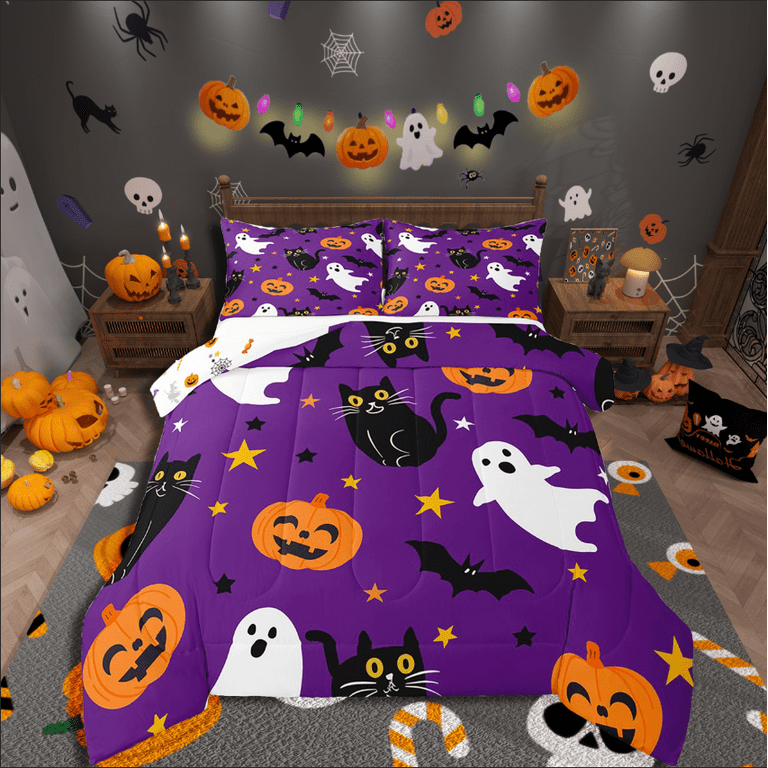
Credit: www.walmart.com
Duvet Safety Tips
Using a duvet for your toddler’s bed can be cozy and warm. Safety is key to keep your child comfortable and secure all night long. Follow these duvet safety tips to ensure a safe sleep environment for your little one.
Proper Duvet Size
Choose a duvet that fits your toddler’s bed size. A duvet too big can cover the child’s face. Too small may not provide enough warmth. A properly sized duvet stays in place and keeps your child cozy.
Securing The Duvet
Make sure the duvet stays on the bed during sleep. Use duvet covers with buttons or zippers to keep the filling inside. Tucking the duvet edges under the mattress can prevent it from slipping. This reduces the risk of suffocation or entanglement.
Avoiding Overheating
Overheating can cause discomfort or health issues. Choose a lightweight duvet for your toddler. Dress your child in breathable pajamas under the duvet. Keep the room temperature comfortable to prevent overheating during sleep.
Layering For Warmth
Layering for warmth is a smart way to keep toddlers cozy at night, especially when using a duvet. It helps control their body temperature without overheating. Layers can be added or removed easily, making bedtime comfortable throughout the night.
Using Sleep Sacks
Sleep sacks provide a safe and warm option for toddlers. They fit snugly and prevent cold air from sneaking in. Unlike loose blankets, sleep sacks reduce risks during sleep. Choose a sleep sack made from breathable fabric for extra comfort.
Adding Pajama Layers
Start with a soft cotton pajama set for the first layer. Add a lightweight fleece or thermal top if it’s cold. Avoid thick or bulky pajamas that restrict movement. Layers help trap heat close to the body but still allow freedom to move.
Balancing Warmth And Breathability
Too much warmth can cause sweating and discomfort. Use natural fabrics like cotton or bamboo to allow air flow. Keep the room temperature in check to avoid overheating. Layering helps maintain the right balance between warmth and breathability for your toddler’s comfort.

Credit: www.amazon.com
Signs Of Overheating Or Discomfort
Knowing the signs of overheating or discomfort is important for your toddler’s safe sleep. Toddlers can’t always tell you if they feel too hot or uneasy. Watching for these signs helps you keep them comfortable and safe under the duvet.
Checking Skin Temperature
Touch your toddler’s neck or chest to feel their skin temperature. Warm, sweaty, or flushed skin may mean overheating. Cool or damp skin might show discomfort. Avoid relying only on hands; check skin often during the night.
Behavioral Cues
Toddlers who are too hot may toss and turn a lot. They might wake up crying or restless. Watch for flushed cheeks, sweating, or rapid breathing. These signs show they need a cooler sleep environment.
Adjusting Bedding Accordingly
Use lightweight pajamas and a breathable duvet. Remove blankets if your toddler shows signs of heat. Add a thin layer if they seem cold. Always choose soft and natural fabrics to help regulate body temperature.
Choosing Safe Bedding Materials
Choosing safe bedding materials for toddlers is very important. Toddlers have sensitive skin and need comfort for a good night’s sleep. Safe materials help prevent allergies and keep them cozy. Parents should pick bedding that is soft, breathable, and easy to clean.
Hypoallergenic Fabrics
Hypoallergenic fabrics reduce the risk of allergies and skin irritation. Cotton and bamboo are gentle on toddler skin. These fabrics do not trap dust mites or allergens. They keep the bedding clean and safe for sensitive skin. Softness and safety go hand in hand with hypoallergenic materials.
Breathable Duvet Fillings
Breathable duvet fillings help regulate body temperature. Natural fillings like wool or cotton allow air to flow well. Synthetic fillings can trap heat and cause sweating. Proper airflow keeps toddlers cool and comfortable all night. Breathable fillings reduce the risk of overheating.
Easy-to-clean Options
Easy-to-clean bedding is practical for busy parents. Machine-washable fabrics save time and effort. Stain-resistant materials keep the duvet fresh longer. Regular washing removes dust and allergens effectively. Clean bedding supports a healthy sleep environment for toddlers.

Credit: www.amazon.com
Tips For Transitioning From Blankets To Duvets
Transitioning your toddler from blankets to a duvet can be smooth with the right approach. Toddlers often feel unsure about new bedding. Helping them adjust carefully makes bedtime calm and cozy. These tips support a gentle change that keeps your child comfortable and secure.
Introducing The Duvet Gradually
Start by placing the duvet next to your toddler’s usual blanket. Let your child touch and explore the duvet during the day. Use the duvet for short naps before bedtime. This helps your toddler get used to the new texture and weight. Slowly increase the time spent with the duvet each night.
Maintaining Familiar Sleep Routines
Keep your toddler’s bedtime routine the same. Use the same lullabies, stories, and sleep environment. Familiar actions signal that it is time to sleep. This reduces anxiety about the change in bedding. Consistency brings comfort and helps your toddler settle quickly with the duvet.
Ensuring Toddler’s Comfort
Choose a duvet with soft, breathable fabric. Make sure it is light enough for your toddler. Check the room temperature to avoid overheating. Allow your child to help pick the duvet cover. Feeling involved makes the new bedding more appealing. Comfort and security help your toddler rest well through the night.
Frequently Asked Questions
What Is The Safest Sleepwear For Toddlers With A Duvet?
Choose snug, breathable pajamas made of cotton for toddlers. Avoid loose or bulky clothing to prevent overheating and entanglement under the duvet. Ensure the sleepwear fits well and complements the room temperature for a safe sleep environment.
Should Toddlers Wear Socks To Bed With A Duvet?
Socks are optional for toddlers with a duvet. If the room is cold, light cotton socks help keep feet warm. Avoid thick or tight socks to prevent discomfort or restricted circulation during sleep.
How To Prevent Toddler Overheating Under A Duvet?
Use lightweight, breathable fabrics for both bedding and sleepwear. Keep the room temperature between 68-72°F (20-22°C). Avoid heavy duvets or multiple blankets. Monitor your toddler for signs of overheating like sweating or flushed skin.
Can Toddlers Use Wearable Blankets With A Duvet?
Wearable blankets can be used if the duvet is thin and light. They add an extra layer without the risk of loose covers. Ensure the wearable blanket fits well and is made from breathable materials.
Conclusion
Choosing the right clothes helps toddlers sleep safely and comfortably. Soft pajamas suit well with a cozy duvet. Keep fabrics light and breathable to avoid overheating. Dress your child in layers if the room feels cold. Always check the room temperature before bedtime.
A happy, warm toddler means peaceful nights for everyone. Sleepwear and duvet together create a safe, snug sleep space. Simple steps make bedtime easier and more restful. Your toddler will enjoy nights wrapped in comfort and care.