Are you wondering when the right time is to move your little one from a crib to a bed? It’s a question many parents face, and getting it right can make a big difference for both you and your toddler.
Choosing the perfect age isn’t just about numbers—it’s about your child’s safety, comfort, and readiness. Keep reading, because inside this article, you’ll discover clear signs to watch for, expert tips, and practical advice to help you make this important transition smoothly.
Your toddler’s best sleep—and your peace of mind—start here.
Signs Your Toddler Is Ready
Knowing when your toddler is ready to move from a crib to a bed is important. Some signs show they are prepared for this change. Watch your child closely. These clues help you decide the right time.
Read about physical growth, behavior, and sleep patterns. These areas tell a lot about your toddler’s readiness.
Physical Growth Indicators
Your toddler may outgrow the crib. They might start climbing out. This can be unsafe. Taller height and bigger size also matter. If your child looks cramped in the crib, it is a sign.
Strong legs and balance help them get in and out of bed safely. Watch for these physical changes before switching to a bed.
Behavioral Changes
Your toddler may want more independence. They may ask to sleep in a big bed. Some toddlers resist the crib. They might try to escape or refuse naps.
These behaviors show readiness for a bed. Your child wants to explore and feel grown up. Notice if they seem excited about a new bed.
Sleep Patterns
Sleep habits can signal readiness. If your toddler wakes often climbing out or feels trapped, change is needed. Longer sleep times and fewer naps also help.
Look for steady sleep routines. Your toddler should handle sleeping in a bed without trouble. Good sleep patterns make the transition easier.

Credit: www.candokiddo.com
Ideal Age Range For Transition
Choosing the right time to move your toddler from a crib to a bed is important. This change helps your child feel more comfortable and secure during sleep. The ideal age range for this transition varies but usually falls within a specific window. Understanding this range and your child’s needs can make the switch easier for everyone.
Typical Age Milestones
Most toddlers move to a bed between 18 months and 3 years old. Around 2 years old is the most common age. This is when many children start climbing out of their cribs. Safety becomes a concern, making a bed a better choice. Also, toddlers develop more independence and enjoy climbing in and out of bed.
Variations Among Children
Every child grows at their own pace. Some may be ready for a bed earlier or later than others. Factors like physical growth, emotional readiness, and sleep habits affect timing. Watch for signs like climbing out of the crib or asking to sleep in a bed. Follow your toddler’s cues to decide the best moment to change.
Choosing The Right Bed
Choosing the right bed for your toddler is important for their comfort and safety. The bed should suit their size and needs. It also helps them feel secure and happy during sleep. Parents often wonder whether to pick a toddler bed or a twin bed. Understanding the differences can make the choice easier.
Toddler Beds Vs. Twin Beds
Toddler beds are smaller and lower to the ground. They often have rails on the sides to stop kids from falling out. These beds fit toddler mattresses, which are smaller than standard ones.
Twin beds are bigger and higher off the floor. They use a standard mattress. Twin beds last longer as the child grows. But, they might feel too large or unsafe for younger toddlers.
Choosing between these beds depends on your child’s age and comfort. Toddler beds suit younger children just moving out of cribs. Twin beds work well for older toddlers ready for more space.
Safety Features To Consider
Safety is key when picking a bed. Look for beds with sturdy side rails to prevent falls. Rounded edges on the bed frame reduce the risk of injury.
Check that the bed is low to the ground. This helps toddlers climb in and out easily. It also lowers injury risks from falls.
Make sure the bed materials are non-toxic and strong. Avoid beds with sharp parts or loose pieces. A secure, stable bed gives parents peace of mind.
Preparing The Room
Preparing your toddler’s room before moving them to a bed is very important. The room must be safe and cozy. This helps your child sleep well and feel secure. Small changes can make a big difference in comfort and safety.
Childproofing Tips
Secure all furniture to the wall to stop tipping. Cover electrical outlets with safety plugs. Remove small toys or items that can cause choking. Use window guards or locks to prevent falls. Keep cords from blinds out of reach. Place soft rugs or mats beside the bed to cushion any falls. Check for sharp edges and cover them with padding. Make sure doors and windows lock properly but can open easily from inside.
Creating A Comfortable Sleep Environment
Choose soft, breathable bedding that fits the bed well. Keep the room cool and well-ventilated. Use blackout curtains to block excess light. Add a nightlight for gentle illumination. Keep noise low or use a white noise machine. Include a favorite stuffed animal or blanket for comfort. Avoid strong scents or heavy perfumes in the room. Maintain a clean and clutter-free space to help your child relax.
Making The Transition Smooth
Moving a toddler from a crib to a bed is a big step. It needs care and patience. A smooth change helps your child feel safe and happy. It also makes bedtime easier for everyone.
Small changes can make a big difference. Start with gentle steps. This helps your toddler adjust without stress. Create a calm and cozy space for sleep. Consistency is key for building good habits.
Establishing A Bedtime Routine
Set a clear bedtime routine each night. Use the same steps in the same order. This helps your child know what to expect. Include quiet activities like reading or soft music. Avoid screens and loud noises before bed. A warm bath can also help relax your toddler.
Stick to the routine every night. This builds comfort and security. Your toddler learns that it is time to sleep. A routine reduces fussiness and resistance at bedtime.
Handling Nighttime Challenges
Nighttime can bring new challenges after moving to a bed. Toddlers may get up or feel scared. Stay calm and patient when this happens. Gently guide your child back to bed. Use a nightlight to ease fears of the dark.
Offer comfort but avoid long talks or play. This helps your toddler learn to fall asleep alone. Praise small successes to encourage good sleep habits. Over time, your child will feel safe and secure in the new bed.
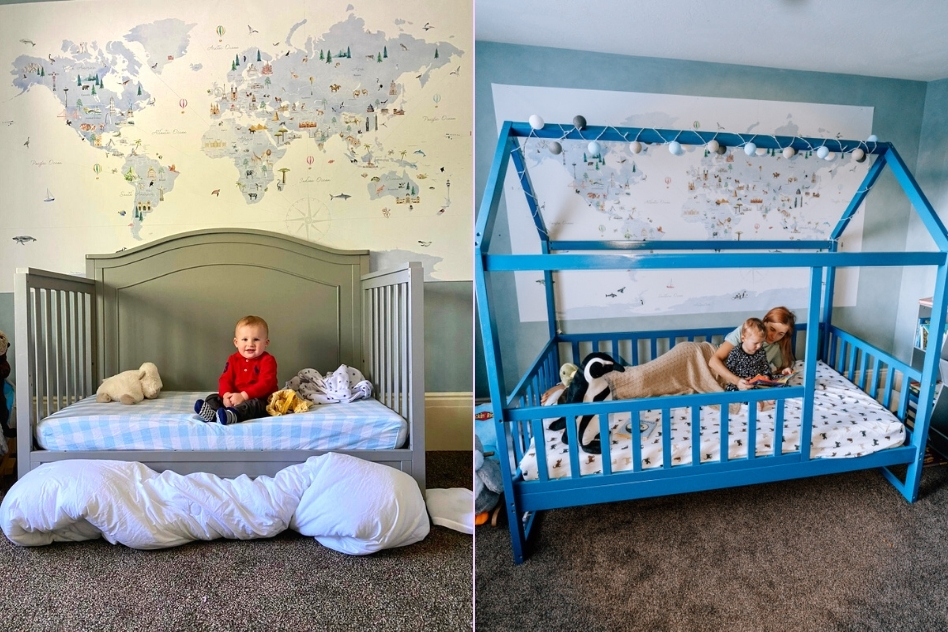
Credit: annainthehouse.com
When To Wait Longer
Deciding when to move your toddler from a crib to a bed can be tricky. Some kids adjust quickly. Others need more time. Waiting longer can help avoid stress and keep your child safe. Understanding the right signals helps you choose the best moment for the change.
Signs Your Child Isn’t Ready
Your toddler may not be ready if they climb out of the crib often. This shows a risk of falling. Night waking or frequent crying can mean your child feels insecure. If they resist the bed or show fear, it’s a sign to wait. Sudden changes in behavior or sleep patterns also suggest more time is needed.
Alternative Sleep Solutions
Using a crib tent or a lower mattress can keep your toddler safe. A sleep sack might help reduce climbing. You can try a toddler bed with rails as a middle step. Keeping familiar blankets or toys nearby comforts your child. These options help your toddler feel secure before the big switch.
Expert Tips For Parents
Moving a toddler from a crib to a bed can be tricky for many parents. Experts suggest using simple strategies to make this change smooth. These tips focus on helping your child feel safe and confident. The right approach supports healthy sleep habits and reduces stress for the whole family.
Consistency And Patience
Stick to a regular bedtime routine every night. Toddlers thrive on predictability and feel secure with familiar habits. Be patient as your child adjusts to the new bed. Expect some resistance or wake-ups at first. Stay calm and gently guide them back to sleep. Consistent actions build trust and make the transition easier over time.
Encouragement And Positive Reinforcement
Celebrate small successes to boost your toddler’s confidence. Praise your child for staying in bed or sleeping through the night. Use kind words and hugs to show your support. Offer simple rewards like a favorite story or extra playtime. Positive feedback helps your child feel proud and encourages good sleep habits.
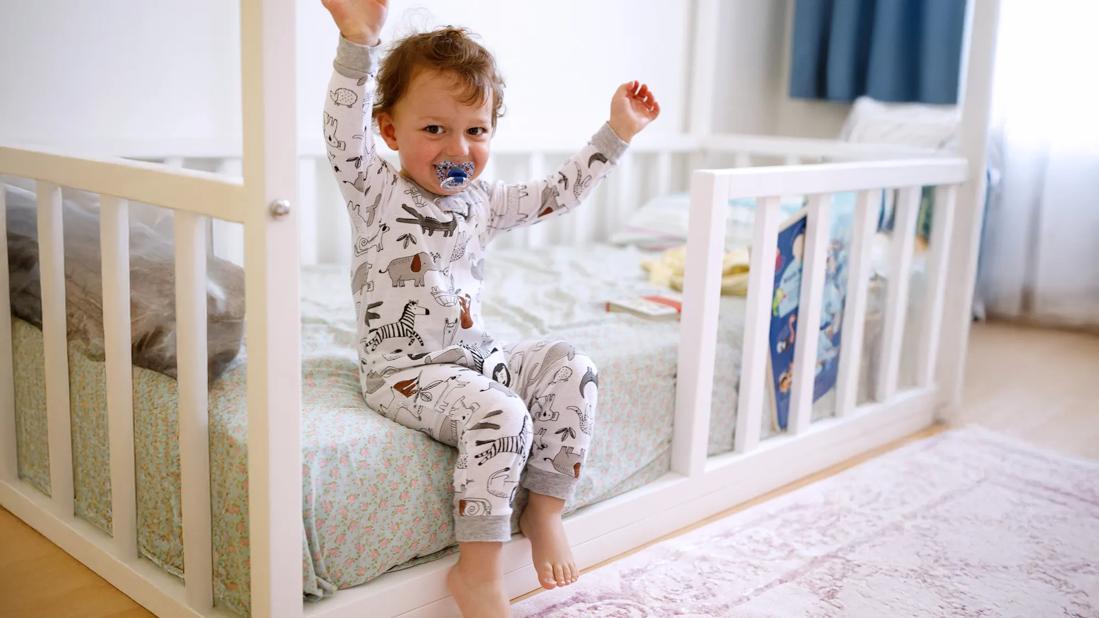
Credit: health.clevelandclinic.org
Frequently Asked Questions
When Is The Best Age To Transition A Toddler To A Bed?
Most experts recommend moving toddlers to a bed between 18 months and 3 years. This depends on child readiness and safety.
How To Know If My Toddler Is Ready For A Bed?
Look for signs like climbing out of the crib or expressing interest in a bed. Safety and comfort are key indicators.
What Are Safety Tips For Toddler Bed Transition?
Use bed rails, choose low beds, and keep the room childproofed. Remove any hazards that could cause injury during sleep.
Should I Wait If My Toddler Resists Leaving The Crib?
Yes, wait until your toddler feels comfortable and ready. Forcing the change can cause stress and sleep disruptions.
Conclusion
Choosing the right age to move a toddler to a bed depends on their readiness. Most children make the switch between 18 months and 3 years. Watch for signs like climbing out of the crib or asking for a bed.
Safety matters—use guardrails and keep the room safe. Every child is different, so trust your instincts. A smooth transition helps your toddler feel secure and comfortable. Patience and consistency make this change easier for both of you.