Are you wondering when the right time is to move your toddler from a crib to a big bed? It’s a big step for both you and your little one, filled with excitement and a few worries.
You want to make sure your child is ready and safe, but how do you know when that moment has truly arrived? Keep reading, and you’ll discover simple signs to watch for, expert tips to make the transition smooth, and answers to the questions that are probably running through your mind right now.
This guide is here to help you feel confident and prepared every step of the way.
Signs Your Toddler Is Ready
Knowing when to move your toddler to a big bed is important for a smooth change. Toddlers show clear signs they are ready for this step. Watch for physical, emotional, and sleep cues. These signs help you decide the right time for the big bed transition.
Physical Development
Your toddler needs enough strength to climb in and out of bed safely. They should be able to sit up, stand, and walk well. Look for steady balance and coordination. These skills reduce the risk of falls. Also, your child should be tall enough to sleep comfortably in a big bed.
Emotional Readiness
Some toddlers feel excited about a big bed. Others may feel scared or unsure. Notice if your child talks about the new bed or shows interest. They might ask questions or want to help set it up. Confidence and curiosity are good signs. Avoid forcing the change if your toddler feels anxious.
Sleep Patterns
Stable sleep routines show readiness for a new bed. Your toddler should sleep through the night regularly. Frequent waking or restlessness might mean it is too soon. A big bed requires more independence in staying in bed. Watch how your child handles bedtime and waking up.
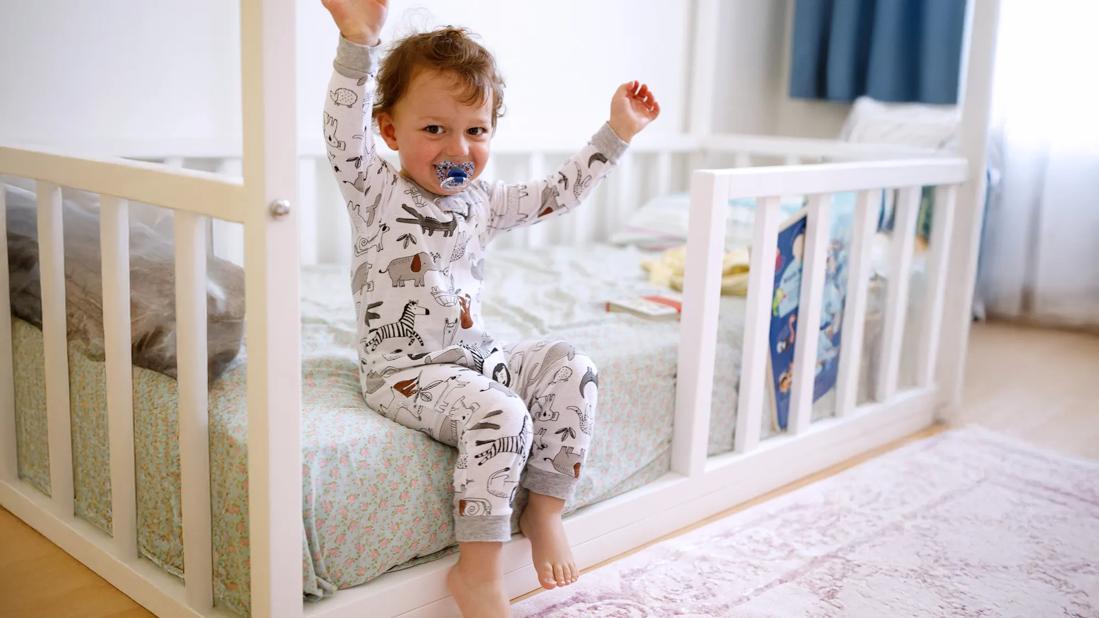
Credit: health.clevelandclinic.org
Choosing The Right Bed
Choosing the right bed for your toddler is very important. It helps your child feel safe and comfortable. A good bed supports their growth and makes bedtime easier. Think about the bed’s size, safety, and style. These factors affect your toddler’s sleep quality and confidence.
Types Of Beds For Toddlers
Toddler beds come in many styles. There are low-to-the-ground beds made just for toddlers. These beds help prevent falls. Convertible beds change from cribs to toddler beds. Some beds have fun designs like cars or animals. Choose a bed that fits your child’s needs and room space.
Safety Features To Consider
Safety is key when picking a toddler bed. Look for beds with sturdy frames and no sharp edges. Bed rails on the sides stop your child from falling out. Avoid beds with loose parts or small pieces. Check that the bed meets safety standards for children’s furniture.
Comfort And Size
Comfort helps your toddler sleep well. The mattress should be firm but soft enough to rest on. Choose a mattress that fits the bed perfectly. A bed too big or too small can cause discomfort. Make sure your toddler’s feet can touch the floor when sitting.
Preparing The Bedroom
Preparing the bedroom for your toddler’s big bed is an important step. It helps your child feel safe and excited about the new bed. A well-prepared room makes the transition smooth. Focus on comfort, safety, and your toddler’s involvement. These factors build a positive bedtime routine and reduce anxiety.
Creating A Cozy Space
Make the bedroom warm and inviting. Use soft bedding with your toddler’s favorite colors or characters. Add a small nightlight to keep the room gentle at night. Keep toys and books nearby for comfort. A cozy space helps your child relax and enjoy bedtime.
Childproofing Tips
Check the room for sharp edges and corners. Cover them with soft protectors. Secure furniture to the wall to prevent tipping. Remove small objects your toddler could swallow. Use outlet covers to keep electrical sockets safe. Childproofing lowers risks and keeps your toddler safe all night.
Involving Your Toddler
Let your child choose bedding or a special stuffed toy. Talk about the big bed as an exciting change. Allow your toddler to help arrange the room. This builds excitement and ownership of their space. Involvement boosts confidence and makes bedtime easier.

Credit: raisingchildren.net.au
Establishing A Bedtime Routine
Establishing a bedtime routine helps toddlers feel safe and calm before sleep. A steady routine makes the transition to a big bed easier. It also encourages better sleep habits. Consistency and calming activities prepare the child’s mind and body for rest.
Consistent Sleep Schedule
Set a regular bedtime and wake-up time for your toddler. Stick to these times every day, even on weekends. This helps regulate their internal clock. A steady schedule improves sleep quality and mood.
Calming Activities
Include quiet, soothing activities before bed. Reading a short story or listening to soft music works well. Avoid screens or active play close to bedtime. These calming actions signal it is time to relax.
Setting Expectations
Explain the new bedtime routine clearly to your toddler. Tell them what will happen each night and why it is important. Use simple words and positive tone. This helps reduce anxiety and builds trust.
Handling Challenges
Moving a toddler to a big bed can bring new challenges. These changes affect your child’s sleep and comfort. Understanding these challenges helps make the transition smoother. Simple steps can ease worries and resistance.
Handling these challenges with patience is key. Each child reacts differently. Watch your toddler’s behavior and adjust your approach as needed.
Dealing With Nighttime Fears
Toddlers may feel scared in a big bed. Darkness and new space can cause fear. Use a nightlight to create a soft glow. Comfort objects like a favorite blanket can help. Talk calmly about fears and reassure your child. Listening shows you care and builds trust.
Managing Bedtime Resistance
Some toddlers resist bedtime more with a big bed. They may want to stay up or leave the bed. Keep a consistent bedtime routine. Calm activities before bed help relax your child. Use gentle but firm words to set limits. Praise your toddler for staying in bed.
Adjusting To Sleep Disruptions
Sleep may be less steady at first. Night waking or restlessness can increase. Keep calm and help your toddler return to bed. Avoid making it a playtime or reward. Stick to the routine every night. Over time, sleep will become more stable.
When To Seek Professional Advice
Deciding when to move your toddler to a big bed can be tricky. Sometimes, challenges arise that need more than just patience. Knowing when to seek professional advice helps ensure your child’s comfort and safety.
Some problems may seem small but can affect your child’s sleep and behavior. Professionals can offer guidance tailored to your child’s needs. Here are signs to watch for that suggest it’s time to ask for help.
Sleep Issues Persisting
Does your toddler have trouble falling or staying asleep? Nightmares or frequent waking might not improve with time. Consistent sleep problems can harm their growth and mood. A specialist can find causes and suggest effective solutions.
Behavioral Concerns
Notice changes in your toddler’s behavior after the bed switch? Increased irritability, anxiety, or clinginess may signal stress. These behaviors could mean your child is not ready or needs extra support. Experts can guide you on managing these changes.
Consulting Pediatricians
Pediatricians know what is normal for toddler sleep and development. They can check for medical issues affecting sleep or behavior. Your doctor can recommend sleep therapists or counselors if needed. Early advice helps prevent bigger problems later.

Credit: casualclaire.com
Frequently Asked Questions
When Is The Right Age For A Toddler’s Big Bed?
Most toddlers transition between 18 months and 3 years. Consider your child’s safety, readiness, and comfort before moving to a big bed.
How To Know If Toddler Is Ready For Big Bed?
Signs include climbing out of crib, showing interest in big bed, and following simple instructions. Safety is a key factor.
What Are Safety Tips For Toddler’s First Big Bed?
Use bed rails, place the bed near a wall, and keep the room child-proofed. Always supervise initially to ensure safety.
Can Transitioning Too Early Affect Toddler’s Sleep?
Yes, moving too early may cause sleep disruptions. Wait for signs of readiness to ensure a smooth transition.
Conclusion
Choosing the right time to move your toddler to a big bed matters. Every child grows at their own pace. Watch for signs like climbing out of the crib or showing interest in a bigger bed. Safety comes first—make the room cozy and secure.
Keep routines steady to help your child feel safe. Remember, patience helps both you and your toddler adjust. This change is a big step, but with care, it can be smooth and positive. Trust your instincts and enjoy this new stage together.