Are you ready to create a cozy and fun space for your little one? Building a toddler house bed is a fantastic way to give your child a special place to sleep and play.
Imagine your toddler’s eyes lighting up every night as they climb into a bed that feels like their own little house. In this guide, you’ll discover simple steps and helpful tips to build a safe, sturdy, and charming house bed that fits perfectly in your home.
Let’s make bedtime something your child looks forward to every day!
Choosing The Right Materials
Choosing the right materials for a toddler house bed is very important. The materials affect safety, comfort, and durability. Picking the best wood, tools, and mattress makes the bed strong and cozy. This helps your child sleep well and play safely.
Selecting Safe Wood Types
Use wood that is non-toxic and smooth. Pine, cedar, and birch are good choices. These woods are light and easy to work with. Avoid wood with splinters or rough edges. Sand the wood well to make it safe. Choose wood that can hold weight without breaking.
Essential Tools Needed
You will need a saw to cut the wood pieces. A drill helps make holes for screws. Sandpaper smooths rough surfaces. Screwdriver or power drill is needed to fix parts. Measuring tape ensures correct sizes. Safety goggles protect your eyes during work.
Picking Comfortable Mattress
Choose a mattress that fits the bed frame well. It should be firm but soft enough for comfort. Use materials that breathe to keep your child cool. Hypoallergenic mattresses reduce allergies and irritations. Make sure the mattress size matches the bed dimensions exactly.
Planning The Design
Planning the design is the first step in building a toddler house bed. This stage helps you create a clear idea of the bed’s size, shape, and safety. Careful planning saves time and materials later. It also ensures the bed fits well in your child’s room and meets their needs.
Start by thinking about space and style. Consider how the bed will match the room’s look. Think about the child’s comfort and safety too. Good planning makes the project easier and more fun.
Measuring Toddler Bed Dimensions
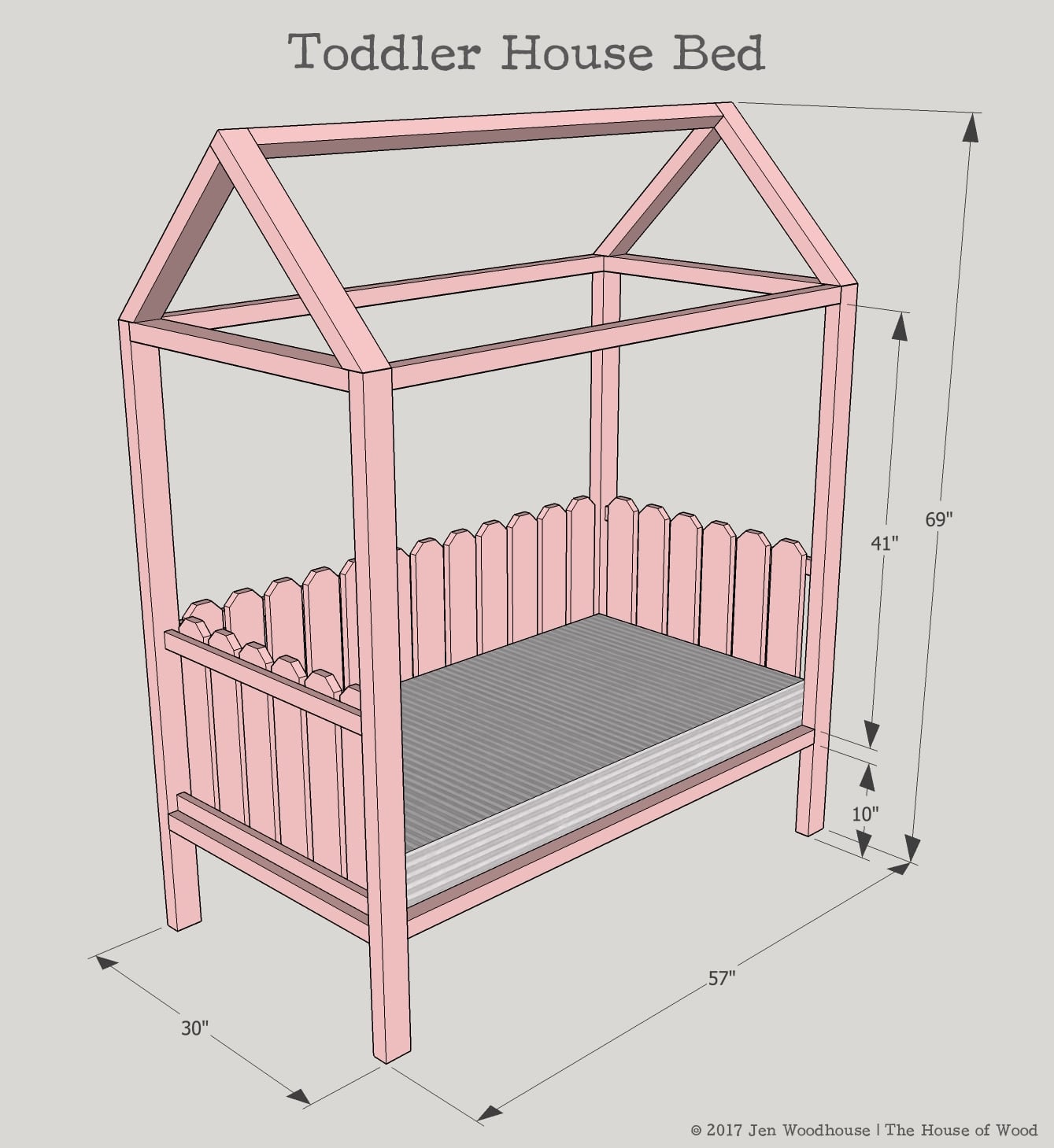
Measure your toddler’s mattress first. Standard sizes help guide your design. Add extra space for bed frames and guardrails. Make sure the bed fits the room size. Keep enough space for your child to move around safely.
Sketching Simple Layout
Draw a simple plan on paper. Use basic shapes to show the bed parts. Mark where the mattress and supports go. Sketching helps you see the design clearly. It also helps catch mistakes early.
Incorporating Safety Features
Safety is the top priority for toddler beds. Plan guardrails to prevent falls. Avoid sharp edges and small gaps. Use sturdy materials that hold weight well. Think about easy access for your child to get in and out.
Cutting And Preparing Wood
Cutting and preparing wood is a key step in building a toddler house bed. This process shapes the wood pieces to fit perfectly. It helps make the bed strong and safe for your child. Careful preparation avoids mistakes and saves time later.
Marking Measurements Accurately
Start by measuring the wood pieces clearly. Use a pencil and ruler for precise marks. Check measurements twice before cutting. Accurate marks guide your saw and keep pieces even. This step reduces waste and ensures a perfect fit.
Using Power Tools Safely
Wear safety glasses and gloves before cutting wood. Keep your hands away from the blade. Use clamps to hold wood steady. Turn the saw on only when ready to cut. Follow the tool’s instructions carefully. Safety prevents accidents and keeps the work smooth.
Sanding For Smooth Edges
Sand all cut edges to remove splinters. Use fine-grit sandpaper or a sanding block. Smooth edges protect your toddler from cuts. Sanding also helps paint or finish stick better. Take time here for a safe and neat bed.
Credit: jenwoodhouse.com
Assembling The Bed Frame
Assembling the bed frame is the first step in building a toddler house bed. It creates the base that holds the mattress and supports your child’s weight. Taking time to build a strong frame ensures safety and durability. The frame must be sturdy and stable. Follow each step carefully to make the process smooth and easy.
Joining Bed Sides And Base
Start by placing the bed sides upright. Align the base panel between them. Use screws or bolts to attach the base to each side. Check that the corners form right angles. Tighten the fasteners to hold the parts firmly. The frame should not wobble at this stage. A good connection here sets the foundation for the whole bed.
Securing Joints Firmly
Use wood glue on the joints before screwing. This adds extra strength to the connections. Drive screws deep into the wood but avoid splitting it. Use clamps to hold parts while the glue dries. Double-check that all corners remain square. Strong joints prevent the bed from shaking or collapsing later.
Adding Support Slats
Lay out wooden slats evenly across the frame base. These slats support the mattress and add stability. Secure each slat with screws or nails. Space the slats close enough to avoid mattress sagging. Check that all slats lie flat and are well attached. Proper support slats extend the bed’s life and keep your toddler safe.
Creating The House Structure
Creating the house structure is a key step in making a toddler house bed. It gives the bed its shape and makes it safe and fun. Start by planning the size and shape to fit the room and your child’s needs. Use strong wood to build a sturdy frame that lasts.
Take your time to measure and cut each piece carefully. A well-built frame will support the mattress and hold the decorations firmly. The house design adds a cozy feeling and sparks your toddler’s imagination.
Building Roof Frame
Begin by making the roof frame with two long wooden beams. Cut them at an angle to form a triangle shape. Attach a horizontal beam between the two to give extra support. Secure all pieces with screws for strength.
This roof frame sits on top of the side panels. It creates the classic house look. Make sure the frame is even and stable before moving to the next step.
Attaching Side Panels
Next, attach the side panels to the base and roof frame. Use smooth wooden boards for safety and comfort. Screw the panels tightly to avoid any gaps or loose parts.
The side panels protect your toddler while sleeping and add to the house’s charm. Sand down any rough edges to prevent splinters. Check that the panels are secure and straight.
Adding Decorative Elements
Now, add fun decorative elements to make the bed special. Paint the house in bright, cheerful colors. Attach small wooden windows, shutters, or flower boxes.
Use safe, non-toxic paint and materials. Decorations make the bed more inviting and encourage play. Keep the design simple but creative to delight your toddler every day.
Finishing Touches
Finishing touches make the toddler house bed cozy and safe. These small details bring comfort and charm. They also ensure the bed is ready for a good night’s sleep. Focus on safe, soft, and child-friendly options for the best results.
Painting With Non-toxic Paints
Choose paints that are safe for children. Non-toxic paints have no harmful chemicals. They keep the air clean and safe to breathe. Bright colors make the bed fun and inviting. Let the paint dry well before use. This step protects your toddler’s health and adds style.
Adding Soft Bedding
Pick soft sheets and blankets that feel gentle on skin. Use breathable fabrics to keep your child comfortable. Pillows should be small and firm to avoid risks. Bedding colors can match the paint or add contrast. Soft bedding creates a warm and cozy sleep space.
Including Safety Rails
Safety rails prevent your toddler from falling out. Choose rails that fit the bed size well. Smooth edges and sturdy materials keep your child safe. Attach the rails securely to avoid any gaps. Safety rails give parents peace of mind at night.
Maintenance And Safety Tips
Maintaining and ensuring safety for a toddler house bed is very important. It keeps the bed strong and safe for your child. Small checks and good care help the bed last longer. Safety tips protect your toddler from accidents.
Regularly Checking Stability
Check all screws and bolts often. Tighten any loose parts quickly. Make sure the bed does not wobble or shake. Test the bed by pressing gently on different areas. Fix any broken or weak parts right away. Stability keeps your toddler safe during sleep and play.
Cleaning And Care Advice
Clean the bed with a soft cloth and mild soap. Avoid harsh chemicals that can damage the wood or paint. Wipe spills immediately to prevent stains or warping. Dust the bed weekly to keep it fresh. Keep the bed dry to stop mold or mildew growth. Good care keeps the bed looking nice and safe.
Ensuring Toddler Safety
Use rounded edges to avoid sharp corners. Check for small gaps where fingers can get stuck. Keep the bed away from windows and cords. Place the bed on a soft rug or mat. Teach your toddler to use the bed safely. These steps help prevent accidents and injuries.

Credit: www.youtube.com
Credit: tylynnm.com
Frequently Asked Questions
What Materials Are Needed To Build A Toddler House Bed?
You need wood boards, screws, a saw, sandpaper, paint, and a drill. Choose smooth, safe materials suitable for toddlers. Soft finishes and sturdy construction ensure safety and durability.
How Long Does It Take To Build A Toddler House Bed?
Building a toddler house bed typically takes 4 to 6 hours. Time varies based on skill level and design complexity. Proper planning speeds up the process and ensures quality results.
Is Building A Toddler House Bed Safe For Beginners?
Yes, beginners can build toddler beds with basic woodworking skills. Follow clear instructions, use safety gear, and work carefully. Simple designs reduce risks and improve safety during construction.
What Size Should A Toddler House Bed Be?
A toddler house bed should fit a standard toddler mattress, usually 28×52 inches. Ensure enough space for comfort and safety. Adjust dimensions if your mattress differs from standard sizes.
Conclusion
Building a toddler house bed brings joy and comfort to your child. It creates a special place for sleep and play. Simple steps make the process easy and fun. Using safe materials ensures your child’s safety every night. Personal touches add charm and warmth to the bed.
Enjoy watching your toddler’s excitement grow with their new bed. Start your project today and create lasting memories together. A cozy bed means happy dreams and peaceful nights.