Are you wondering what time your toddler should go to bed at night? Finding the right bedtime can feel like a puzzle, especially when your little one’s mood and energy seem to change by the hour.
But getting this timing right is more important than you might think. It affects your child’s mood, growth, and even your own peace of mind. You’ll discover simple, clear answers that make bedtime easier for both you and your toddler.
Keep reading to unlock the secret to smoother nights and happier mornings.
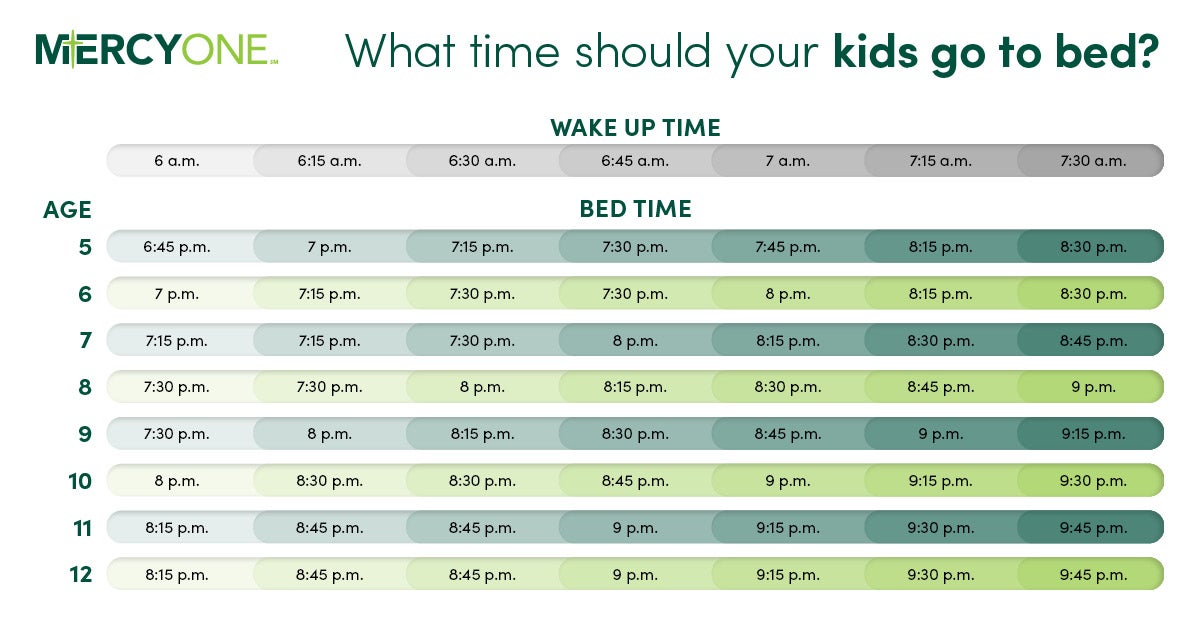
Credit: www.mercyone.org
Ideal Bedtime For Toddlers
Finding the right bedtime for toddlers helps them grow healthy and happy. Toddlers need enough sleep to support their development. Setting a consistent bedtime improves their mood and behavior. It also helps parents get better rest. Understanding the ideal bedtime helps create a good sleep routine for your toddler.
Each toddler is unique, but general guidelines can help. Knowing when your child is sleepy also plays a big role. This section covers age-based bedtime recommendations and signs your toddler is ready for sleep.
Age-based Bedtime Recommendations
Toddlers between 1 and 2 years old usually need 11 to 14 hours of sleep daily. Bedtime around 7:00 to 8:00 PM works well for many toddlers this age. For toddlers aged 2 to 3, aim for 10 to 13 hours of sleep. A bedtime between 7:30 and 8:30 PM suits most children in this group. Adjust bedtime based on your toddler’s wake-up time and daily naps.
Signs Your Toddler Is Sleepy
Look for rubbing eyes or yawning often. Becoming fussy or cranky can show tiredness. Your toddler might lose interest in play or become clingy. Watch for slower movements or less talking. These signs tell you it is time to start the bedtime routine. Putting your toddler to bed too late can lead to harder sleep.
Benefits Of Consistent Bedtime
Setting a regular bedtime for your toddler helps create a healthy sleep routine. It allows their body to expect rest at the same time every night. This regularity improves how well they sleep. Better sleep supports many parts of a toddler’s health and development.
Consistency also makes bedtime easier. Toddlers feel safe and calm when their day ends the same way. This reduces fussiness and bedtime struggles. Parents notice a more peaceful night for the whole family.
Improved Mood And Behavior
Toddlers with steady bedtimes usually show better moods. They get less cranky and more patient during the day. Good sleep helps control emotions and reactions. This means fewer tantrums and more smiles.
Regular rest also boosts focus and attention. Your child may listen better and follow instructions more easily. These changes make learning and playing more fun and successful.
Better Physical Growth
Sleep is important for a toddler’s body to grow strong. During deep sleep, the body releases growth hormones. These help bones, muscles, and tissues develop properly.
Consistent bedtimes ensure toddlers get enough deep sleep each night. This supports their overall health and energy. Well-rested toddlers are more active and ready to explore the world.
Factors Influencing Toddler Bedtime
Choosing the right bedtime for your toddler depends on many factors. Every child is different. Their needs and daily habits shape the best sleep schedule. Understanding these influences helps create a calm and restful night.
Daily Nap Schedules
Toddlers need naps to recharge during the day. The length and timing of naps affect how sleepy they feel at night. A long late nap can delay bedtime. Short or early naps may make toddlers tired earlier. Watch your child’s nap pattern closely. Adjust bedtime to match their daytime rest.
Family Routine And Lifestyle
Each family has its own daily rhythm. Meal times, playtime, and quiet time all play a role. A busy evening schedule can keep toddlers awake longer. Calm and consistent routines help signal bedtime. Bedtime fits best when it matches family life. Flexibility is key to keeping everyone happy and rested.
Creating A Sleep-friendly Environment
Creating a sleep-friendly environment helps toddlers fall asleep faster. It also improves their sleep quality. A calm and cozy room supports healthy sleep habits. Parents can set up the room to make bedtime easier and more peaceful.
Room Setup And Lighting
Choose a quiet and comfortable room for your toddler. Use soft bedding and a cozy blanket. Keep the room cool, around 65 to 70 degrees Fahrenheit. Avoid bright lights before bedtime. Use dim lights or a nightlight with a warm glow. This signals the brain that it is time to sleep. Heavy curtains or blackout blinds help block outside light.
Limiting Noise And Distractions
Reduce noise in the toddler’s room. Turn off TVs, radios, and other loud devices. Use a white noise machine or a fan if needed. These sounds can mask sudden noises that wake your child. Remove toys that might be distracting. Keep the room tidy to create a calm space. A peaceful environment helps toddlers relax and sleep well.
Effective Bedtime Routines
Effective bedtime routines help toddlers feel safe and ready for sleep. A good routine creates a clear signal that bedtime is near. It lowers stress and makes falling asleep easier. Toddlers thrive on predictability, so a steady routine improves their sleep quality and mood.
Calming Activities Before Bed
Choose quiet activities that help your toddler relax. Reading a short story is a great option. Soft music or gentle rocking also soothes young children. Avoid screens and loud play before bed. These activities prepare the mind and body for rest.
Consistent Sleep Cues
Use the same signals every night to show it is bedtime. This could be dimming the lights or putting on pajamas. Brushing teeth and saying goodnight also work well. Consistent cues help toddlers understand the routine and feel secure. This predictability makes sleep come easier and faster.
Handling Bedtime Challenges
Bedtime for toddlers can often bring many challenges for parents. Many children resist going to bed or wake up during the night. These issues can make it hard for both toddlers and parents to get enough rest. Finding ways to handle these challenges helps create a calm bedtime routine. Consistency and patience are key to making bedtime easier.
Parents can try different approaches to reduce stress and help their child relax. Understanding common problems and solutions will improve the whole family’s sleep.
Dealing With Resistance
Toddlers often resist bedtime because they want to stay up. They may feel scared or not tired yet. Staying calm helps. Give clear and simple instructions about bedtime. Use a quiet voice and gentle touch.
Create a bedtime routine with the same steps every night. This helps your child know what to expect. Avoid screen time or exciting activities before bed. Offer a favorite toy or book for comfort. Praise your child for following the routine.
Managing Night Wakings
Night wakings are common for toddlers. They may wake due to hunger, fear, or discomfort. Keep the room dark and quiet to encourage sleep. Respond gently and quickly to help your child feel safe.
Do not turn on bright lights or start playtime. Comfort your toddler with soft words or a gentle touch. Avoid picking them up unless necessary. Teach your child to fall back asleep on their own. This helps reduce frequent wakings over time.
When To Adjust Bedtime
Adjusting your toddler’s bedtime is important as they grow. Their sleep needs change over time. Knowing when to change bedtime helps keep your child well-rested and happy. Watch for signs that your toddler needs more or less sleep. Changes in behavior or routine often signal a need to adjust bedtime.
Recognizing Sleep Needs Changes
Toddlers may start waking up too early or too late. They might seem tired during the day or have trouble falling asleep. These are signs their sleep needs have shifted. Pay attention to naps as well. Shorter or skipped naps can mean your child needs an earlier bedtime. Changes in mood or energy can also show sleep needs have changed.
Adapting To Growth And Development
As toddlers grow, their brains and bodies develop fast. This affects how much sleep they require. Growth spurts and learning new skills can make them need more rest. Adjust bedtime to give extra sleep during these times. Over time, toddlers need less daytime sleep and more night sleep. Gradually moving bedtime later or earlier helps match their growth.

Credit: www.moshikids.com

Credit: raisingchildren.net.au
Frequently Asked Questions
What Is The Ideal Bedtime For Toddlers?
The ideal bedtime for toddlers is between 7:00 PM and 8:00 PM. This timing supports healthy sleep patterns and growth.
How Many Hours Should Toddlers Sleep At Night?
Toddlers need about 11 to 14 hours of sleep daily, including naps. Nighttime sleep is usually 10 to 12 hours.
Why Is A Consistent Bedtime Important For Toddlers?
Consistent bedtimes help regulate toddlers’ internal clocks. This improves mood, behavior, and overall health through better sleep quality.
How Can I Establish A Bedtime Routine For My Toddler?
Create a calming routine with activities like reading or bathing. Consistency every night signals it’s time for sleep.
Conclusion
Setting a good bedtime helps your toddler grow and stay healthy. Most toddlers need about 10 to 12 hours of sleep each night. Try to keep bedtime the same every day. A calm routine before bed can make falling asleep easier.
Watch your child’s signals for tiredness and adjust bedtime if needed. Good sleep supports learning, mood, and behavior. Small changes can make a big difference in your toddler’s rest. Sleep well, and your toddler will wake happy and ready to play.