Are you wondering when the right time is to move your toddler into a twin bed? It’s a big step for both you and your child, filled with excitement and a few worries.
You want to make sure your little one is safe, comfortable, and ready for this change. But how do you know when the time is right? You’ll discover clear signs to look for and practical tips to make the switch smooth and stress-free.
Keep reading to find out exactly what age is best to put your toddler in a twin bed—and how to help them love their new sleeping space.
Signs Your Toddler Is Ready
Knowing when to move your toddler to a twin bed is important. Watch for clear signs that show your child is ready. These signs help make the change smooth and safe.
Physical growth, behavior, and safety awareness all play a role. Each child grows at their own pace. Pay attention to these key areas to decide the right time.
Physical Growth Indicators
Your toddler should be tall enough for a twin bed. Their legs should hang off the edge comfortably. If they look cramped in a crib, it might be time.
Many toddlers outgrow cribs by age 2 to 3. Check if your child can climb in and out of bed easily. This shows strength and coordination.
Behavioral Readiness
Your toddler may ask to sleep in a “big kid” bed. They might show excitement about the change. Look for signs like staying in bed without fuss.
If your child can follow simple bedtime rules, it helps. Listening well and calming down at night shows they are ready. This makes the transition smoother.
Safety Awareness
Your toddler should understand basic safety rules. They need to stay in bed during the night. If they try to climb out often, wait longer.
Check the room for hazards like sharp corners or loose wires. Use bed rails to prevent falls. Safety comes first during this big step.
Ideal Age Range For Transition
Choosing the right time to move your toddler to a twin bed is important. The ideal age range helps ensure safety and comfort. It also supports your child’s growing independence. Parents often wonder when this transition should happen. Understanding common milestones and expert advice makes the decision easier.
Common Age Milestones
Most toddlers switch to a twin bed between 18 months and 3 years old. Many children start climbing out of cribs around 2 years old. This signals readiness for a bigger bed. At this age, toddlers gain better balance and coordination. They can also understand simple rules about staying in bed.
Individual Differences
Every child grows at their own pace. Some toddlers may be ready earlier or later than others. Consider your child’s behavior and physical skills. If they show interest in a bigger bed, it might be time. Fear of falling or separation anxiety may delay the move. Listen to your child’s needs and feelings.
Pediatrician Recommendations
Doctors suggest moving to a twin bed when the child can climb safely. They recommend waiting until the crib is no longer safe. Some pediatricians advise around 2 to 3 years old. Safety measures like guardrails on the bed are important. Always check with your pediatrician for personalized advice.
Choosing The Right Twin Bed
Choosing the right twin bed for your toddler is an important step. It helps them feel safe and comfortable. The right bed supports good sleep habits. It also fits well in your child’s room. Focus on size, safety, and mattress quality. These factors keep your toddler happy and secure.
Bed Size And Design
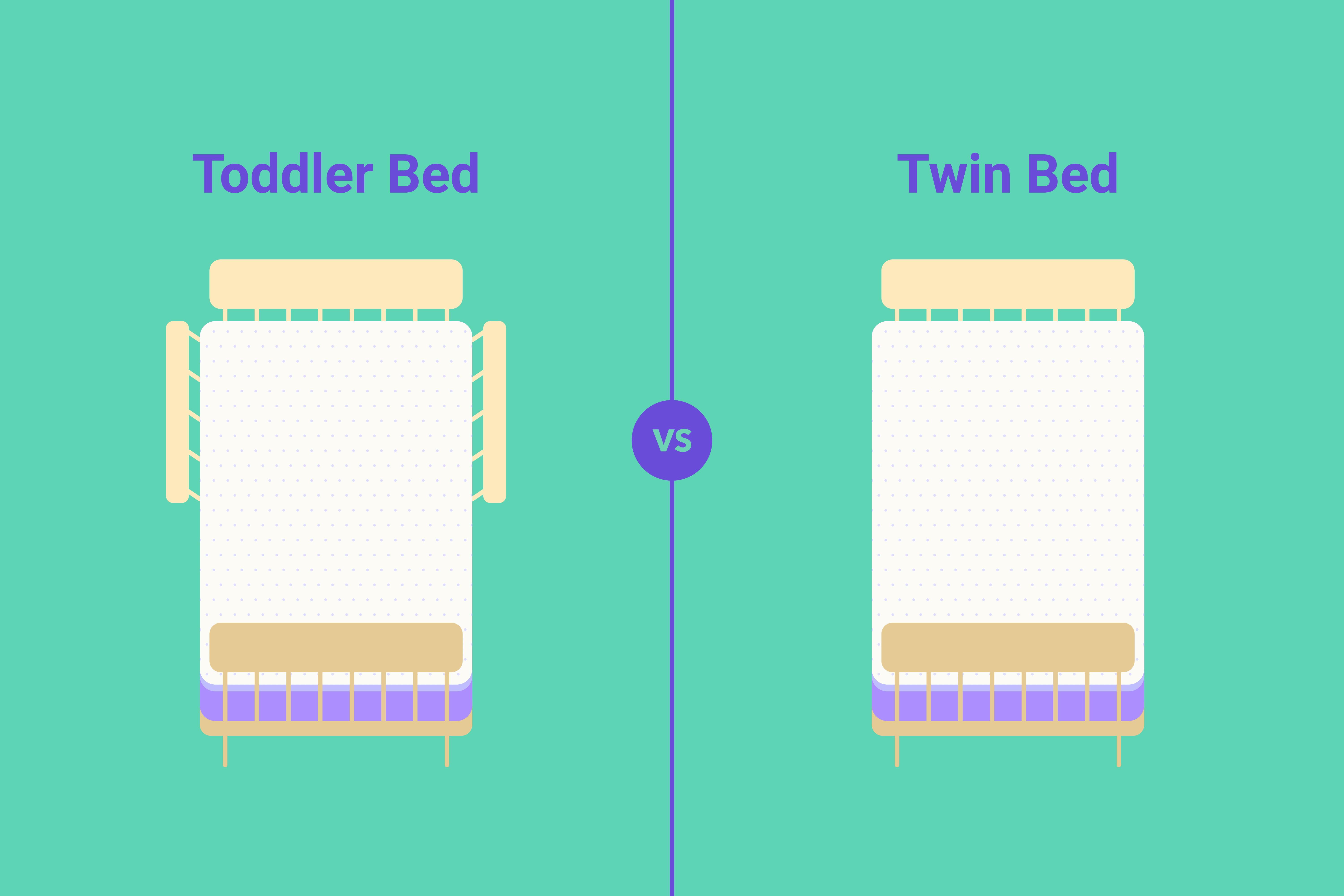
Twin beds come in different sizes, but standard twin beds are 38 by 75 inches. This size suits most toddlers moving from cribs. Choose a bed with low height to help your child climb in and out safely. Designs with guardrails prevent falls during sleep. Pick a style that matches your child’s room and tastes. Simple and sturdy beds last longer and feel cozy.
Safety Features To Look For
Safety is key when choosing a toddler’s twin bed. Look for beds with strong guardrails on both sides. Rounded corners reduce injury risks during play. Check that the bed frame is stable and does not wobble. Avoid beds with small parts that can come loose. Non-toxic paint and materials keep the bed safe for your child’s health.
Mattress Selection Tips
A good mattress supports your toddler’s growing body. Choose one that fits the twin bed snugly. Avoid gaps between the mattress and frame to prevent trapping. Look for firm but comfortable mattresses to support proper posture. Breathable materials help keep your child cool at night. Make sure the mattress cover is easy to clean and hypoallergenic.

Credit: www.crateandbarrel.com
Preparing The Bedroom
Preparing your toddler’s bedroom for a twin bed is an important step. The room should feel safe and cozy. A well-prepared space helps your child adjust easily to the new bed. It also supports good sleep habits. Focus on safety, comfort, and removing risks from the room.
Childproofing The Area
Check the room for sharp edges and corners. Cover outlets with safety plugs. Secure heavy furniture to the wall. Keep cords from blinds out of reach. Use door locks or gates if needed. These actions prevent accidents and keep your toddler safe.
Creating A Comfortable Sleep Space
Choose soft, breathable bedding that fits the twin bed. Add a favorite blanket or stuffed toy. Keep the room quiet and dim at bedtime. Use a night light if your child feels scared. A calm space helps your toddler relax and sleep well.
Removing Hazards
Clear the floor of small toys and objects. Remove any breakable items from shelves. Make sure windows lock securely. Avoid placing the bed near heaters or vents. These steps reduce risks and create a safe environment for your child.
Making The Transition Smooth
Moving your toddler to a twin bed is a big change. It can feel hard for both parents and children. A smooth transition helps your child feel safe and comfortable. Small steps make the new bed less scary. Routine and patience play a key role. Here are ways to ease this change.
Establishing A Bedtime Routine
Start with a clear bedtime routine. Consistent steps help your toddler know what to expect. Bath time, story time, and cuddles can be part of it. Keep the routine calm and simple. A good routine signals it is time to sleep. This builds security around the new bed.
Introducing The New Bed Gradually
Let your toddler explore the new bed during the day. Play or read books on it together. Avoid rushing the first night in the twin bed. Try naps or quiet time there first. This way, the bed feels familiar and fun. It makes the switch easier at night.
Addressing Fears And Resistance
Your child may feel scared or unsure at first. Talk gently about their feelings. Use comforting words and listen carefully. A favorite blanket or stuffed toy can help. Praise brave steps and small successes. Patience helps your toddler adjust in their own time.
Credit: www.sleepjunkie.com
Safety Tips During Transition
Transitioning your toddler to a twin bed is a big step. Safety must be your top priority during this change. Toddlers need time and care to get used to their new bed. Using some simple safety tips helps keep them safe and comfortable. These tips also ease your worries and make bedtime smoother for everyone.
Using Bed Rails
Bed rails stop your toddler from falling out of bed. Choose rails that fit the twin bed tightly. Check the rails every night to ensure they are secure. Soft rails protect your child from bumps and bruises. Remove any sharp or hard objects near the bed.
Monitoring Sleep Behavior
Watch how your toddler sleeps in the new bed. Look for signs of restlessness or fear. Some toddlers get up often during the night. Use a baby monitor or check quietly to avoid waking them. Praise calm and safe sleep habits to encourage good behavior.
Emergency Preparedness
Prepare for any night-time emergencies. Keep a nightlight on to help your toddler see the room. Have a first aid kit nearby for small injuries. Teach your toddler simple safety rules like staying in bed. Know who to call if there is a real emergency.
Common Challenges And Solutions
Moving a toddler to a twin bed brings many changes. Parents often face common challenges during this transition. Understanding these issues helps create a smoother bedtime routine. Each challenge has practical solutions to ease the process.
Nighttime Wandering
Toddlers may leave their bed at night. They feel curious or want company. This can be unsafe and disrupt sleep. Use a baby gate or door alarm to keep them safe. Teach your child to stay in bed with a small nightlight. Praise them for staying in bed through the night.
Bedtime Resistance
Resistance to sleep is common with new beds. Toddlers may delay bedtime or say no. Keep a consistent bedtime routine to help. Read a favorite book or sing a quiet song. Let your child choose a special blanket or stuffed toy. Firm and calm responses work best.
Sleep Regression
Sleep regression may happen after the bed change. Your toddler might wake up more often or cry. Comfort them briefly and avoid bringing them to your bed. Keep the same sleep schedule and routine. Be patient; this phase usually passes within weeks.
When To Seek Professional Advice
Choosing the right time to put your toddler in a twin bed is important. Sometimes, issues arise that need expert help. Knowing when to seek professional advice can make this transition smoother. It helps address problems early and supports your child’s well-being.
Experts can guide you if certain concerns continue or get worse. They provide solutions that suit your child’s needs. Watch for signs that suggest you need help from a doctor or specialist.
Sleep Issues Persisting
Difficulty falling asleep or staying asleep is a common problem. If your toddler often wakes up scared or restless, it may need expert care. Frequent nightmares or night terrors can also signal a deeper issue. Professionals can suggest ways to improve sleep quality and comfort.
Developmental Concerns
Some toddlers show delays in talking, walking, or social skills. These delays might affect how they adjust to a new bed. A doctor can check if your child meets growth milestones. Early help can support healthy development and ease the bed transition.
Behavioral Problems
Sudden changes in behavior like aggression or anxiety may need attention. Bedtime battles that grow worse could signal stress or fear. Specialists can offer strategies to manage difficult behavior. This helps create a calm and safe bedtime routine for your toddler.

Credit: www.amazon.com
Frequently Asked Questions
At What Age Can Toddlers Safely Use A Twin Bed?
Toddlers can typically transition to a twin bed between 18 months and 3 years. This depends on the child’s size, mobility, and readiness to sleep independently. Safety measures like bed rails help prevent falls during the transition.
How To Know If My Toddler Is Ready For A Twin Bed?
Signs include climbing out of the crib, showing interest in a bigger bed, and increased mobility. If your toddler can follow simple instructions and feels comfortable sleeping alone, it’s likely time for a twin bed.
What Safety Tips Are Important For Toddlers In Twin Beds?
Use bed rails to prevent falls and place the bed away from windows. Keep the room clutter-free and ensure the mattress fits snugly. These precautions create a safe sleep environment for your toddler’s transition.
Can A Twin Bed Improve My Toddler’s Sleep Quality?
Yes, a twin bed offers more space and comfort, which can encourage better sleep. It helps toddlers feel more independent and secure, promoting healthy sleep habits and a smoother bedtime routine.
Conclusion
Choosing the right age for a toddler to move to a twin bed depends on their size and comfort. Most kids switch between ages two and three. Safety is the top priority—make sure the bed has guardrails. A twin bed gives your child more space to grow and sleep well.
Watch your toddler’s readiness signs, like climbing out of the crib. Every child is different. Trust your instincts and create a cozy, safe sleep space. This helps your toddler feel secure and ready for a good night’s rest.