Are you wondering when your little one is ready to make the big switch from a crib to a toddler bed? It’s a question many parents face, and getting the timing right can make all the difference for your child’s comfort and safety.
Choosing the perfect age means smoother nights, less stress, and a happy, confident toddler ready to explore their new sleeping space. Keep reading to discover the signs to watch for and expert tips that will help you decide exactly when your baby is ready for this exciting step.

Credit: www.candokiddo.com
Signs Baby Is Ready
Knowing when to move your baby to a toddler bed is important. Some signs show your child is ready for this change. Watching these signs helps keep your child safe and comfortable. It makes bedtime easier for both of you.
Here are some clear signs your baby is ready to switch to a toddler bed.
Climbing Out Of Crib
Climbing out of the crib is a common sign. It can be dangerous and lead to falls. Your child may try to escape the crib at night or during naps. This shows they want more freedom and space.
At this point, a toddler bed is safer. It stops risky climbing and helps your child sleep better.
Growing Too Big
Your baby may simply outgrow the crib. Legs or arms may stick out. The crib mattress might feel too small. When your child looks cramped, it is time to change.
A toddler bed offers more room for comfort. It fits their size better and supports good sleep habits.
Showing Interest In Toddler Bed
Some children show curiosity about bigger beds. They watch family members sleep or ask to try the bed. This interest means they want to feel more grown-up.
Encouraging this interest can help with the transition. It makes moving to the toddler bed exciting and smooth.
Ideal Age Range
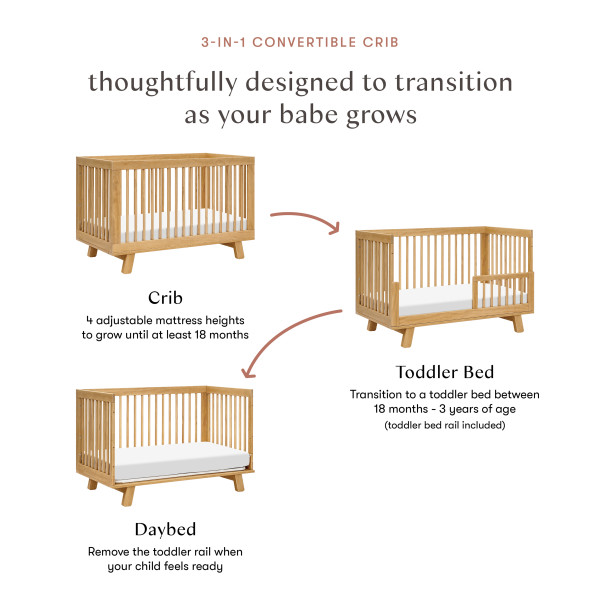
Toddlers usually switch to a toddler bed between 18 months and 3 years old. This change helps them feel more independent and comfortable during sleep. Watch for signs like climbing out of the crib or showing interest in a bigger bed.
Typical Transition Ages
Most children move to a toddler bed between 18 months and 3 years. This range fits many families’ needs. At this age, kids start to outgrow their cribs. They often show interest in climbing out or exploring more. Parents usually see this as a sign to switch beds. Toddler beds help children feel more independent. They also offer safety with low rails and small sizes. Choosing the right time depends on the child’s readiness and comfort.
Variations By Child Development
Every child grows at their own pace. Some may need a toddler bed earlier or later than usual. Factors like physical growth and motor skills matter. A toddler who climbs out of the crib early needs a bed sooner. Others may stay safe and happy in a crib longer. Emotional readiness counts too. Children who feel secure in their current bed may delay the change. Watch for signs like asking for a bigger bed or wanting more freedom.
Choosing The Right Bed
Choosing the right toddler bed is important for your child’s comfort and safety. The bed should fit your toddler’s needs and help them sleep well. Picking the best bed means thinking about safety, size, and design. These factors make the transition from crib to bed easier and more fun for your little one.
Safety Features
Safety is the top priority when choosing a toddler bed. Look for beds with sturdy guardrails to stop falls. The bed should be low to the ground to prevent injuries. Check that the materials are non-toxic and smooth to avoid splinters. Avoid beds with sharp edges or small parts that can come loose. A strong frame helps the bed last longer and stay safe.
Size And Comfort
The bed size must match your toddler’s height and room space. A bed too big can feel scary, too small can feel cramped. Choose a mattress that fits perfectly without gaps. Soft but firm mattresses give good support for growing bodies. Comfort helps toddlers fall asleep faster and stay asleep longer. Measure the room to ensure the bed fits well.
Designs That Appeal To Toddlers
Designs can make the bed exciting for toddlers. Bright colors and fun shapes can attract their attention. Beds shaped like cars, animals, or castles add playfulness to bedtime. Simple designs also work well for kids who like calm spaces. Let your toddler choose a design if possible. This helps them feel proud and eager to use the bed.
Making The Move Smooth
Moving your child from a crib to a toddler bed can feel like a big step. It can cause worries for both parents and little ones. A smooth transition helps your child feel safe and happy. It also helps parents avoid extra stress at bedtime. Planning ahead and taking small steps can make a big difference.
Preparing The Child
Talk about the new bed often. Show pictures or visit stores to see toddler beds. Let your child choose bedding or a special blanket. Explain how the new bed is just for them. Answer questions simply and patiently. Praise their bravery and excitement about the change.
Creating A Comfortable Sleep Space
Make the new bed cozy and inviting. Use soft sheets and familiar pillows. Keep favorite toys nearby for comfort. Place the bed in a quiet, dim room. Keep the room temperature just right. Remove distractions that might keep your child awake.
Establishing New Bedtime Routines
Keep bedtime routines similar to before. Read a story or sing a lullaby. Use gentle lighting to signal sleep time. Set a regular bedtime and stick to it. Be calm and consistent with rules. Celebrate small successes to build confidence.
Common Challenges
Switching from a crib to a toddler bed can be a big step for a child. It often brings new challenges for both the baby and the parents. These challenges can make the transition harder. Knowing what to expect helps prepare for them better.
Resistance To Change
Many toddlers resist leaving their crib. They feel safe and comfortable there. The new bed may seem strange or scary. Toddlers may cry or refuse to sleep in the new bed. Patience and gentle encouragement help ease this resistance. Letting your child explore the new bed during the day can make it less scary.
Nighttime Wandering
Toddlers often get curious about their new freedom. They may leave the bed at night and walk around. This can worry parents and disrupt sleep. Setting clear boundaries helps reduce wandering. Using baby gates or keeping the bedroom door closed can keep toddlers safe. Consistent bedtime routines also help toddlers stay in bed.
Handling Setbacks
Setbacks are normal during this change. Toddlers may go back to old habits like wanting a bottle or crying more. These moments need calm and understanding from parents. Avoid punishment or frustration. Celebrate small successes and keep a steady routine. Over time, toddlers adjust and feel secure in their new bed.
Credit: babyletto.com
Expert Tips For Parents
Transitioning your baby to a toddler bed is a big step. Parents often wonder about the best approach to make this change smooth. Experts offer practical tips to guide you through this process. These tips focus on creating a safe, consistent, and positive experience for your child.
Consistency Is Key
Keep a regular bedtime routine. This helps your toddler understand what to expect each night. Use the same bedtime stories and songs. Consistent routines make the new bed feel familiar and safe. Avoid changing too many things at once. This can confuse your child and cause resistance.
Safety Precautions
Ensure the toddler bed has guardrails to prevent falls. Remove sharp or hard objects near the bed. Check the room for any small items that might be a choking hazard. Use a nightlight to help your child feel secure in the dark. Always place the bed away from windows and cords. Safety creates a worry-free environment for your toddler.
Encouragement And Rewards
Praise your child for using the new bed. Small rewards like stickers or extra storytime work well. Celebrate each night your toddler stays in bed. Positive reinforcement builds confidence and excitement. Avoid punishment if your child resists or wakes up at night. Support and patience help your child adjust happily.
Credit: www.thebump.com
Frequently Asked Questions
When Is The Best Age To Switch To A Toddler Bed?
Most children transition to a toddler bed between 18 months and 3 years. This depends on their size, safety, and readiness. Signs like climbing out of a crib or showing interest in a bigger bed help decide the right time.
How Do I Know If My Baby Is Ready For A Toddler Bed?
Look for signs like climbing out of the crib or showing curiosity about a bigger bed. Also, ensure your child can follow simple instructions and stay in bed during naps or bedtime.
What Safety Features Should Toddler Beds Have?
Choose toddler beds with low height to prevent falls. Ensure sturdy guardrails are present to keep your child secure. Avoid beds with sharp edges or loose parts for added safety.
Can A Toddler Bed Help Improve My Child’s Sleep?
Yes, toddler beds can improve sleep by providing comfort and independence. A familiar bed encourages good sleep habits. Transitioning at the right time reduces nighttime awakenings and anxiety.
Conclusion
Choosing the right age for a toddler bed depends on your child’s growth. Most kids switch between 18 months and 3 years old. Watch for signs like climbing out of the crib or showing interest in a bigger bed. Safety matters the most, so pick a bed with guardrails.
Make the room cozy and familiar to help your child sleep well. Every child is different. Trust your instincts and take your time. A smooth transition helps your toddler feel secure and happy.