Are you wondering when the right time is to move your toddler from a crib to a bed? You’re not alone.
Many parents ask, “What age did you put your toddler in a bed? ” because it’s a big step for both you and your child. Making this change can feel overwhelming, but knowing the signs and what to expect can make the transition smoother.
Keep reading to discover practical tips and real experiences that will help you decide the best time for your little one—and how to make bedtime easier for everyone.

Credit: www.notconsumed.com
Signs Your Toddler Is Ready
Knowing when to move your toddler from a crib to a bed can be tricky. Watching for clear signs helps make the transition smooth. These signs show your child is ready for a big kid bed. Pay attention to physical growth, behavior, and sleep habits. Each tells a different part of the story.
Physical Milestones
Your toddler growing bigger is a key sign. When they start climbing out of the crib, it is time to change. If your child feels cramped in the crib, they need more space. Long legs or a long torso can make the crib uncomfortable. These physical changes mean a bed is safer and better for them.
Behavioral Clues
Watch how your toddler acts around bedtime. Do they ask for a “big bed”? Showing interest in beds means they are curious. If your child resists naps or bedtime in the crib, it might be time. Also, when your toddler shows more independence, a bed suits their growing skills. These clues help you decide the right moment.
Sleep Patterns
Changes in sleep are important to note. If your toddler wakes often or seems restless, it may be due to the crib. Longer and more regular sleep is easier in a bed. Some toddlers sleep better with freedom to move. Their sleep pattern will tell you if the bed is a good step.
Choosing The Right Bed
Choosing the right bed for your toddler is an important step. It helps your child feel safe and comfortable. The right bed also supports good sleep habits. Parents often wonder about the best time and type of bed to choose. Understanding the options and features makes the decision easier.
Toddler Beds Vs. Cribs
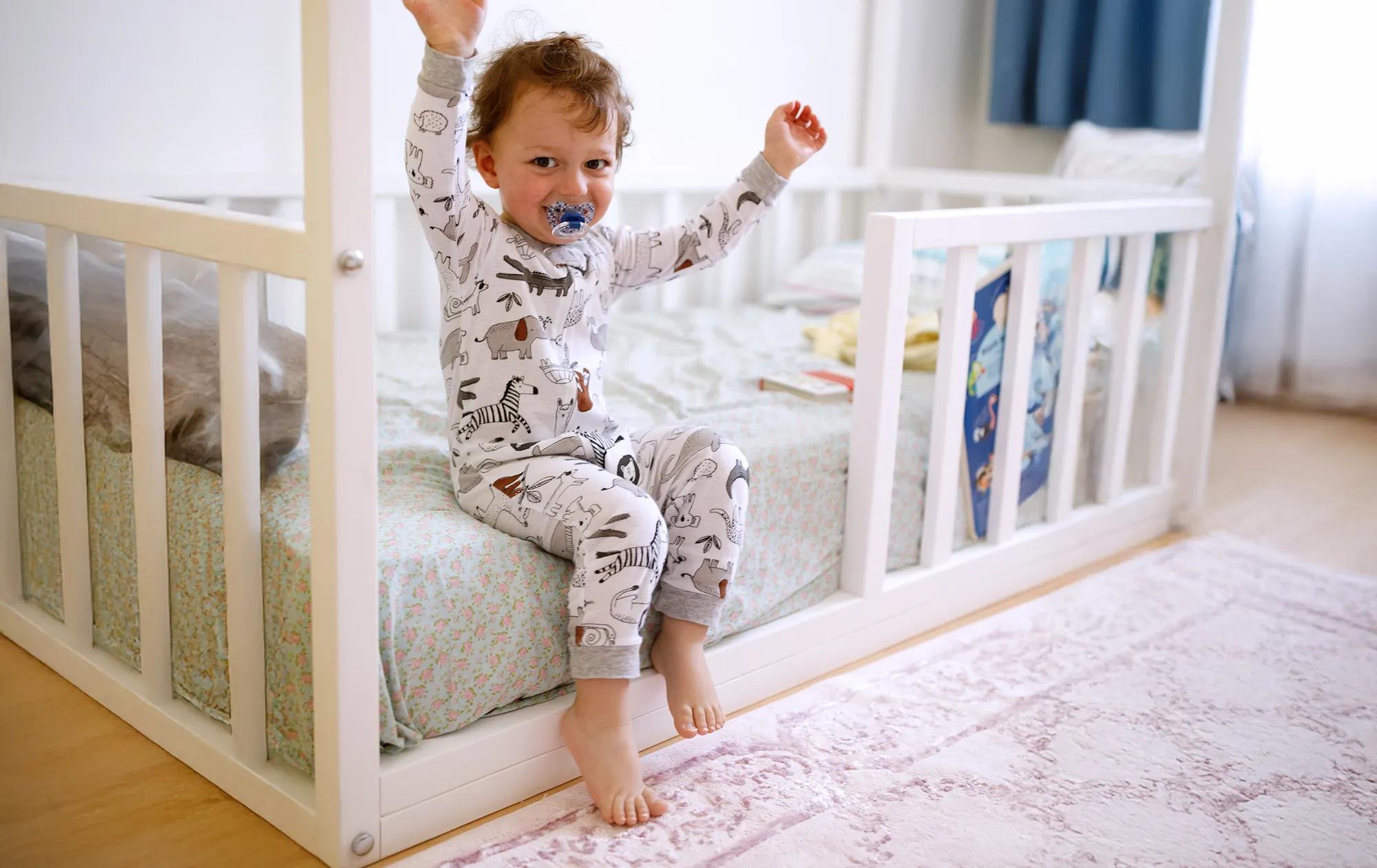
Toddler beds are smaller than regular beds. They have low frames, making it easy for toddlers to get in and out. Cribs keep toddlers safe inside with high sides. Toddlers may feel trapped in a crib. Toddler beds offer more freedom but still feel secure.
Safety Features To Look For
Choose beds with sturdy side rails. These prevent your child from falling out. Avoid beds with sharp edges or loose parts. Look for non-toxic paint and materials. A bed that meets safety standards ensures peace of mind. Check for stability to avoid tipping risks.
Comfort And Size
The bed should fit your toddler’s size well. Too big or too small can cause discomfort. A mattress that is firm but soft supports healthy sleep. Use breathable bedding to keep your child cool. A cozy bed helps toddlers settle quickly at night.
Preparing Your Toddler
Preparing your toddler for a new bed is an important step. It helps your child feel safe and excited. Toddlers need time to adjust to this big change. Start with small steps to make the transition smooth.
Patience and consistency will help your toddler accept the new sleeping space. Create a calm and positive environment. This will make bedtime easier for both of you.
Familiarizing With The New Bed
Let your toddler explore the new bed during the day. Allow them to sit, lie down, and play on it. This builds comfort and curiosity. Show them how cozy the bed is. Use their favorite blanket or pillow to make it inviting.
Establishing A Bedtime Routine
Set a regular bedtime and stick to it. Create a simple routine like reading a book or singing a lullaby. This signals the body that it is time to sleep. Keep the routine calm and quiet. Avoid bright screens or loud noises before bed.
Using Comfort Objects
Offer a favorite toy or blanket for comfort. These objects help toddlers feel safe and secure. They can reduce anxiety during the night. Encourage your child to hold or cuddle the comfort item. This gives reassurance and eases the transition.
Handling Challenges
Moving a toddler to a bed brings new challenges. These issues can disrupt sleep for both child and parent. Knowing how to handle these problems makes the transition smoother. This section covers common challenges and easy ways to manage them.
Dealing With Nighttime Fears
Nighttime fears often start after moving to a bed. Toddlers may worry about monsters or being alone. Use a nightlight to keep the room softly lit. Offer a favorite toy or blanket for comfort. Talk calmly about their fears before bedtime. Reassure your child that they are safe.
Preventing Bedtime Resistance
Some toddlers resist going to bed in a new bed. Keep a consistent bedtime routine to signal sleep time. Include quiet activities like reading or soft music. Avoid screen time before bed to help calm the mind. Praise your child for staying in bed. Be patient but firm about bedtime rules.
Managing Nighttime Wandering
Nighttime wandering is common when toddlers adjust to a bed. Install a baby gate to keep them safe in their room. Use a soft alarm to alert you if they get up. Return your child to bed gently and quietly each time. Create a safe space to reduce risks during wandering.
Expert Tips For Smooth Transition
Moving your toddler from a crib to a bed can be a big change. It might feel tricky at first. Expert tips help make this change easier. These tips focus on creating a calm and happy experience. They work well to help your child feel safe and confident in their new bed.
Consistency Is Key
Keep a regular bedtime routine. Do the same things at the same time each night. This helps your toddler know what to expect. Consistency builds trust and reduces fear. Stick to the plan even if your child resists. Over time, your toddler will adjust more easily.
Positive Reinforcement
Praise your child for trying the new bed. Use kind words and hugs to show you are proud. Small rewards can help, like stickers or a special story. Positive attention encourages good behavior. It makes your toddler want to stay in their bed.
Gradual Transition Strategies
Start by letting your child nap in the new bed. After naps, try bedtime in the bed for short periods. Use familiar blankets or toys to make the bed feel safe. Slowly increase the time your toddler spends in the bed. This step-by-step change helps reduce anxiety and build comfort.

Credit: www.reddit.com
Credit: health.clevelandclinic.org
Frequently Asked Questions
At What Age Do Toddlers Typically Transition To A Bed?
Most toddlers move to a bed between 18 months and 3 years. This depends on their physical readiness and safety considerations. Parents should watch for signs like climbing out of a crib or showing interest in a bed.
How To Know If My Toddler Is Ready For A Bed?
Look for signs like climbing out of the crib or showing interest in a bed. Also, consider if your toddler can follow simple instructions for safety. Readiness varies; some toddlers adapt earlier, while others need more time.
What Are The Best Types Of Beds For Toddlers?
Toddler beds with guardrails are safest and most popular. They offer the comfort of a small mattress closer to the floor. Convertible cribs that turn into toddler beds provide a smooth transition.
How Can I Make The Bed Transition Easier For My Toddler?
Establish a calming bedtime routine and involve your toddler in choosing bedding. Use positive reinforcement and stay consistent with sleep times. Gradual changes help reduce anxiety about the new sleeping arrangement.
Conclusion
Choosing the right age to move your toddler to a bed depends on your child. Watch their cues and comfort level closely. Safety and routine matter most in this transition. Every child grows and changes at their own pace. Trust your instincts as a parent.
This step marks a new chapter for your family. Enjoy these moments; they pass quickly. Your toddler’s comfort and happiness come first. Keep patience and stay consistent with bedtime habits. This change can bring independence and confidence to your little one.