Are you wondering when your little one is ready to make the big switch from a crib to a toddler bed? You’re not alone.
This is a big step for both you and your child, and getting the timing right can make all the difference. Moving too early or too late can lead to restless nights or safety concerns. You’ll discover the key signs to look for and the best age range to help your baby transition smoothly.
Keep reading to find out how to make this change easy and comfortable for your family.

Credit: www.whattoexpect.com
Signs Baby Is Ready
Knowing when to move your baby to a toddler bed is important for safety and comfort. Babies show clear signs when they are ready to switch from a crib to a toddler bed. Watch your baby closely to spot these signs early. This helps avoid accidents and makes the transition smooth.
Climbing Out Of Crib
One major sign is climbing out of the crib. This can be dangerous. Babies who climb risk falling and hurting themselves. If your baby tries to climb out, it is time to change to a toddler bed. This bed is lower and safer for active toddlers.
Increased Mobility
Babies grow stronger and more active every day. Crawling, standing, and walking show increased mobility. When your baby moves a lot, they need more space. A toddler bed gives freedom to move safely. It suits their growing energy and curiosity.
Height And Weight Considerations
Check your baby’s height and weight too. Cribs have limits for both. If your baby grows tall or heavy, the crib may no longer fit. A toddler bed is designed for bigger children. This helps keep your baby comfortable and secure during sleep.
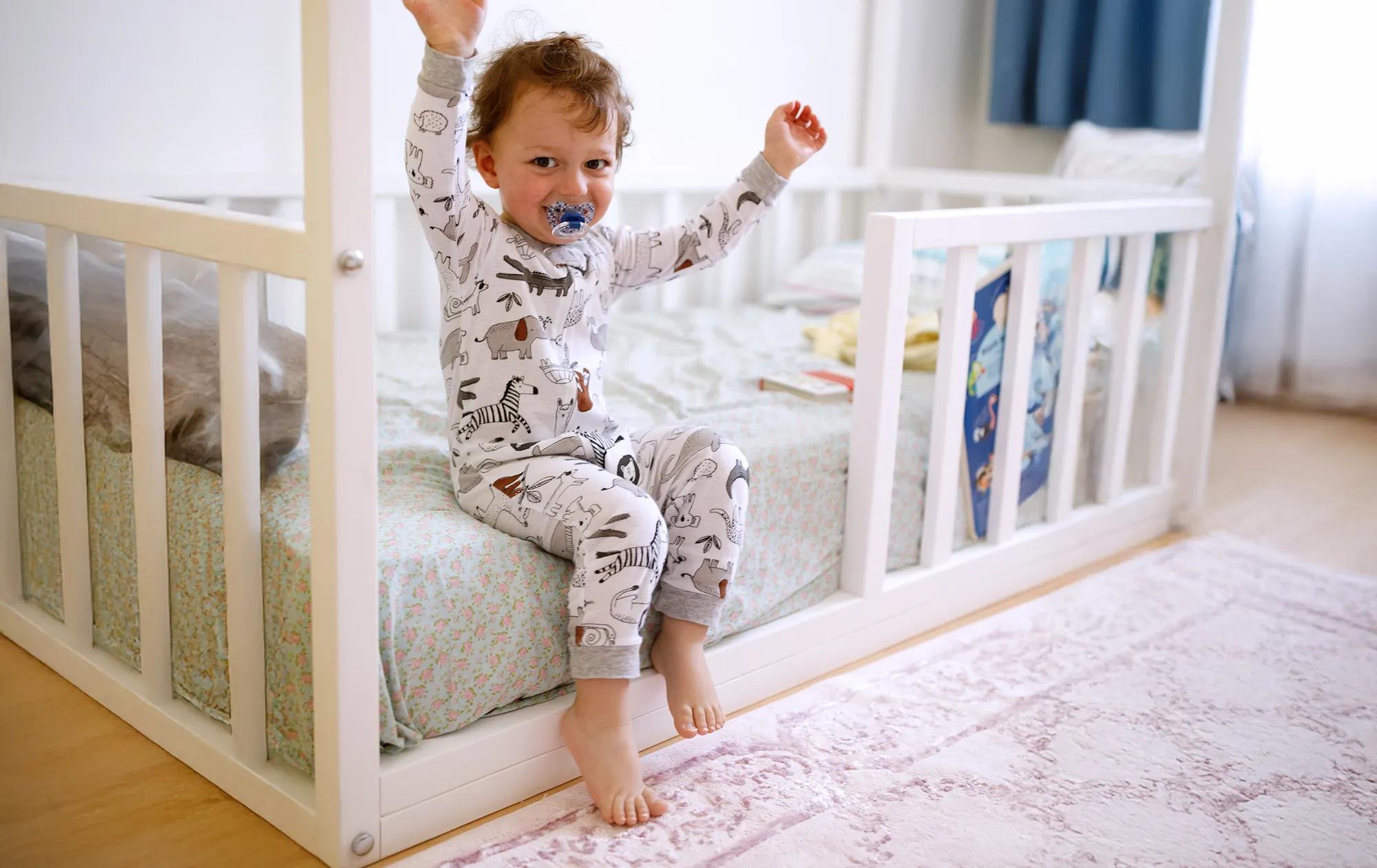
Credit: health.clevelandclinic.org
Recommended Age Range
Choosing the right time for a toddler bed helps your child feel safe and comfortable. The recommended age range guides parents on when to make this change. It also helps with a smooth transition from a crib to a bigger bed.
Typical Transition Ages
Most children move to a toddler bed between 18 months and 3 years old. This age range suits many because kids start to climb out of their crib. Moving too early or too late can cause stress for both child and parent. Toddlers often enjoy having more space to sleep and play.
Variations Among Children
Every child grows and develops at their own pace. Some may be ready before 18 months, while others prefer the crib longer. Signs like climbing out or asking for a bigger bed show readiness. Parents should watch their child’s behavior closely. Comfort and safety always come first during this change.
Choosing The Right Toddler Bed
Choosing the right toddler bed is an important step for your child’s comfort and safety. Toddlers need a bed that fits their size and keeps them secure at night. The bed should also match your child’s room style and feel inviting. Parents want a bed that lasts and supports healthy sleep habits. Think about size, safety, materials, and design before buying a toddler bed. These factors help create a cozy and safe space for your child’s sleep.
Bed Size And Safety Features
The bed size must fit your toddler well. Too big or too small beds cause discomfort. Most toddler beds are about 52 inches long and 28 inches wide. This size fits most toddlers comfortably. Safety features matter a lot. Look for guardrails to prevent falls. The bed should be low to the ground for easy access. Check for smooth edges and non-toxic finishes. These details protect your child from injuries. A sturdy frame is important to avoid wobbling or breaking.
Materials And Design Options
Choose materials that are safe and durable. Solid wood beds last longer and are sturdy. Some beds use engineered wood, which is lighter but still strong. Avoid beds with sharp corners or toxic paints. Design matters to keep your toddler interested. Bright colors or fun themes make bedtime more exciting. Simple designs fit well in any room. Pick a bed that matches your room style and your child’s preferences. Comfort and style together make a perfect toddler bed.

Credit: www.candokiddo.com
Making The Transition Smooth
Moving your child from a crib to a toddler bed is a big change. A smooth transition helps your child feel safe and happy. It also makes bedtime easier for both of you. Simple steps can make this change calm and positive.
Start with small changes and stay patient. Your child needs time to get used to the new bed. Creating good habits and involving your child helps a lot. These actions build trust and comfort.
Establishing A Bedtime Routine
A clear bedtime routine gives your child a sense of security. Do the same things each night like reading a book or singing a song. This signals that sleep time is near. Keep the routine short and simple to avoid confusion.
Try to start the routine at the same time every night. This helps your child’s body know when to sleep. Calm activities before bed reduce restlessness. A steady routine helps your child relax and fall asleep easier.
Involving Your Child In The Process
Let your child help choose their new bed or bedding. This makes them excited and more willing to try the new bed. Talk about the new bed positively. Use simple words like “big kid bed” to make it fun.
Give your child small tasks like picking out pajamas. Praise their efforts to build confidence. Let them bring a favorite toy or blanket to bed for comfort. Involving your child creates a feeling of control and safety.
Common Challenges And Solutions
Moving a baby to a toddler bed brings new challenges. Parents often face hurdles that affect sleep routines. Understanding these common issues helps parents stay calm and find quick fixes. Small changes can make bedtime smoother for toddlers and parents.
Nighttime Wandering
Toddlers may leave their beds during the night. This behavior is normal but can worry parents. Use safety gates to block stairs and dangerous rooms. Place a soft nightlight in the hallway for comfort. Gently guide your child back to bed each time. Consistency helps toddlers learn bedtime boundaries.
Fear Of New Bed
New beds can feel strange and scary. Toddlers might resist sleeping alone. Add familiar items like favorite blankets or stuffed toys. Sit with your child for a few minutes at bedtime. Praise bravery and offer gentle hugs. These steps create a safe, cozy space that eases fear.
Adjusting Nap Times
Changing beds can disrupt nap routines. Toddlers may nap less or refuse naps. Keep nap times consistent and quiet. Use blackout curtains to darken the room. Limit activities before naps to calm your child. Routine helps toddlers rest well and stay happy.
Safety Tips For Toddler Beds
Moving a baby to a toddler bed is a big step. Safety must be the top priority during this change. Toddler beds are smaller and lower, but risks still exist. Parents need to prepare the bed and room carefully. This helps keep toddlers safe and comfortable. Below are key safety tips for toddler beds.
Guardrails And Mattress Placement
Guardrails prevent toddlers from falling out of bed. Choose beds with secure, sturdy rails on both sides. The rails should be high enough to stop rolling but low enough for easy climbing.
Place the mattress properly inside the frame. Make sure it fits snugly without gaps. Gaps can trap little fingers or limbs. Use a firm mattress to support your toddler’s body well. Avoid overly soft mattresses that can cause suffocation.
Room Childproofing
Check the room for potential hazards. Cover electrical outlets with safety plugs. Remove sharp or heavy objects near the bed. Secure cords from blinds or electronics out of reach.
Use corner protectors on furniture edges. Keep small toys or choking hazards away. Install nightlights to prevent falls in the dark. Make sure the floor is clean and clutter-free for easy movement.
Frequently Asked Questions
At What Age Should Babies Switch To A Toddler Bed?
Babies typically transition to a toddler bed between 18 months and 3 years. This change depends on their size, safety, and readiness to climb out of a crib.
How Do I Know If My Baby Is Ready For A Toddler Bed?
Signs include climbing out of the crib, showing interest in a bigger bed, and improved motor skills. Safety and comfort are key factors.
What Are The Benefits Of Using A Toddler Bed?
Toddler beds offer more independence, better sleep comfort, and safety features. They help ease the transition from crib to a regular bed.
Can Toddlers Safely Sleep Without Crib Rails?
Toddler beds often have low rails to prevent falls. It’s safe when the child is supervised and the bed is close to the floor.
Conclusion
Babies usually move to a toddler bed between 18 months and 3 years. Watch for signs like climbing out of the crib or needing more space. Choosing the right time helps keep your child safe and comfortable. Every child grows at their own pace.
Trust your instincts and support your little one through this change. A smooth transition makes bedtime easier for both of you. Keep the room cozy and familiar to help your toddler feel secure. This step is important for your child’s growth and independence.