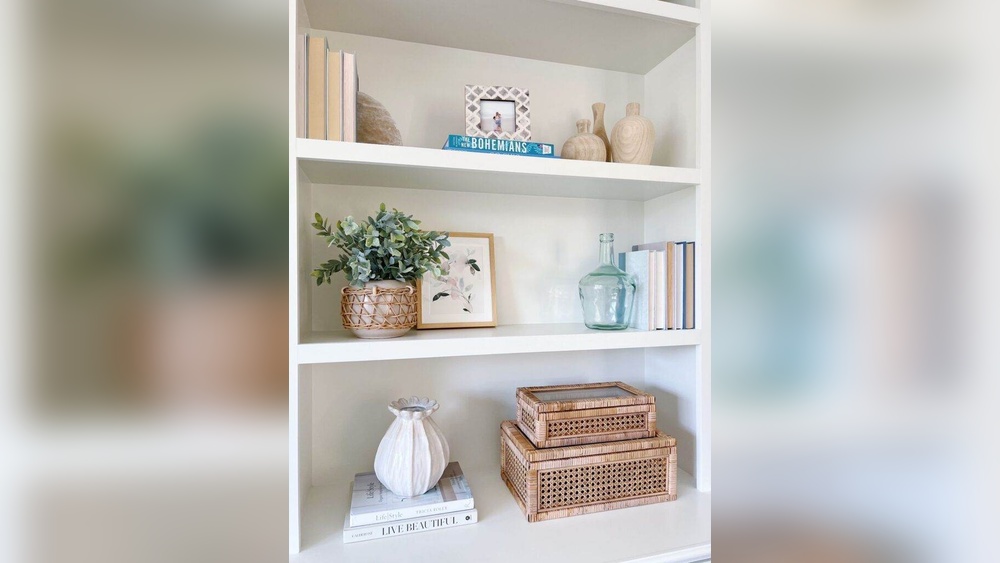
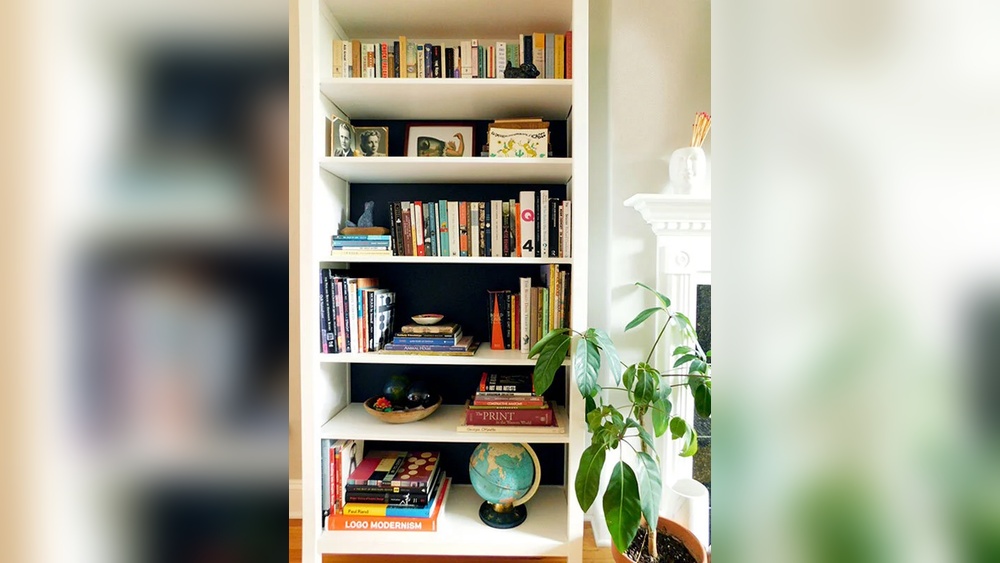
Are you looking to add a clever and stylish twist to your closet doors? Imagine turning ordinary closet doors into hidden bookshelves that not only save space but also make your room look amazing.
You don’t need to be a professional carpenter or spend a fortune to create this unique feature. In this guide, you’ll discover simple steps and smart tips that make building bookshelf closet doors easy and fun. Ready to impress your guests and organize your space like never before?
Keep reading, and you’ll learn how to transform your closet doors into something truly special.
Choosing The Right Materials
Choosing the right materials is the first step to build strong and beautiful bookshelf closet doors. The materials affect the look, strength, and durability of your doors. Picking good wood, hardware, and tools makes the building process easier and ensures your doors last long.
Types Of Wood For Doors
Wood is the main material for bookshelf closet doors. Solid wood like oak and maple is strong and lasts for years. Pine is softer but cheaper and easier to work with. Plywood is a good choice for a smooth surface and less warping. Choose wood that fits your style and budget.
Hardware Essentials
Hardware includes hinges, handles, and screws. Strong hinges keep the doors moving smoothly. Handles should be comfortable and match the room’s style. Use screws that fit the wood type to avoid damage. Good hardware makes your doors functional and nice to use.
Tools You’ll Need
Gather the right tools before starting. A saw helps cut wood to size. A drill makes holes for screws and handles. Sandpaper smooths the wood edges. A screwdriver tightens the hardware parts. Having the right tools saves time and gives better results.
Measuring And Planning
Measuring and planning are the first steps to create bookshelf closet doors. Accurate measurements ensure the doors fit well and open smoothly. Planning helps organize space for books and decor. Careful preparation saves time and avoids mistakes during building.
Measuring Your Closet Opening
Start by measuring the width of your closet opening. Measure at the top, middle, and bottom. Write down the smallest width. Next, measure the height from floor to ceiling. Check if the floor is even. Uneven floors need adjustments in door length.
Designing Door Dimensions
Decide how wide each door panel will be. Divide the total width by the number of doors. Leave some space for door gaps and hardware. Plan the door height slightly shorter than the opening. This allows room for floor clearance and door movement.
Sketching The Bookshelf Layout
Draw a simple sketch of your door with shelves. Mark shelf height and spacing for books or items. Keep shelves strong enough to hold weight. Use straight lines and clear labels. This sketch guides cutting and assembly later.
Cutting And Preparing Wood
Cutting and preparing wood is a key step in making bookshelf closet doors. This process shapes the wood and gets it ready for assembly. Good preparation ensures strong, neat doors that fit well and last long.
Start with accurate measurements and careful cutting. Use the right tools to avoid mistakes. Then, smooth the edges to prevent splinters and improve the look. Finally, assemble the parts with care for a sturdy frame.
Cutting Panels To Size
Measure the closet opening carefully before cutting. Mark the wood panels with a pencil. Use a saw to cut along the marked lines slowly and steadily. Check each piece to match your measurements exactly. Cut all panels needed for the door frame and shelves.
Sanding For Smooth Finish
Sand the cut wood pieces to remove rough edges. Start with coarse sandpaper and finish with fine grit. Sand every surface that will be visible. This step makes the wood smooth and safe to touch. Clean dust from sanding before moving on.
Assembling Shelf Components
Lay out the cut and sanded pieces on a flat surface. Join panels using wood glue and screws for extra strength. Align edges carefully to keep shelves straight. Clamp parts together until glue dries. Check for any gaps or misalignment before final fixing.
Building The Bookshelf Doors
Building bookshelf closet doors lets you add storage and style to your room. It turns plain doors into useful shelves. You can store books, decor, or small items. The process is simple and fun. It needs some basic tools and materials.
Start by making a strong frame for the door. The frame holds the shelves and keeps everything steady. Then attach the shelves evenly inside the frame. Use wood glue and screws to make sure shelves stay tight. This keeps the shelves safe to hold your items.
Attaching Shelves To Door Frame
Cut shelves to fit inside the door frame. Place each shelf where you want it. Use clamps to hold shelves in place. Drill pilot holes to avoid wood splitting. Screw shelves into the frame from the sides or bottom. Check shelves for level to keep items from sliding.
Securing Joints And Supports
Strong joints keep the door safe and long-lasting. Use wood glue on all contact points. Add corner braces or small blocks inside corners. These supports stop wobbling and strengthen the frame. Tighten all screws and let glue dry fully before use.
Adding Decorative Elements
Decorate your bookshelf doors to match your style. Add trim or molding around edges for a classic look. Paint or stain the wood for color and protection. Use knobs or handles that fit your room’s design. Small touches make the doors look complete and polished.
Painting And Finishing Touches
Painting and finishing touches give your bookshelf closet doors a polished look. They protect the wood and make the doors last longer. These steps help the doors match your room’s style and feel complete.
Priming And Painting Tips
Start by sanding the doors to smooth the surface. Wipe off dust with a clean cloth. Apply a good primer to help paint stick better. Use a brush or roller for even coverage. Let the primer dry fully before painting.
Choose paint made for wood or furniture. Use thin coats to avoid drips. Allow each coat to dry before adding the next. Lightly sand between coats for a smooth finish. Two to three coats usually work well.
Applying Protective Coatings
Protective coatings guard against scratches and moisture. Use clear polyurethane or varnish for durability. Apply with a clean brush in long, even strokes. Let the first coat dry, then lightly sand the surface. Add one or two more coats for strong protection.
Installing Door Hardware
Choose hardware that fits your style and door size. Measure and mark where hinges and handles will go. Use a drill to make pilot holes for screws. Attach hinges firmly to the door and frame. Fix handles or knobs securely for easy use.

Credit: www.instructables.com
Mounting The Bookshelf Doors
Mounting the bookshelf doors is a key step in creating a functional and attractive closet. It ensures the doors fit well and open smoothly. Proper mounting also protects the doors from damage over time. The process includes hanging the doors, adjusting them, and adding the finishing touches like stops and handles.
Hanging Doors On Closet Frame
Start by attaching the hinges to the bookshelf doors. Use screws that fit the hinge holes. Next, hold the door against the closet frame. Mark the spots where the hinges will attach to the frame. Drill pilot holes in those marks. Screw the hinges into the frame carefully. Check if the door hangs evenly and swings without resistance.
Adjusting For Smooth Operation
Adjust the hinges to align the doors perfectly. Move the door slightly up or down to level it. Check the gap between the door and frame. It should be even on all sides. Tighten or loosen the screws to fix any misalignment. Open and close the door several times. Make small adjustments until the door moves smoothly.
Adding Door Stops And Handles
Install door stops to prevent the door from swinging too far. Attach them inside the closet frame where the door closes. Choose handles that match the bookshelf style. Measure and mark the spot on the door for the handle. Drill holes and screw the handle in place. Test the door for easy grip and operation.
Maintaining Your Bookshelf Doors
Maintaining your bookshelf closet doors keeps them looking good and working well for years. Regular care stops damage and helps doors last longer. Simple steps can make a big difference in how they look and function.
Small fixes prevent big problems. Updating the style keeps your doors fresh and fits your room’s look. A little effort goes a long way in keeping your bookshelf doors in top shape.
Cleaning And Care Advice
Dust your bookshelf doors often. Use a soft cloth to avoid scratches. Clean with mild soap and water for stains. Dry doors well to stop water damage. Avoid harsh chemicals that can ruin the finish.
Fixing Common Issues
Check hinges for loose screws. Tighten them with a screwdriver if needed. Fix squeaky doors with a little oil on hinges. Replace damaged handles or knobs quickly. Repair scratches with wood filler or touch-up markers.
Updating The Look Over Time
Paint or stain doors to change their style. Swap out old hardware for new, modern pieces. Add decorative trim for a fresh design. Change the door panels with glass or fabric inserts. Small updates keep your space stylish and neat.
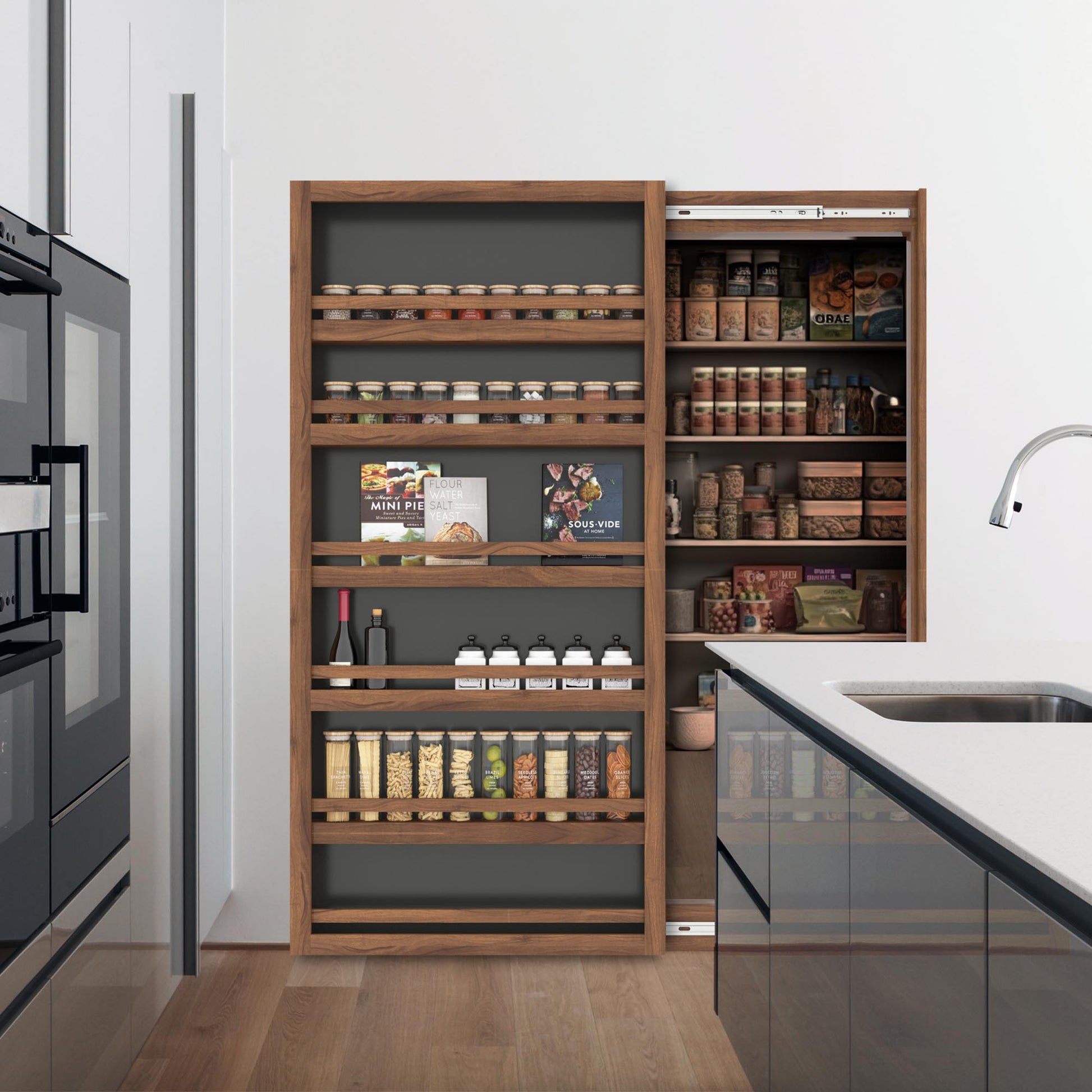
Credit: murphydoor.com
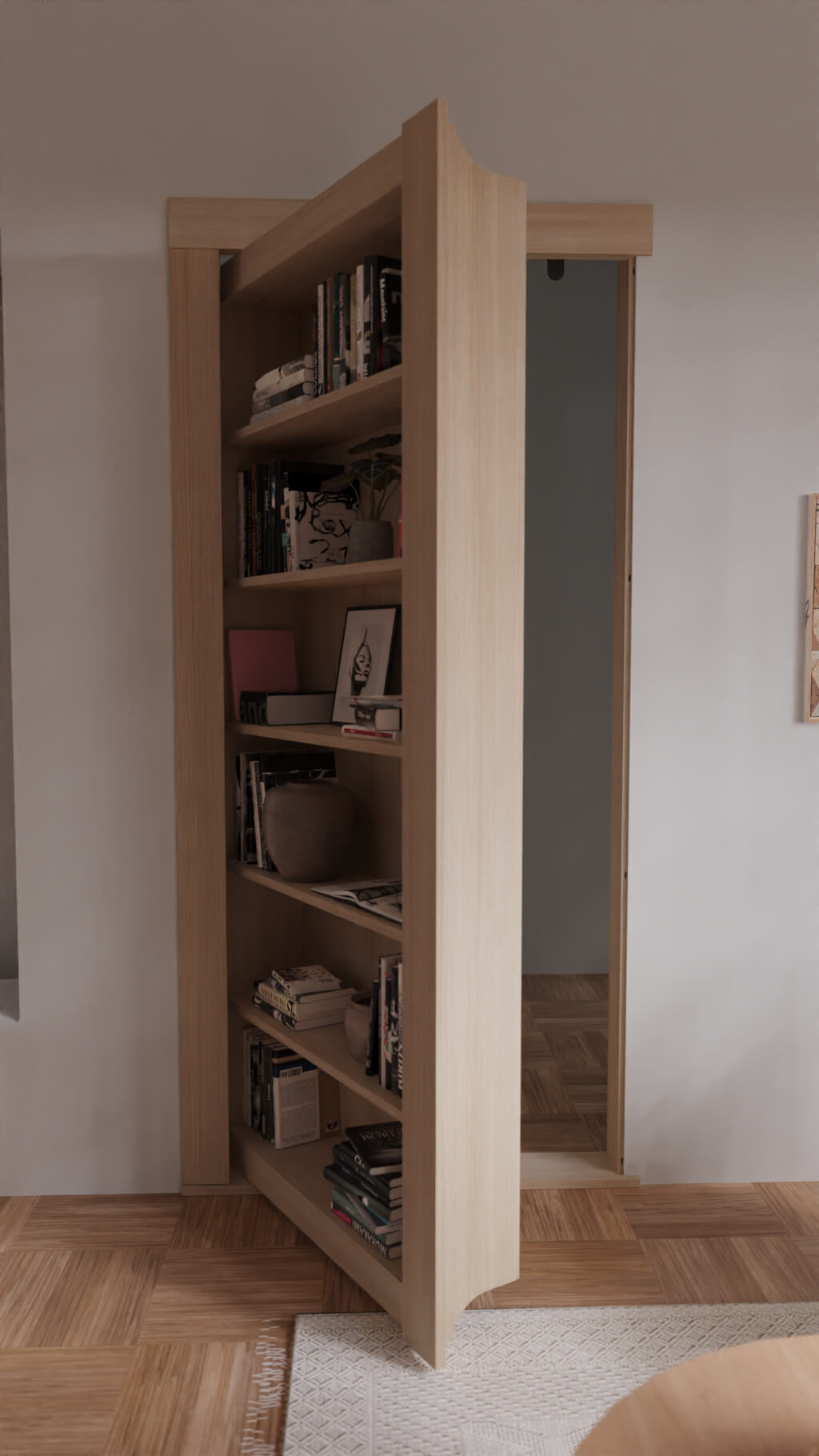
Credit: hiddendoorstore.com
Frequently Asked Questions
How Do I Build Bookshelf Closet Doors?
Start by measuring your closet opening precisely. Cut wood panels to size and attach shelves securely. Install hinges on one side and mount the door frame. Finish with sanding and painting for a polished look.
What Materials Are Best For Bookshelf Closet Doors?
Use solid wood or plywood for durability and strength. MDF works well for painted finishes. Choose quality hinges and screws to ensure stability. Consider moisture-resistant materials for humid areas.
Can Bookshelf Closet Doors Save Space?
Yes, bookshelf closet doors combine storage and door functionality. They maximize vertical space for books and items. This dual-purpose design reduces clutter and adds aesthetic appeal.
How Do I Ensure Bookshelf Closet Doors Open Smoothly?
Install high-quality hinges and check alignment carefully. Use door handles or knobs for easy grip. Apply lubricant to hinges if needed. Regular maintenance keeps doors functioning smoothly over time.
Conclusion
Creating bookshelf closet doors can add style and function to any room. Start with the right materials and tools. Measure carefully to ensure a perfect fit. Take your time assembling each part step by step. Painting or staining will give your doors a finished look.
These doors help save space and keep books organized. Your effort will make your room look neat and cozy. Try this project to bring charm and storage together. Simple, practical, and rewarding.