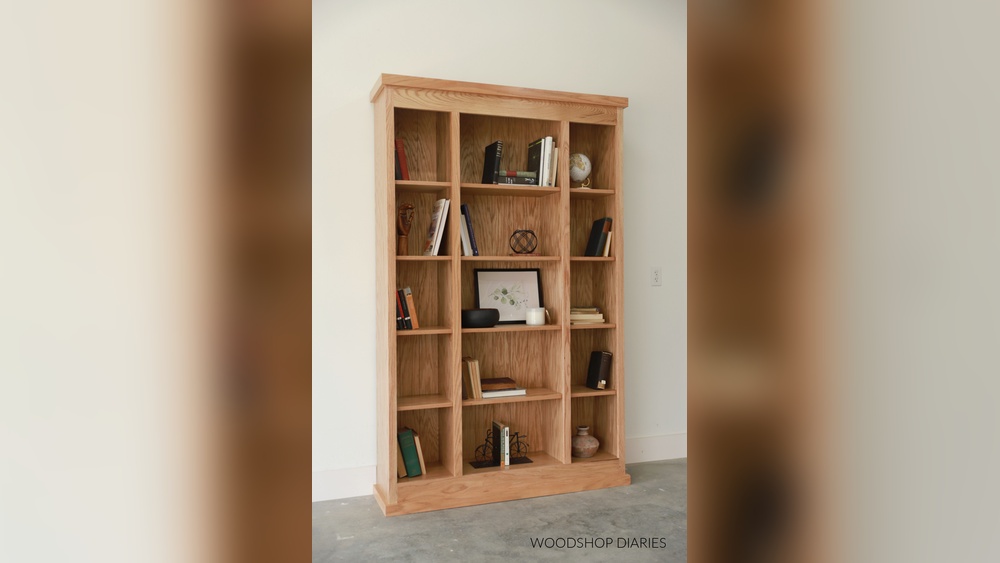
Have you ever stared at an empty bookshelf and wondered, “How many books do I actually need to fill it?” Whether you’re setting up your first shelf or adding to a growing collection, knowing the right number can help you organize your space perfectly.
Too few books, and it looks bare; too many, and it becomes cluttered. You’ll discover simple tips to find the ideal balance for your bookshelf. Keep reading, and soon you’ll have a stylish, well-stocked shelf that fits your space and your style.
Bookshelf Size And Dimensions
Choosing the right bookshelf size and dimensions is key for any space. A well-sized bookshelf fits your room and holds your books perfectly. It also looks balanced and neat.
Bookshelves come in many sizes. Some fit small spaces. Others hold many books. Knowing standard sizes helps you pick or build the right shelf.
Standard Bookshelf Measurements
Most bookshelves have a height between 60 and 72 inches. Width usually ranges from 24 to 36 inches. Depth varies from 10 to 14 inches to hold most book sizes. Shelf height often sits around 10 to 12 inches. This fits most novels and paperbacks easily.
Standard sizes suit living rooms, bedrooms, and offices. They balance space and storage well. Choosing a standard shelf saves time and effort.
Custom Bookshelf Options
Custom bookshelves fit unique spaces and needs. They can be tall, short, wide, or narrow. You decide the exact height, width, and depth. Custom shelves work great for odd corners or small rooms.
Custom options let you store large books or decorations. You control shelf spacing and style. This makes your bookshelf personal and practical.
Adjustable Shelves
Adjustable shelves change height to fit different books. You move shelves up or down easily. This flexibility saves space and keeps books tidy.
Books come in many sizes. Adjustable shelves make sure each book fits well. They also help when you add new books over time.

Credit: www.reddit.com
Book Sizes And Types
Books come in many sizes and types. Knowing their dimensions helps plan a bookshelf well. Different books need different shelf space. This section explains common book sizes and their types. It guides how to fit books on shelves efficiently.
Common Book Dimensions
Most books fall into standard size groups. A typical paperback measures about 5 by 8 inches. Hardcovers are often larger, around 6 by 9 inches. Trade paperbacks may be wider, near 7 by 10 inches. These sizes affect how many books fit per shelf. Understanding common dimensions helps estimate shelf capacity.
Hardcover Vs Paperback
Hardcovers have thick covers and wider spines. They take more space on the shelf than paperbacks. Paperbacks are lighter and thinner. They fit more easily in tight spaces. Hardcover books often look taller and more solid. Paperbacks provide flexibility and can be stacked or slanted. Both types influence shelf layout differently.
Specialty Books And Their Sizes
Some books are larger or shaped differently. Coffee table books are wide and heavy. Art books may be oversized or square. Children’s books can vary from small board books to tall picture books. Textbooks and manuals often have thick spines. Specialty books need extra space or separate shelves. Planning for these prevents overcrowding.
Calculating Books Per Shelf
Calculating how many books fit on a shelf helps plan your bookshelf size. You need to know shelf width and the average book thickness. This gives a clear idea of how many books each shelf can hold. Consider how you arrange books to use space well.
Measuring Shelf Width
Start by measuring the width of the shelf space. Use a tape measure for accuracy. Write down the number in inches or centimeters. This is the total space available for books. Knowing this helps avoid buying shelves that are too small.
Estimating Book Thickness
Next, find the average thickness of your books. Measure a few different books to get a good estimate. Most books are about one inch thick, but some vary. Using the average thickness helps calculate how many books fit side by side.
Accounting For Book Arrangement
Think about how you want to place your books. Standing upright uses shelf space differently than stacking. Leave some space for easy removal and air flow. You can also mix vertical and horizontal stacks to fit more books.
Total Books For Complete Bookshelf
Knowing the total number of books needed to fill a bookshelf helps in planning and organizing. It depends on the shelf size and how you want to arrange your books. Some prefer fully packed shelves, while others leave space for decoration.
This section breaks down how to calculate the total books for a complete bookshelf. It includes counting shelves, filling space, and leaving room for extras.
Number Of Shelves
First, count the shelves on your bookshelf. Each shelf holds a certain number of books. Measure the length and height of each shelf. This helps estimate how many books fit on one shelf. Multiply by the number of shelves for a total count.
Filling The Entire Bookshelf
Decide if you want every shelf fully packed with books. Filling each shelf edge to edge gives the maximum book capacity. Use average book width to calculate how many books fit per shelf. This approach uses all available space efficiently.
Space For Decoration And Extras
Leave some space for decorations like plants or photo frames. This makes your bookshelf look balanced and lively. Not every shelf needs to be full of books. Plan space for both books and small decorative items.
Maximizing Bookshelf Capacity
Maximizing bookshelf capacity helps you store more books without buying extra shelves. Smart arranging saves space and keeps your collection neat. You can try different methods to fit more books comfortably.
These tips make your bookshelf work harder for you. They also keep books easy to find and protect them from damage.
Vertical Vs Horizontal Stacking
Vertical stacking means placing books upright, side by side. This method uses shelf height efficiently and shows book spines clearly. It is ideal for most books and helps quick selection.
Horizontal stacking means piling books flat. Use this for heavy or oversized books. It adds variety and can fill empty spaces.
Mix both methods to balance space and style. It prevents shelves from looking too crowded or empty.
Using Bookends And Dividers
Bookends stop books from falling over. They keep vertical stacks tidy and stable. Choose sturdy bookends that fit your shelf size.
Dividers separate groups of books. They create sections for genres or authors. This method organizes shelves better and saves time searching.
Both tools maximize space by maintaining order and preventing clutter.
Double-row Arrangements
Double-row means placing two layers of books on one shelf. Front row stands normally, back row lies flat or leans.
This method nearly doubles capacity without extra shelves. Use it for books you don’t use often.
Keep the front row low enough to see the back books. It keeps the shelf accessible and neat.

Credit: www.youtube.com
Bookshelf Material And Weight Limits
Choosing the right material for your bookshelf affects how many books it can hold. Each material has a weight limit. The weight limit decides how many books fit safely on each shelf. Understanding these limits helps you pick the best bookshelf for your collection.
Common Materials Used
Wood is the most popular material for bookshelves. It looks good and is strong. Particleboard is cheaper but less durable. Metal shelves hold more weight but can look cold. Plastic shelves are light but have low weight limits.
Weight Capacity Per Shelf
Wood shelves usually hold 20 to 40 pounds per shelf. Particleboard shelves support 10 to 20 pounds. Metal shelves can hold 50 pounds or more. Plastic shelves carry about 10 to 15 pounds. Weight varies by thickness and shelf size.
Impact On Book Quantity
Heavier materials hold more books. A wood shelf can hold 20 to 30 books. Particleboard holds 10 to 15 books safely. Metal shelves can carry 30 books or more. Plastic shelves fit fewer books due to weight limits.

Credit: aprettyfix.com
Frequently Asked Questions
How Many Books Fit On A Standard Bookshelf?
A standard bookshelf typically holds 20 to 30 books per shelf. The exact number depends on book size and shelf dimensions. Measuring your shelf width and book thickness helps estimate capacity accurately.
What Factors Affect The Number Of Books Needed?
Book size, shelf dimensions, and spacing impact how many books you need. Larger books take more space, reducing capacity. Decide shelf size based on your collection and room space.
Can I Build A Bookshelf Based On My Book Count?
Yes, knowing your book count helps design a custom bookshelf. Measure books and add extra space for growth. This ensures your bookshelf fits your collection perfectly.
How Do Book Sizes Impact Bookshelf Capacity?
Different book heights and thicknesses change how many fit per shelf. Mixing large and small books requires adjustable shelves. Accurate measurement of your books ensures efficient shelf design.
Conclusion
The number of books you need depends on your shelf size. Measure your bookshelf first. Then, count how many books fit per row. Don’t forget to leave space for book height and thickness. Organize books by size or type for a neat look.
Adding a few decorations can also fill empty spots. Keep in mind, your collection may grow over time. Adjust the number of books as needed. Simple steps lead to a well-filled, attractive bookshelf. Enjoy arranging your books in a way that feels just right.