Are you wondering how long your little one will actually stay in a toddler bed? You’re not alone.
Making the switch from a crib to a toddler bed is a big step, and knowing what to expect can ease your worries. You might be asking yourself, “When will my child move on from this bed? How long is this stage going to last?
” This article will give you clear answers and helpful tips so you can plan the next moves with confidence. Keep reading to discover how long babies typically stay in toddler beds and what signs show it’s time to move on.

Credit: www.walmart.com
When To Switch To Toddler Bed
Switching your baby to a toddler bed is an important step in their growth. It offers more freedom and helps build independence. Knowing when to make this change can be tricky. It depends on your child’s readiness and safety needs.
Signs Your Baby Is Ready
Your baby may try to climb out of the crib. This shows they need more space and freedom. They might also ask to sleep in a “big kid” bed. If your child wakes up calm and happy, it shows comfort with change. Watch for these signs to choose the right time.
Age Range For Transition
Most children switch between 18 months and 3 years old. Some may be ready earlier, others later. Every child grows at their own pace. Follow your child’s behavior and comfort instead of the clock. This helps make the move smooth and stress-free.
Safety Considerations
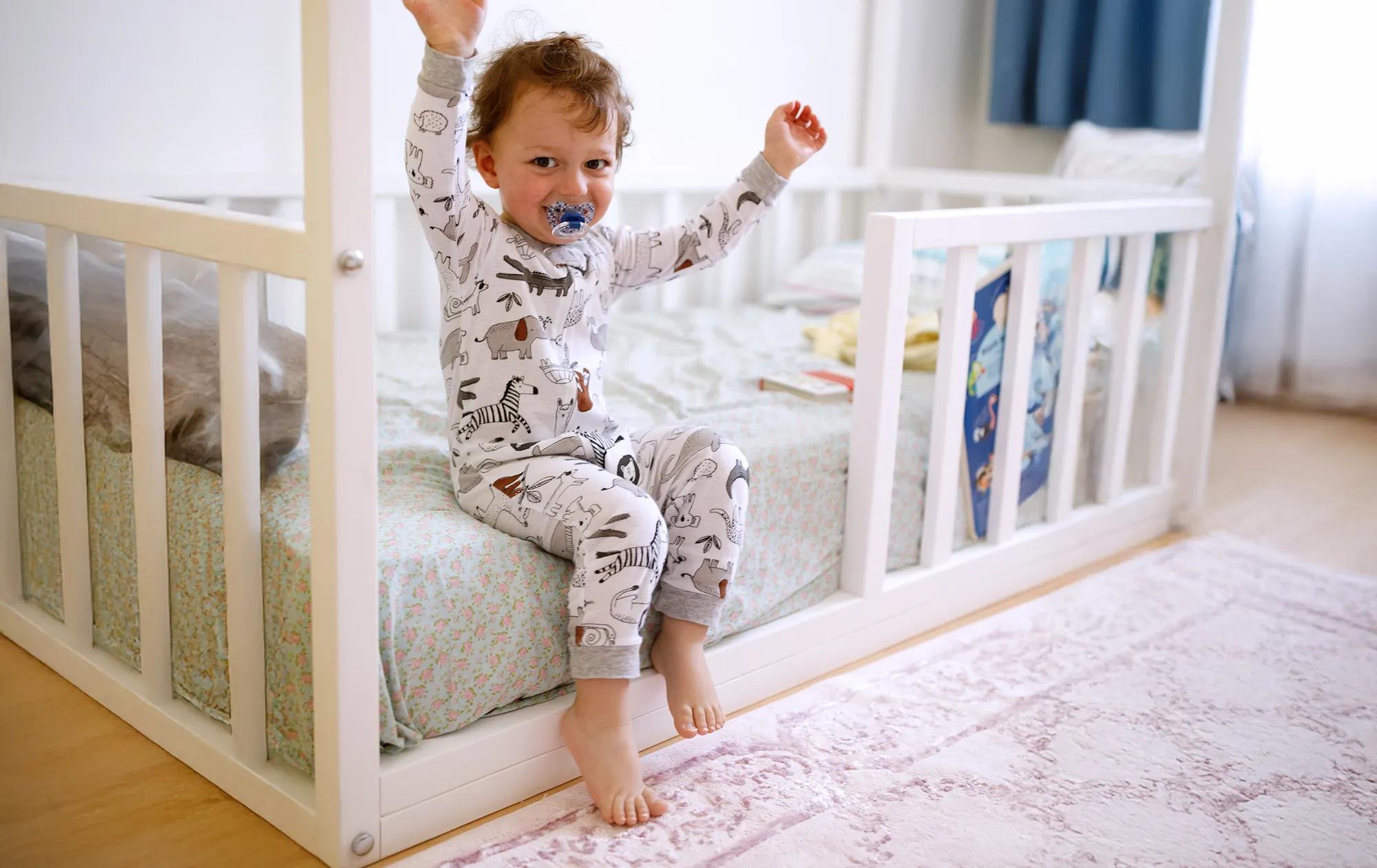
Choose a toddler bed with low sides to prevent falls. Place the bed away from windows and cords. Use guardrails for extra safety during sleep. Check the room for any sharp or dangerous objects. Create a safe space for your child’s new adventure.
Credit: health.clevelandclinic.org
Choosing The Right Toddler Bed
Choosing a toddler bed is an important step for your child’s comfort and safety. The right bed helps your child feel secure and sleep well. This choice depends on several factors like size, style, and materials. Understanding these helps you pick a bed that fits your child’s needs and your home.
Consider your child’s age and habits. Some beds grow with your child, while others serve only a short time. Safety features and comfort should guide your decision. Let’s explore key points to help you choose the best toddler bed.
Types Of Toddler Beds
Toddler beds come in many styles. Standard toddler beds use a small mattress like a crib. Convertible beds change from crib to toddler bed and sometimes to a regular bed. Low-to-the-ground beds help toddlers get in and out safely. Some have built-in rails to prevent falls. Pick a type that fits your space and your child’s needs.
Size And Comfort
Size matters for comfort and safety. Toddler beds usually fit crib mattresses, about 28 by 52 inches. Make sure the bed fits your child’s mattress perfectly. A bed too big or too small can be unsafe. Comfort also depends on the mattress quality. Choose a firm, supportive mattress to help your child sleep well.
Materials And Durability
Look for strong and safe materials. Wood is a popular choice because it is sturdy and long-lasting. Some beds use metal or plastic, which can be lighter but less durable. Check for smooth finishes and no sharp edges. Non-toxic paints and finishes are best for your child’s health. A durable bed will last through toddler years and beyond.
Duration Of Toddler Bed Use
Knowing how long a toddler bed is used helps parents plan better. The duration varies by child and family. Some toddlers stay in these beds longer than others. Understanding typical timelines and factors can guide the transition smoothly.
Typical Age Span
Toddlers usually start using toddler beds around 18 months to 3 years. Many children switch to a toddler bed by age two. Most stay in these beds until they are about five years old. Some may move to a regular bed earlier or later.
Factors Influencing Duration
Child’s size and growth affect how long they use the bed. Safety is key; a child who climbs out may need a new bed sooner. Comfort and sleep habits also influence timing. Parents’ preferences and room space play a role.
Gradual Vs Immediate Transition
Some families choose a slow, step-by-step move to a toddler bed. This helps the child adjust without stress. Others switch immediately for convenience or safety reasons. Both methods can work well if done with care.

Credit: www.hushhome.com
Tips For A Smooth Transition
Moving your baby to a toddler bed can feel like a big step. This change brings new challenges for both parents and children. Simple tips help make this time easier. Focus on comfort, routine, and patience. These elements help your child feel safe and calm.
Creating A Comfortable Sleep Space
Choose a bed with soft, cozy bedding. Use familiar blankets or stuffed toys. Keep the room dark but safe with a nightlight. Remove sharp or hard objects. Make the space inviting and warm. This helps your child feel secure and ready to sleep.
Establishing A Bedtime Routine
Stick to a consistent bedtime each night. Include calming activities like reading or singing. Avoid screen time before bed. A steady routine signals that sleep time is near. This routine builds comfort and reduces anxiety.
Dealing With Resistance
Expect some resistance or fear at first. Stay calm and patient with your child. Offer reassurance and gentle praise for trying. Avoid punishment or anger. Give your child time to adjust. Small rewards can encourage positive behavior.
When To Move Beyond The Toddler Bed
Moving beyond the toddler bed is a big step for both parents and children. It means your child is growing up and ready for a bigger sleeping space. Knowing the right time to switch helps keep your child safe and comfortable. This section will help you understand the signs and how to prepare for the change.
Signs To Upgrade To A Big Kid Bed
Watch for signs that your child is ready to move on. Climbing out of the toddler bed is a strong indicator. If your child feels cramped or the bed feels small, it is time. Growing too tall or heavy for the toddler bed also means an upgrade is needed. Notice if your child asks for a bigger bed or shows interest in a “big kid” bed.
Preparing For The Next Step
Make the transition smooth by involving your child in the process. Let them choose new bedding or a bed style they like. Talk about the new bed as a fun and exciting change. Keep familiar bedtime routines to help your child feel secure. Set up the room safely, removing sharp edges and securing furniture.
Maintaining Sleep Habits
Stick to a consistent bedtime routine to support good sleep. Keep the same bedtime and wake-up time every day. Use calming activities before bed, like reading or gentle music. Avoid screens and active play close to bedtime. Praise your child for sleeping well in the new bed to encourage good habits.
Frequently Asked Questions
How Long Do Babies Typically Stay In A Toddler Bed?
Babies usually stay in toddler beds from 18 months to 3 years old. Transition depends on the child’s readiness and safety. Parents should monitor growth and comfort to decide when to move to a bigger bed.
When Should I Move My Baby From Crib To Toddler Bed?
Move your baby when they start climbing out of the crib or show interest in a toddler bed. This usually happens between 18 months and 3 years. Safety and readiness are key factors for a smooth transition.
How To Know If Toddler Bed Suits My Baby?
Check if your toddler can climb in and out safely and feels comfortable. The bed should have guardrails to prevent falls. Your child’s size and behavior help determine if the bed fits well.
What Age Do Toddlers Outgrow Toddler Beds?
Toddlers often outgrow toddler beds by 5 years old. Once they exceed weight limits or need more space, it’s time to upgrade. Monitor growth and sleep habits for timely changes.
Conclusion
Babies usually stay in toddler beds from about 18 months to 3 years. Every child grows at their own pace. Watch for signs they need more space or safety. Switching too early or late can cause stress. Choose a bed that feels comfy and secure.
Keep routines simple to help your child adjust. Remember, patience makes this change easier for everyone. Trust your instincts and your child’s needs. This stage passes quickly, so enjoy it while you can.