Are you working with Rails and need to delete a table quickly using the console? Knowing how to do this can save you time and keep your database clean.
You’ll learn simple, clear steps to delete a table right from the Rails console. Whether you’re fixing mistakes or cleaning up your project, this guide will make the process easy and stress-free. Keep reading, and you’ll gain the confidence to manage your Rails database like a pro.

Credit: runnin4tacos.com
Access Rails Console
Accessing the Rails console is the first step to managing your database directly. It allows you to run Ruby commands inside your Rails app. You can inspect data, change records, and even delete tables if needed.
This console acts like a command line interface tailored for Rails. It connects you to your app’s environment safely and quickly. Learning how to open and use this console is essential for every Rails developer.
Start Console In Project Directory
Open your terminal or command prompt. Navigate to your Rails project folder. Use the command rails console or simply rails c. This opens the console with your app’s context loaded. Now, you can run Ruby and Rails commands directly.
Basic Console Commands
Try simple commands to check your console is working. Use ModelName.all to list all records. Use ModelName.first or ModelName.last to see specific records. These commands help you explore data quickly. To exit, type exit or press Ctrl + D.

Credit: www.amazon.com
Identify Table And Model
Before deleting a table in the Rails console, you must identify the correct table and model. This step is crucial to avoid deleting the wrong data. Rails uses models to interact with database tables. Knowing the right model helps you find the exact table.
Check Existing Tables
Start by listing all tables in your database. Use the Rails console command ActiveRecord::Base.connection.tables. This command shows every table in the database. Look carefully through the list. Find the table you want to delete. The table name often follows a simple pattern. It usually matches the plural form of the model name. For example, the model User matches the table users.
Match Model To Table
Each table has a related model in Rails. The model controls how you work with the table. Usually, the model name is singular and starts with a capital letter. The table name is plural and lowercase. For example, the model Article links to the table articles. Confirm the model name by checking your app/models folder. Open the model file. See if the model matches the table you want to delete. This step prevents errors during deletion.
Delete Table Via Migration
Deleting a table in Rails is best done through a migration. This method keeps your database changes organized and reversible. Migrations help track changes and keep the schema clean. Follow these simple steps to remove a table safely using a migration.
Create Migration File
First, create a new migration file. Use the Rails command:
rails generate migration DropTableNameReplace TableName with your actual table name. This command creates a new migration file in db/migrate. Open this file to add the drop table command.
Write Drop Table Command
Inside the migration file, write the command to drop the table. Use this syntax:
def change drop_table :table_name endReplace :table_name with your table’s name in lowercase and plural form. This tells Rails to remove the table from the database.
Run Migration
After writing the command, run the migration. Use this command:
rails db:migrateThis updates your database by deleting the specified table. Check the schema file to confirm the change. Your table is now removed safely and cleanly.
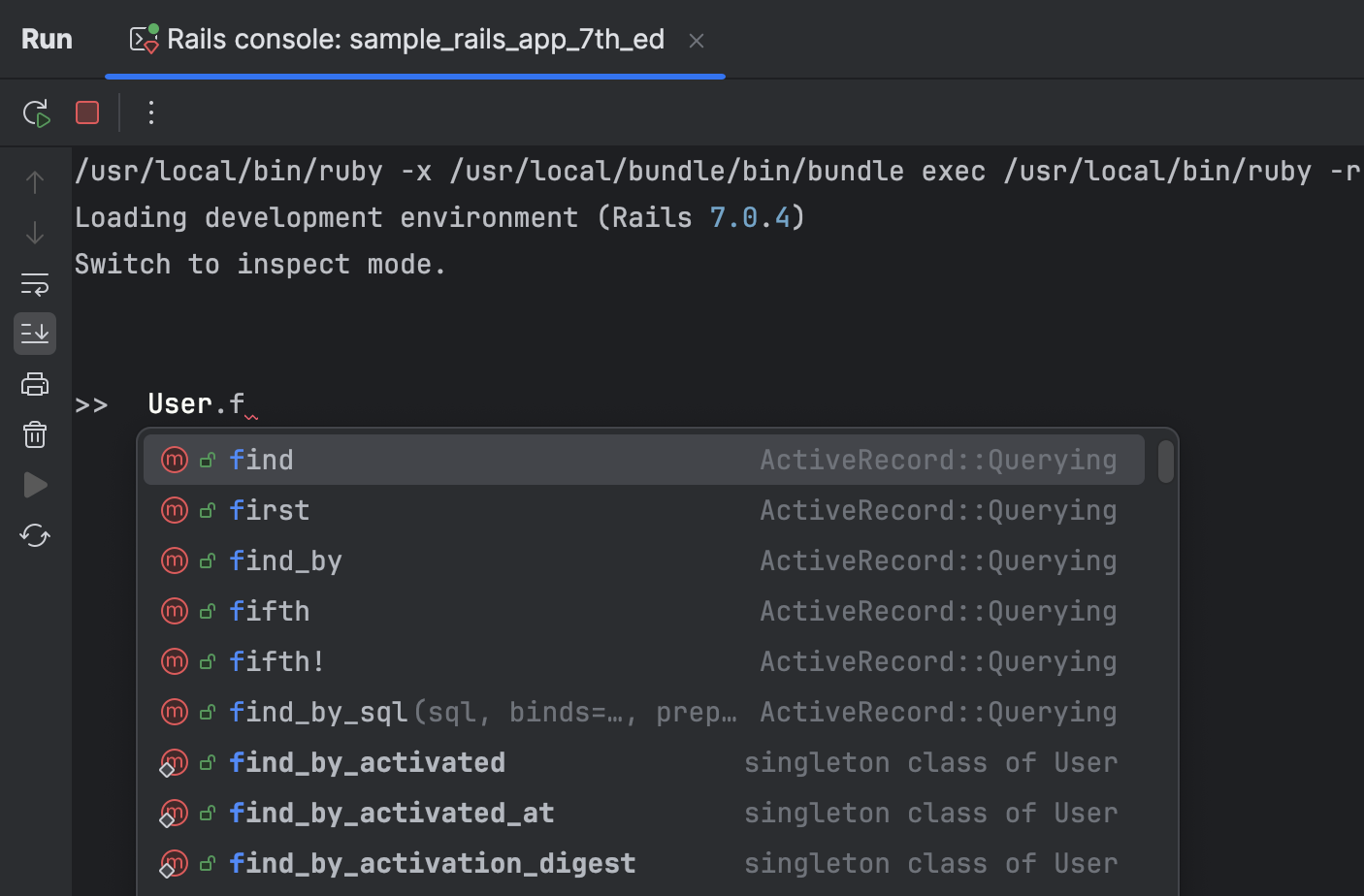
Credit: www.jetbrains.com
Drop Table Directly In Console
Dropping a table directly in the Rails console is a quick way to manage your database. This method removes the entire table and its data instantly. It is useful during development or testing when you want to reset your database structure fast.
You can drop a table using ActiveRecord’s connection or by running raw SQL commands. Both methods work well inside the Rails console. Choose the one that fits your comfort with SQL and Rails.
Use Activerecord Connection
ActiveRecord provides a connection object to interact with the database. You can use this to execute database commands directly. Dropping a table is simple with this approach.
ActiveRecord::Base.connection.drop_table(:table_name)Replace :table_name with the name of the table you want to delete. This command removes the entire table and all its data. It works immediately and reflects in your database.
Execute Drop Table Sql
Running raw SQL is another way to drop a table. This method sends a SQL command straight to the database.
ActiveRecord::Base.connection.execute("DROP TABLE table_name")Replace table_name with the exact name of your table. This command is powerful and should be used carefully. It deletes the table and all its contents at once.
Verify Table Deletion
Verifying table deletion is an important step after dropping a table in the Rails console. It confirms that the table no longer exists in the database. This step helps avoid confusion and potential errors in your app later.
Checking the deletion ensures that your database is clean. It also helps you catch any issues early. Let’s explore how to list tables and handle errors while verifying deletion.
List Tables After Deletion
Use the Rails console to list all tables in your database. This shows if the table you deleted is gone. Run this command:
ActiveRecord::Base.connection.tablesThis command returns an array of table names. If the deleted table is missing, deletion was successful. If it still appears, try deleting it again or check for errors.
Handle Errors And Exceptions
Errors can happen during table deletion. For example, the table might not exist or you may lack permissions. The Rails console will show error messages if this occurs.
Use a begin-rescue block to catch errors and handle them gracefully. Example:
begin ActiveRecord::Base.connection.drop_table :table_name rescue ActiveRecord::StatementInvalid => e puts "Error: {e.message}" endThis helps you understand what went wrong. Fix the issue before trying again. Proper error handling keeps your workflow smooth.
Best Practices And Safety Tips
Deleting a table in Rails console can be risky. It may cause data loss or errors if done carelessly. Following best practices and safety tips helps keep your data safe. It also prevents mistakes that are hard to fix.
These tips guide you to delete tables safely. They help protect your database and avoid downtime. Always be careful and plan before deleting any table.
Backup Database
Create a full backup before deleting any table. Backups let you restore data if something goes wrong. Use Rails commands or your database tools to make backups. Store backups in a safe place outside your main server.
Use Transactions
Wrap your delete commands inside a transaction block. Transactions allow you to undo changes if errors occur. This keeps your database consistent and safe. Use ActiveRecord::Base.transaction to start a transaction in Rails console.
Avoid Dropping In Production
Never delete tables directly in the production environment. Mistakes in production can cause serious problems. Instead, test your commands in development or staging first. Use migrations to handle table changes safely in production.
Frequently Asked Questions
How Do I Delete A Table Using Rails Console?
To delete a table in Rails console, use a migration or raw SQL. Direct deletion via console is not standard. Run ActiveRecord::Base. connection. drop_table(:table_name) to remove the table safely.
Can I Undo Table Deletion In Rails Console?
No, table deletion is irreversible in Rails console. Always back up your database before deleting tables to avoid data loss. Use migrations for safer schema changes and version control.
Is It Safe To Drop Tables Directly In Rails Console?
Dropping tables directly can be risky. Use Rails migrations for safer schema management. Direct deletion may cause app errors if dependencies exist. Always backup data beforehand.
What Command Deletes A Table In Rails Console?
Use ActiveRecord::Base. connection. drop_table(:table_name) to delete a table. Replace :table_name with the actual table name. This command removes the table and its data instantly.
Conclusion
Deleting a table in Rails console is simple and quick. Use the right commands to avoid mistakes. Always double-check before running destructive actions. This keeps your database safe and clean. Practice in a test environment first. That helps build your confidence and skill.
Now, you can manage tables with ease. Keep learning to improve your Rails knowledge.

