Are you wondering how thick your bunk bed mattress should be? Choosing the right mattress thickness is more important than you might think.
It affects safety, comfort, and how well the bed fits in your space. If your mattress is too thick, it could be dangerous. Too thin, and you won’t get a good night’s sleep. Keep reading to find out the perfect mattress thickness for your bunk bed and make sure your sleep setup is both safe and cozy.

Credit: www.justbunkbeds.com
Ideal Mattress Thickness
Choosing the right mattress thickness for a bunk bed matters a lot. It affects safety, comfort, and the user’s experience. A mattress that is too thick can be unsafe, while a mattress that is too thin might feel uncomfortable. Understanding the ideal mattress thickness helps make a smart choice for any bunk bed.
Safety Considerations
The mattress should not rise above the bed’s guardrails. This prevents falls during sleep. Most bunk beds require mattresses to be 6 to 8 inches thick. Thicker mattresses may cause accidents by reducing guardrail protection. Always check the bunk bed’s manual for the recommended mattress thickness.
Comfort Levels
Mattress thickness impacts sleep quality. Thicker mattresses usually offer better cushioning and support. Thin mattresses might feel hard and cause discomfort. A mattress between 6 and 8 inches balances comfort and safety well. Choose a mattress that supports the body while fitting the bunk bed frame.
Age And User Factors
Children need softer mattresses with enough thickness for comfort. Adults may prefer firmer mattresses that provide more support. Younger kids often do well with thinner mattresses. Older kids and adults benefit from slightly thicker mattresses. Consider the user’s age and size to select the best mattress thickness.
Standard Bunk Bed Mattress Sizes
Bunk beds need mattresses that fit well for safety and comfort. Choosing the right mattress size is key. Standard bunk bed mattress sizes help you find the perfect fit. These sizes match most bunk bed frames and make buying easier.
Twin And Twin Xl Options
The most common bunk bed mattress size is the twin. It measures 38 inches wide and 75 inches long. Twin XL mattresses offer extra length, measuring 38 inches by 80 inches. Both sizes work well for most bunk beds. Twin XL suits taller sleepers who need more legroom. Thickness usually ranges from 6 to 8 inches for these mattresses.
Other Common Sizes
Some bunk beds use full-size mattresses. These measure 54 inches wide and 75 inches long. They provide more space but fit fewer frames. Kids’ bunk beds may also use smaller sizes like 30 by 75 inches. Thickness varies but usually stays under 10 inches. Picking the right mattress size ensures safety and comfort for every bunk bed user.
Material Impact On Thickness
The mattress material plays a big role in deciding its thickness. Different materials have unique properties that affect how thick or thin the mattress can be. This matters for bunk beds, which need mattresses that fit well for safety and comfort.
Some materials are soft and compress more, while others stay firm and thick. Knowing these differences helps you choose the right mattress for your bunk bed.
Memory Foam Mattresses
Memory foam mattresses are soft and mold to your body shape. They can be thinner but still feel comfortable. Usually, memory foam mattresses range from 6 to 8 inches thick.
The foam compresses under weight, so thicker is not always better. A 6-inch memory foam mattress can work well for bunk beds if it has good support.
Innerspring Mattresses
Innerspring mattresses have coils inside for support. They tend to be thicker than foam mattresses. Most innerspring mattresses are between 8 and 12 inches thick.
These mattresses stay firm and keep their shape over time. Thicker innerspring mattresses provide more bounce and support but may be too tall for some bunk beds.
Hybrid Mattresses
Hybrid mattresses combine foam and innerspring coils. They offer both comfort and support. Their thickness usually ranges from 8 to 10 inches.
The foam layers add softness, while coils add strength. Hybrids give a balanced feel, but thickness can vary depending on the brand and design.
Credit: www.collegebedlofts.com
Bunk Bed Frame Compatibility
Bunk bed frames have specific rules for mattress thickness. The mattress must fit well to keep the bed safe. Choosing the right mattress thickness helps avoid falls and injuries. It also keeps the bunk bed stable and strong.
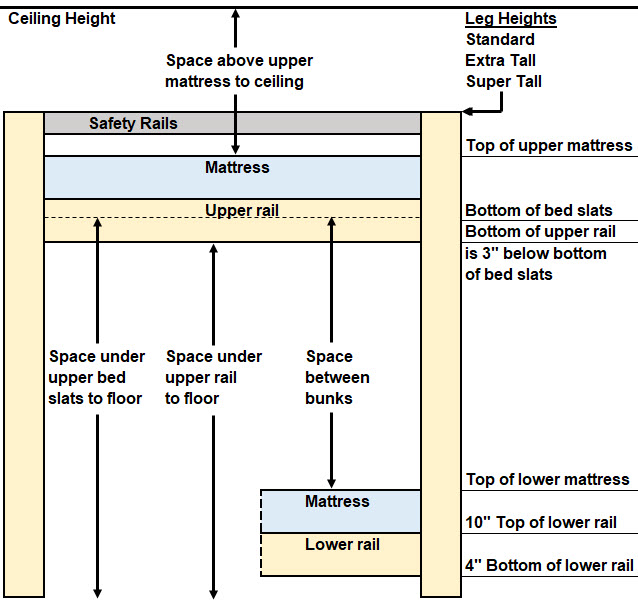
Check your bunk bed frame’s details before buying a mattress. Knowing the frame’s limits ensures a good fit and safety. Two key points affect mattress choice: rail height and slat support.
Rail Height And Mattress Fit
Rail height is the distance from the bed base to the top of the safety rail. The mattress must be thinner than this height. This gap stops the sleeper from rolling over the rail. A mattress too thick can reduce this safety space. Most bunk beds need mattresses 6 to 8 inches thick. Always measure the rail height before buying.
Slat Support Considerations
Slats are the wooden or metal strips under the mattress. They hold up the mattress and the person sleeping on it. Slats should be close together for good support. If the mattress is too thick or heavy, slats may bend or break. Check the slat width and weight limit. A thinner mattress often works better with slats. Proper slat support keeps the mattress lasting longer and the bed stable.
Maximizing Comfort Safely
Choosing the right mattress thickness for a bunk bed affects safety and comfort. Too thick, and the mattress may block guardrails. Too thin, and the bed may feel uncomfortable. Finding the right balance helps ensure a good night’s sleep without risk.
Safety rules for bunk beds usually limit mattress thickness. These rules prevent falls and keep the bed sturdy. Comfort depends on thickness and mattress quality. The goal is to feel supported and cozy without compromising safety.
Choosing The Right Thickness
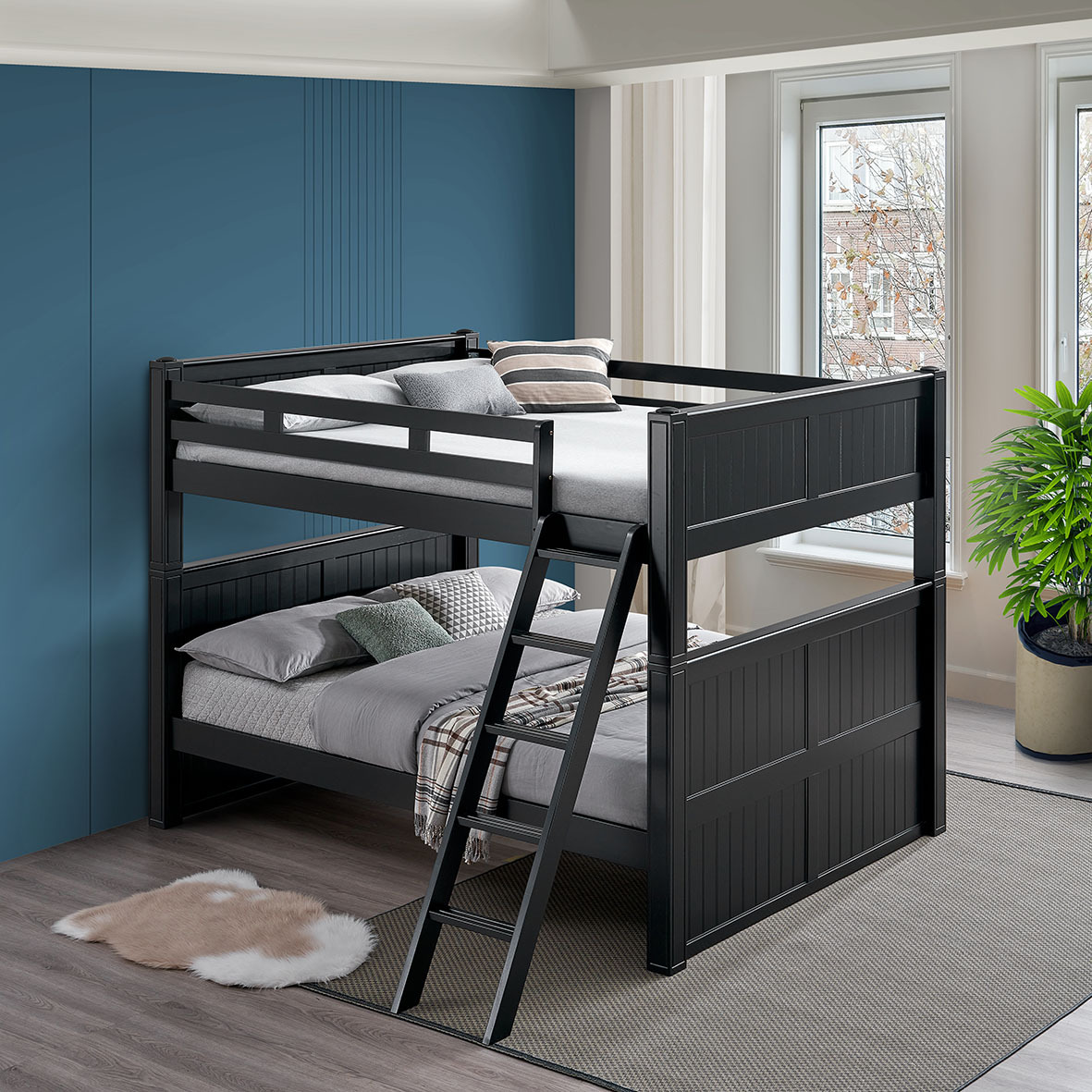
Most bunk bed mattresses should be no thicker than 6 to 8 inches. This thickness fits well under the guardrails. Thicker mattresses can hide the rails, increasing fall risk. Always check the bed’s manufacturer recommendations. Measure the space between the bed frame and guardrails before buying.
Balancing Softness And Support
Mattresses that are too soft may cause poor sleep posture. Too firm, and they can feel uncomfortable and hard. Choose a mattress that supports the body evenly. Memory foam and hybrid mattresses often offer good support. The right mattress helps the body rest and recover.
Credit: www.justbunkbeds.com
Tips For Buying Bunk Bed Mattresses
Choosing the right mattress for a bunk bed takes care and thought. A good mattress fits well, feels comfortable, and lasts long. It also keeps safety in mind. Here are some simple tips to help you pick the best mattress for your bunk bed.
Measuring Your Bed Frame
Start by measuring the inside of your bunk bed frame. Use a tape measure to get the length and width. Note these numbers down. The mattress should fit snugly without extra space. Too small means the mattress could shift. Too big means it might not fit at all.
Also, check the height of the bed rails. This helps decide the mattress thickness. A mattress that is too thick can block the safety rails. This can be unsafe for the person sleeping on top.
Testing Mattress Firmness
Firmness matters for good sleep and safety. Press the mattress with your hands to feel how soft or firm it is. A mattress that is too soft may cause the sleeper to sink in too much. Too firm might be uncomfortable. Choose medium-firm for the best balance.
Try to lie down on the mattress if possible. This helps you feel how it supports your body. For kids, make sure the mattress supports their weight without sagging.
Budget And Durability
Set a budget before buying. Bunk bed mattresses come in many price ranges. A higher price often means better quality and longer life. But some affordable mattresses are also good. Look for mattresses with strong materials and good reviews.
Durability is key. Bunk beds get a lot of use. Choose a mattress that holds its shape over time. Look for materials like high-density foam or innerspring coils. These last longer and stay comfortable.
Frequently Asked Questions
What Is The Ideal Thickness For A Bunk Bed Mattress?
The ideal bunk bed mattress thickness ranges from 6 to 8 inches. Thicker mattresses may reduce safety rails’ effectiveness and increase fall risk. Always check the bunk bed manufacturer’s recommendations for mattress thickness to ensure safety and comfort.
Can A Mattress Thicker Than 8 Inches Be Used On Bunk Beds?
Using a mattress thicker than 8 inches on bunk beds is generally not recommended. Thick mattresses can compromise safety rails and increase the chance of falls. Always prioritize safety and follow manufacturer guidelines when selecting mattress thickness.
How Does Mattress Thickness Affect Bunk Bed Safety?
Thicker mattresses can lower the protective rails’ height, increasing fall risk. Proper mattress thickness maintains safety rail effectiveness and prevents accidents. Choose a mattress thickness that balances comfort and safety, usually between 6 to 8 inches.
Are There Mattress Thickness Standards For Bunk Beds?
Yes, most bunk bed manufacturers recommend mattresses between 6 to 8 inches thick. This standard ensures safety rails function correctly and prevents falls. Always consult your bunk bed’s manual for specific mattress thickness guidelines.
Conclusion
Choosing the right thickness for a bunk bed mattress is important. Too thick can be unsafe. Too thin may be uncomfortable. Most bunk beds work well with mattresses around 6 to 8 inches thick. Always check the bed’s safety rules before buying.
A good mattress keeps sleepers safe and cozy. Remember, safety comes first with bunk beds. Pick a mattress that fits well and feels good. Sleep well, rest easy, and enjoy your bunk bed every night.