Is your metal white bunk bed starting to wobble, creak, or look a bit worn out? You don’t have to live with a shaky or damaged bed that disrupts your comfort and safety.
Fixing your metal white bunk bed is easier than you think, and you can do it yourself without spending a fortune. In this guide, you’ll discover simple, step-by-step solutions to bring your bed back to its sturdy, reliable best. Keep reading to learn how to make your bunk bed safe and solid again—your peace of mind and a good night’s sleep depend on it!
Credit: www.bedbathandbeyond.com
Identify Common Issues
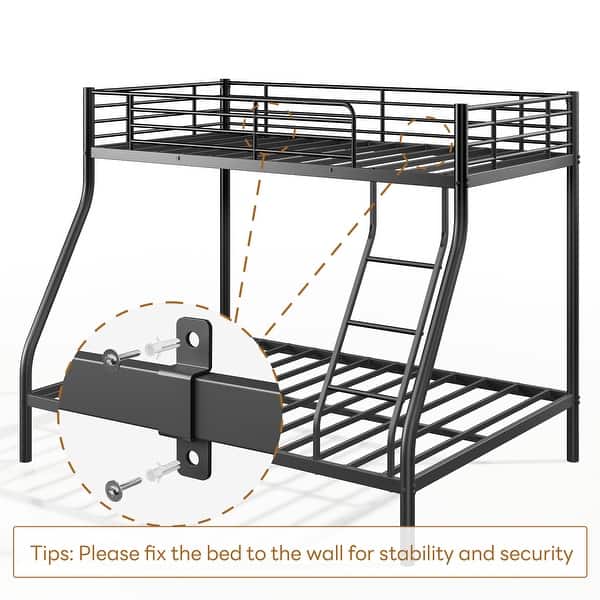
Before fixing a metal white bunk bed, you must identify common issues. This step helps you understand what needs repair. It saves time and effort. Inspect the bed carefully for typical problems. Focus on joints, metal parts, and surface condition. Spotting problems early keeps the bed safe and sturdy.
Loose Joints And Screws
Loose joints and screws cause instability in the bunk bed. Check all connections by gently shaking the frame. Tighten any screws that feel loose. Use a screwdriver to secure bolts and nuts. If screws are missing, replace them immediately. Loose joints can make the bed unsafe for use.
Bent Or Damaged Metal
Bent or damaged metal weakens the bed frame. Look for any bends, dents, or cracks on the metal parts. Bent sections may cause imbalance or sharp edges. Small dents can be hammered back carefully. Large damage might need professional help or part replacement. Damaged metal reduces the bed’s strength and durability.
Paint Chips And Rust Spots
Paint chips and rust spots affect the bed’s look and safety. Check the surface for peeling paint or rust patches. Rust can spread and weaken the metal over time. Use sandpaper to remove rust and smooth rough areas. Apply a fresh coat of paint to protect the metal. Regular maintenance prevents further paint damage and rust.
Gather Essential Tools
Before fixing your metal white bunk bed, gather all essential tools. Having the right tools makes the repair faster and easier. You can avoid frustration and mistakes by preparing well. Here are the main tools you will need.
Screwdrivers And Wrenches
Screwdrivers and wrenches are basic tools for any bunk bed repair. Use a Phillips or flathead screwdriver to remove or tighten screws. Wrenches help loosen or tighten nuts and bolts. Make sure to have different sizes ready. This ensures a perfect fit for all fasteners on your bed.
Metal File And Hammer
A metal file smooths rough or sharp edges on the frame. It also removes burrs after cutting or sanding. A hammer helps straighten bent metal parts or secure loose pieces. Use a gentle tap to avoid further damage. These tools keep the metal frame safe and stable.
Rust Remover And Paint Supplies
Rust remover is important to clean any rust spots on the bed frame. Rust weakens the metal and looks bad. After removing rust, repaint the bed to protect it. Use primer first, then a metal paint for a smooth finish. This prevents future rust and makes the bed look new.
Tighten And Secure Joints
Tightening and securing joints is a key step to fix a metal white bunk bed. Loose joints cause wobbling and can be unsafe. Solid joints keep the bed steady and strong.
Focus on every connection point. Make sure all screws and bolts are tight. Check if any hardware is missing or damaged. Use thread locker for extra stability. These steps improve the bed’s safety and durability.
Check All Screws And Bolts
Look closely at every screw and bolt on the bunk bed. Use a screwdriver or wrench to test tightness. Turn each fastener clockwise until snug. Avoid over-tightening to prevent damage. Tight screws hold the frame together well.
Replace Missing Hardware
Missing screws or bolts weaken the bed frame. Find replacement hardware that matches size and type. Hardware stores or online shops have many options. Replace all missing parts before tightening joints. This restores the bed’s full strength.
Apply Thread Locker For Stability
Thread locker helps screws stay tight longer. Apply a small drop on screw threads before installing. It stops screws from loosening over time. Use a removable thread locker for easy future repairs. This keeps joints secure and safe.
Straighten Bent Frames
Bent frames on a metal white bunk bed can cause instability and discomfort. Straightening these bent parts is important for safety and comfort. The process is simple and needs only a few tools. Follow clear steps to make the frame straight and strong again.
Assess The Damage
Check the frame carefully for bends and dents. Note how much the metal is bent. Look for cracks or breaks in the metal. Mark the spots that need fixing. This helps plan the repair work clearly.
Use Pliers And Hammer
Use pliers to grip the bent metal firmly. Pull or push the metal slowly back to shape. Tap gently with a hammer to smooth out bends. Work little by little to avoid breaking the metal. Take breaks to check your progress.
Protect Metal Surface
Place a cloth or wood piece between the metal and tools. This prevents scratches and damage to the paint. Use soft materials to avoid leaving marks. Protecting the surface keeps the bunk bed looking good. It also stops rust from forming on exposed metal.
Remove Rust And Paint Chips
Removing rust and paint chips is the first step to fixing a metal white bunk bed. Rust weakens the metal and makes the bed look old. Paint chips expose metal to air, causing more rust. Cleaning these areas helps protect the bed and makes it look new again.
Sand Rusted Areas
Start by sanding the rusted spots with sandpaper. Use medium-grit sandpaper to remove loose rust and paint. Sand until you see clean metal underneath. Wipe away dust with a cloth. This step smooths the surface and prepares it for treatment.
Apply Rust Converter
Use a rust converter on the sanded areas. It changes rust into a safe, paintable surface. Apply with a brush or cloth. Let it dry as the product instructions say. This stops rust from spreading and protects the metal.
Prime And Repaint
After the rust converter dries, apply a metal primer. Primer helps the paint stick well. Use white paint made for metal surfaces. Apply thin, even coats. Let each coat dry before adding the next. This creates a strong, clean finish.
Credit: buybuybaby.bedbathandbeyond.com
Strengthen The Bed Structure
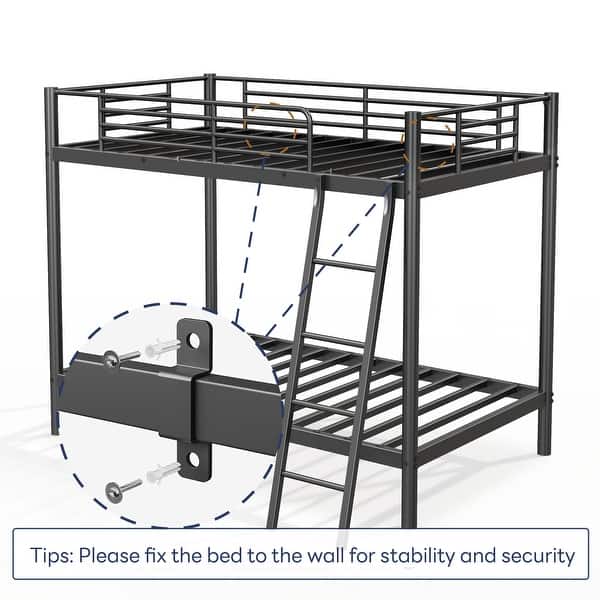
Strengthening the bed structure is key to making a metal white bunk bed safe and stable. A strong frame stops wobbling and keeps the bed secure for daily use. Small fixes can make a big difference in durability and comfort.
Add Support Brackets
Support brackets add extra strength to the bed frame. Attach them where the bed joints meet. Use metal brackets with screws for better hold. This stops the frame from moving or bending under weight.
Reinforce Slats
Slats hold the mattress and need to be strong. Replace weak or broken slats with thicker wood or metal ones. Secure slats tightly to the frame to avoid shifting. This keeps the mattress steady and increases bed support.
Check Weight Limits
Every bunk bed has a weight limit. Know the maximum weight the bed can carry. Avoid exceeding this limit to prevent damage. Spread weight evenly across the bed to reduce stress on any part.
Maintain Your Bunk Bed
Maintaining your metal white bunk bed keeps it safe and lasting longer. Regular care helps avoid big repairs and keeps the bed sturdy. Simple steps can protect the metal and keep all parts tight. This section shows how to maintain your bunk bed well.
Regular Inspections
Check your bunk bed often for signs of damage or wear. Look for rust spots, loose screws, and bent parts. Early spotting of problems stops bigger damage later. Inspect every part, including the frame, ladder, and guardrails. Make it a habit to check your bed every few weeks.
Clean And Protect Metal
Clean the metal frame with a soft cloth and mild soap. Avoid harsh cleaners that can damage the paint or metal. Dry the bed completely to stop rust from forming. Use a metal protectant or wax to keep the surface smooth. This prevents rust and keeps the bunk bed looking new.
Tighten Hardware Periodically
Loose screws and bolts make the bed unsafe. Check all nuts, bolts, and screws every month. Use the right tools to tighten them firmly but not too tight. Tight hardware keeps the bed strong and stops it from shaking. This simple step improves safety for everyone using the bed.

Credit: www.amazon.com
Frequently Asked Questions
How Do I Tighten Loose Screws On A Metal Bunk Bed?
Use a screwdriver to tighten all loose screws and bolts. Check all joints carefully to ensure stability. Tightening prevents wobbling and enhances safety.
What Tools Are Needed To Repair A Metal White Bunk Bed?
You’ll need a screwdriver, wrench, replacement screws, and metal glue. These tools help fix loose parts and minor damages efficiently.
How Can I Fix A Squeaky Metal Bunk Bed?
Apply lubricant like WD-40 to joints and screws. Tighten all bolts to reduce movement causing the squeak. Regular maintenance keeps the bed quiet.
How Do I Repaint A Scratched Metal White Bunk Bed?
Sand the scratched area lightly, clean dust, then apply metal primer. Finish with white metal paint for a smooth, fresh look.
Conclusion
Fixing a metal white bunk bed is easier than it seems. Start with the right tools and parts. Tighten loose screws and replace broken pieces carefully. Check the bed’s stability before use. Regular maintenance keeps it safe and strong. Small repairs save money and extend bed life.
You can enjoy a sturdy bunk bed again without help. Simple steps make a big difference. Try these tips to fix your bunk bed today.